Artwork
Dutch Interior with Woman Sewing
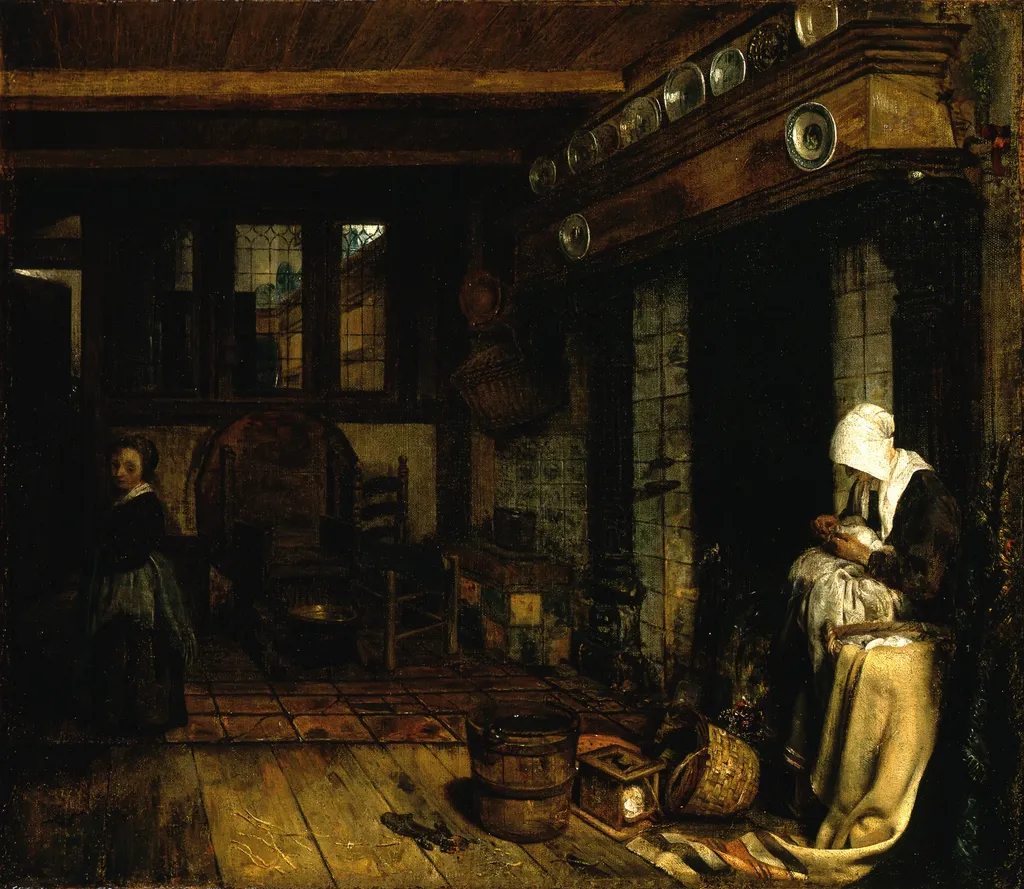
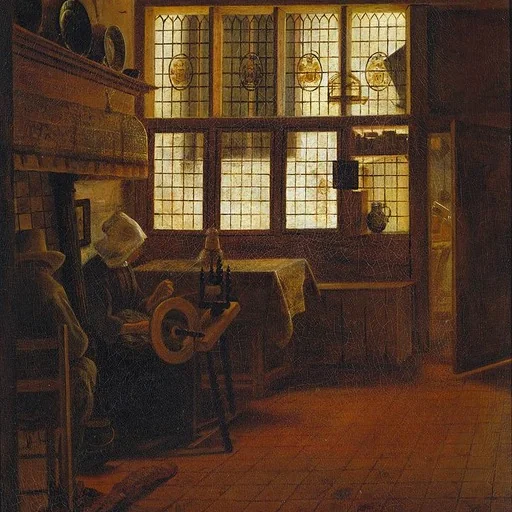
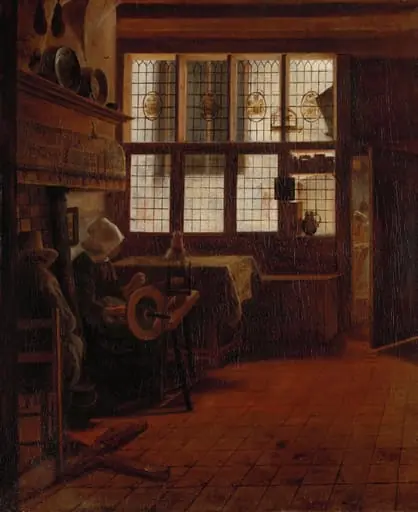
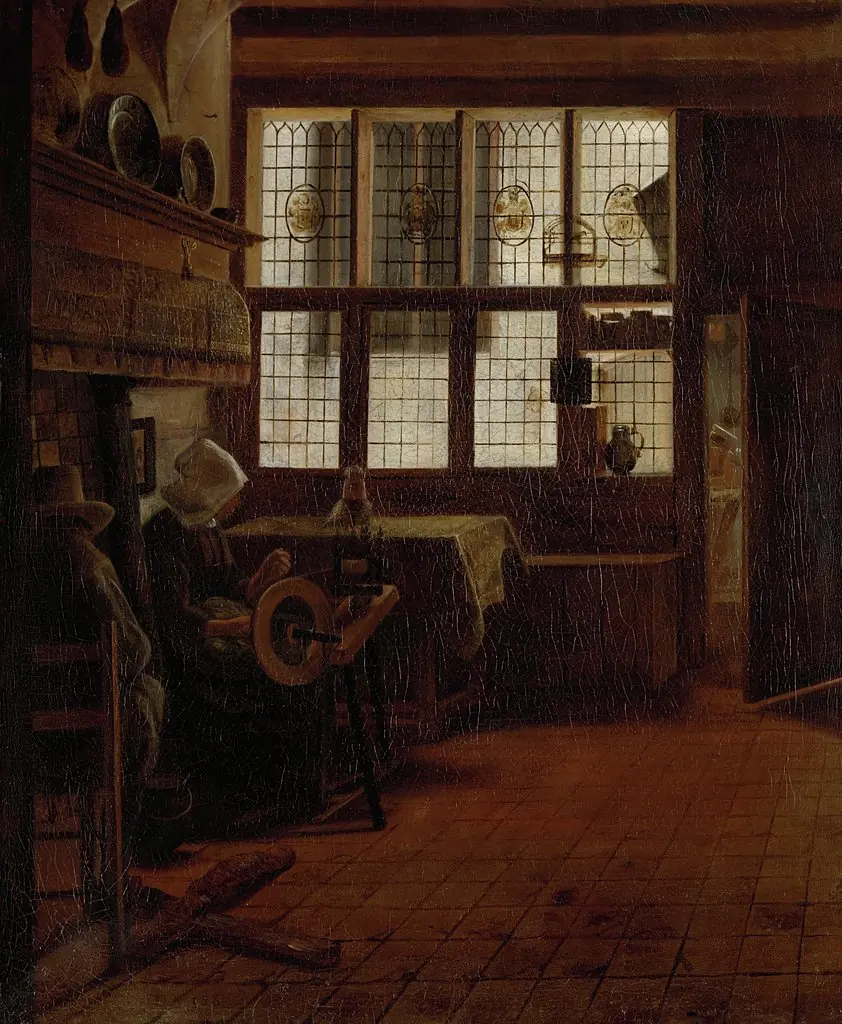
Dutch Interior with Woman Sewing is an oil painting by the Dutch Golden Age artist Esaias Boursse. It dates from 1660 and is held in the collection of the Gemäldegalerie Berlin.
About this work
Overview
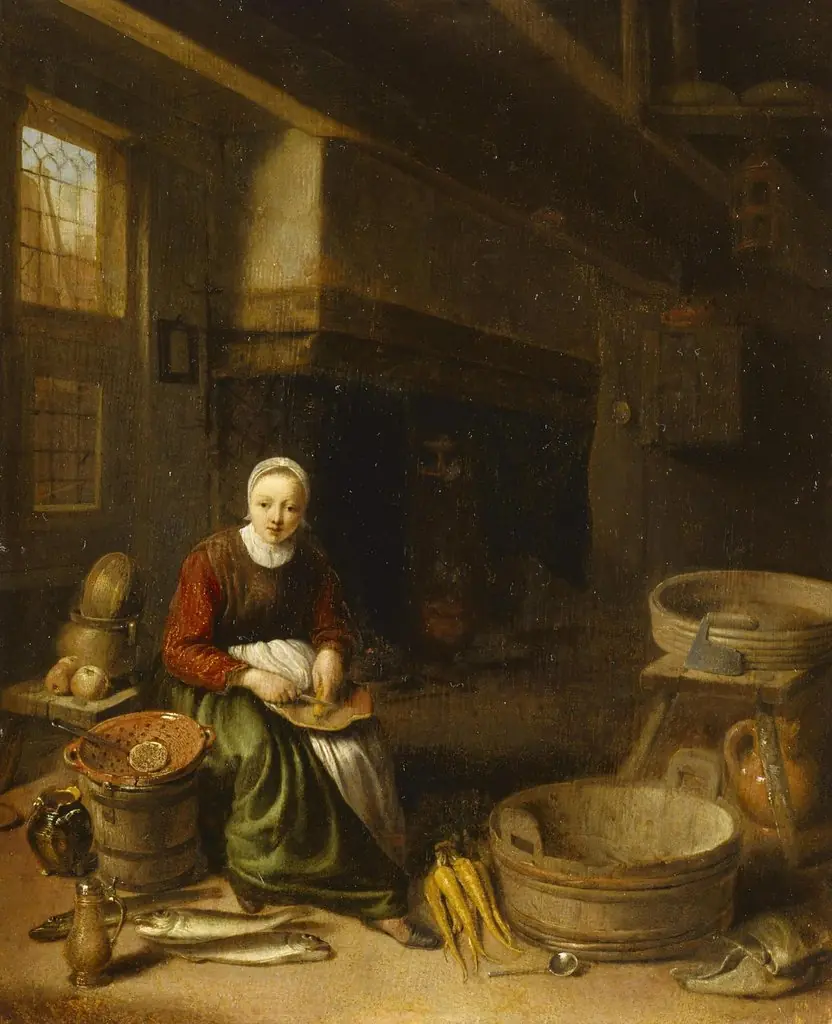
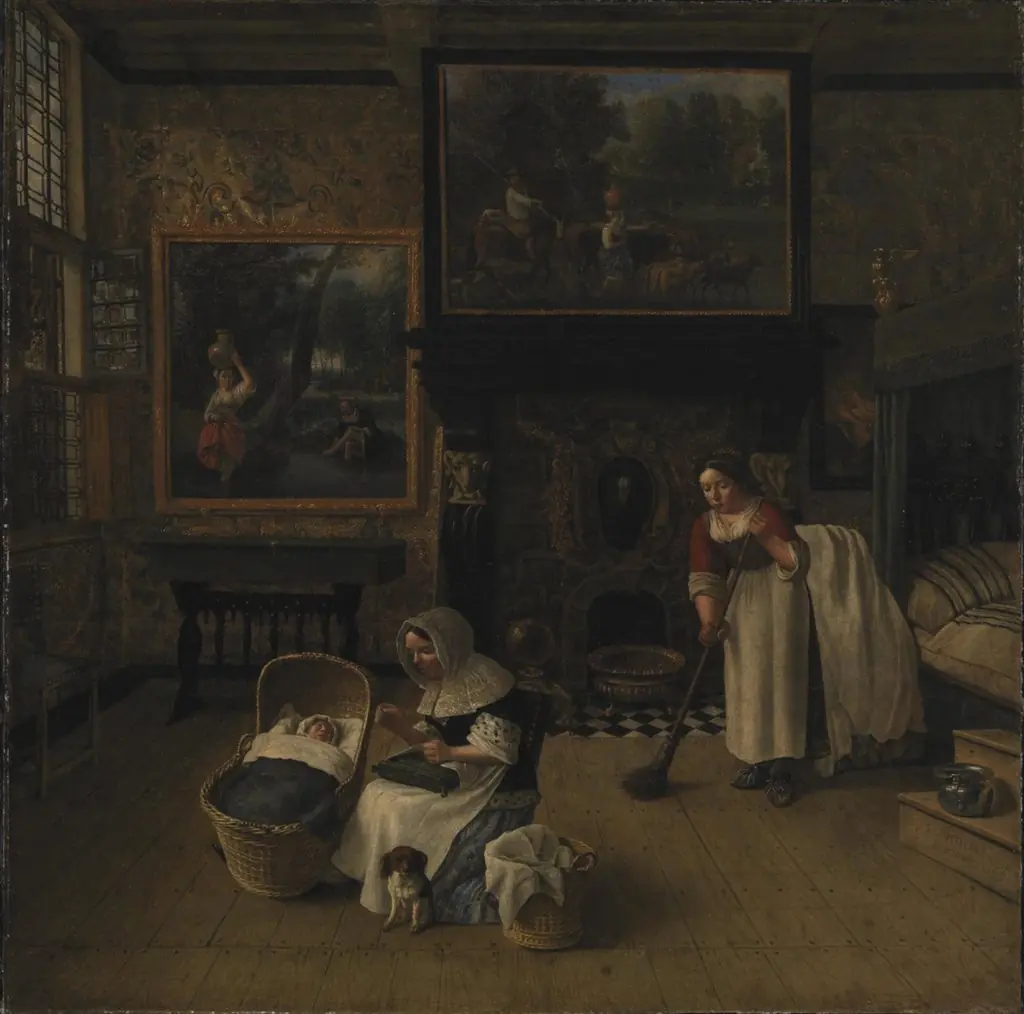
Painted in 1660 by Esaias Boursse, this small oil-on-panel work captures a solitary woman engaged in the quiet act of sewing within a modest Dutch home. It resides in the Gemäldegalerie, Berlin, as part of its collection of 17th-century Dutch genre scenes. The composition emphasizes stillness and intimacy, avoiding narrative drama in favor of a restrained, everyday moment.
Subject & Meaning
The absence of other figures or activity reinforces a sense of solitude, inviting contemplation rather than storytelling.
The woman, absorbed in her task, embodies the domestic routine valued in Dutch civic life. Her focus on needlework suggests diligence and self-sufficiency, traits often associated with middle-class womanhood. The absence of other figures or activity reinforces a sense of solitude, inviting contemplation rather than storytelling. The scene reflects cultural ideals of quiet virtue within the private sphere.
Technique & Style
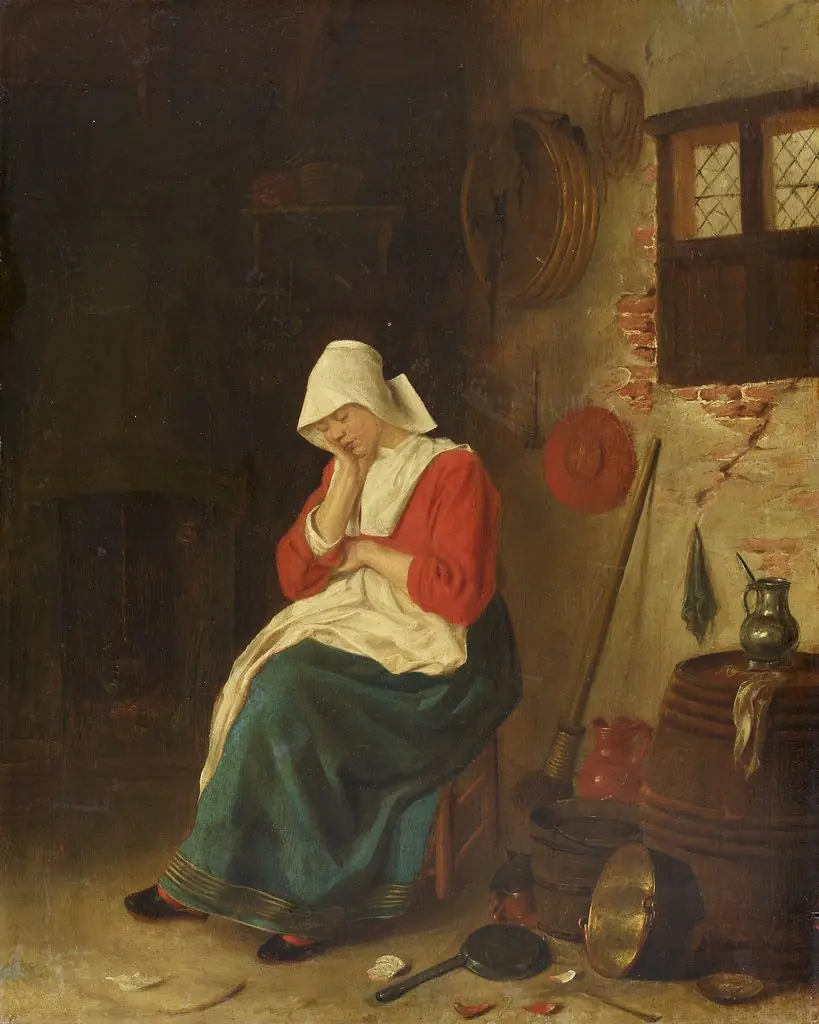
Boursse employs a restrained palette of browns, grays, and muted ochres to unify the interior space. Light enters through a single window, casting soft shadows that model the woman’s form and the objects around her. Subtle chiaroscuro enhances spatial depth without theatricality, aligning with the quiet realism characteristic of Leiden fine painting traditions of the period.
History & Provenance
The painting entered the Gemäldegalerie Berlin’s collection in the 19th century, likely through acquisitions from private German collections that gathered Dutch works during the Romantic era. Its attribution to Boursse has been consistently supported by stylistic analysis, though little is known of its early ownership. It has remained in institutional hands since its acquisition, with no record of significant restoration.
Context
In mid-17th-century Holland, domestic interiors became popular subjects as urban prosperity grew. Artists like Boursse, trained in Leiden, focused on unadorned moments of daily life, avoiding grandeur in favor of authenticity. This painting aligns with a broader trend of genre scenes that celebrated modesty, order, and the moral weight of routine labor in a society increasingly defined by civic and familial values.
Legacy
Though not widely known outside specialist circles, Boursse’s work contributes to the understanding of how Dutch painters rendered quietude with precision. His restrained approach influenced later genre artists who prioritized psychological subtlety over spectacle. The painting remains a quiet testament to the dignity found in ordinary domestic acts during the Dutch Golden Age.
Own this work as a print
Artist & collection