Artwork
The Sleeping Kitchenmaid
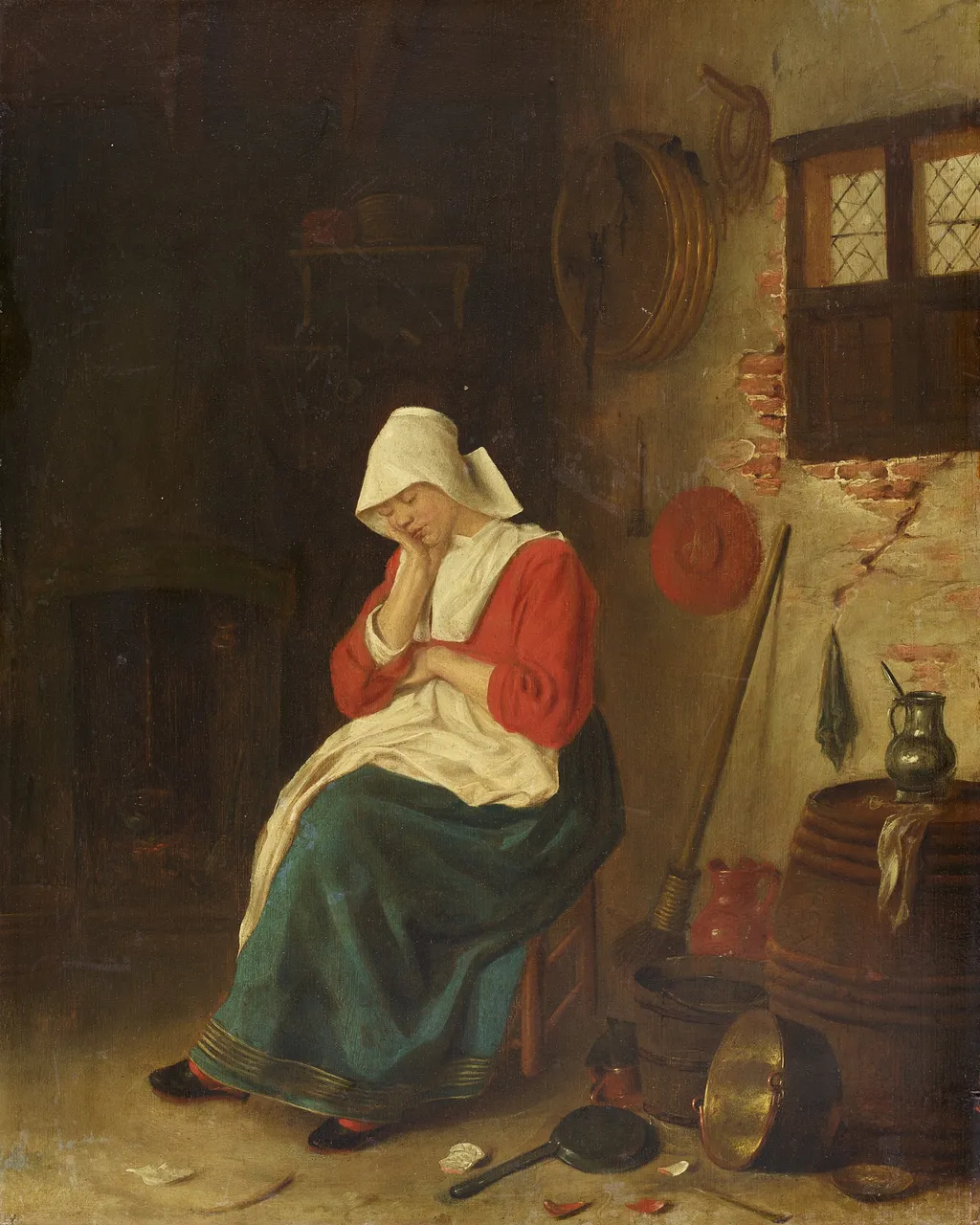
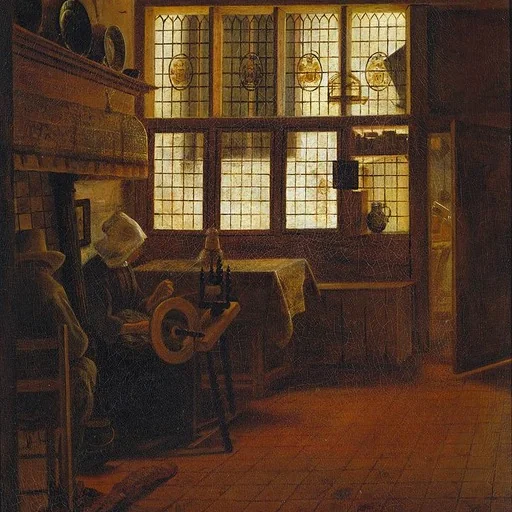
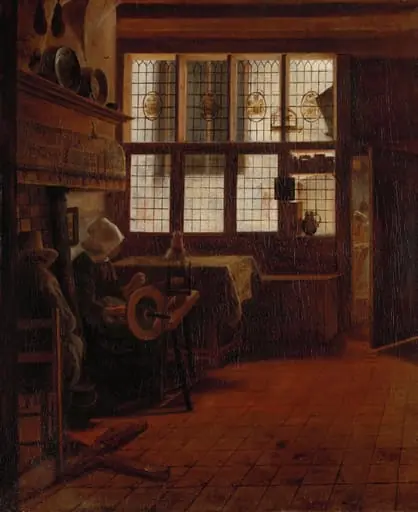
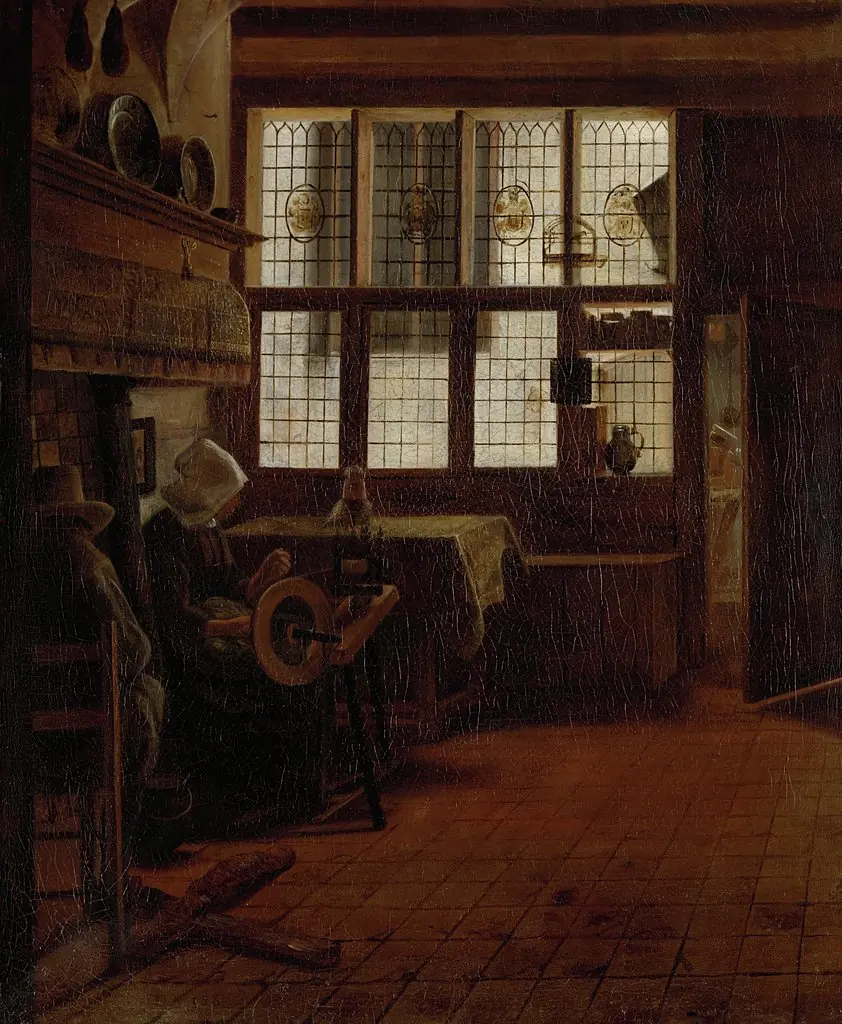
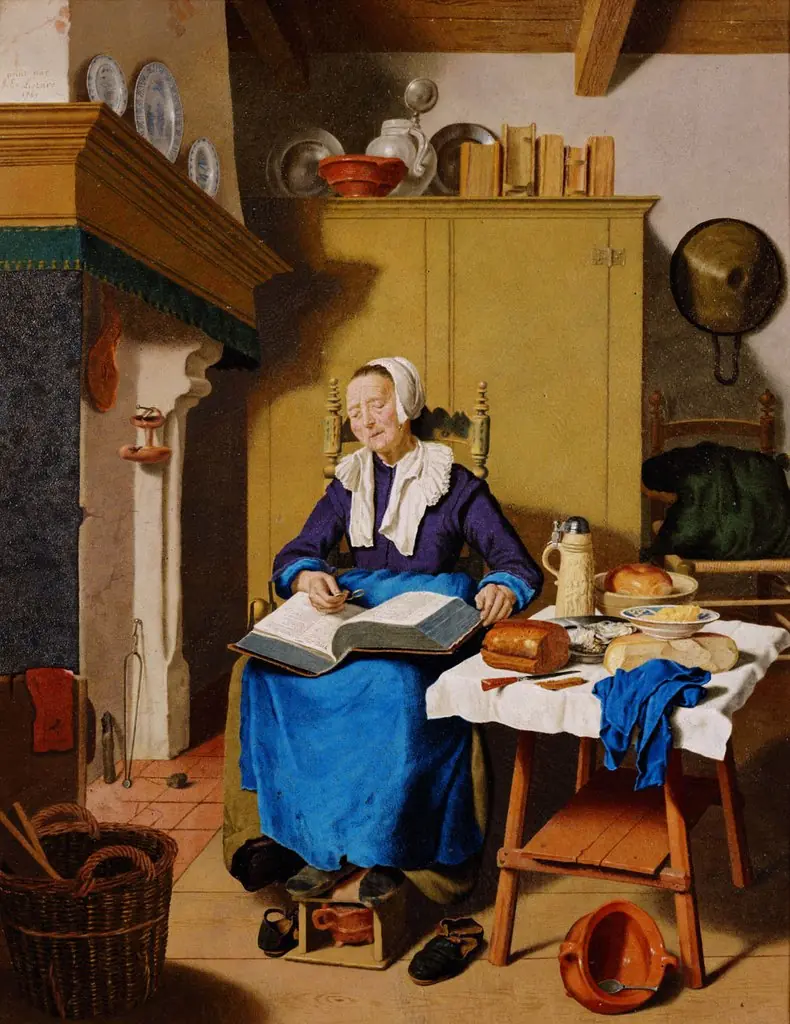
The Sleeping Kitchenmaid is a paint painting by the Dutch Golden Age artist Esaias Boursse. It dates from 1661 and is held in the collection of the Gemäldegalerie Berlin.
About this work
Overview
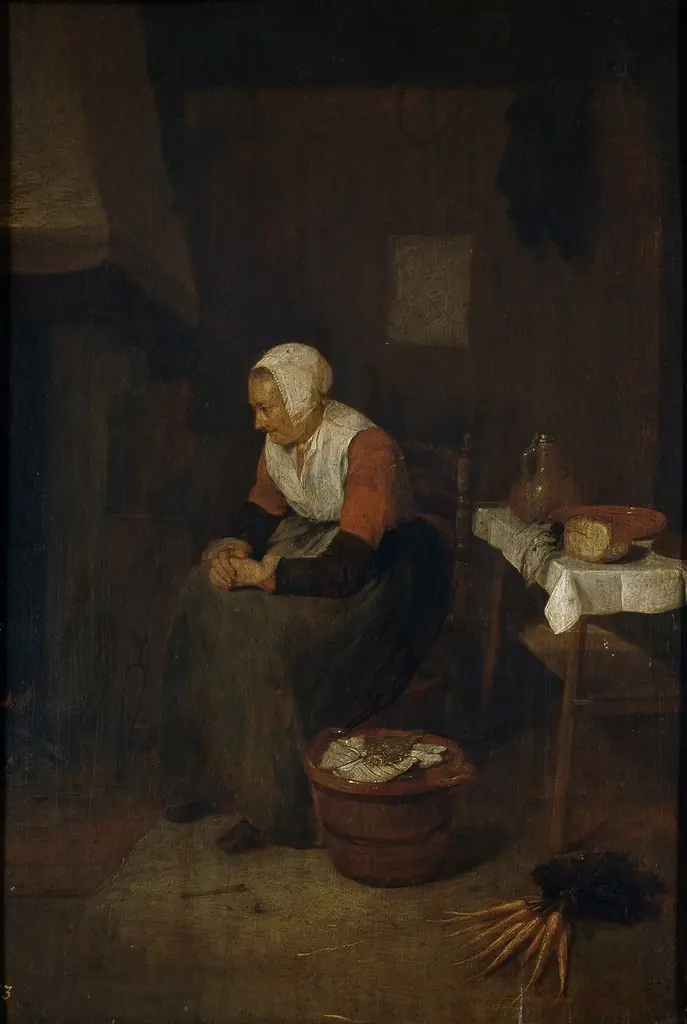
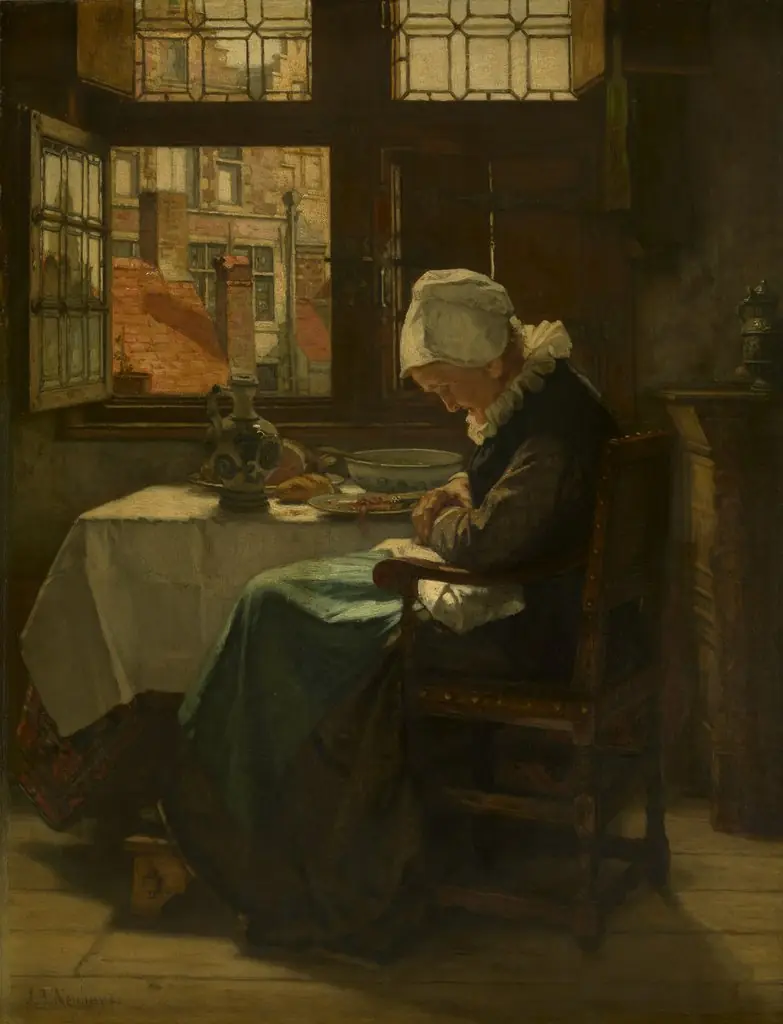
Esaias Boursse’s 1661 oil painting, titled The Sleeping Kitchenmaid, is part of the collection of the Gemäldegalerie in Berlin. The work presents a quiet interior scene in which a young woman rests in a modest kitchen, her head inclined on her hand, suggesting a moment of repose within a domestic setting.
Subject & Meaning
The central figure is a kitchen maid, dressed in a white head covering, a red bodice and a long green skirt, seated on a wooden chair. Her closed eyes and relaxed posture convey a sense of fatigue or brief sleep, inviting contemplation of the everyday lives of household workers in the 17th‑century Dutch milieu.
Technique & Style
Boursse employs a restrained chiaroscuro, allowing a narrow beam of light from a small window on the right to illuminate the maid’s face and hands while the surrounding space recedes into shadow. The contrast of light and dark creates a three‑dimensional effect, emphasizing texture in the fabrics, the gleam of metal utensils, and the wooden surfaces.
Context
The painting reflects the Dutch Golden Age’s interest in genre scenes that depict ordinary activities with moral undertones. By focusing on a solitary figure in a humble environment, Boursse aligns with contemporaries who used domestic interiors to explore themes of labor, rest, and the passage of time.
History & Provenance
Since its creation in 1661, The Sleeping Kitchenmaid has remained in public collections, eventually entering the holdings of Berlin’s Gemäldegalerie, where it is displayed among other Dutch genre works of the period.
Own this work as a print
Artist & collection