Artwork
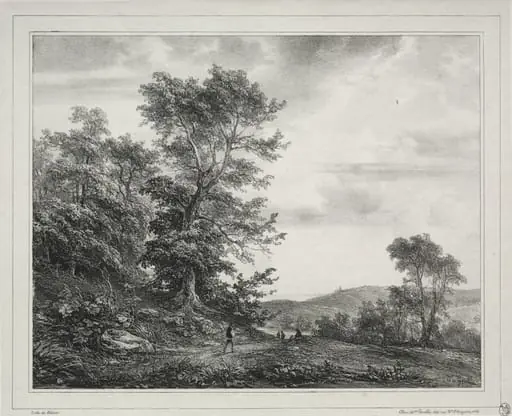
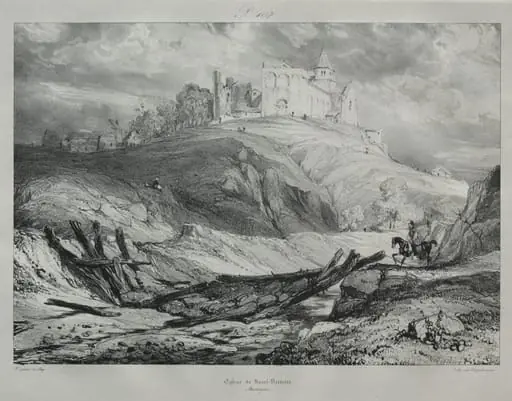
Voyages pittoresques et romantiques dans l'ancienne France. Bretagne: Vue général de Quimper
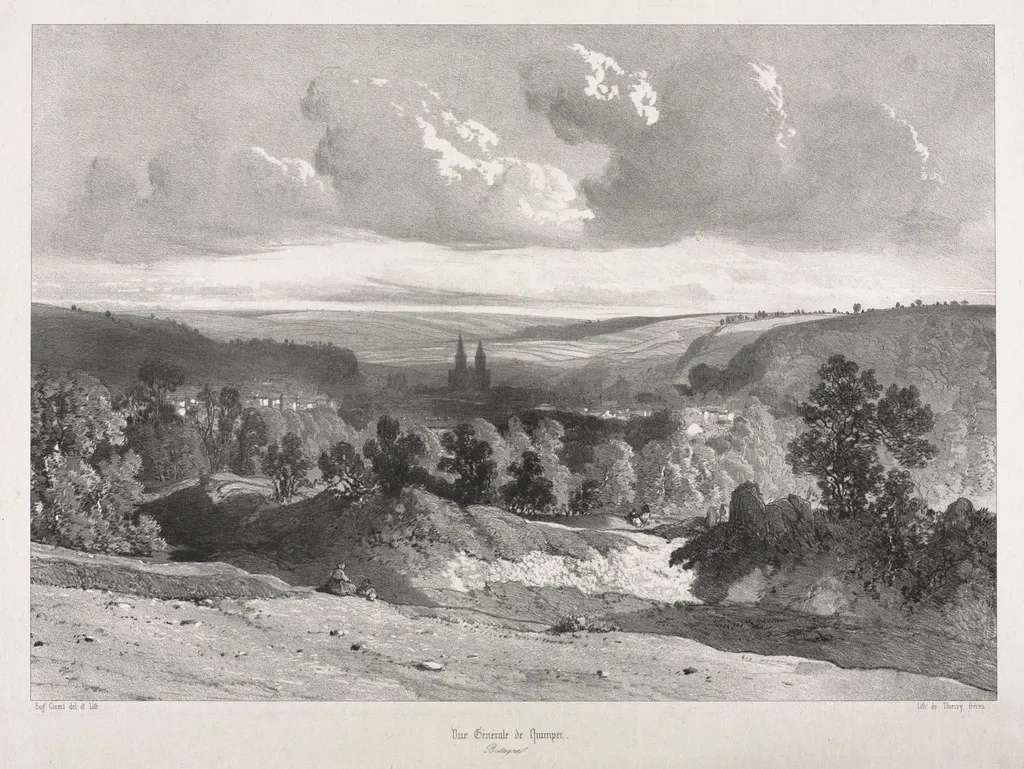
Voyages pittoresques et romantiques dans l'ancienne France. Bretagne: Vue général de Quimper is a print by the Romanticist artist Eugène Ciceri. It dates from 1845 and is held in the collection of the Cleveland Museum of Art. Created around 1845 by Eugène Cicéri, this print is part of a larger series documenting historic regions of France.
About this work
Overview
Created around 1845 by Eugène Cicéri, this print is part of a larger series documenting historic regions of France. It depicts the town of Quimper in Brittany, rendered with attention to atmospheric depth and natural topography. The work resides in the collection of The Cleveland Museum of Art, where it exemplifies 19th-century French topographical printmaking infused with Romantic sensibilities.
Subject & Meaning
The scene presents Quimper as a quiet settlement nestled in a valley, dominated by a church spire and framed by undulating hills. A solitary figure on a rock introduces human presence without narrative, emphasizing solitude and contemplation. The composition prioritizes the emotional weight of the landscape over architectural detail, suggesting nature as a force greater than human habitation.
Technique & Style
Cicéri employed fine linear detail and tonal gradation to render the sky’s turbulent clouds, which resemble churning seas. The contrast between the soft, muted earth tones and the dramatic heavens creates a sense of impending weather. Brushwork and ink handling evoke movement, aligning with Romantic ideals that valued emotional resonance over precise topographical accuracy.
History & Provenance
The print originates from the series Voyages pittoresques et romantiques dans l'ancienne France, commissioned to document France’s historic regions during a period of renewed interest in regional identity. It was likely produced as an engraved plate for publication, later acquired by The Cleveland Museum of Art as part of its 19th-century European graphic arts collection.
Context
Produced during the height of Romanticism, the work reflects broader cultural trends favoring nature as a vessel for emotion and national memory. Artists like Cicéri responded to industrialization and political change by idealizing rural landscapes, positioning them as repositories of authentic French heritage and spiritual depth.
Legacy
Cicéri’s print contributes to a visual archive that shaped perceptions of Brittany as a land of wild beauty and historical continuity. While not widely known today, such works influenced later landscape traditions and remain valuable for understanding how 19th-century viewers imagined their relationship to the past and the natural world.
Own this work as a print
Artist & collection
Artist
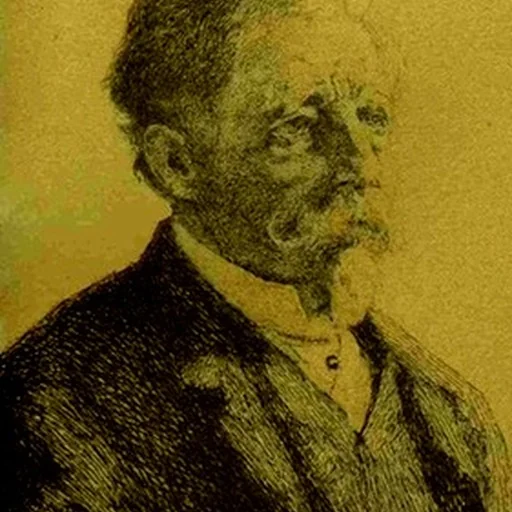
Étienne Eugène Cicéri (27 January 1813 – 20 April 1890) was a French painter, illustrator, engraver and theatrical designer.

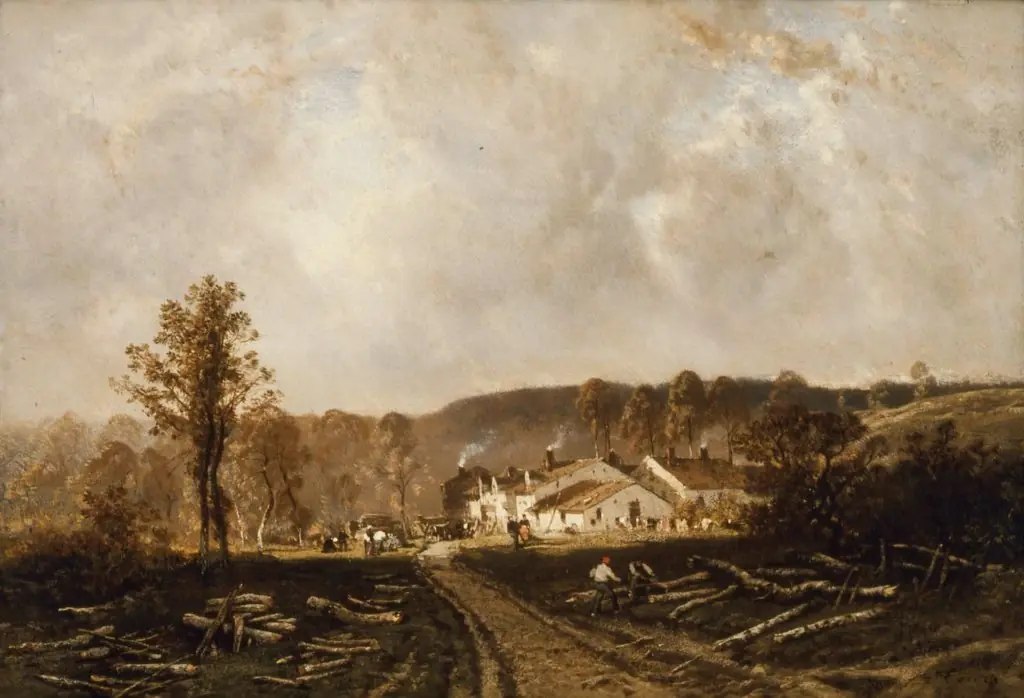 Village of Bouron
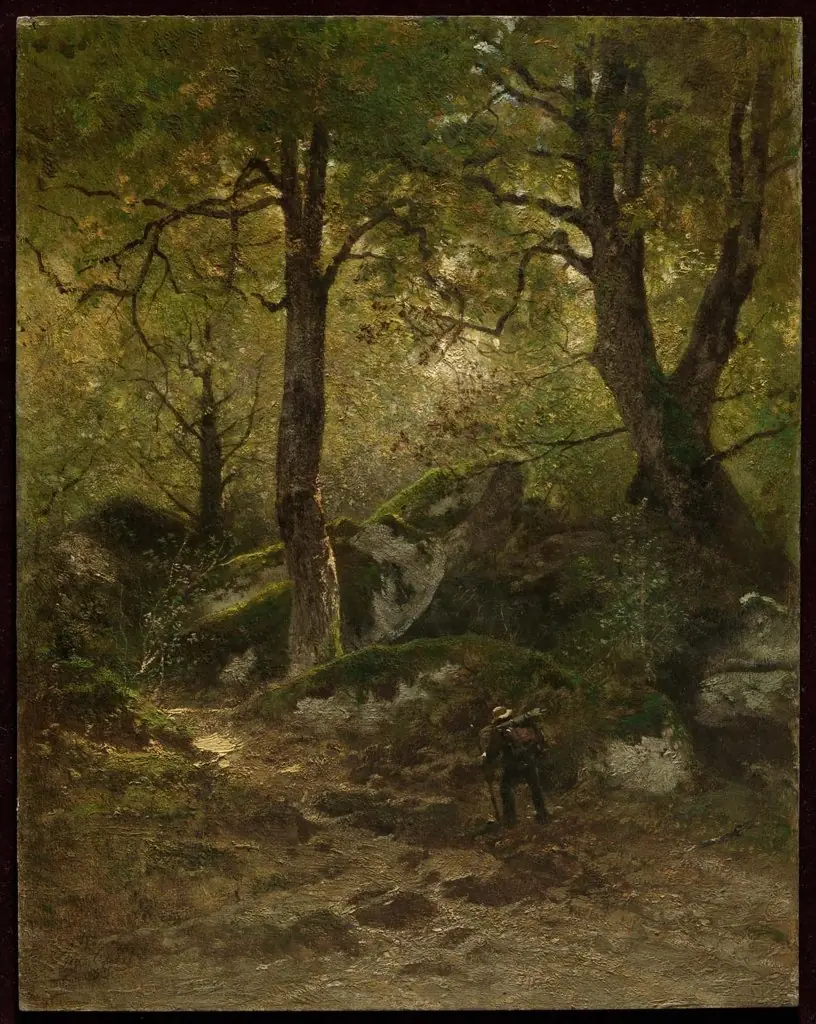 Artist in the Gorge aux Loups, Forest of Fontainebleau
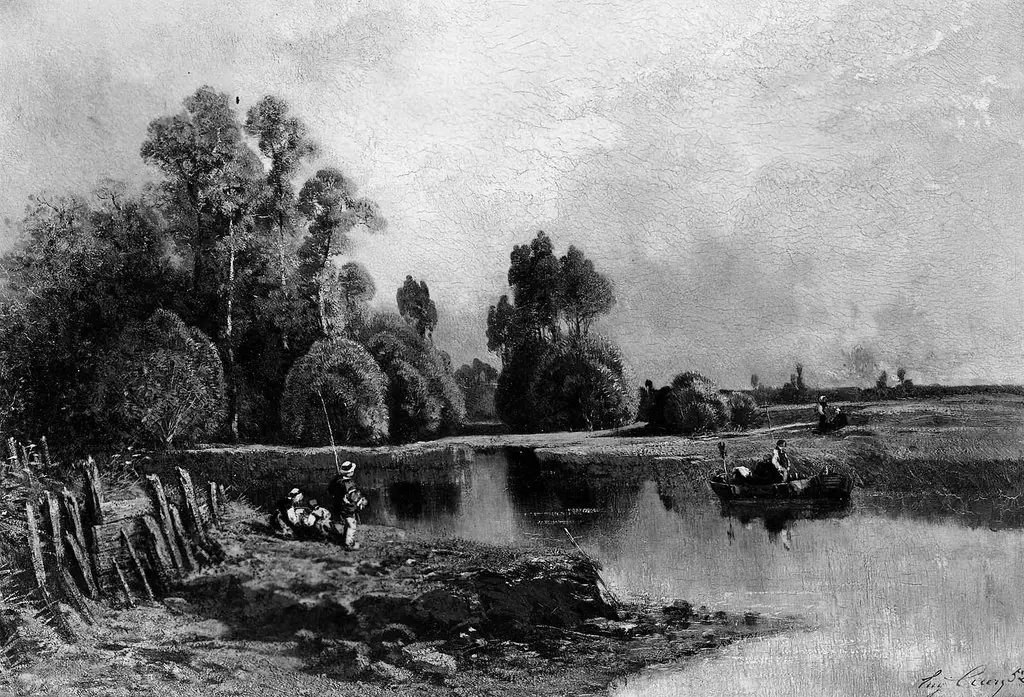 On the Loing River
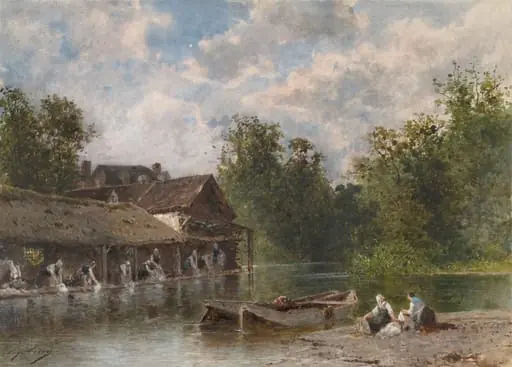 Les Lavandières (Washerwomen)
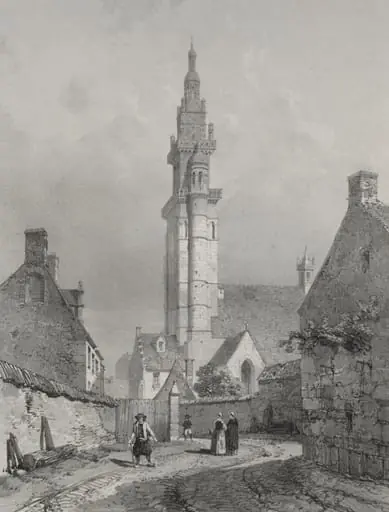 Voyages pittoresques et romantiques dans l'ancienne France. Bretagne: Eglise de Roscoff
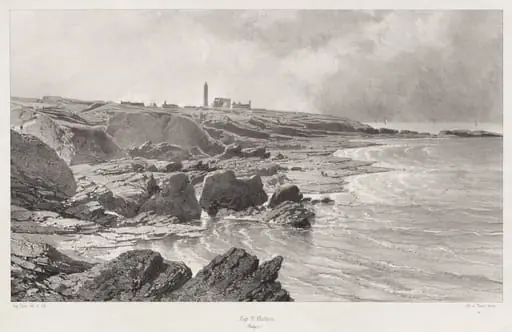 Cap St. Mathieu
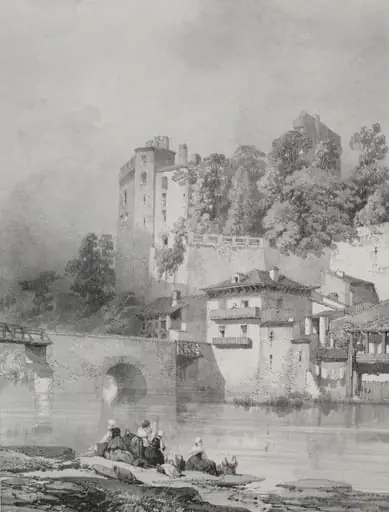 Voyages pittoresques et romantiques dans l'ancienne France. Bretagne: Chateau de Clisson
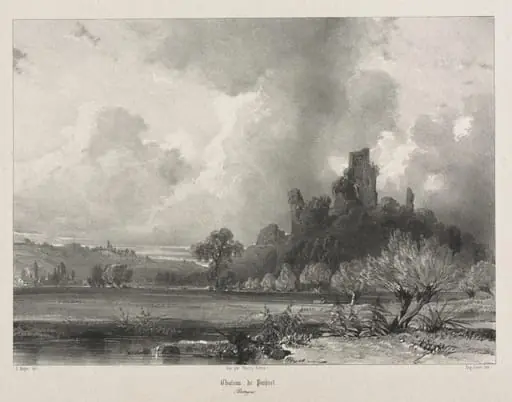 Voyages pittoresques et romantiques dans l'ancienne France. Bretagne: Chateau de Penhoet