Artwork
On the Loing River
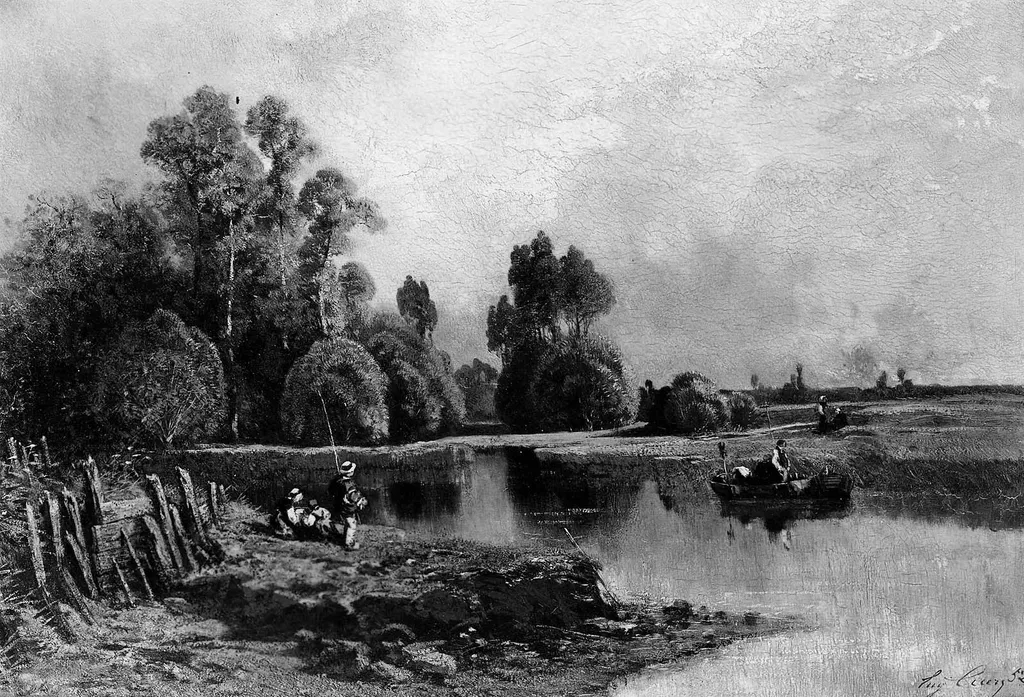
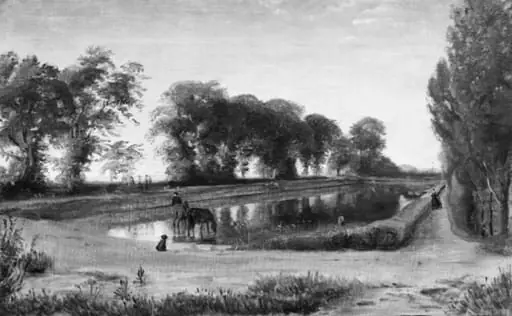
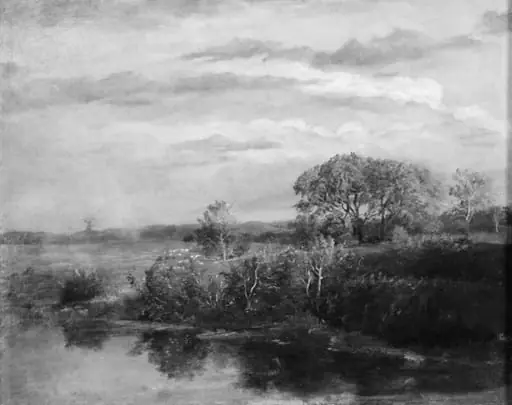
On the Loing River is an unspecified painting by the Barbizon school artist Eugène Ciceri. It dates from 1852 and is held in the collection of the Museum of Fine Arts Boston.
About this work
Overview
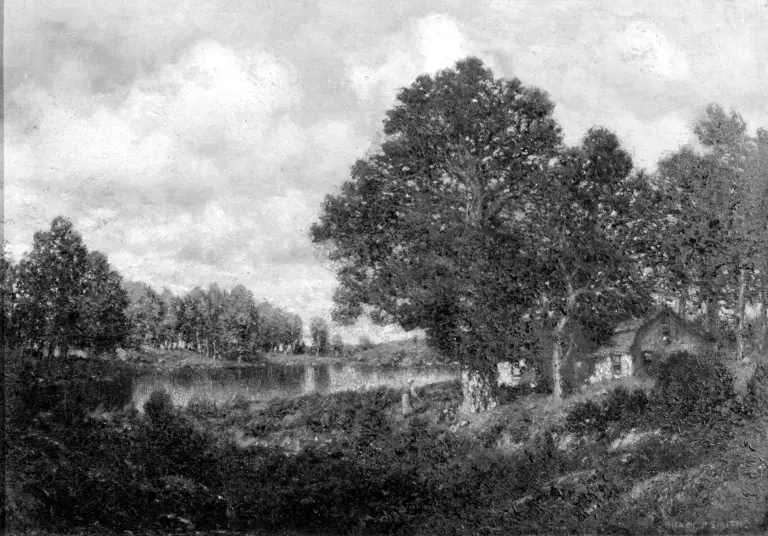
Painted in 1852 by French artist Étienne Eugène Cicéri, *On the Loing River* is a landscape depicting a quiet stretch of the Loing River in rural France.
Painted in 1852 by French artist Étienne Eugène Cicéri, *On the Loing River* is a landscape depicting a quiet stretch of the Loing River in rural France. Though less widely known than some of his contemporaries, Cicéri aligned with the Barbizon School’s commitment to observing nature directly. The work exemplifies mid-19th-century French landscape painting through its restrained palette and attention to atmospheric detail, now held in the Museum of Fine Arts, Boston.
Subject & Meaning
The painting presents an unidealized view of the French countryside, with the Loing River winding through a modest riverside setting. Small figures—likely local laborers or travelers—engage in quiet, everyday tasks, grounding the scene in lived experience. There is no narrative drama; instead, the emphasis lies in the stillness of the environment and the subtle interplay between human presence and natural rhythm, reflecting a broader cultural appreciation for rural life.
Technique & Style
Cicéri employs soft, muted tones and delicate brushwork to convey the hazy quality of light filtering through trees and over water. The composition balances dense foliage on the left with the open expanse of the river on the right, creating visual harmony without symmetry. His approach avoids dramatic contrasts, favoring gradual transitions in tone and texture that evoke a sense of calm, consistent with the Barbizon School’s rejection of theatricality in favor of observed truth.
History & Provenance
Created during the height of the Barbizon movement, the painting entered the collection of the Museum of Fine Arts, Boston, in the late 19th or early 20th century, likely through acquisitions focused on European landscape traditions. Its presence in the museum underscores the institution’s early interest in French realist painting. No significant alterations or documented restorations are recorded, preserving its original condition and intent.
Context
In the 1850s, French artists increasingly turned away from academic history painting to depict the natural world as it appeared, often in remote or unremarkable locales. The Loing River, near the village of Barbizon, became a favored subject for painters seeking authenticity. Cicéri’s work fits within this trend, participating in a broader shift toward landscape as a subject worthy of serious artistic attention, independent of myth or allegory.
Legacy
While Cicéri did not achieve the same prominence as Corot or Millet, his work contributes to the collective record of the Barbizon School’s influence on later movements, including Impressionism. *On the Loing River* remains a quiet testament to the period’s dedication to observing nature with humility and precision. It continues to serve as a reference point for understanding the evolution of French landscape painting beyond its most celebrated figures.
Artist & collection
Artist
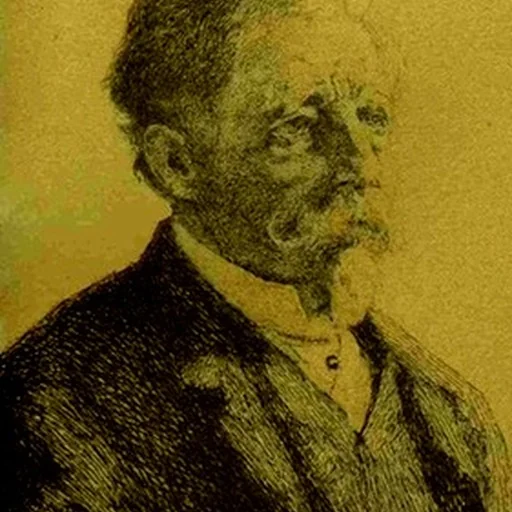
Étienne Eugène Cicéri (27 January 1813 – 20 April 1890) was a French painter, illustrator, engraver and theatrical designer.

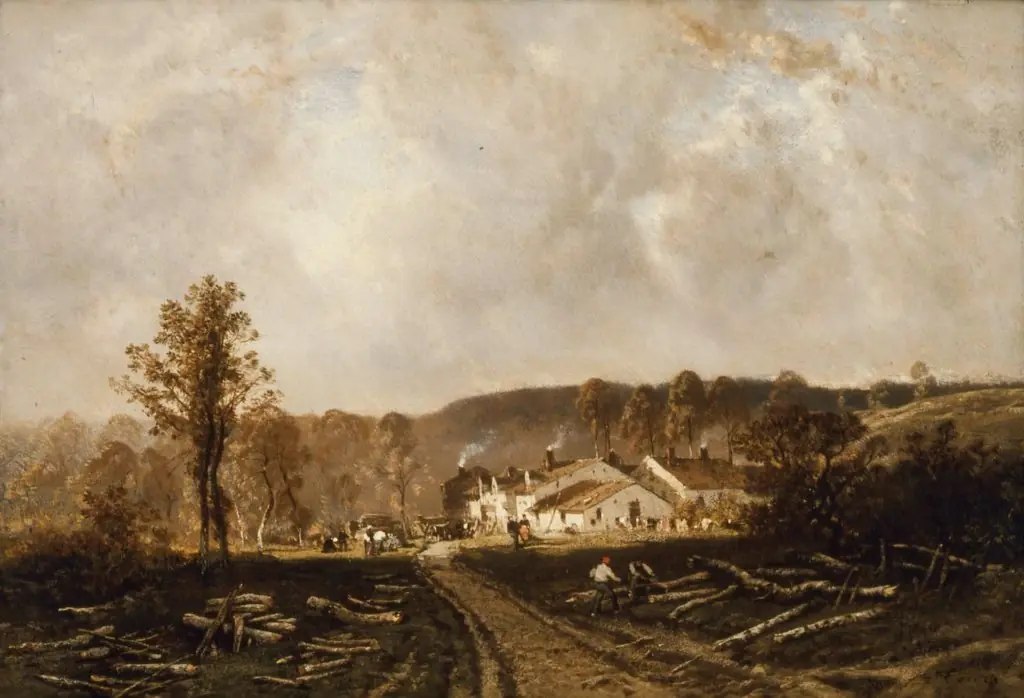 Village of Bouron
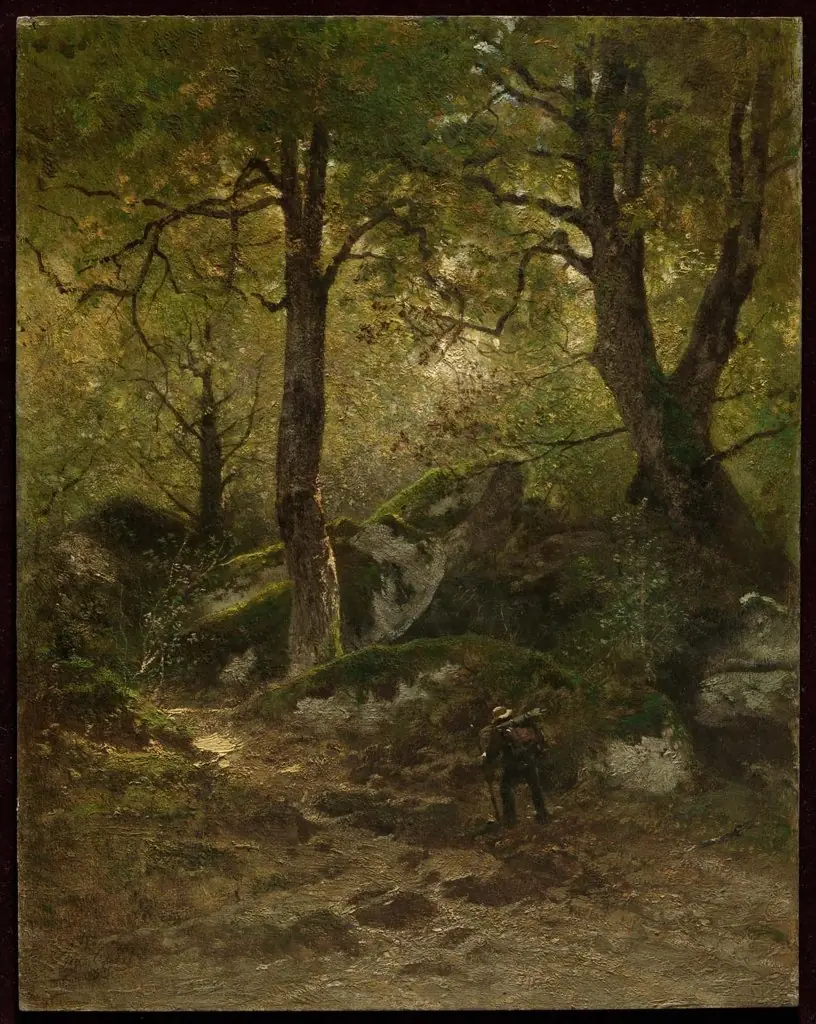 Artist in the Gorge aux Loups, Forest of Fontainebleau
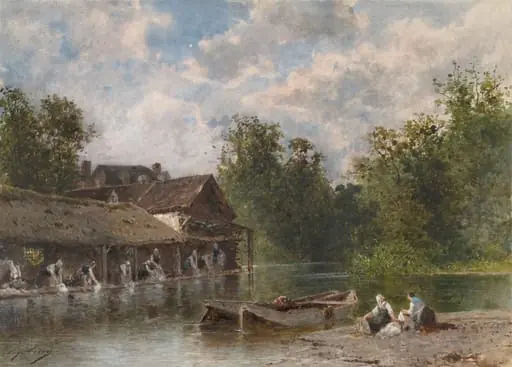 Les Lavandières (Washerwomen)
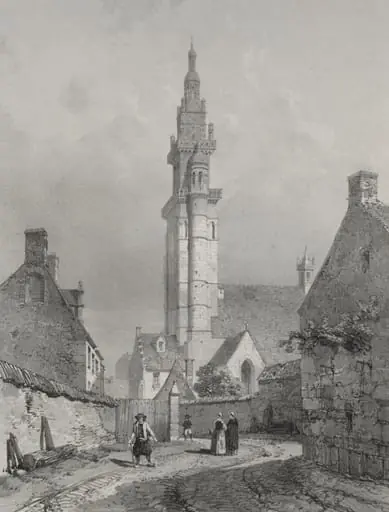 Voyages pittoresques et romantiques dans l'ancienne France. Bretagne: Eglise de Roscoff
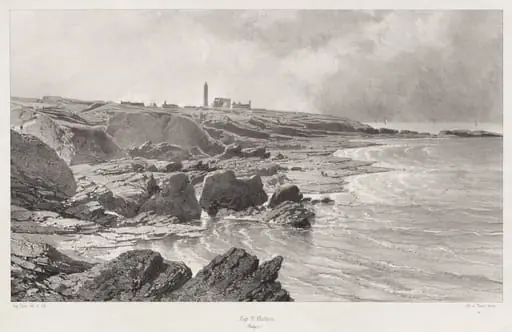 Cap St. Mathieu
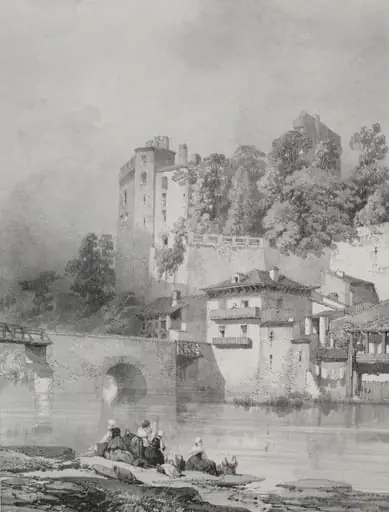 Voyages pittoresques et romantiques dans l'ancienne France. Bretagne: Chateau de Clisson
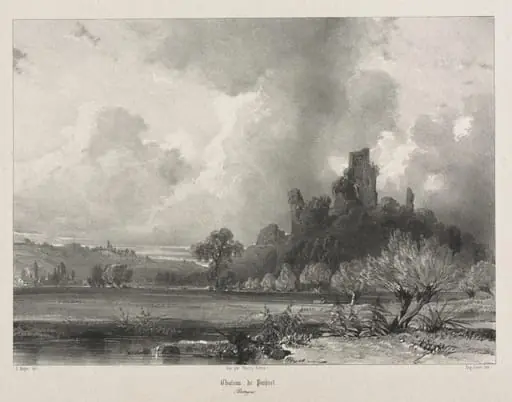 Voyages pittoresques et romantiques dans l'ancienne France. Bretagne: Chateau de Penhoet
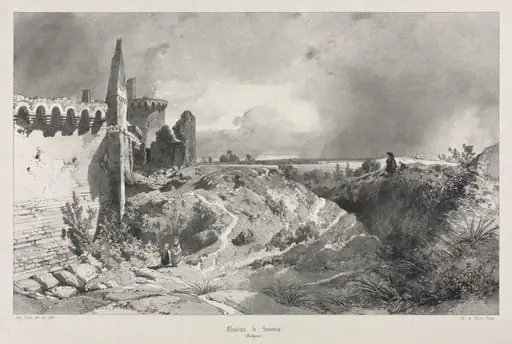 Voyages pittoresques et romantiques dans l'ancienne France. Bretagne: Chateau de Susinio