Artwork
Moroccan Horseman Crossing a Ford
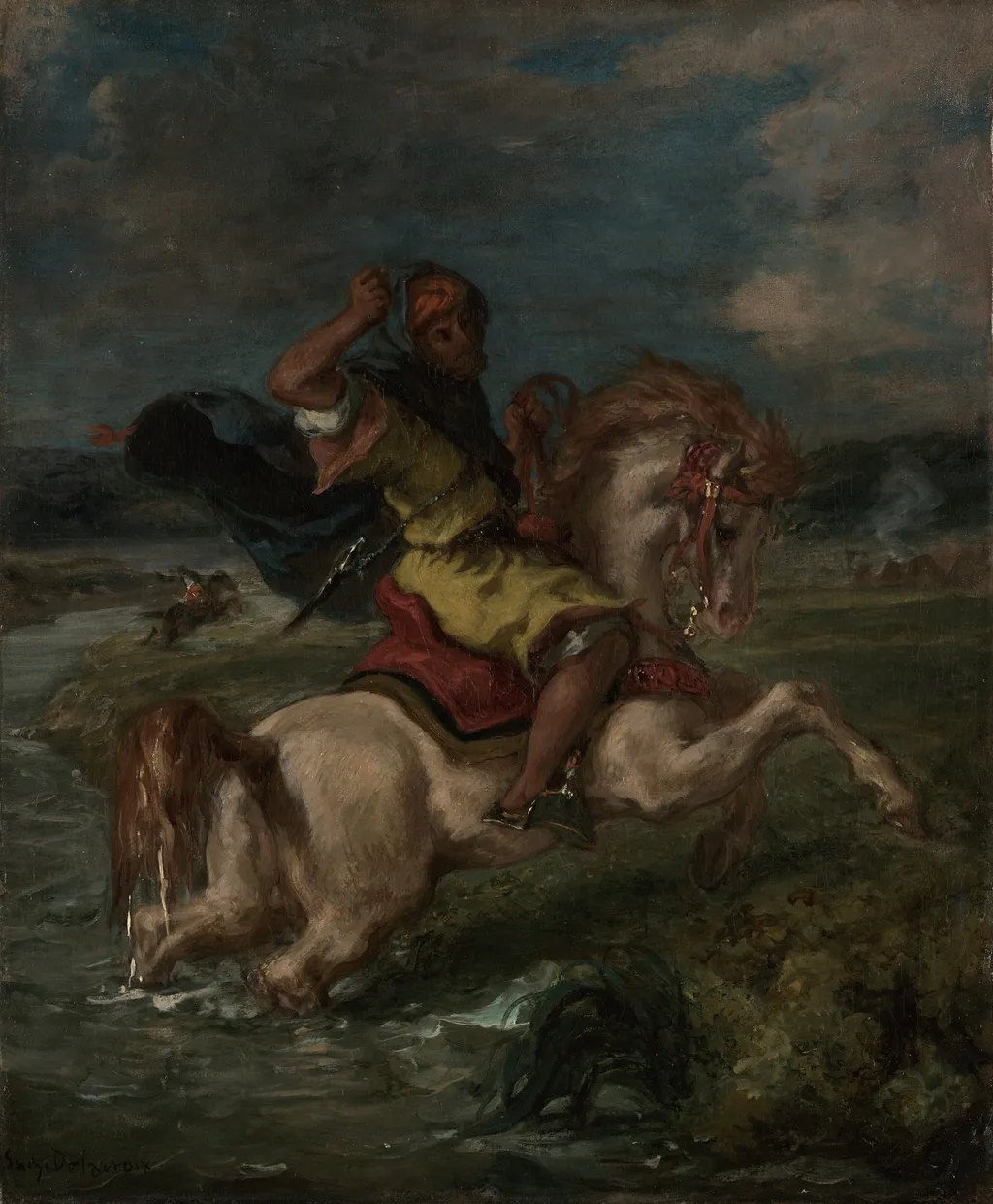
Moroccan Horseman Crossing a Ford is an oil painting by Eugène Delacroix. It dates from 1850 and is held in the collection of the J. Paul Getty Museum.
About this work
Overview
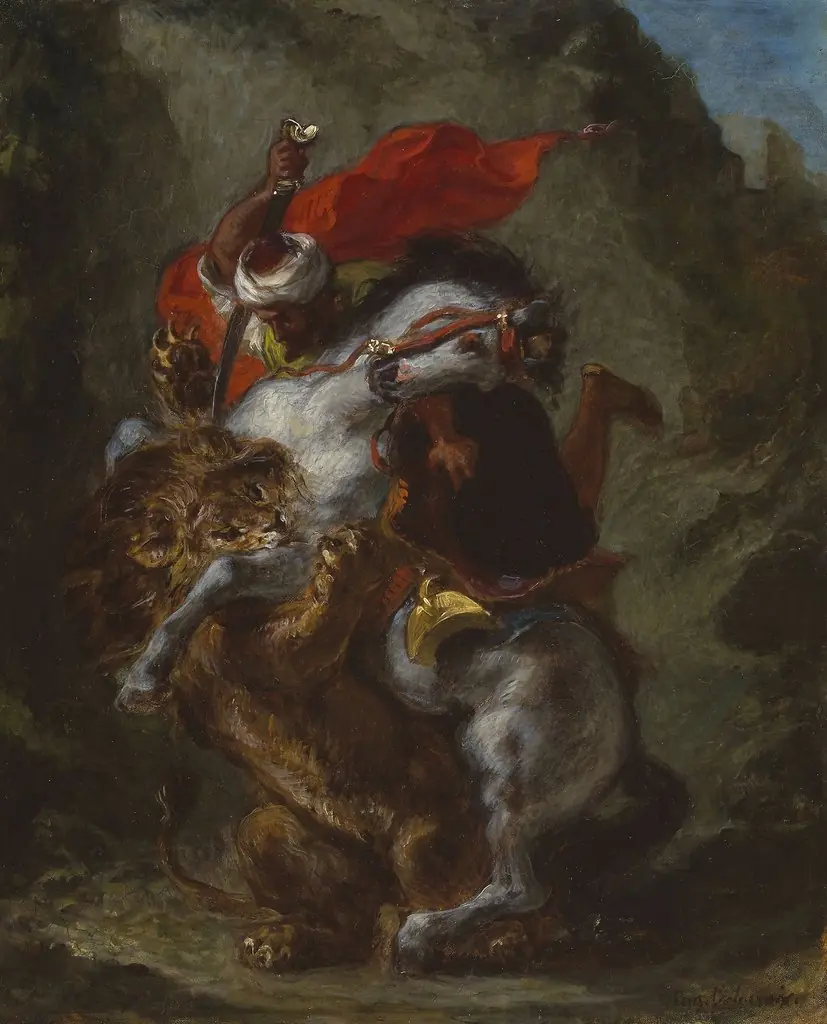
Moroccan Horseman Crossing a Ford is an oil painting created by French Romantic artist Eugène Delacroix around 1850, characterized by its vivid depiction of a horse and rider in motion.
Subject & Meaning
The painting captures a dynamic moment of a horseman, dressed in attire suggestive of North African or Middle Eastern origin, guiding his horse through a ford. The scene embodies Delacroix's penchant for romanticized, dramatic subjects.
Technique & Style
Delacroix's emphasis on color and light drives the composition, conveying a sense of energy and movement. The style reflects influences from Rubens and the Venetian Renaissance, contrasting with classical ideals of precision.
History & Provenance
Created circa 1850, the painting is now part of the J. Paul Getty Museum's collection.
Context
Part of the broader French Romantic movement, the work showcases Delacroix's unique approach within this artistic era, prioritizing emotional intensity over formal restraint.
Legacy
While specific lasting impacts of *Moroccan Horseman Crossing a Ford* are not widely documented, it contributes to Delacroix's overall legacy as a pioneer of expressive, color-driven Romantic painting.
Own this work as a print
Artist & collection
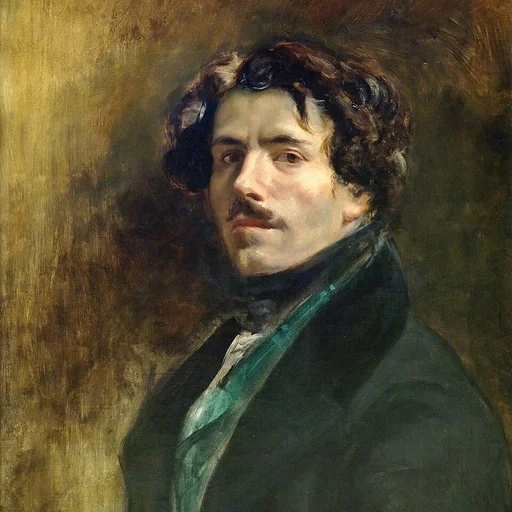
Artist
Ferdinand Victor Eugène Delacroix ( DEL-ə-krwah, -KRWAH; French: ; 26 April 1798 – 13 August 1863) was a French Romantic artist who was regarded as the leader of the French Romantic school.