Artwork
Flight into Egypt
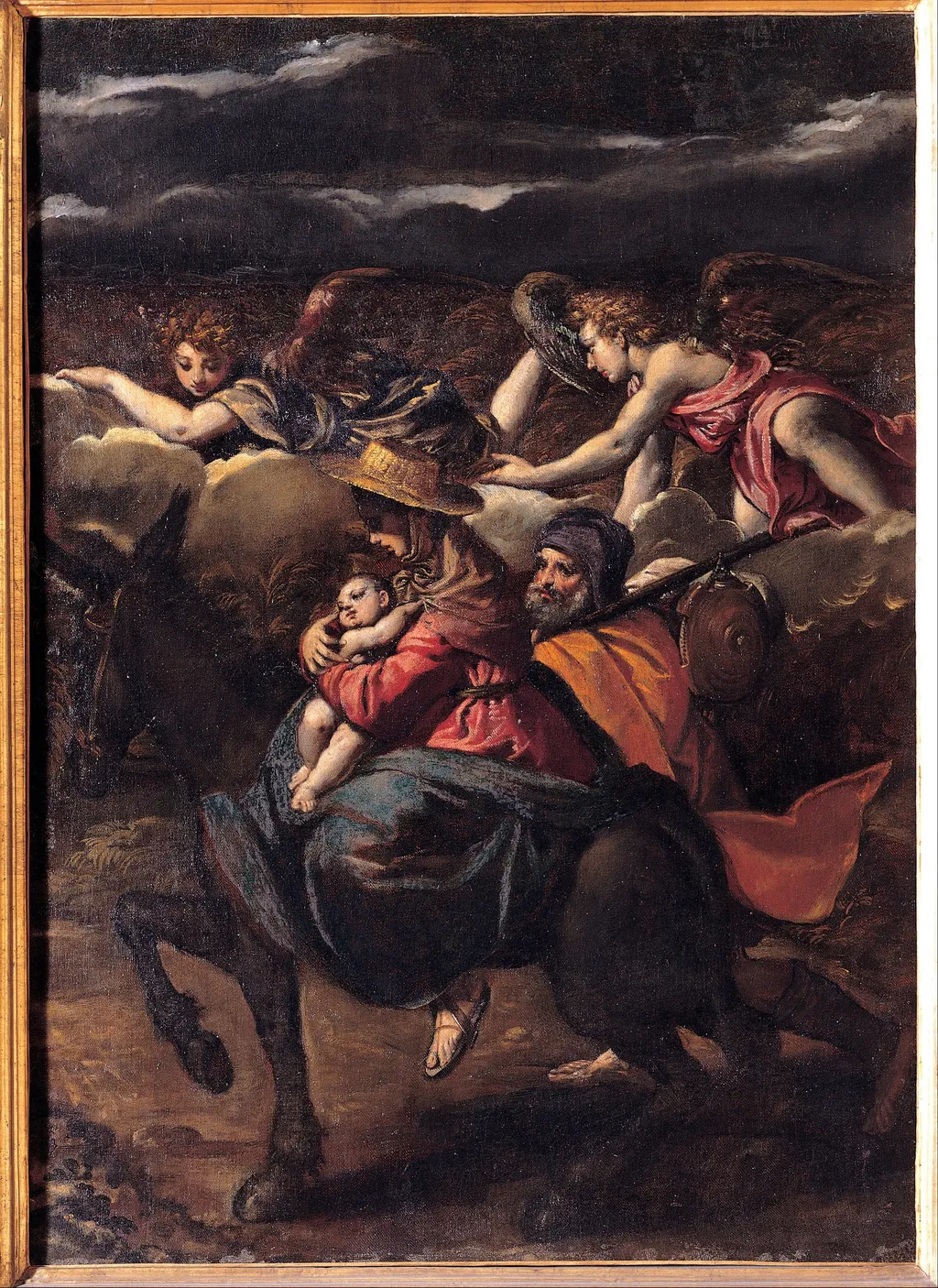
Flight into Egypt is an oil painting by the Mannerist artist Scarsellino. It dates from 1593 and is held in the collection of the Capitoline Museums.
About this work
Overview
Painted in 1593 by Scarsellino, an artist associated with the Ferrarese school, this oil-on-canvas work portrays the biblical Flight into Egypt.
Painted in 1593 by Scarsellino, an artist associated with the Ferrarese school, this oil-on-canvas work portrays the biblical Flight into Egypt. Executed during the late Mannerist period, the painting reflects the era’s preference for expressive composition over naturalism. It is currently part of the Capitoline Museums’ collection in Rome, where it remains a representative example of regional Renaissance painting from northern Italy.
Subject & Meaning
The scene illustrates the Holy Family’s escape from Bethlehem, fleeing King Herod’s massacre of infants. Joseph, mounted on a donkey and clad in a red robe and purple turban, glances backward as if aware of impending danger. Above, two angels hover, arms outstretched—symbols of divine guidance. The infant Jesus, naked and vulnerable, underscores the fragility of their journey, while the stormy sky suggests both peril and spiritual intervention.
Technique & Style
Scarsellino employs oil paint to build layered textures, particularly in the rocky terrain and atmospheric clouds. Figures are elongated and posed with deliberate theatricality, typical of Mannerism. The landscape, rendered with meticulous detail, dominates the composition, contrasting with the smaller, stylized human forms. The use of chiaroscuro enhances the drama, while the unnatural sky and spatial ambiguity reflect a departure from Renaissance harmony.
History & Provenance
Commissioned or created in 1593, the painting entered the Capitoline Museums’ holdings in the early modern period, likely through ecclesiastical or noble collection. Its continuous presence in Rome suggests it was valued for its devotional content and regional artistic merit. No major alterations or restorations are documented, preserving its original Mannerist character and surface integrity.
Context
In late 16th-century Ferrara, artists like Scarsellino responded to Counter-Reformation demands for emotionally resonant religious imagery. While Rome and Florence embraced emerging Baroque naturalism, Ferrara retained Mannerist tendencies—emphasizing elegance, tension, and symbolic complexity. This work aligns with regional trends that prioritized spiritual narrative over anatomical accuracy, catering to devotional audiences seeking awe and reassurance.
Legacy
Though not widely known beyond Italian art circles, Scarsellino’s *Flight into Egypt* exemplifies the persistence of Mannerist aesthetics in provincial centers after the High Renaissance. Its focus on landscape as emotional backdrop influenced later regional painters. The painting remains a quiet testament to the Ferrarese school’s ability to blend biblical storytelling with atmospheric introspection, distinct from the grander narratives of central Italian contemporaries.
Artist & collection
Artist
Scarsellino or Ippolito Scarsella (1550 (or 1551) – 28 October 1620) was an Italian mid-to-late sixteenth century reformist painter and one of the most important representatives of the School of Ferrara.

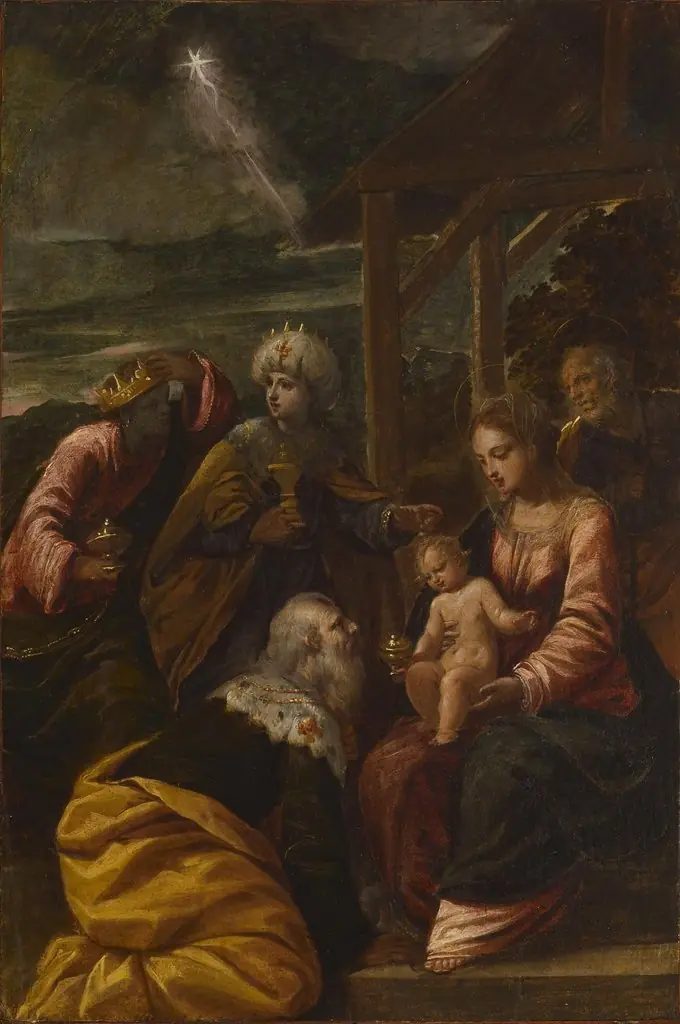
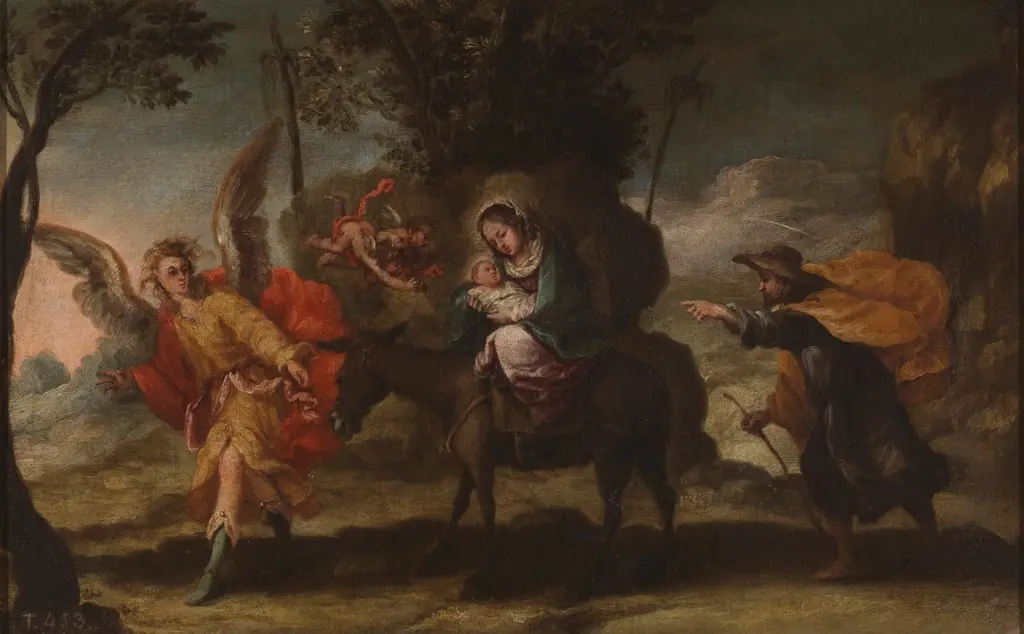 The Flight into Egypt
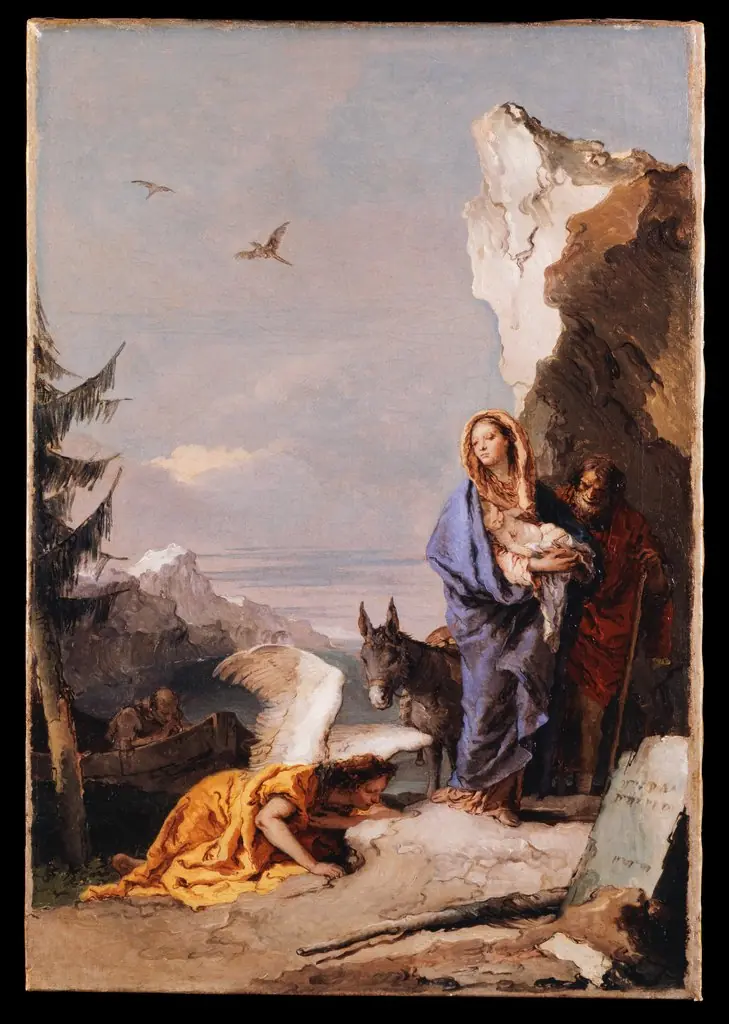 The Flight into Egypt
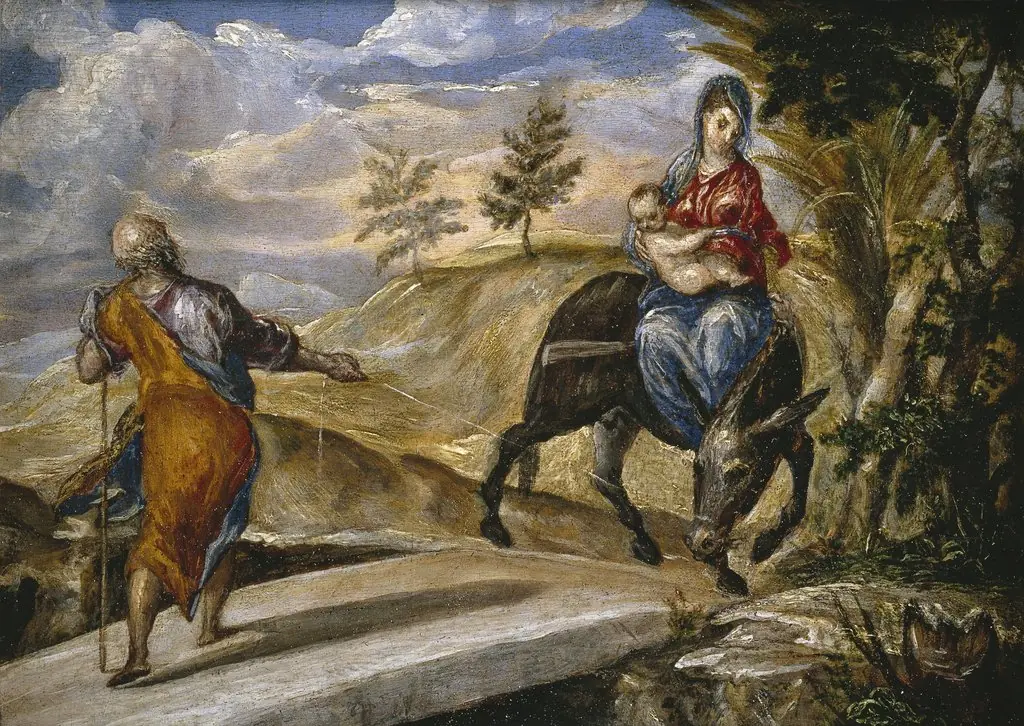 The Flight into Egypt
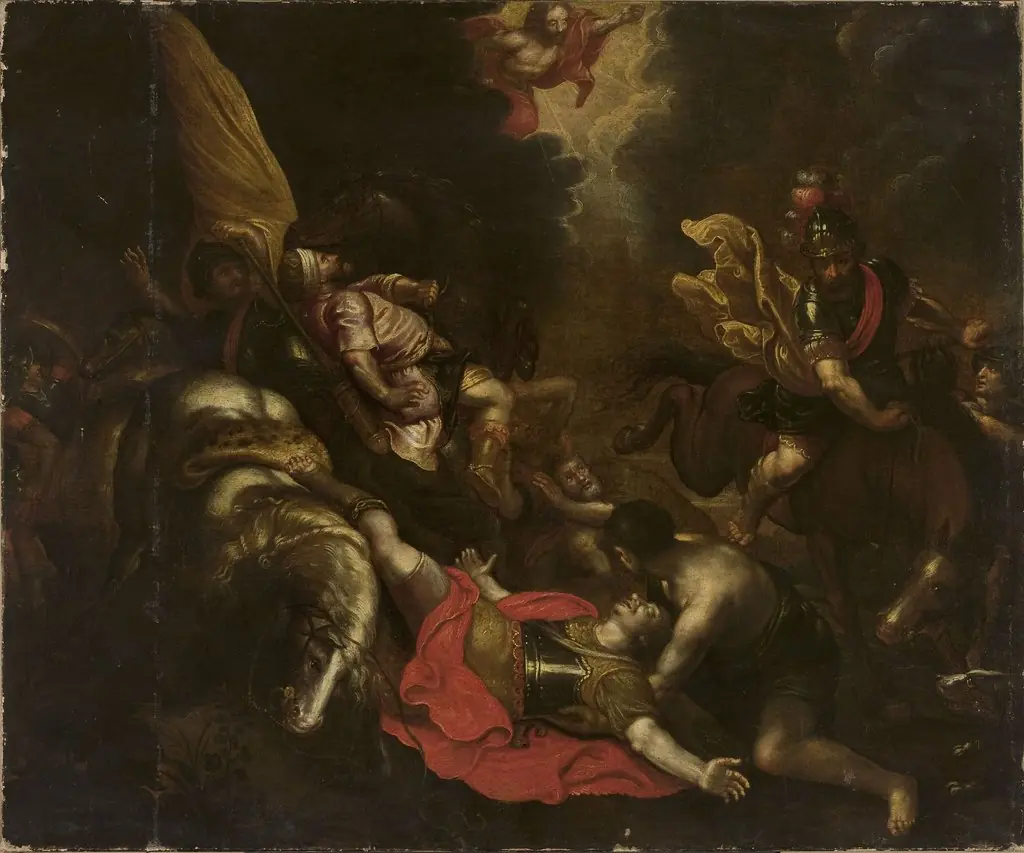 Conversion of St. Paul (Acts 9:3-6)
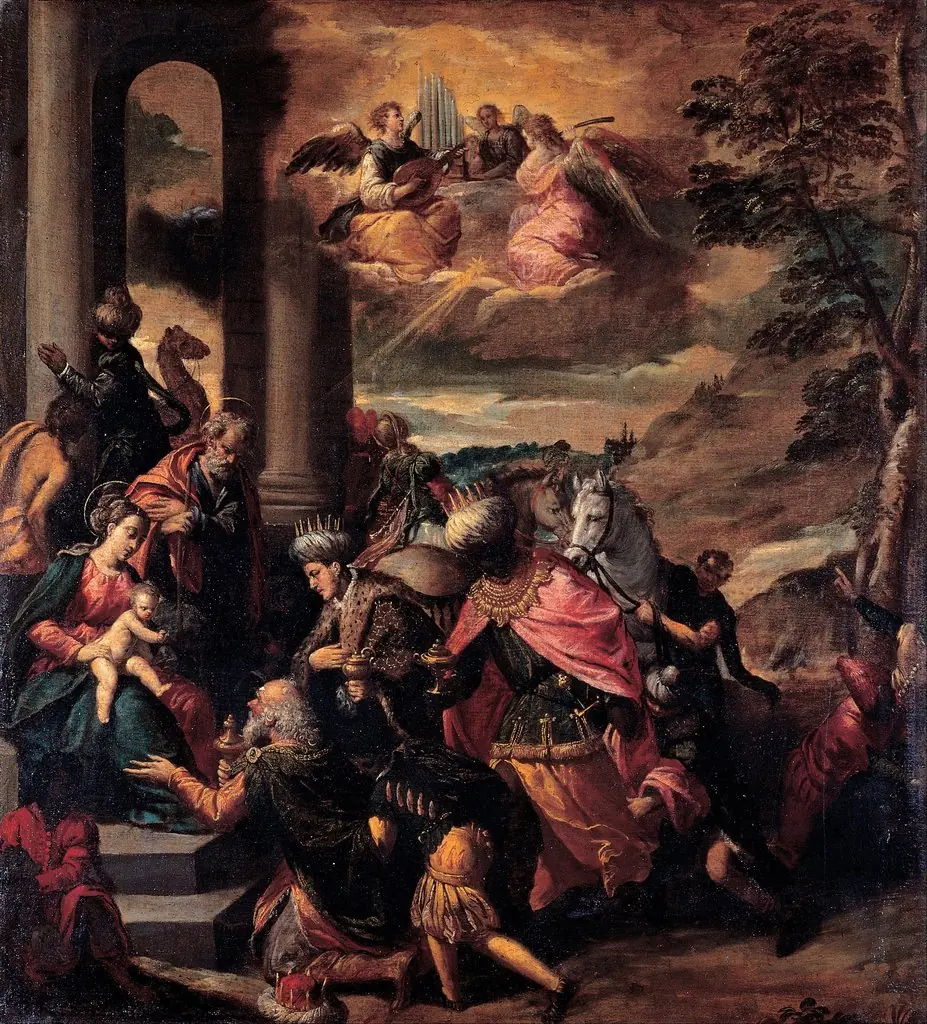 Adoration of the Magi
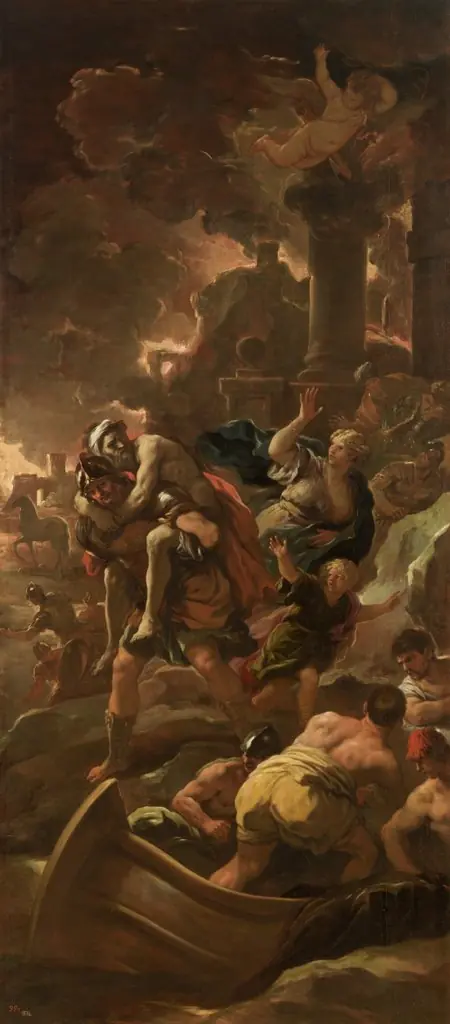 Eneas, fugitivo con su familia
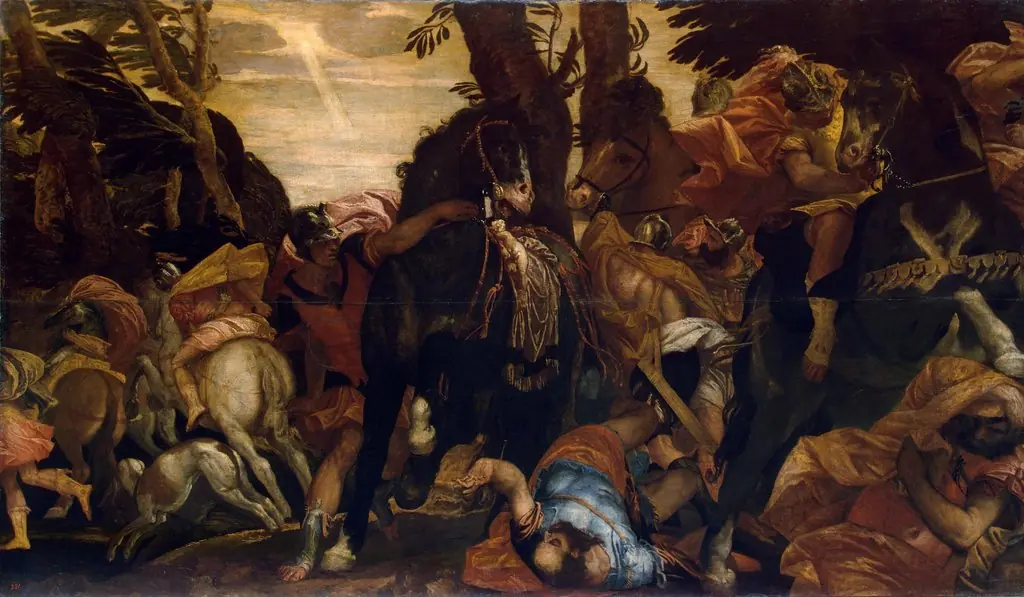 Conversion of Saul
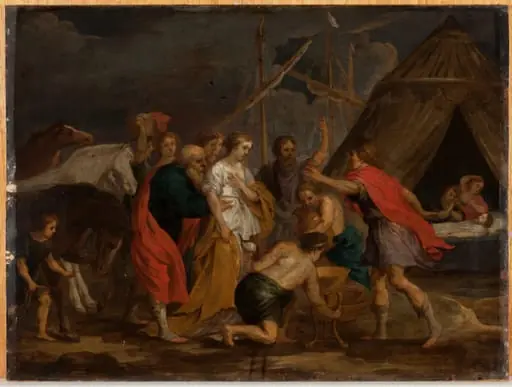 Heimkehr der Briseis
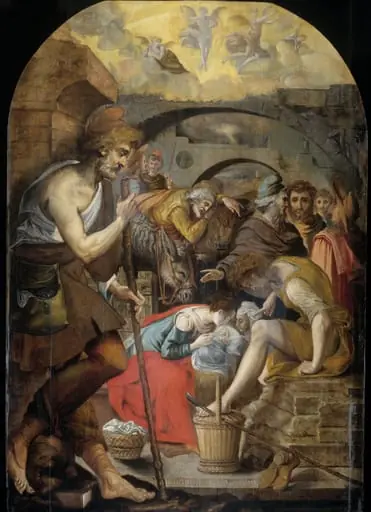 The Adoration of the Shepherds
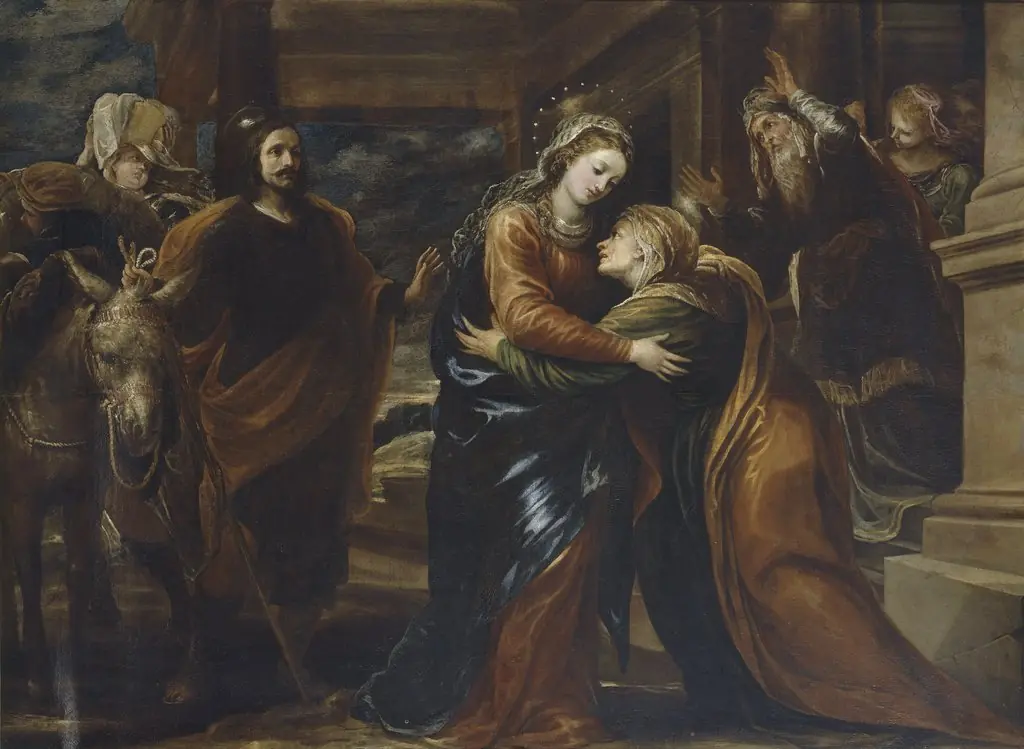 La Visitación
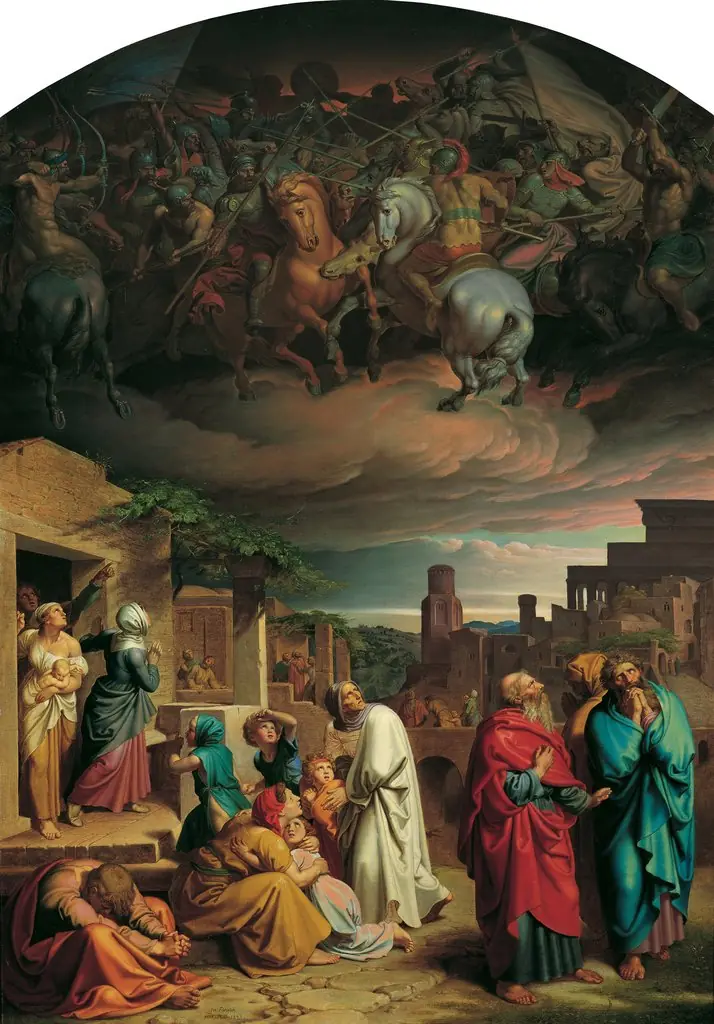 Vision of the Inhabitants of Jerusalem Before the Conquest of the City by Antiochus IV Epiphanes
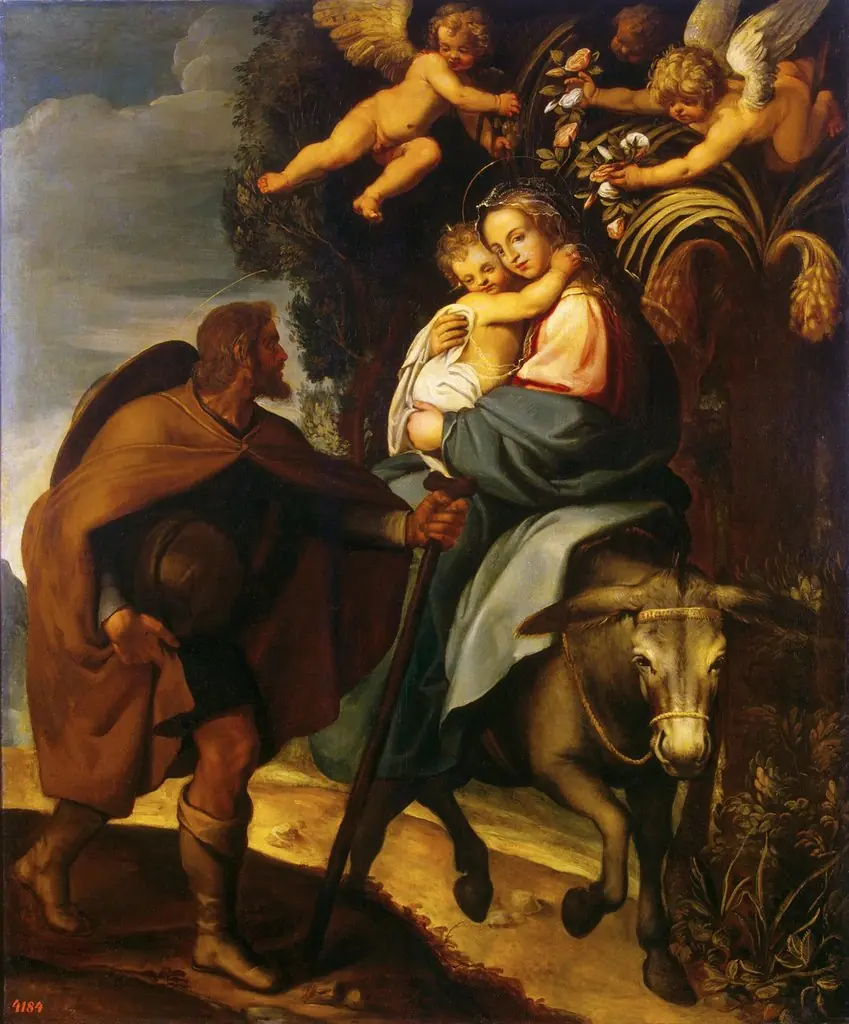 Flight into Egypt