Artwork
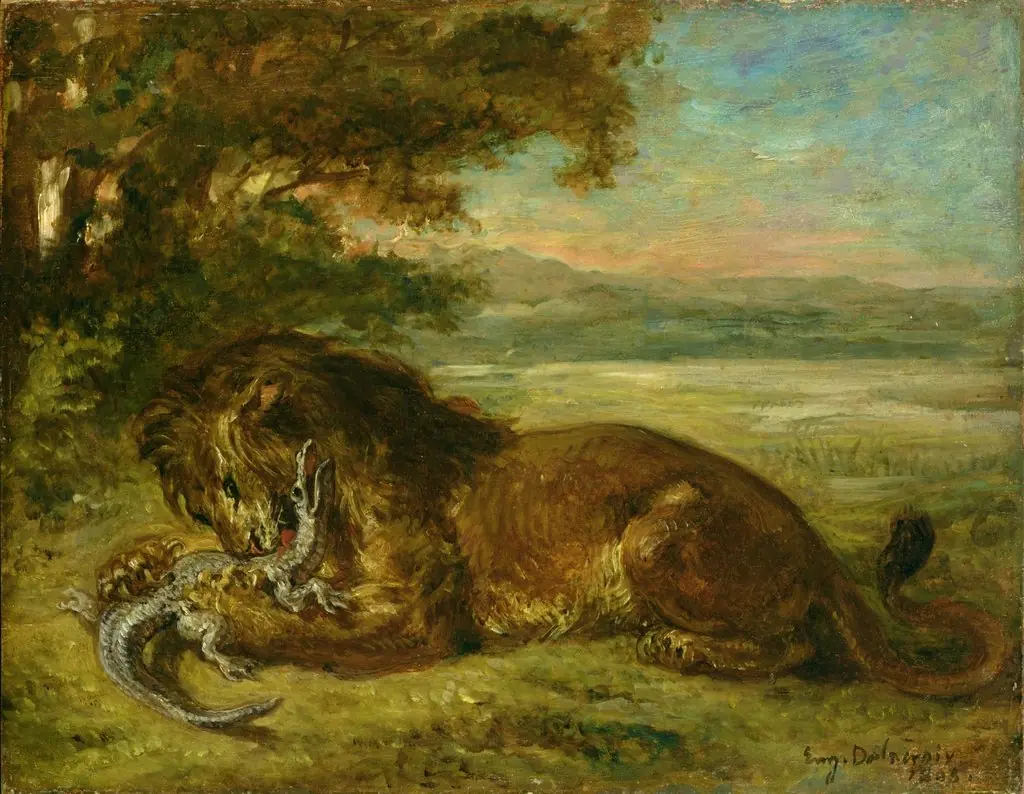
Lion et Crocodile
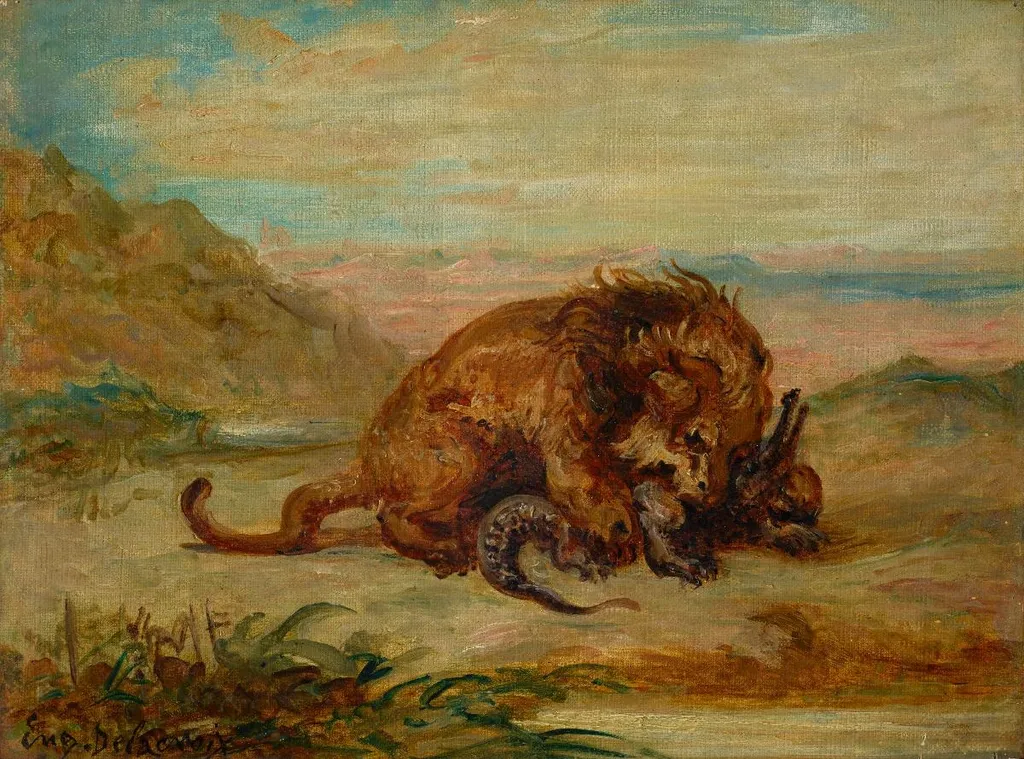
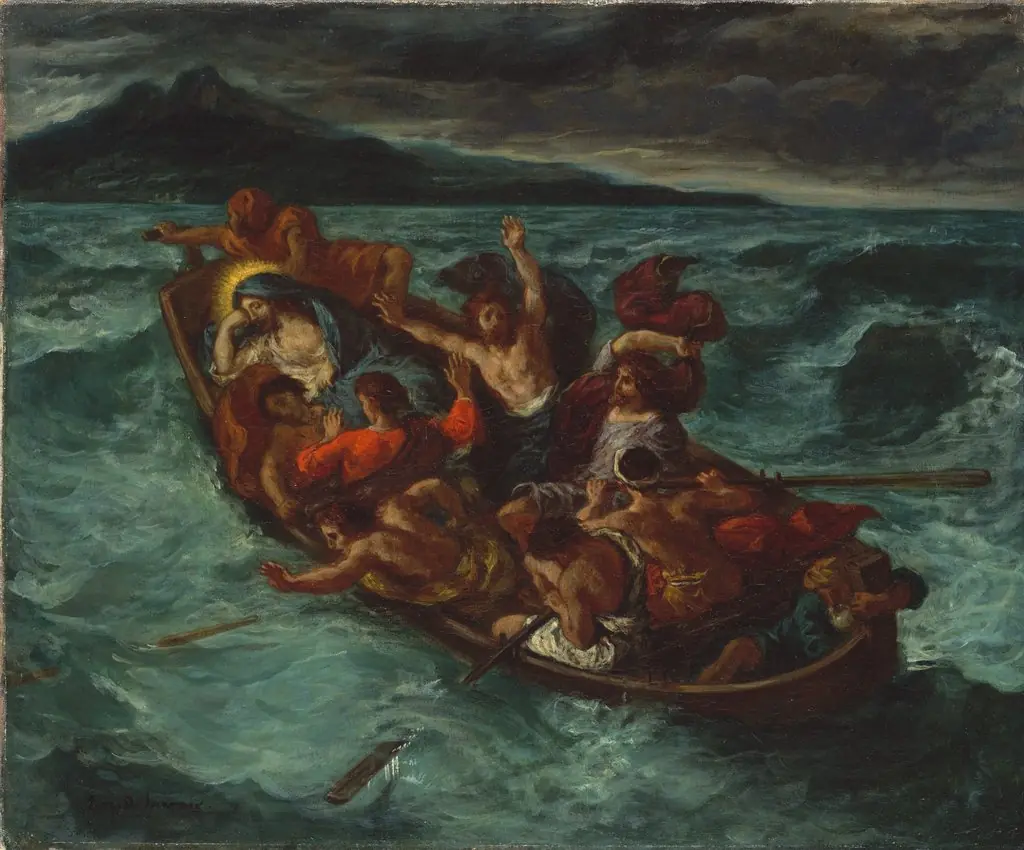
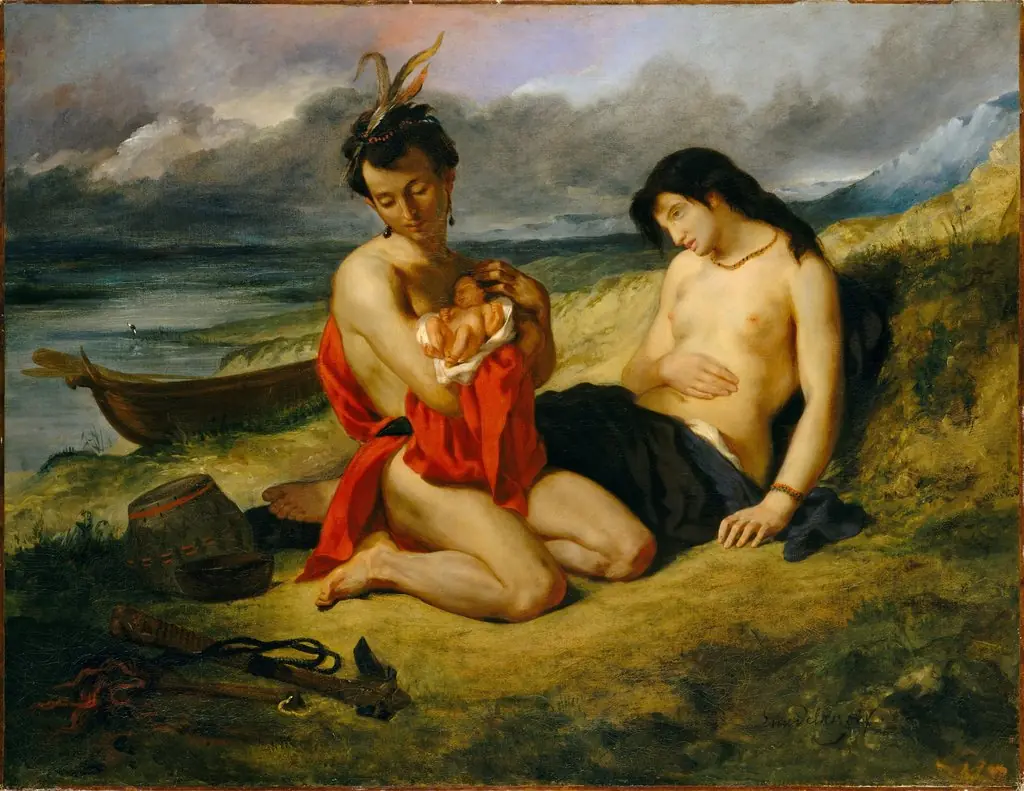
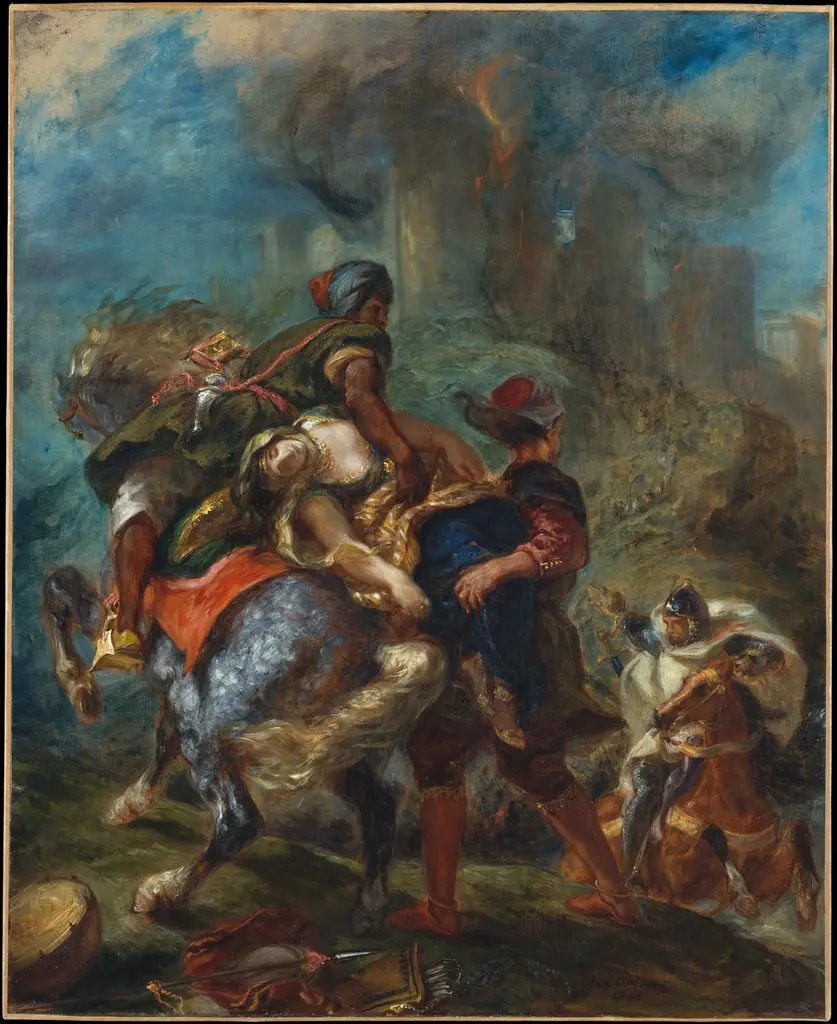
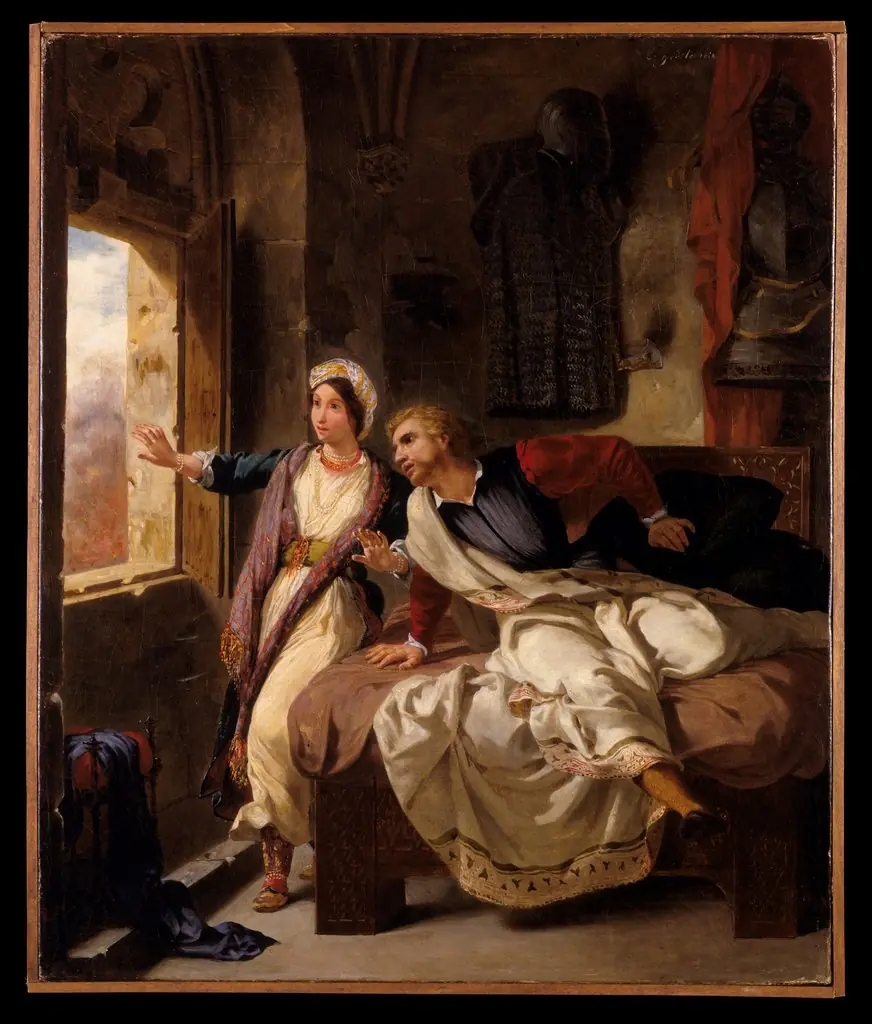
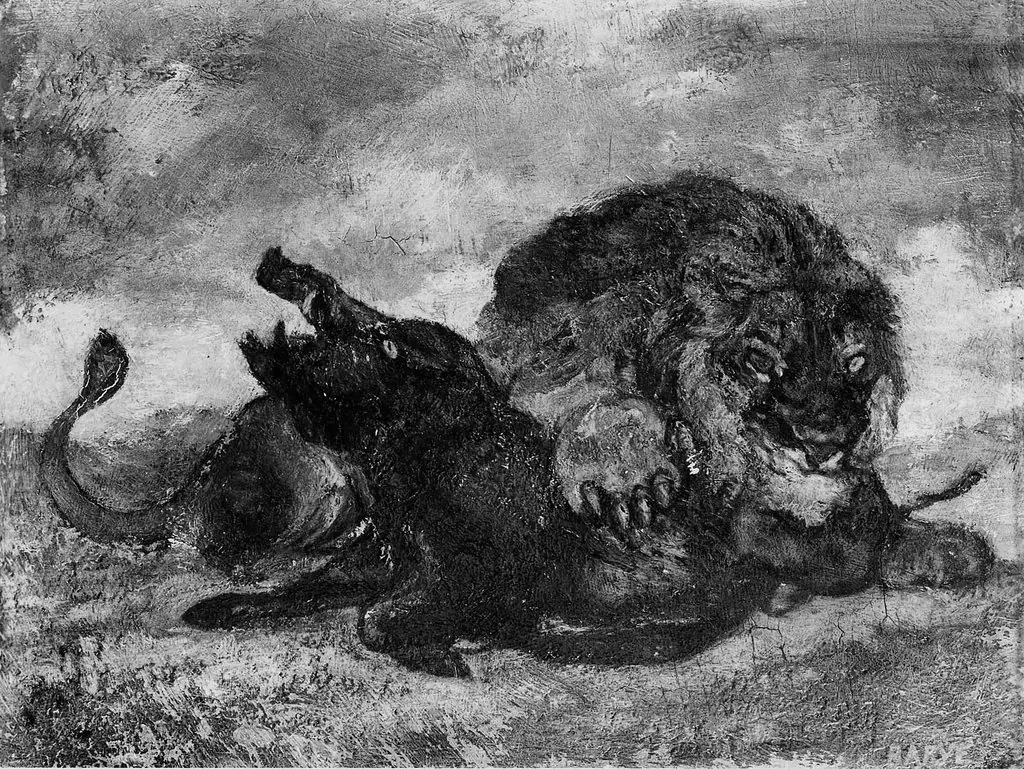
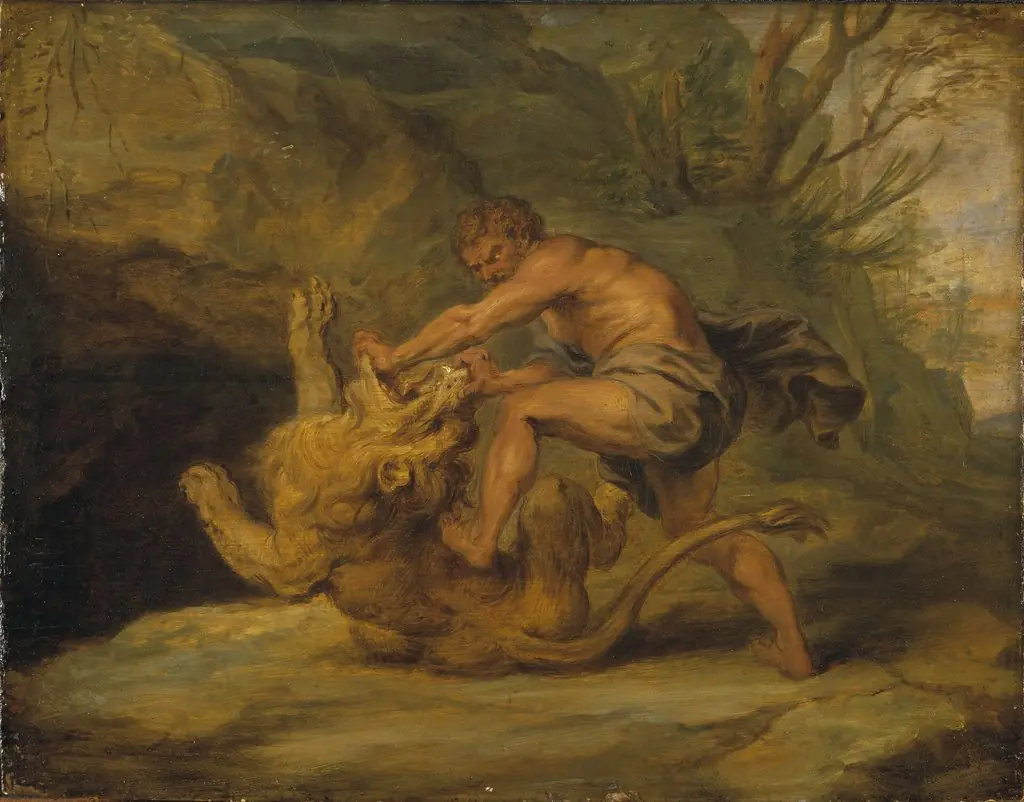
Lion et Crocodile is an oil painting by the French Romanticist artist Eugène Delacroix. It dates from 1840 and is held in the collection of the Kunsthaus Zürich.
About this work
Overview
Lion et Crocodile, an oil painting created by Eugène Delacroix around 1840, exemplifies the French Romantic movement's emphasis on expressive emotion and dynamic movement.
Subject & Meaning
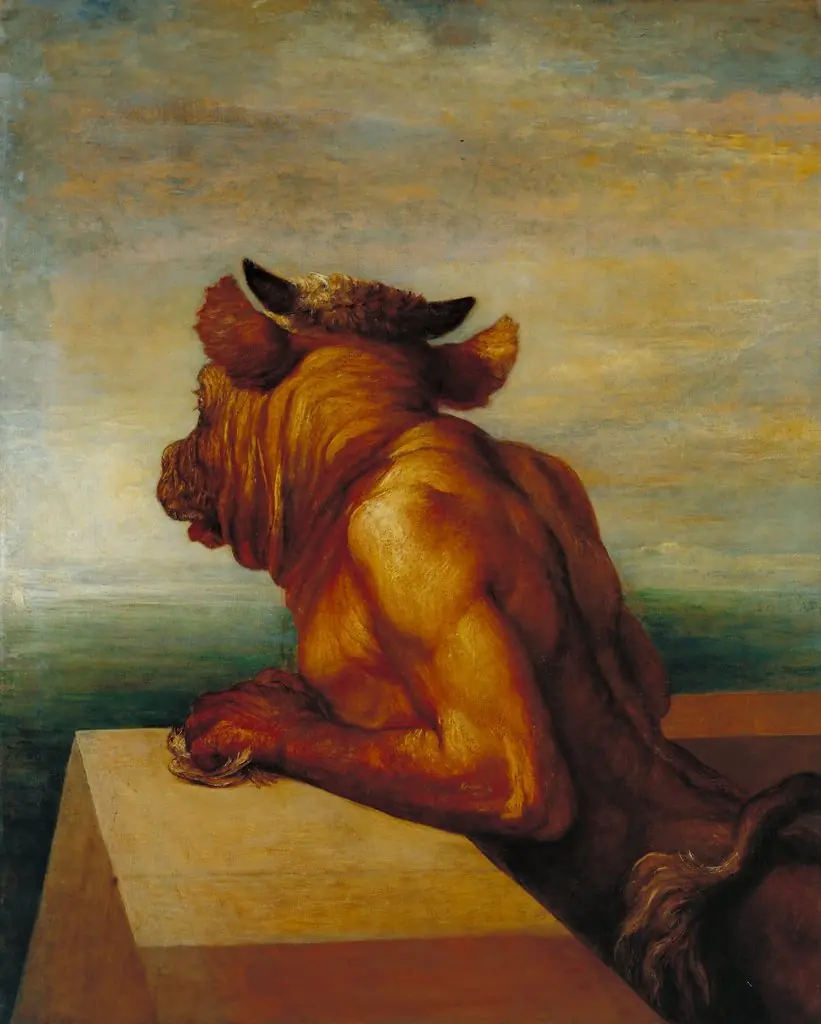
Contrary to its title, the painting depicts a satyr in a state of intense emotional turmoil, captured through a contorted, energetic pose and a facial expression of anguish, with eyes closed and mouth agape in a silent scream.
Technique & Style
Delacroix's characteristic prioritization of color and movement over precise form is evident in the satyr's warm, earthy-toned skin, wild hair, and the loose, suggestive brushstrokes hinting at a landscape background of rolling hills under a blue sky.
History & Provenance
The work is part of the collection at Kunsthaus Zürich, reflecting Delacroix's influence by 19th-century Romantic ideals and earlier artistic inspirations, notably Rubens and Venetian Renaissance painters.
Context
Created during the height of French Romanticism, *Lion et Crocodile* aligns with the movement's focus on intense emotion, individualism, and the sublime, diverging from the neoclassical norms of the time.
Legacy
As a piece by a leading Romantic figure, it contributes to the broader understanding of 19th-century European art's shift towards expressive and emotive representation, influencing subsequent artistic movements.
Artist & collection
Artist
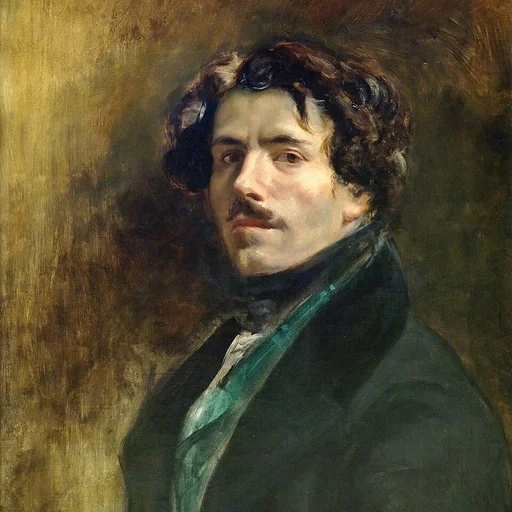
Ferdinand Victor Eugène Delacroix ( DEL-ə-krwah, -KRWAH; French: ; 26 April 1798 – 13 August 1863) was a French Romantic artist who was regarded as the leader of the French Romantic school.