Artwork
The Minotaur
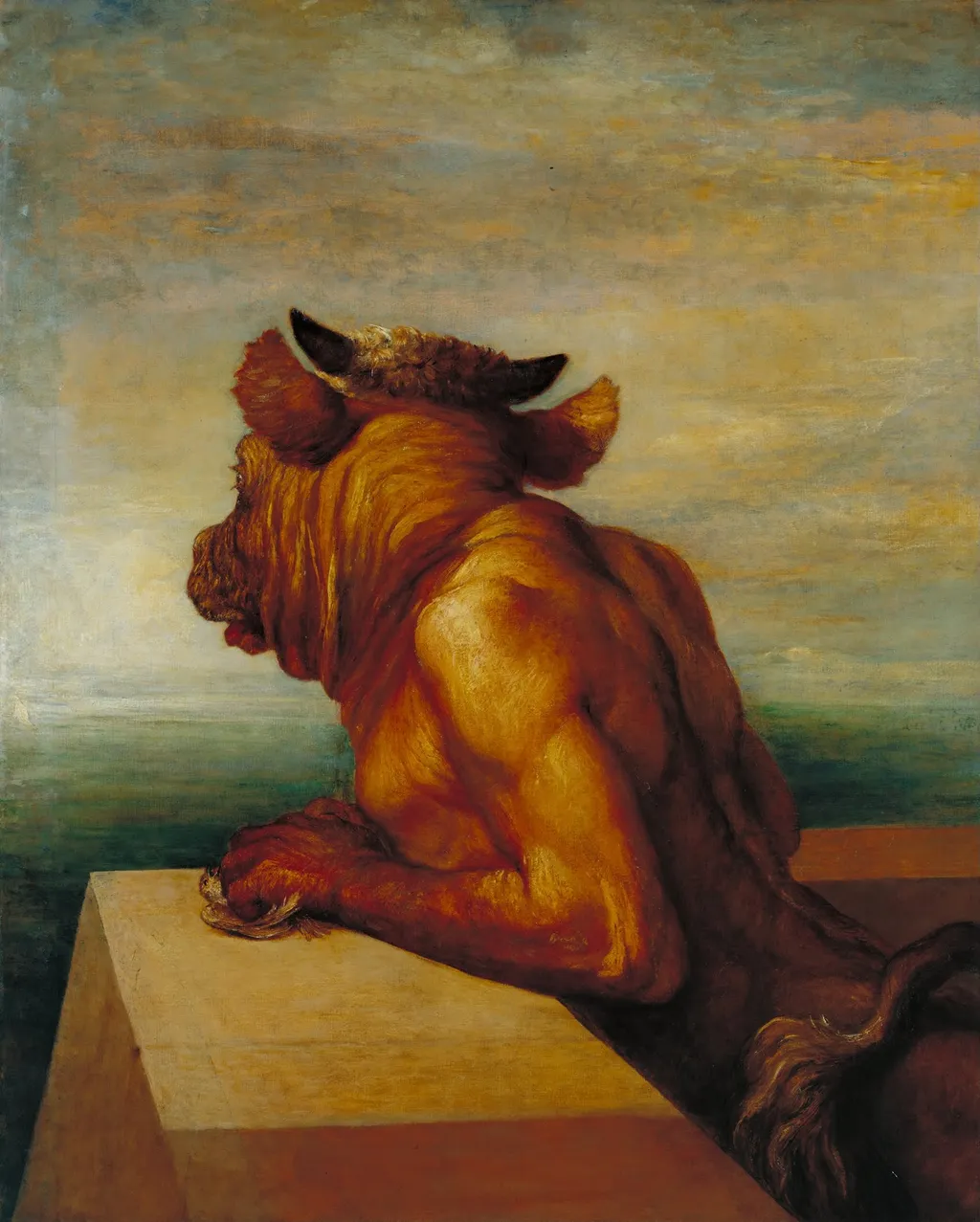
The Minotaur is an oil painting by the Symbolist artist George Frederic Watts. It dates from 1893 and is held in the collection of the National Gallery.
About this work
The Minotaur is a painting by George Frederic Watts. It's an allegory.
The painting depicts a scene from Greek mythology. It's also a comment on a social issue of the time, specifically child prostitution, which was highlighted by W. T. Stead in 1885.
The painting is held at Tate Britain, and to learn more about the artist's style and other works, look up the artist: George Frederic Watts.
Overview
Painted in 1885 by George Frederic Watts, The Minotaur is an oil-on-canvas work that reimagines a figure from Greek myth as a symbol of moral decay. Rather than depicting action, Watts captures a moment of stillness— the creature brooding in shadow, anticipating the arrival of victims. The painting functions less as a mythological illustration and more as a quiet indictment of societal neglect.
Subject & Meaning
Watts uses the myth to allude to the exploitation of children in Victorian London, particularly in the context of child prostitution.
The Minotaur, half-man, half-bull, is shown alone in a cavernous space, gazing toward the sea where ships approach. Watts uses the myth to allude to the exploitation of children in Victorian London, particularly in the context of child prostitution. The victims, though unseen, are implied through the creature’s predatory stillness and the distant horizon, transforming ancient legend into a contemporary moral warning.
Technique & Style
Watts employs a muted palette of browns, grays, and deep ochres to evoke gloom and isolation. The Minotaur’s form is rendered with soft, blended brushwork, avoiding overt grotesquerie in favor of psychological weight. The composition is sparse, emphasizing emptiness and anticipation. Light falls unevenly, highlighting the creature’s face and hands, drawing attention to his human-like sorrow and menace.
History & Provenance
Completed in 1885, the painting was acquired by the Tate Gallery in 1897, where it remains in the permanent collection. Its acquisition followed public discussions around morality and social reform, spurred by journalist W. T. Stead’s exposé on child prostitution. Watts, known for allegorical works, intended the piece as a direct response to these revelations, though it was never exhibited publicly during his lifetime.
Context
The painting emerged during a period of intense social reform in Britain, when public outrage over child exploitation was growing. Stead’s 1885 series 'The Maiden Tribute of Modern Babylon' ignited national debate, and Watts, though not a journalist, used his art to engage with the moral urgency of the moment. The Minotaur reflects a broader trend among Victorian artists to address social issues through classical allusion.
Legacy
The Minotaur endures as a quiet but potent example of Victorian allegorical painting, illustrating how myth could be repurposed to critique contemporary injustice. While less widely known than Watts’s other works, it is frequently cited in studies of art and social reform. Its restrained power lies in what it omits: the victims, the violence, the spectacle—leaving the viewer to confront the silence of complicity.
Own this work as a print
Artist & collection
Artist
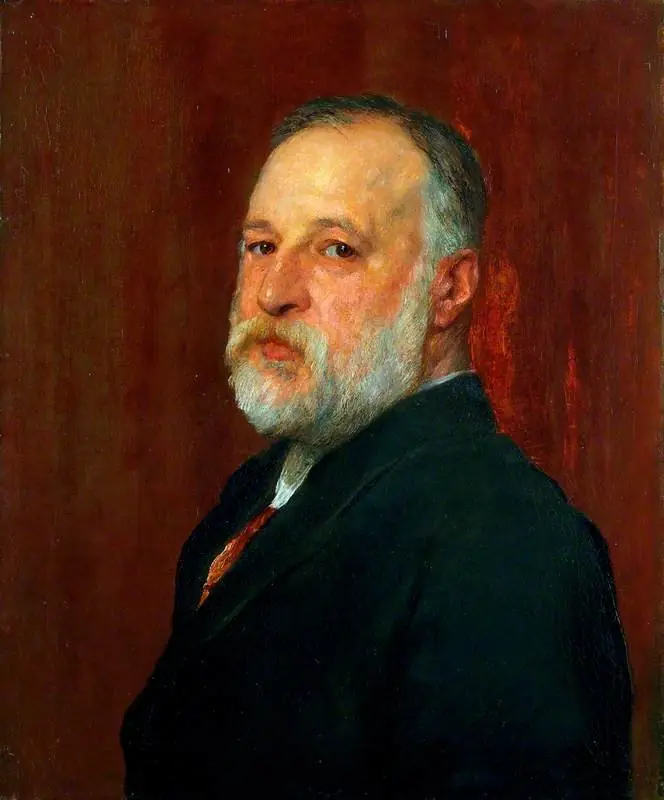
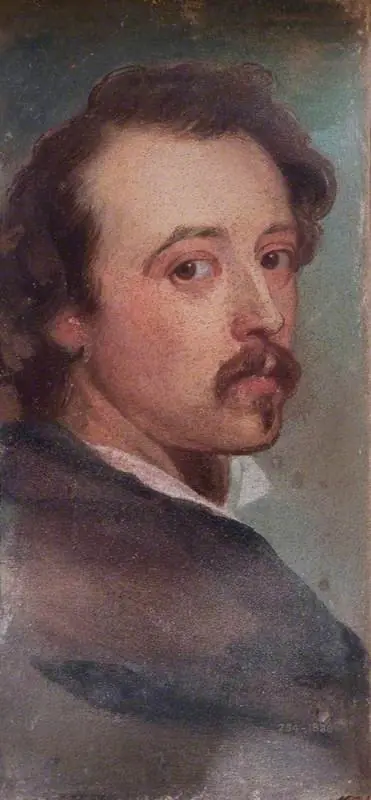
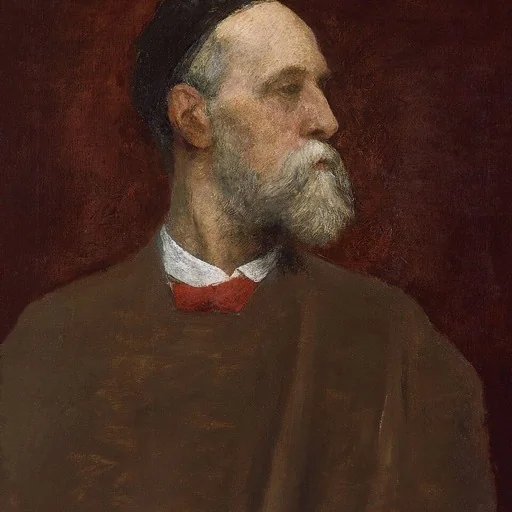
George Frederic Watts (23 February 1817 – 1 July 1904) was a British painter and sculptor associated with the Symbolist movement.