Artwork
The Lamentation (Christ at the Tomb)
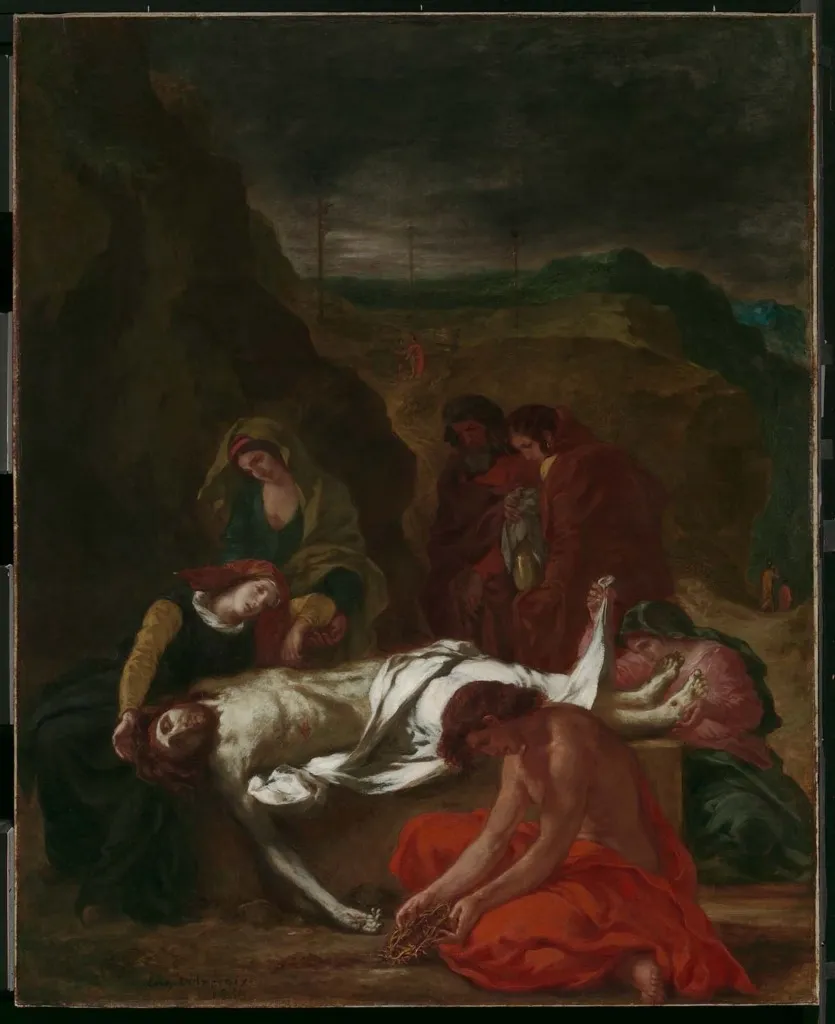
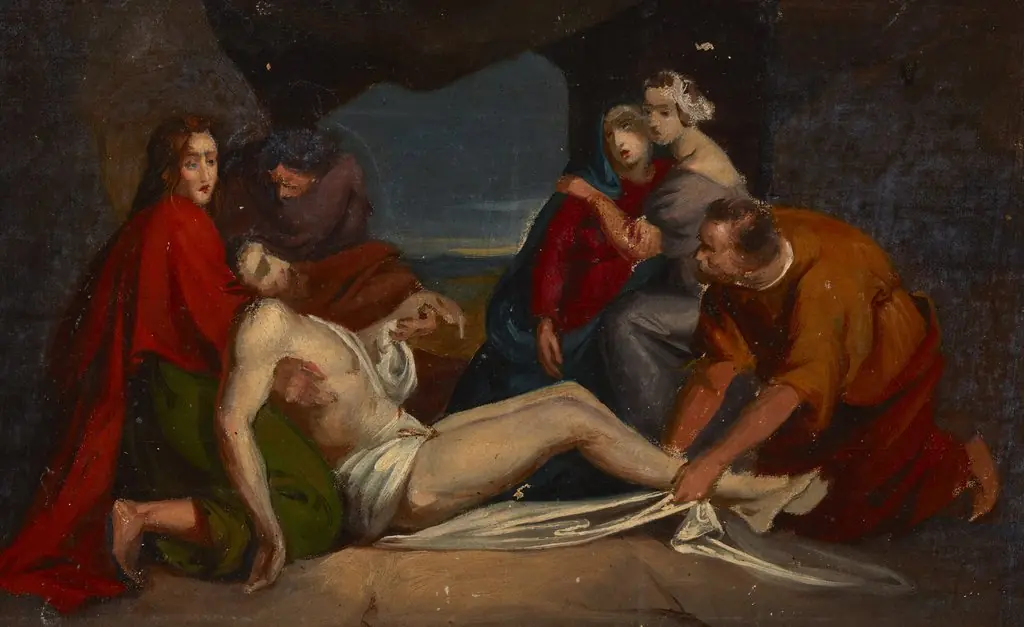
The Lamentation (Christ at the Tomb) is an oil painting by the French Romanticist artist Eugène Delacroix. It dates from 1848 and is held in the collection of the Museum of Fine Arts Boston.
About this work
Overview
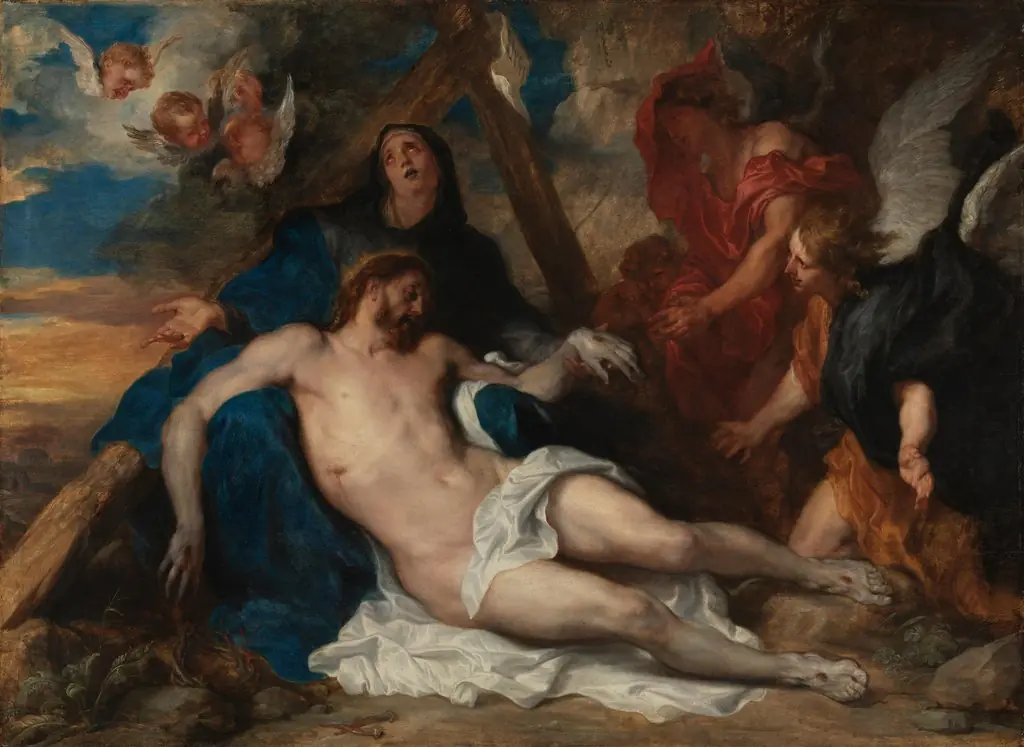
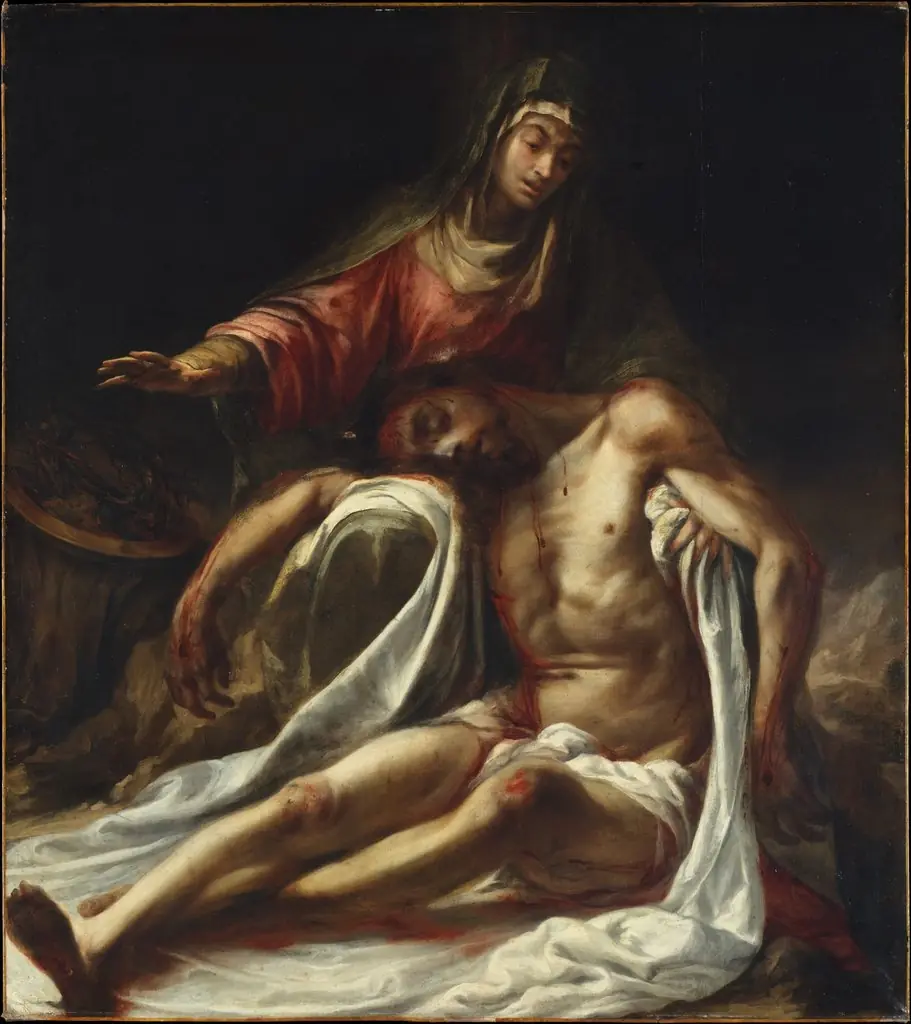
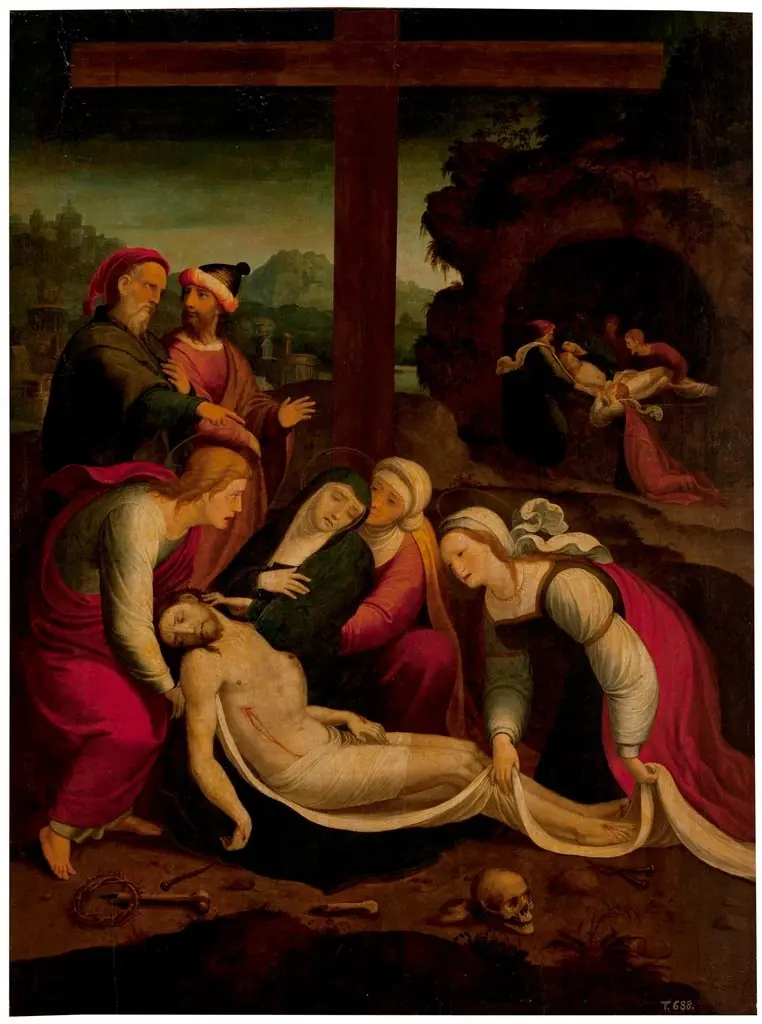
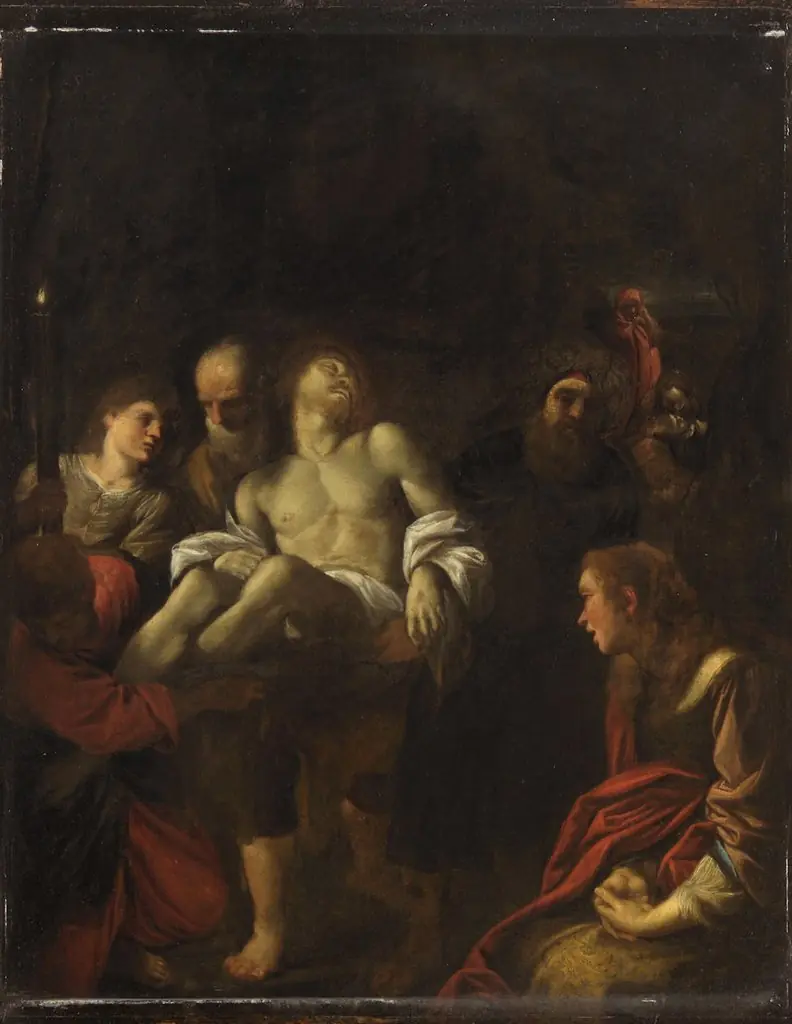
Eugène Delacroix created The Lamentation (Christ at the Tomb) in 1848, employing oil on canvas. The composition presents a mournful gathering around a lifeless figure, rendered in a darkened setting that heightens the sense of loss. The painting is part of the Museum of Fine Arts, Boston’s permanent collection.
Subject & Meaning
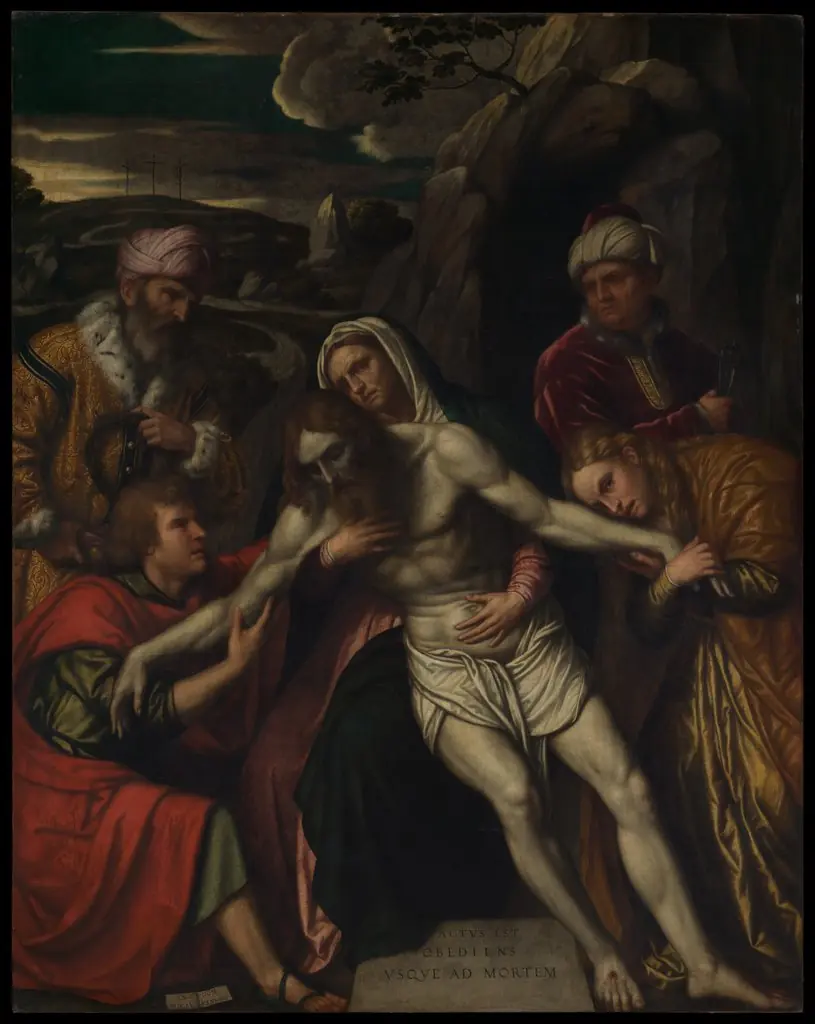
The work depicts a group of robed figures surrounding a white‑clad body, evoking the biblical scene of Christ’s burial. The varied postures—kneeling, seated, and standing—convey collective grief, while the subdued palette underscores the solemnity of the moment.
Technique & Style
Delacroix’s approach emphasizes color and movement, drawing on the dynamism of Rubens and the rich tonalities of Venetian Renaissance painters. The chiaroscuro lighting, with deep shadows and limited illumination, creates dramatic contrast and reinforces the emotional intensity typical of Romantic art.
History & Provenance
Painted during the height of French Romanticism, the piece entered the Museum of Fine Arts, Boston, where it remains on view. Its acquisition reflects the museum’s commitment to representing pivotal 19th‑century French works.
Artist & collection
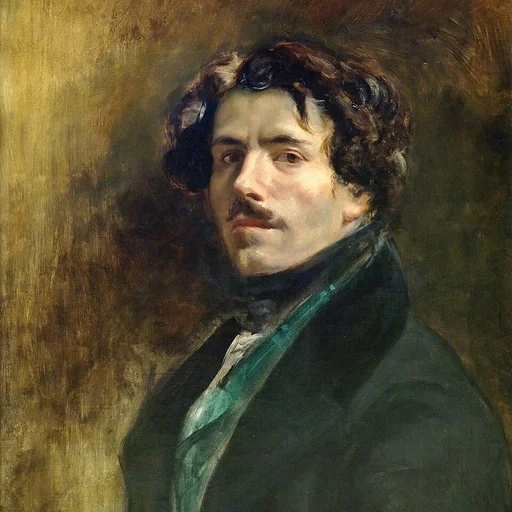
Artist
Ferdinand Victor Eugène Delacroix ( DEL-ə-krwah, -KRWAH; French: ; 26 April 1798 – 13 August 1863) was a French Romantic artist who was regarded as the leader of the French Romantic school.