Artwork
Fishermen's Wives at the Seaside
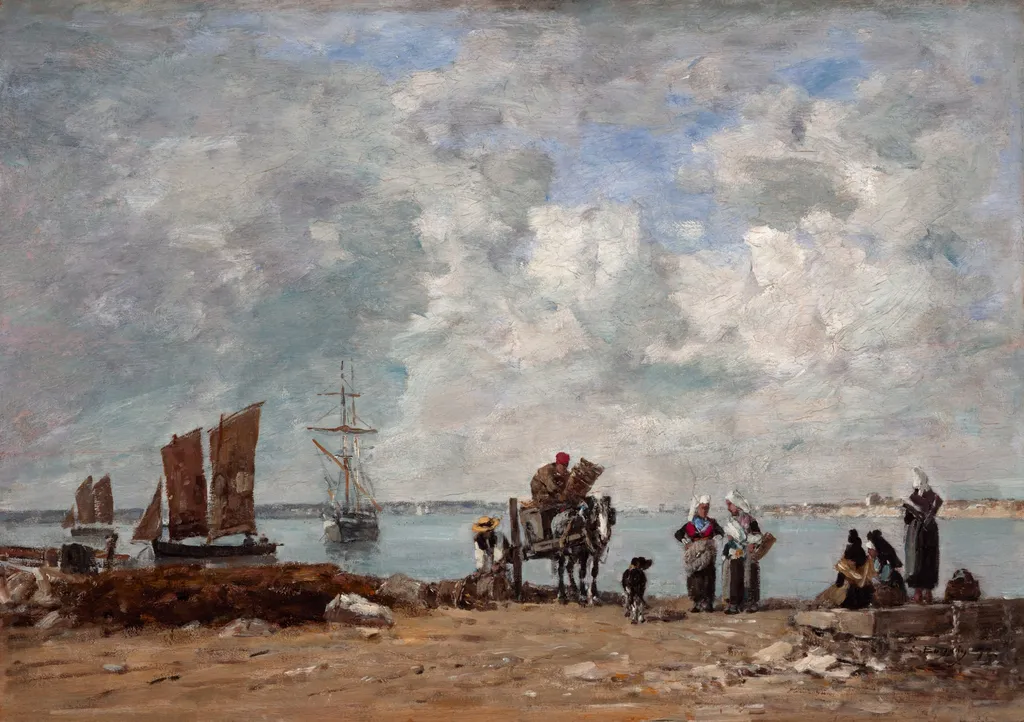
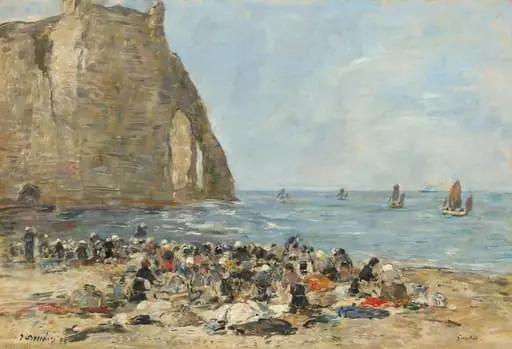
Fishermen's Wives at the Seaside is an oil painting by the Impressionist artist Eugène Boudin. It dates from 1872 and is held in the collection of the Museum of Fine Arts, Houston.
About this work
Overview
It captures a quiet moment along the Normandy coast, focusing on the daily lives of women awaiting the return of fishermen.
Painted in 1872, *Fishermen's Wives at the Seaside* is an oil on canvas work by French artist Eugène Boudin. It captures a quiet moment along the Normandy coast, focusing on the daily lives of women awaiting the return of fishermen. Boudin’s commitment to painting en plein air and his sensitivity to coastal atmospheres positioned him as a bridge between traditional landscape painting and the emerging Impressionist approach.
Subject & Meaning
The painting depicts a group of women in dark, modest attire, seated or standing on rocky shorelines, their postures suggesting vigilance and patience. Their headscarves and layered clothing reflect regional working-class dress, grounding the scene in local reality. Rather than dramatizing labor or loss, Boudin presents an unembellished view of communal endurance, emphasizing the rhythm of coastal life over narrative tension.
Technique & Style
Boudin employed loose, observational brushwork to render the textures of rock, fabric, and water, with subtle shifts in tone rather than sharp outlines. The palette is restrained—dominated by grays, blues, and muted earth tones—mirroring the overcast sky and sea. Light is diffused and atmospheric, not directional, reinforcing the painting’s quiet, contemplative mood and its alignment with early Impressionist concerns.
History & Provenance
Created during Boudin’s mature period, the painting remained in private hands before entering the collection of the Museum of Fine Arts, Houston. Its preservation reflects growing institutional interest in 19th-century French coastal scenes. While not widely exhibited in its early decades, it now serves as a representative example of Boudin’s contribution to the documentation of everyday maritime existence.
Context
In the 1870s, Boudin was part of a circle of artists who rejected studio idealization in favor of direct observation of nature. His focus on fishermen’s families contrasted with the romanticized seascapes popular at the time. Working alongside figures like Monet, he helped shift attention toward transient light and ordinary subjects, laying groundwork for Impressionism’s emergence in the following decade.
Legacy
Though less celebrated than his Impressionist contemporaries, Boudin’s emphasis on authenticity and atmospheric nuance influenced a generation of painters. *Fishermen's Wives at the Seaside* exemplifies his quiet revolution: elevating the mundane through careful observation and restrained color. The painting endures as a testament to the dignity of coastal labor and the evolving language of modern landscape painting.
Own this work as a print
Artist & collection
Artist
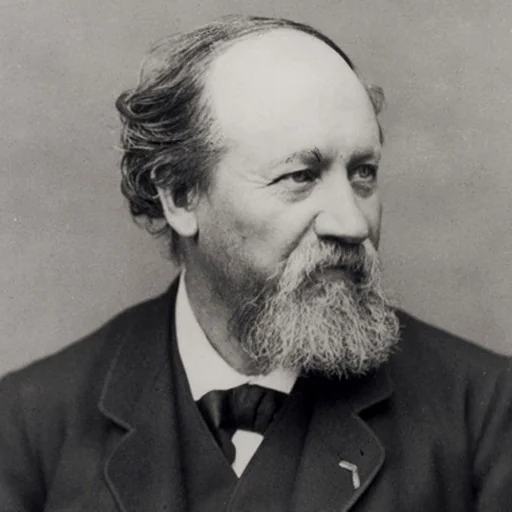
Eugène Louis Boudin (French: ; 12 July 1824 – 8 August 1898) was one of the first French landscape painters to paint outdoors.

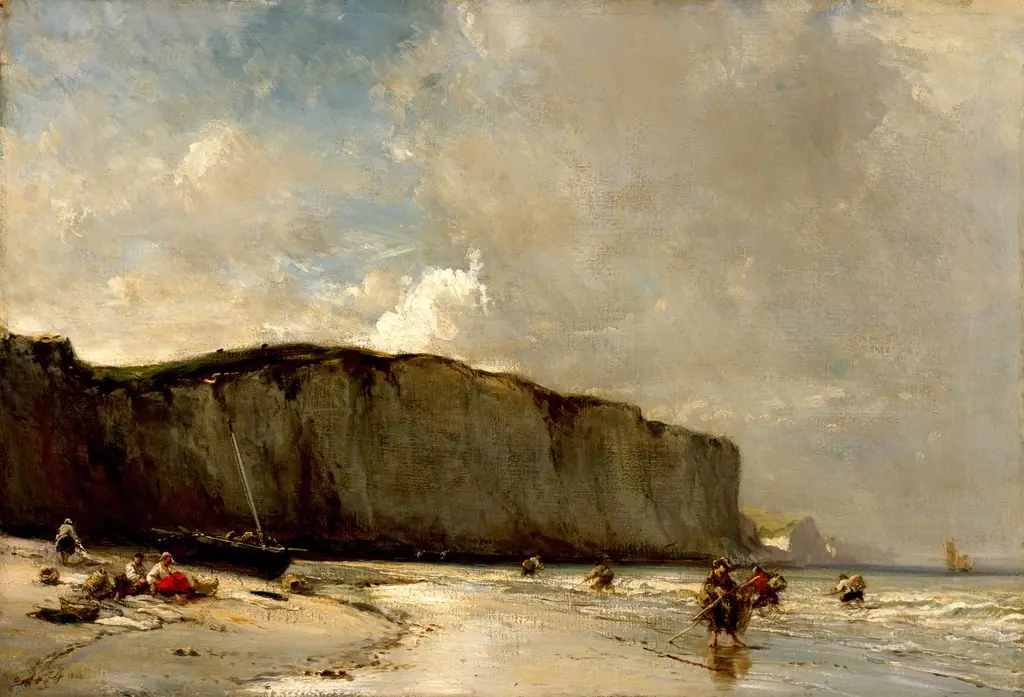 View Along the Norman Coast
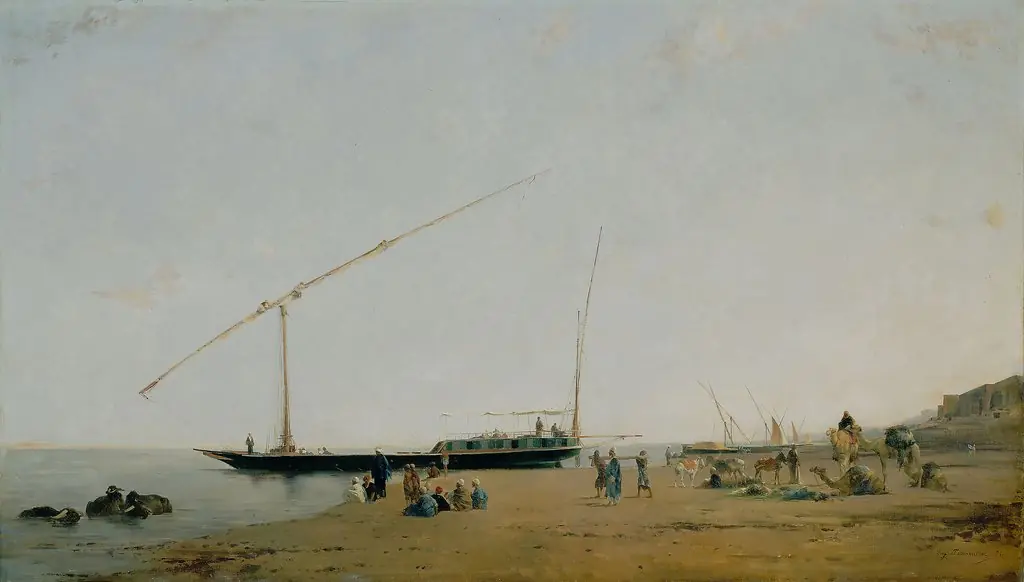 On the Nile, Near Philae
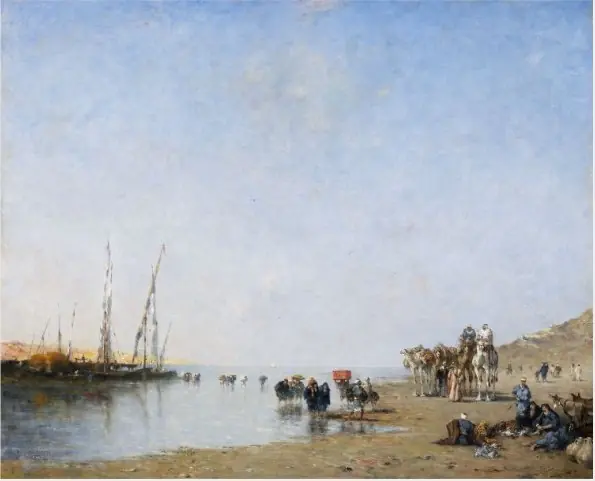 An Arab Caravan Resting near the Shore
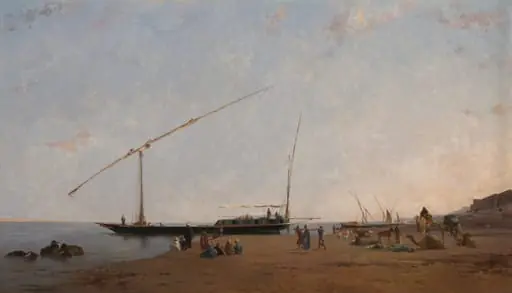 On the Nile
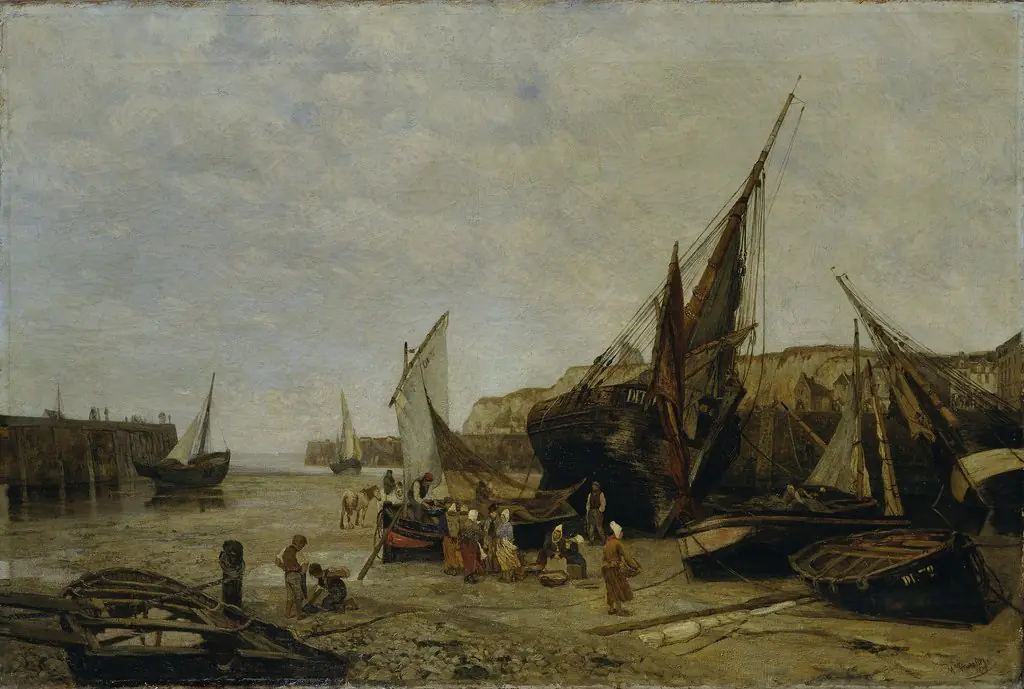 Der Hafen von Dieppe
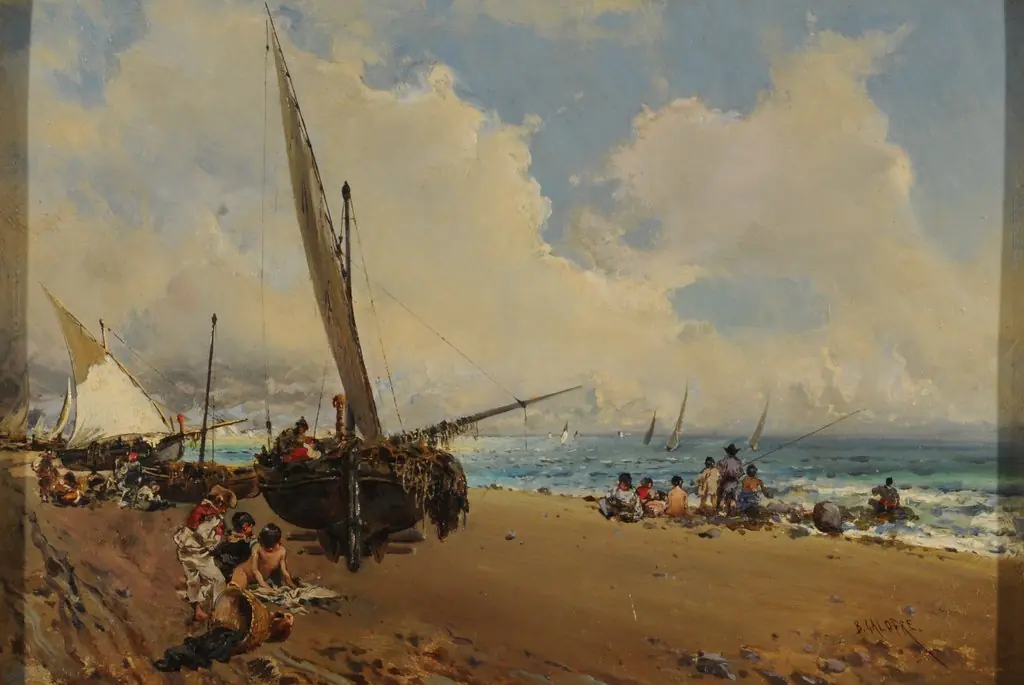 On the Beach
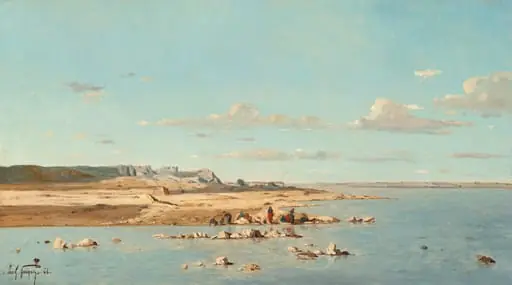 Washerwomen on the Banks of the Durance
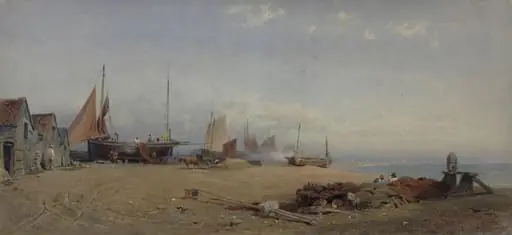 Eastbourne
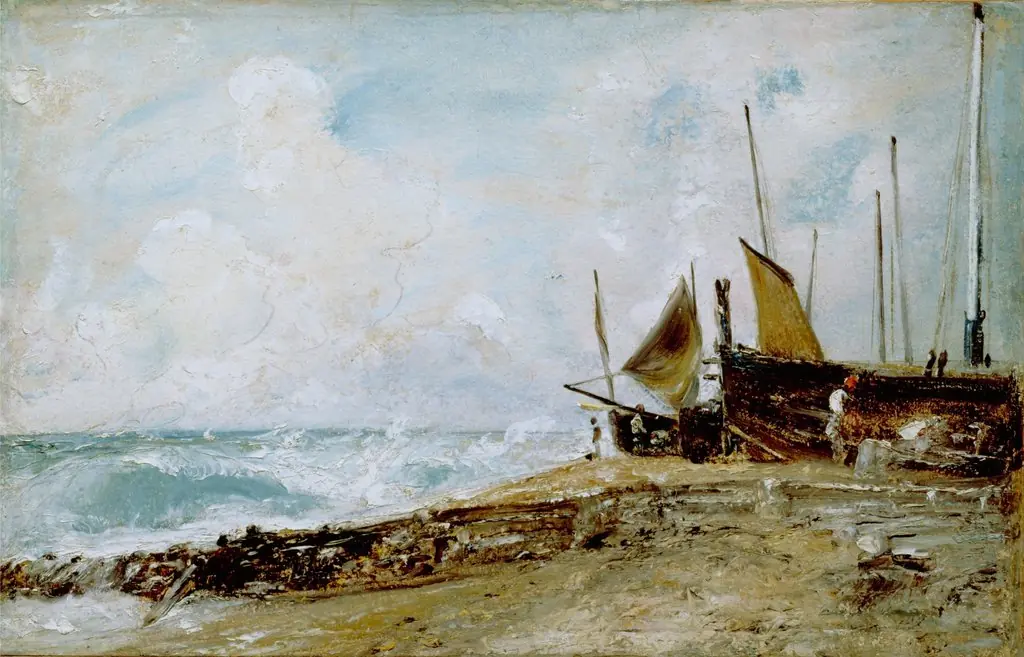 Coast Scene Near Brighton
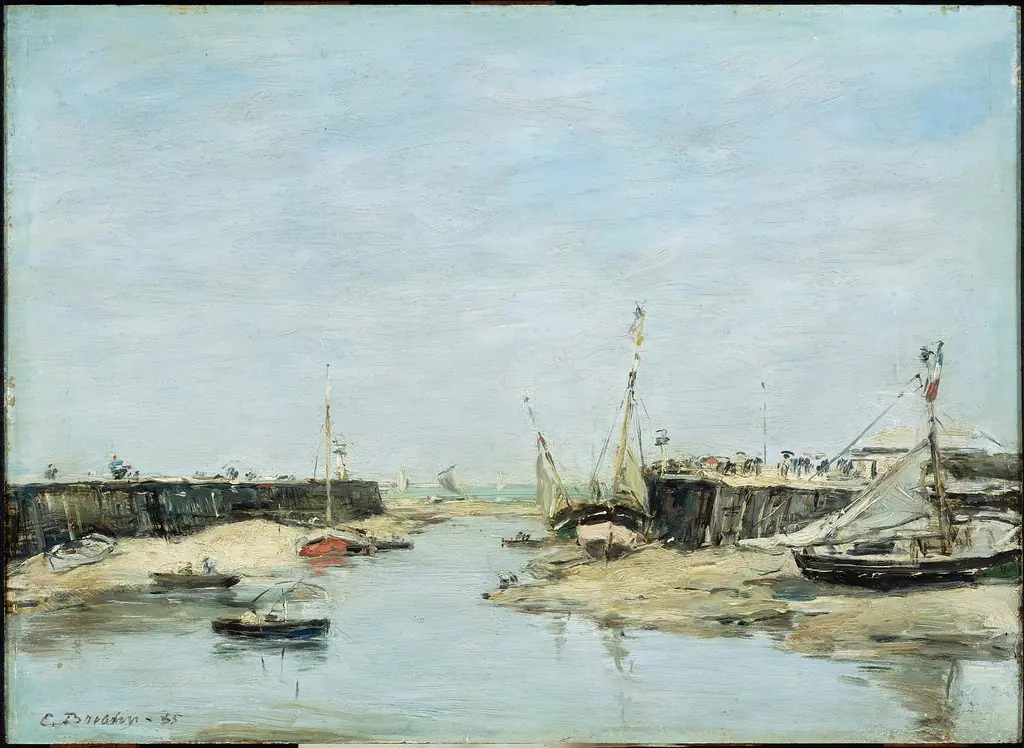 Trouville Les Jetees a Maree Basse
 Beach Scene
 Fishing Boats on the Beach with Fishermen and Women Sorting the Catch