Artwork
Venice, Santa Maria della Salute from San Giorgio
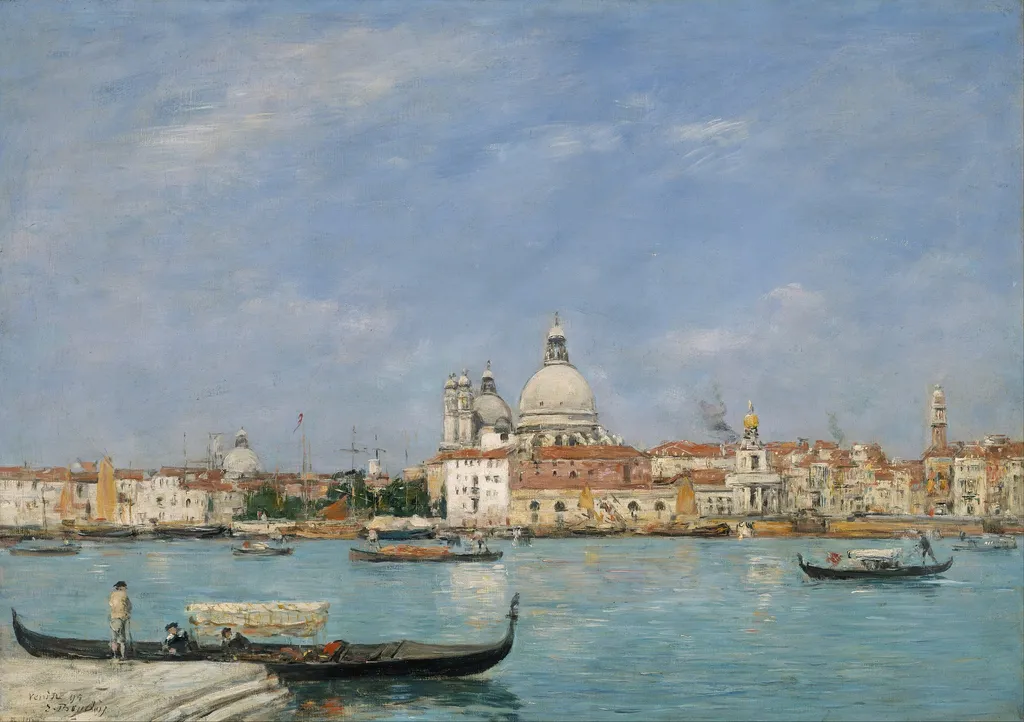
Venice, Santa Maria della Salute from San Giorgio is an oil painting by the Impressionist artist Eugène Boudin. It dates from 1898 and is held in the collection of the Museum of Fine Arts Boston.
About this work
This painting is called Venice, Santa Maria della Salute from San Giorgio. It's an oil painting by Eugène Louis Boudin.
Boudin made this painting on a trip to Venice in 1895. He created many other paintings of Venice during this trip, including views of the city and its canals.
You can learn more about the artist who created this work, Eugène Louis Boudin.
Overview
The painting is one of several Venetian scenes he produced on this journey, reflecting his sustained interest in the city’s light, architecture, and waterways.
Eugène Louis Boudin painted this oil work during a visit to Venice in 1895, capturing a view of the Basilica di Santa Maria della Salute as seen from the island of San Giorgio Maggiore. The painting is one of several Venetian scenes he produced on this journey, reflecting his sustained interest in the city’s light, architecture, and waterways. Boudin’s approach emphasizes atmosphere over detail, aligning with his broader focus on outdoor observation.
Subject & Meaning
The composition presents the Salute church rising above the lagoon, framed by the reflective surface of the water and the distant horizon. The viewpoint from San Giorgio Maggiore offers a balanced, slightly elevated perspective that underscores the church’s prominence in Venice’s skyline. Rather than dramatizing the structure, Boudin treats it as an element within a larger environmental harmony, suggesting quiet reverence for place.
Technique & Style
Boudin employed loose, fluid brushwork to convey shifting light and air, typical of his late style. The oil paint is applied with a light touch, allowing the canvas to suggest rather than define forms. Skies and water blend through subtle tonal gradations, while architectural details are rendered with minimal precision, prioritizing the overall impression of atmosphere over topographical accuracy.
History & Provenance
Created during Boudin’s final years, this painting belongs to a series of Venetian views produced in 1895, shortly before his death. While specific ownership records from the time are limited, the work is documented in scholarly catalogs of his oeuvre. It reflects his enduring commitment to plein air painting, even as younger artists embraced more radical styles.
Context
Boudin’s Venetian works emerged during a period when many European painters were drawn to the city’s luminous effects and historic architecture. Unlike contemporaries who focused on grandeur or decay, Boudin favored understated, transient moments—calm waters, overcast skies, and quiet urban edges. His approach aligned with early Impressionist sensibilities, though he remained distinct in his restrained palette and observational discipline.
Legacy
This painting contributes to Boudin’s reputation as a bridge between 19th-century landscape traditions and modern observational painting. Though less celebrated than his younger peers, his consistent focus on natural light and everyday views influenced later artists who sought authenticity over spectacle. His Venetian series, including this work, remains a quiet testament to his dedication to seeing the world as it appeared in fleeting moments.
Own this work as a print
Artist & collection
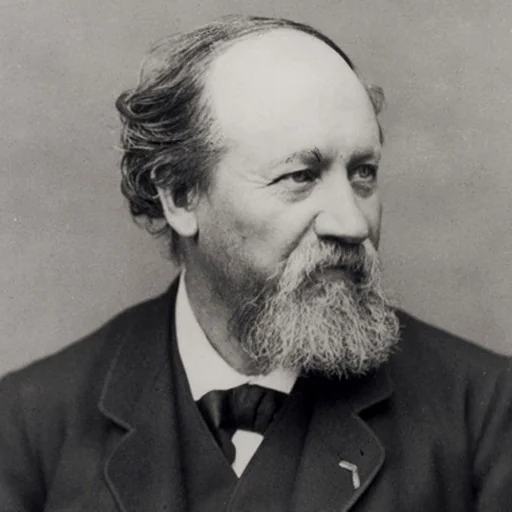
Artist
Eugène Louis Boudin (French: ; 12 July 1824 – 8 August 1898) was one of the first French landscape painters to paint outdoors.

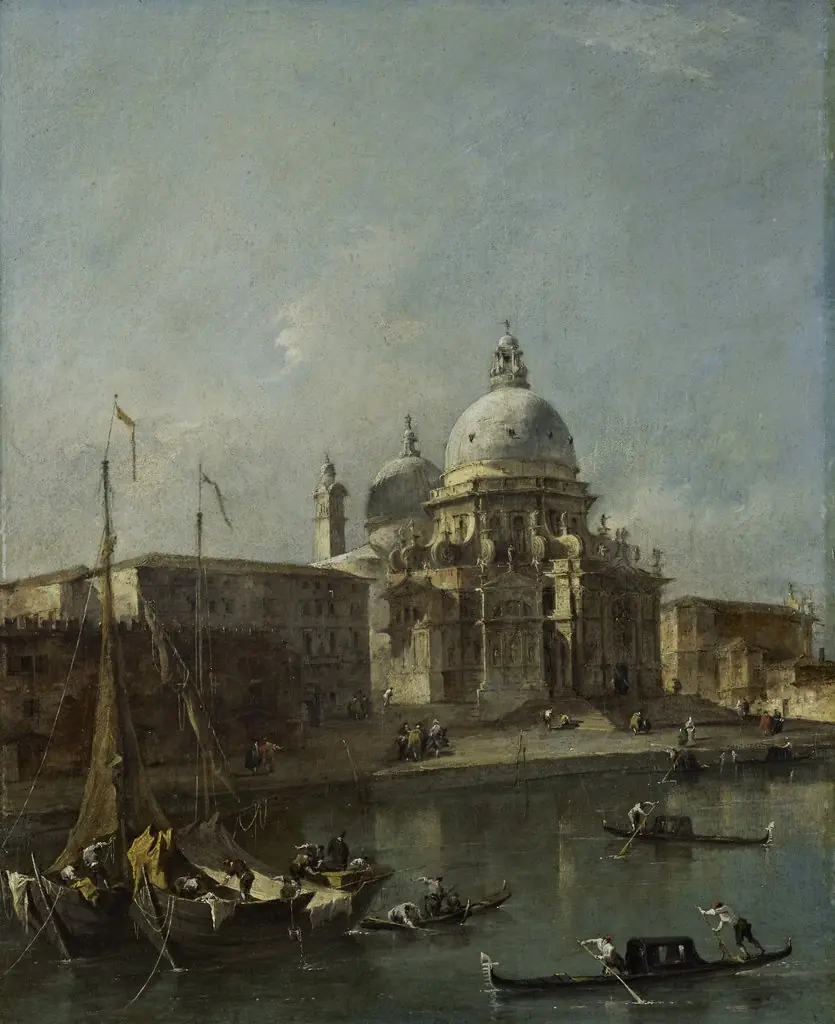 Santa Maria della Salute, Venice
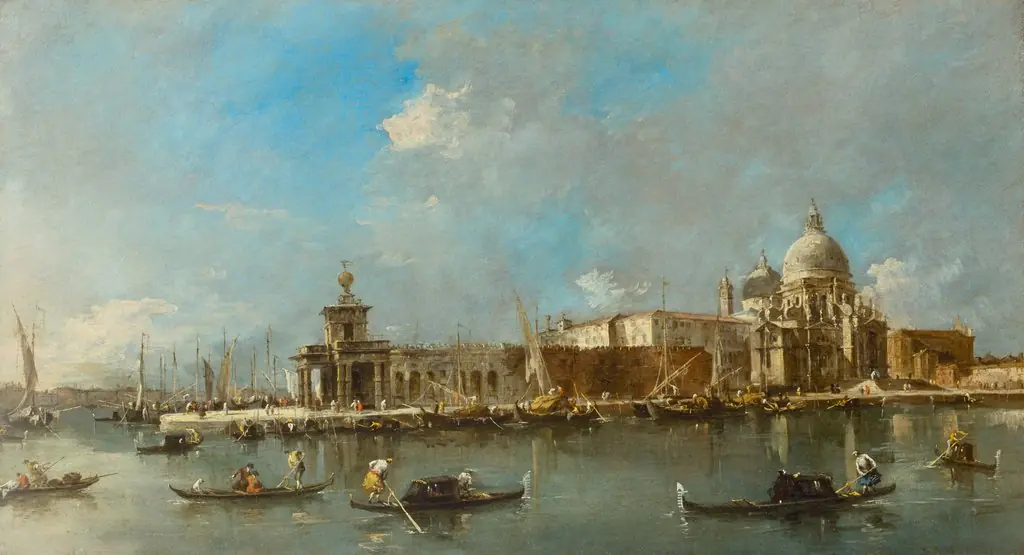 Santa Maria della Salute and the Dogana, Venice
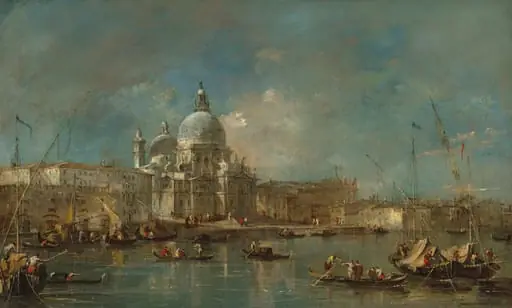 Santa Maria della Salute
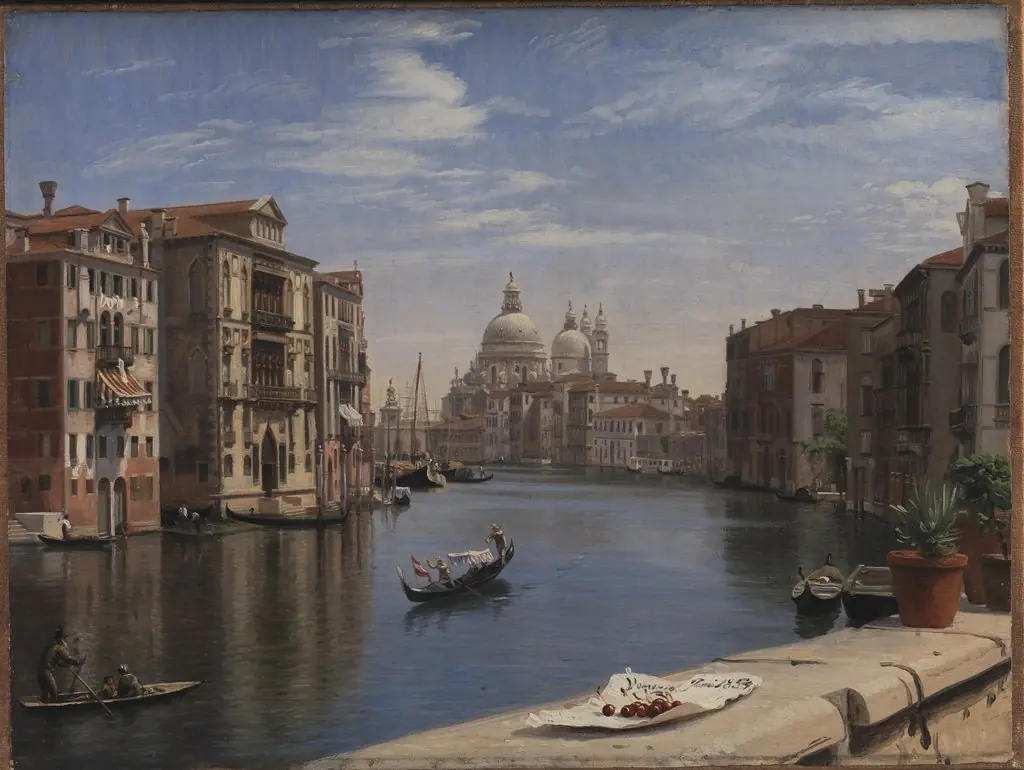 View of the Grand Canal, Venice. In the Background S. Maria della Salute
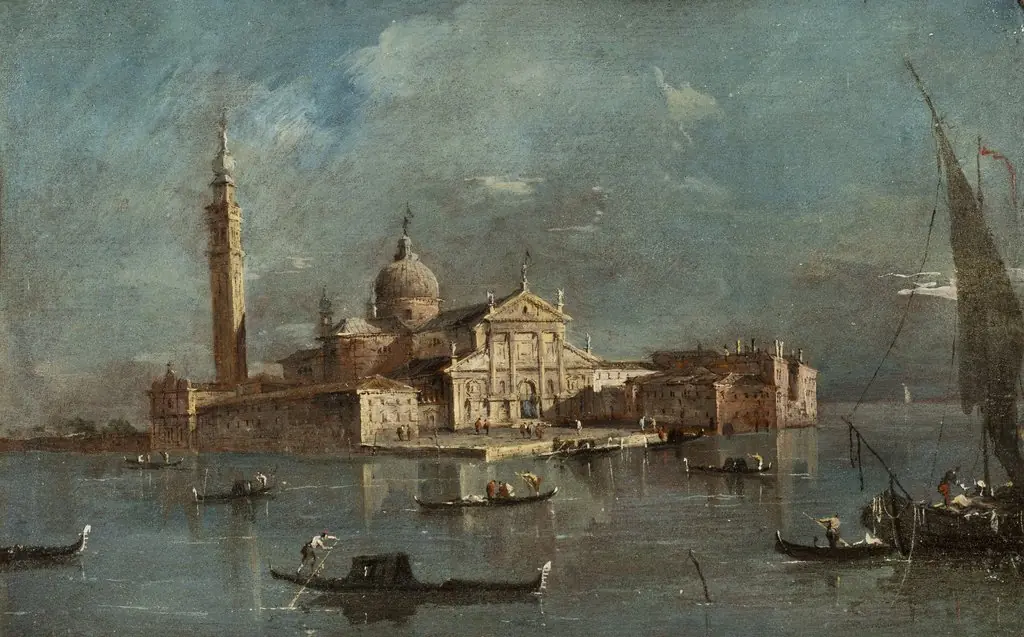 San Giorgio Maggiore
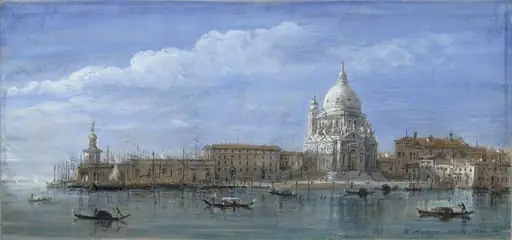 The Grand Canal and the Church of Santa Maria della Salute, Venice
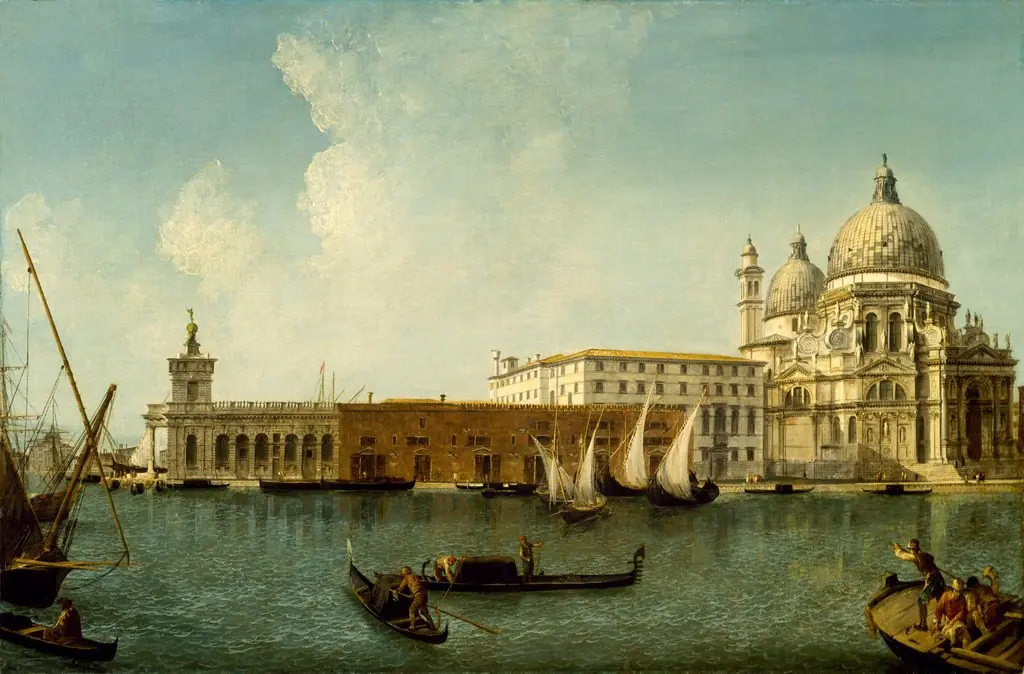 View of the Dogana and Santa Maria della Salute
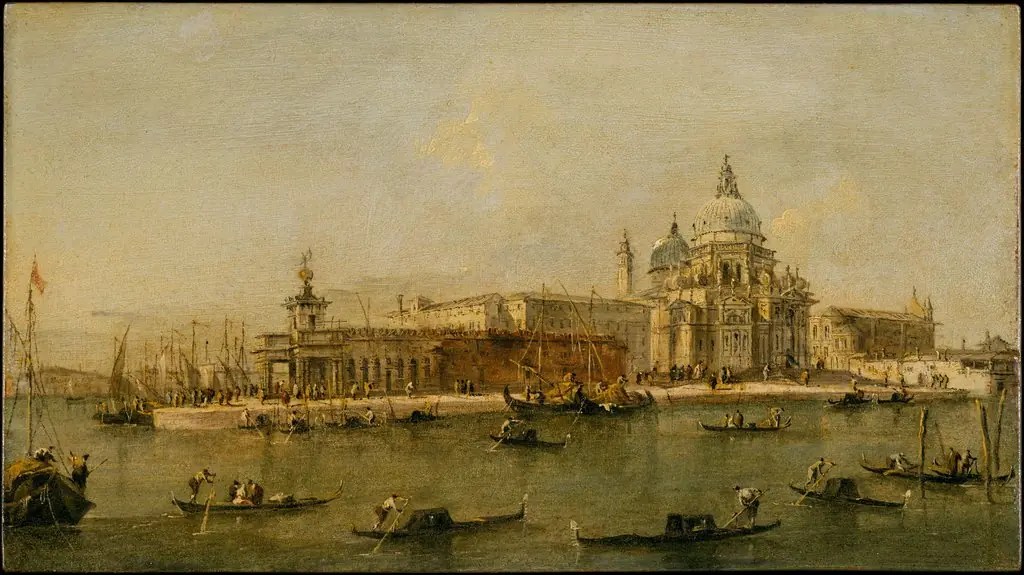 Venice: The Dogana and Santa Maria della Salute