Artwork
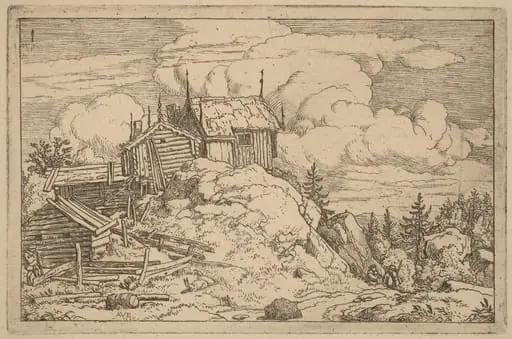
Hamlet on a Hill
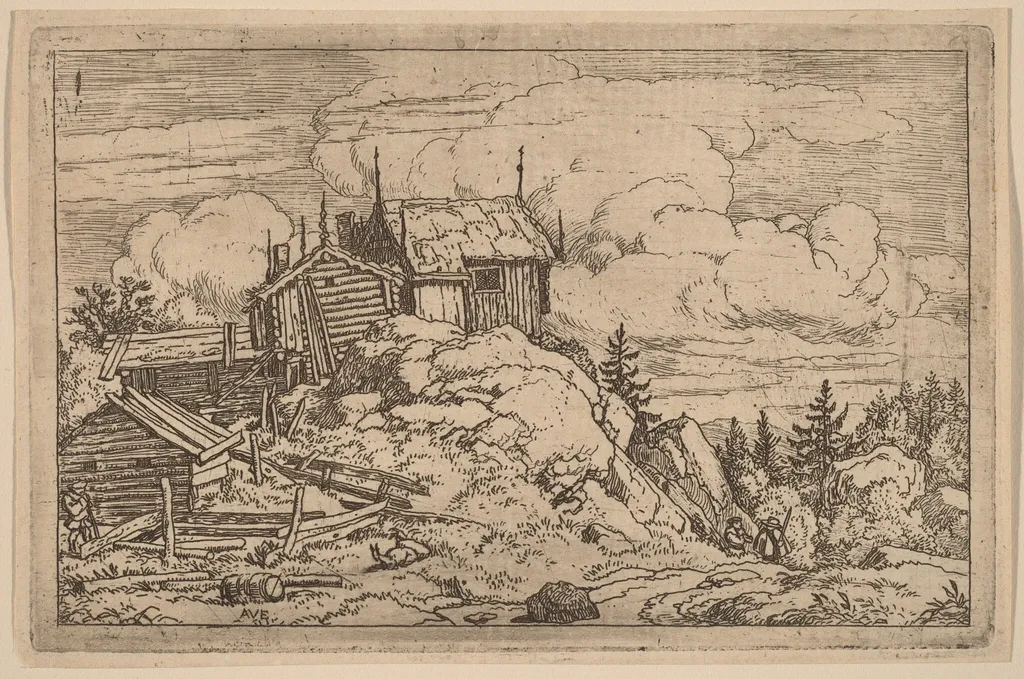
Hamlet on a Hill is an ink print by the Baroque artist Allart van Everdingen. It dates from 1650 and is held in the collection of the National Gallery of Art.
About this work
Overview
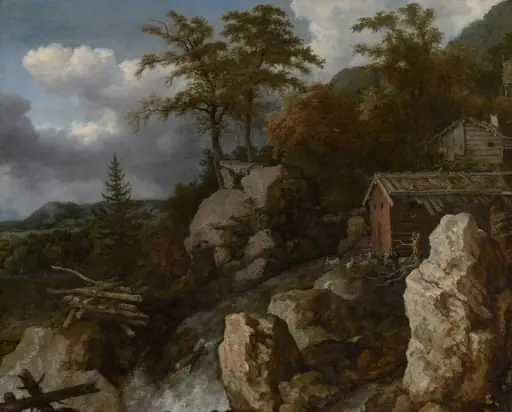
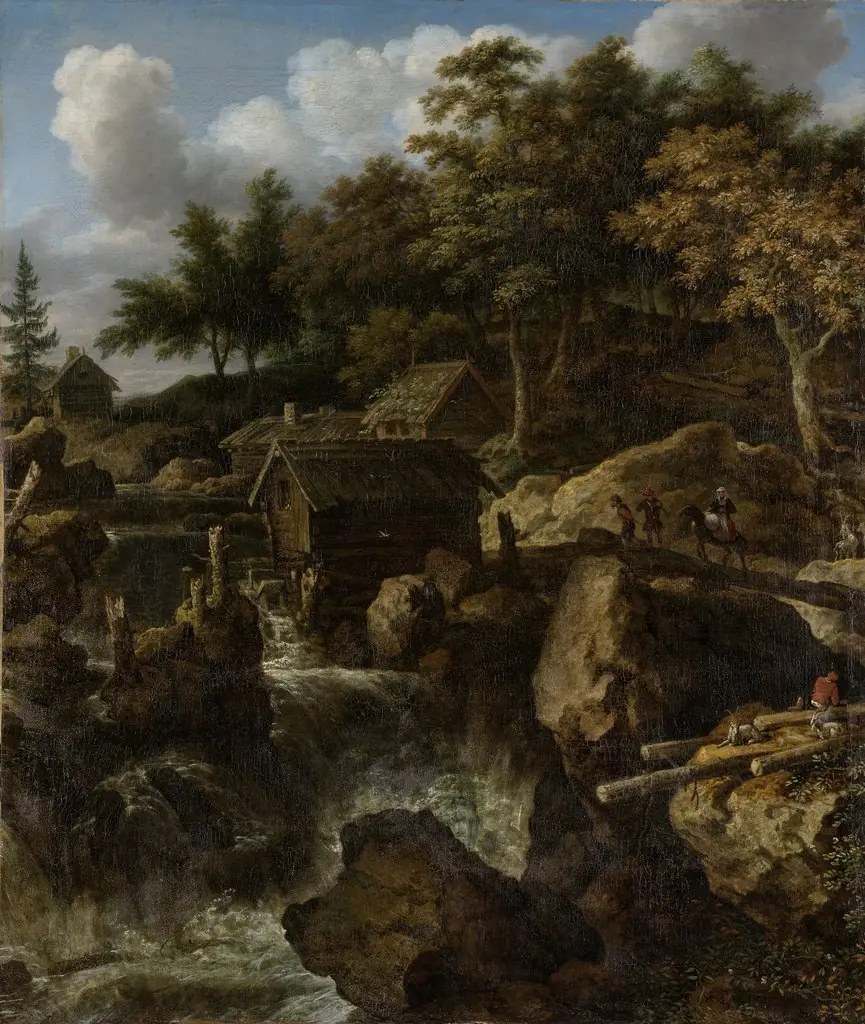
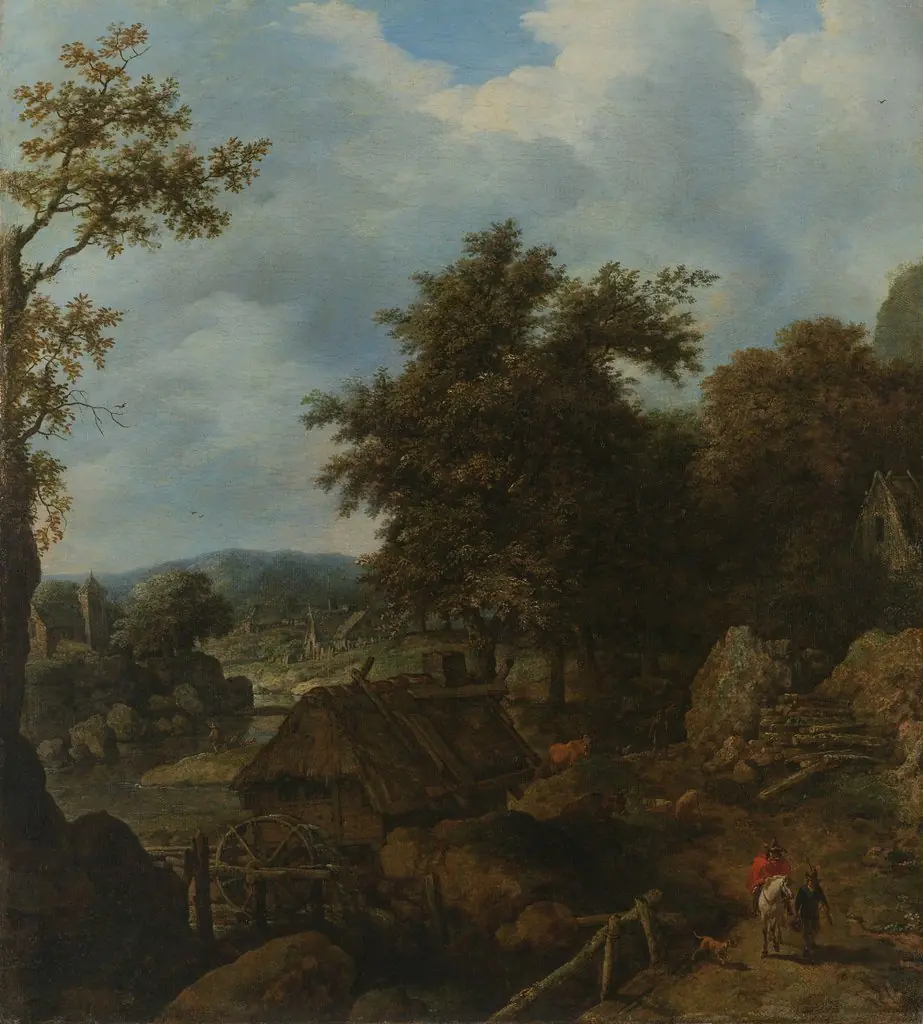
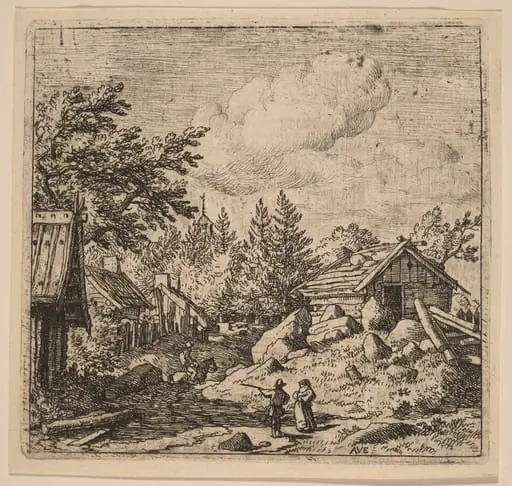
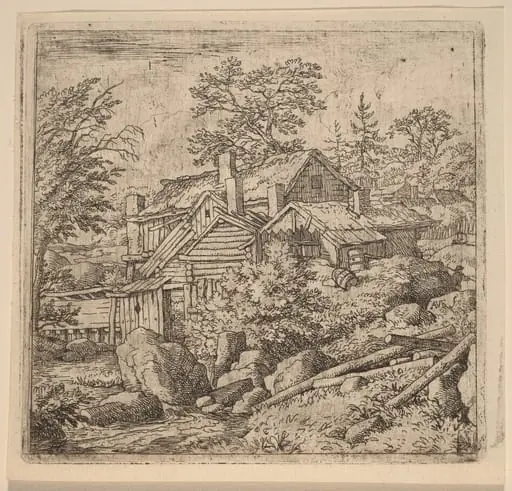
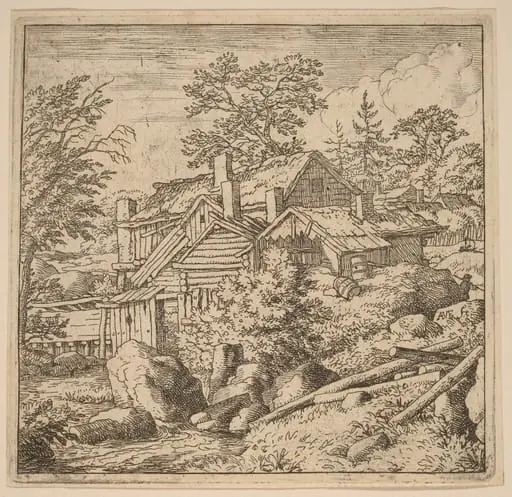
Hamlet on a Hill is an etching created by Dutch Golden Age artist Allart van Everdingen around 1650. The work features a serene landscape with a village on a hill, including wooden buildings, trees, rocks, and figures, showcasing the artist's printmaking skill.
Subject & Meaning
While the title suggests a connection to Shakespeare's Hamlet, the etching's serene depiction of a figure approaching a village, alongside another near the buildings, may imply contemplation or everyday life rather than direct dramatic reference.
Technique & Style
The etching demonstrates Van Everdingen's mastery of capturing light and shadow. Bold lines and delicate shading create depth and texture, aligning with Baroque stylistic elements, particularly in its dramatic lighting and detailed natural forms.
History & Provenance
Created circa 1650, the etching reflects Van Everdingen's proficiency in printmaking during the Dutch Golden Age. Specific provenance details are not provided.
Context
Produced during the Dutch Golden Age, this work sits within the broader context of Baroque art, characterized by its emphasis on light, shadow, and detailed natural rendering. It also reflects the period's printmaking advancements.
Artist & collection
Artist
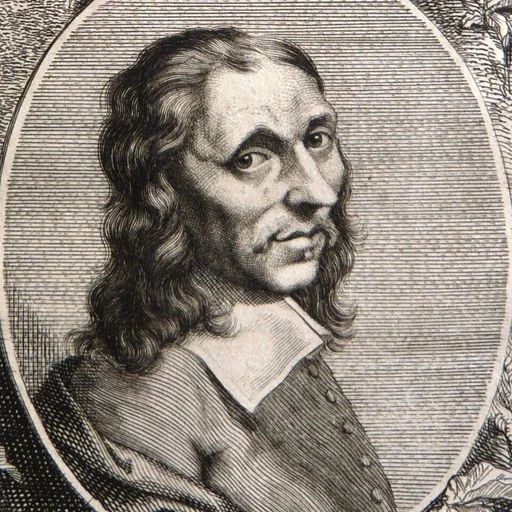
Allaert van Everdingen (Dutch pronunciation: ; bapt. 18 June 1621 – 8 November 1675 (buried)), was a Dutch Golden Age painter and printmaker in etching and mezzotint.