Artwork
The Studio
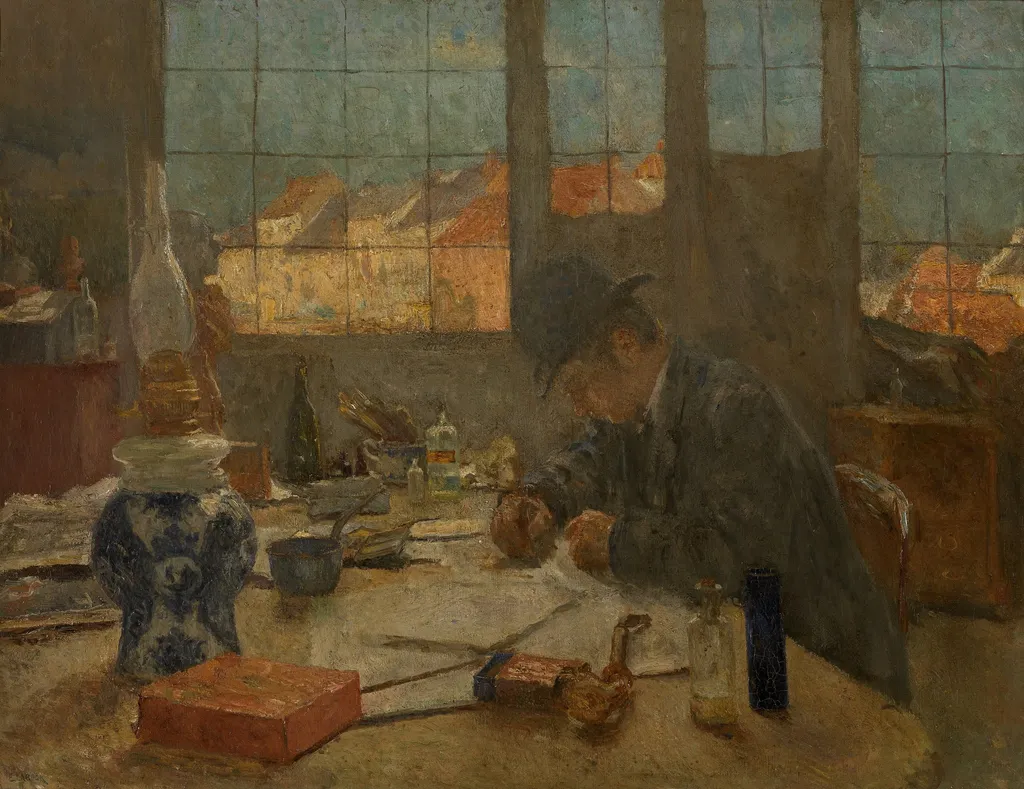
The Studio is an oil painting by the Post-Impressionist artist Evert Larock. It dates from 1896 and is held in the collection of the Royal Museum of Fine Arts Antwerp.
About this work
Overview
Evert Larock, a Belgian painter linked to the Secessionist circles Als ik Kan and De XIII, completed *The Studio* in 1896 using oil on canvas.
Evert Larock, a Belgian painter linked to the Secessionist circles Als ik Kan and De XIII, completed *The Studio* in 1896 using oil on canvas. The work reflects a quiet interior scene, aligned with Post-Impressionist tendencies rather than pure Impressionism. It resides in the Royal Museum of Fine Arts Antwerp, where it contributes to the museum’s representation of late 19th-century Belgian art. Larock’s approach emphasizes atmosphere over narrative, focusing on the sensory experience of an intimate workspace.
Subject & Meaning
The painting portrays a solitary figure seated at a desk, absorbed in reading or writing. Surrounding him are books, papers, and a lamp—objects suggesting intellectual labor rather than artistic production. The figure’s dark attire contrasts with the warmer interior tones, reinforcing a mood of introspection. No overt symbolism is present; the meaning emerges from the stillness and concentration of the moment, evoking the private rituals of thought and creativity.
Technique & Style
Larock employed loose, textured brushwork to render surfaces, allowing light to modulate the room’s atmosphere rather than define forms sharply. Warm hues in the woodwork and furnishings contrast with the cooler tones of the man’s clothing, enhancing spatial depth. The lamp casts a soft glow, guiding the viewer’s eye through the cluttered space. Attention to surface detail—fabric folds, paper edges, wood grain—adds tactility without sacrificing the painting’s overall atmospheric cohesion.
History & Provenance
Created in 1896, *The Studio* entered the collection of the Royal Museum of Fine Arts Antwerp in the early 20th century, likely through acquisition or donation. Larock’s association with avant-garde groups in Belgium ensured his work was recognized among contemporaries, though he remained outside the mainstream of international art circles. The painting has remained in the museum’s holdings since, preserved as part of Belgium’s regional artistic heritage.
Context
In the 1890s, Belgian artists were redefining realism through personal, intimate subjects, moving beyond the luminous landscapes of Impressionism. Larock’s focus on an artist’s private space aligned with broader European trends favoring psychological depth over spectacle. His work responded to the rise of intellectual and literary culture in urban studios, reflecting a shift toward quiet, contemplative themes in a period of rapid industrial and social change.
Legacy
Though not widely known outside Belgium, *The Studio* exemplifies Larock’s contribution to a quieter strand of Post-Impressionism that valued mood and material texture. It stands as a record of domestic artistic life in fin-de-siècle Belgium, influencing later regional painters who sought to capture solitude and routine with sensitivity. The painting remains a quiet anchor in the Antwerp museum’s collection, representing an understated but persistent artistic voice.
Own this work as a print
Artist & collection
Artist
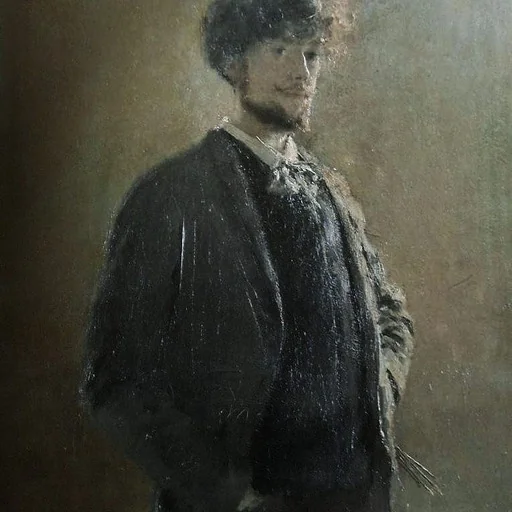
Everard Larock, known as Evert (21 May 1865 – 13 January 1901) was a Belgian Impressionist painter who belonged to the Secessionist art groups Als ik Kan and De XIII.

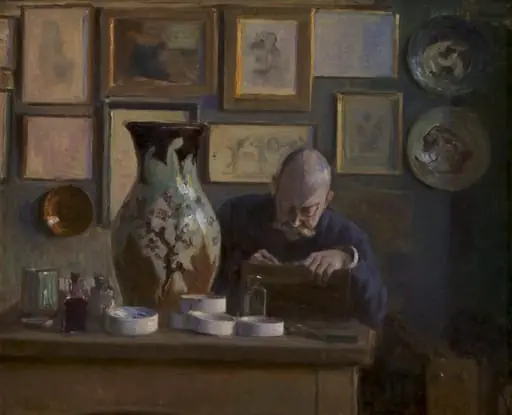 Arkitekten Thorvald Bindesbøll i sin arbejdsstue
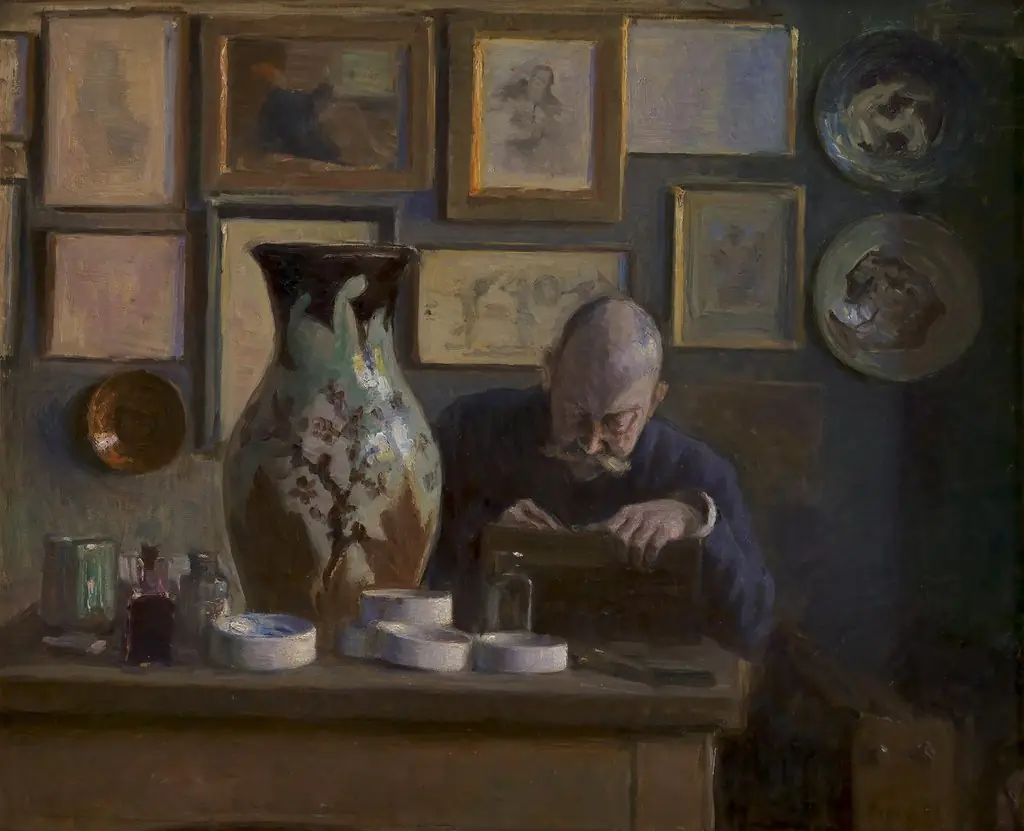 Arkitekten Thorvald Bindesbøll i sin arbejdsstue
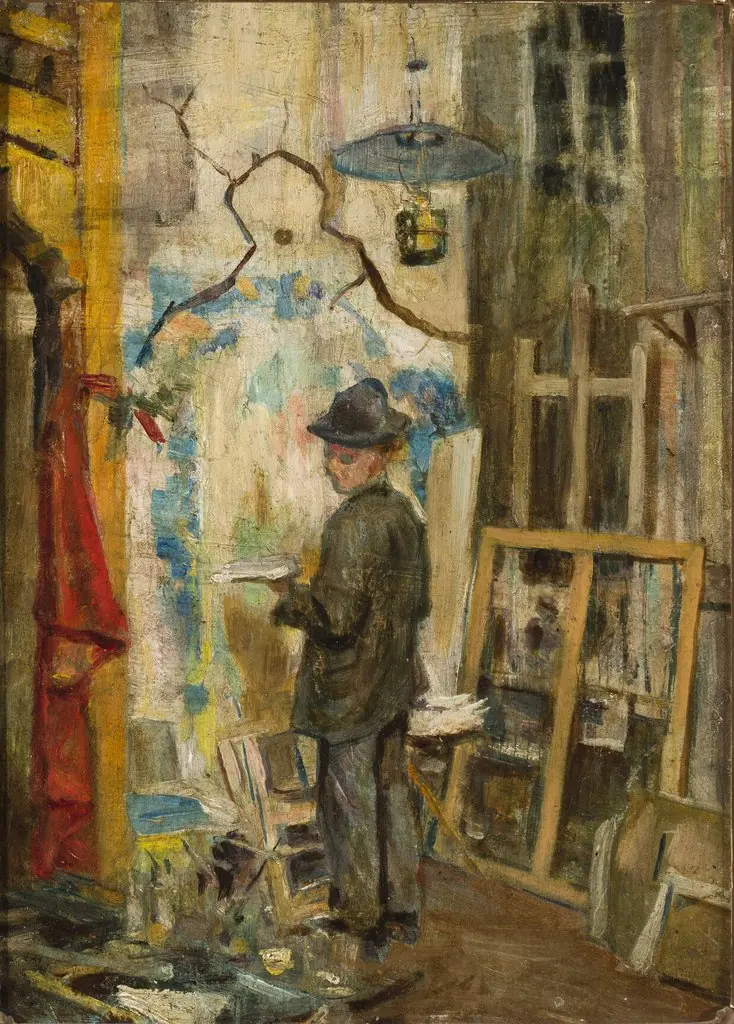 Józef Mehoffer in the studio
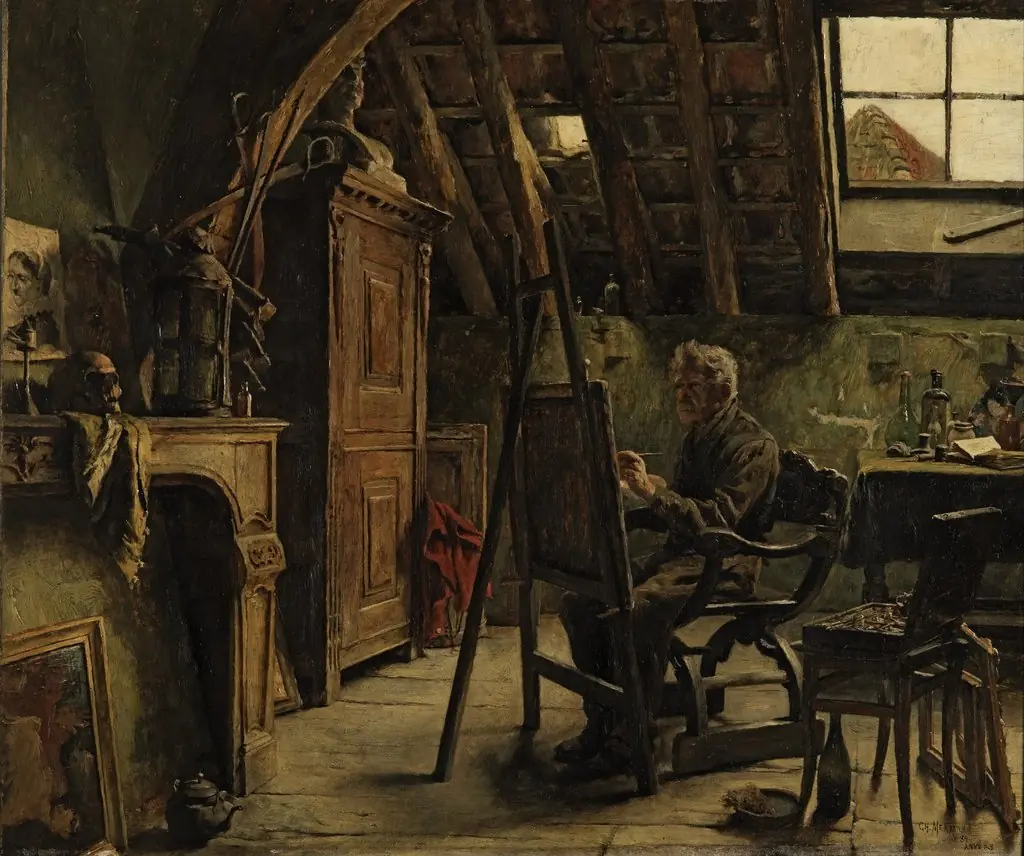 Workshop of a Painter
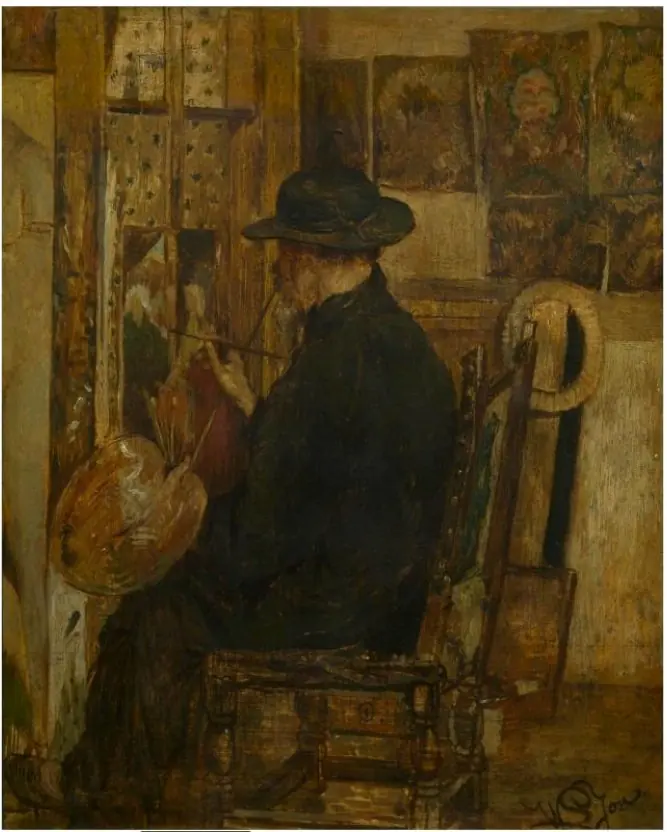 Self-portrait in his studio
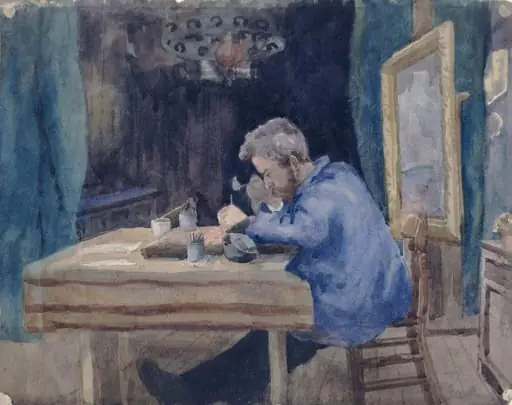 Nelson Dawson at Work
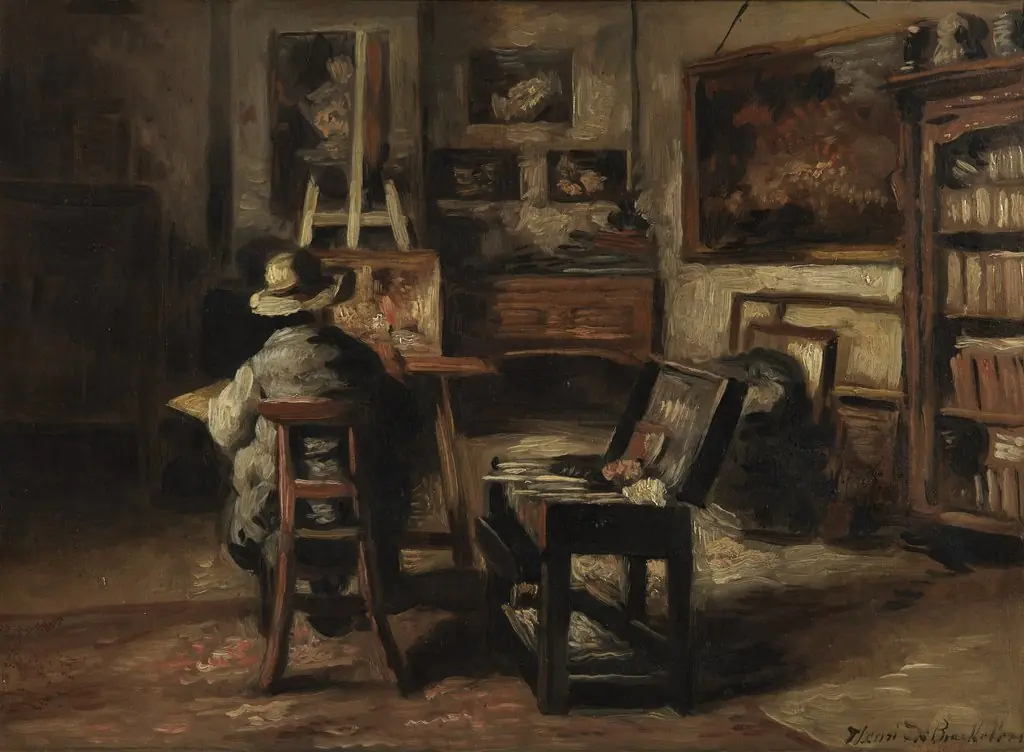 The Studio of Ferdinand De Braekeleer I, Father of the Painter
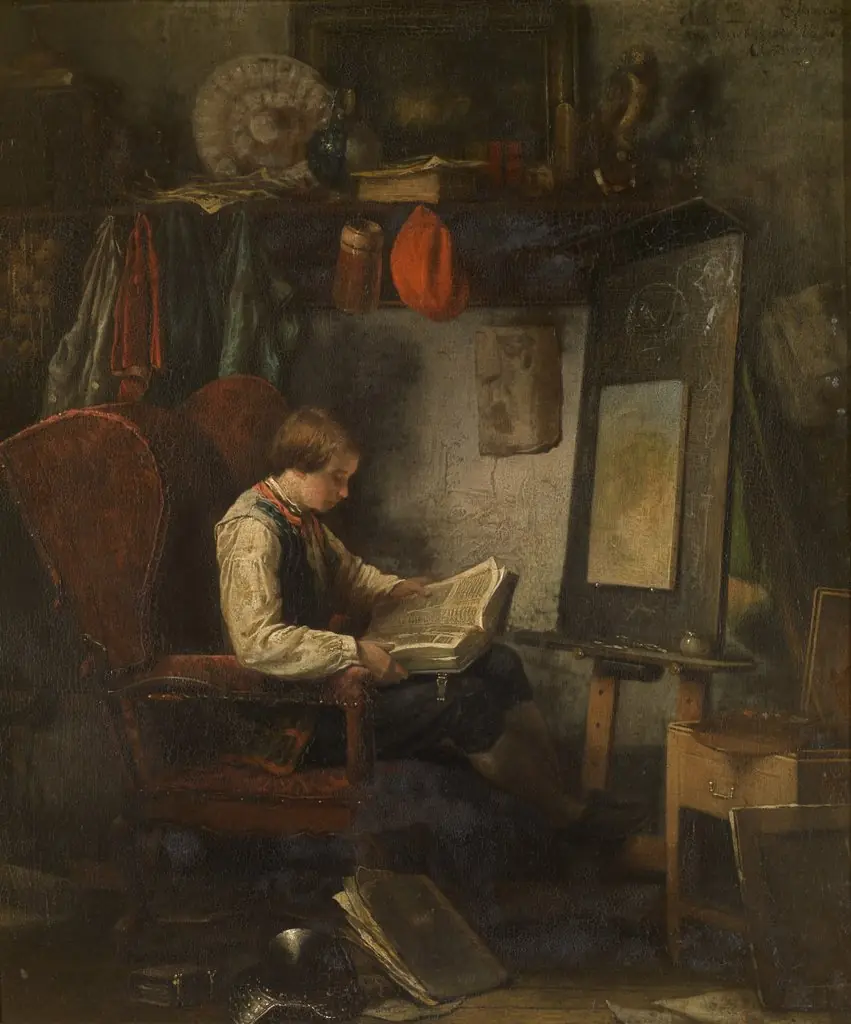 Young Artist in a Studio
 The Painter Alfred William Finch
 A Colourist
 In a Room
 His Studio