Artwork
John Scoville
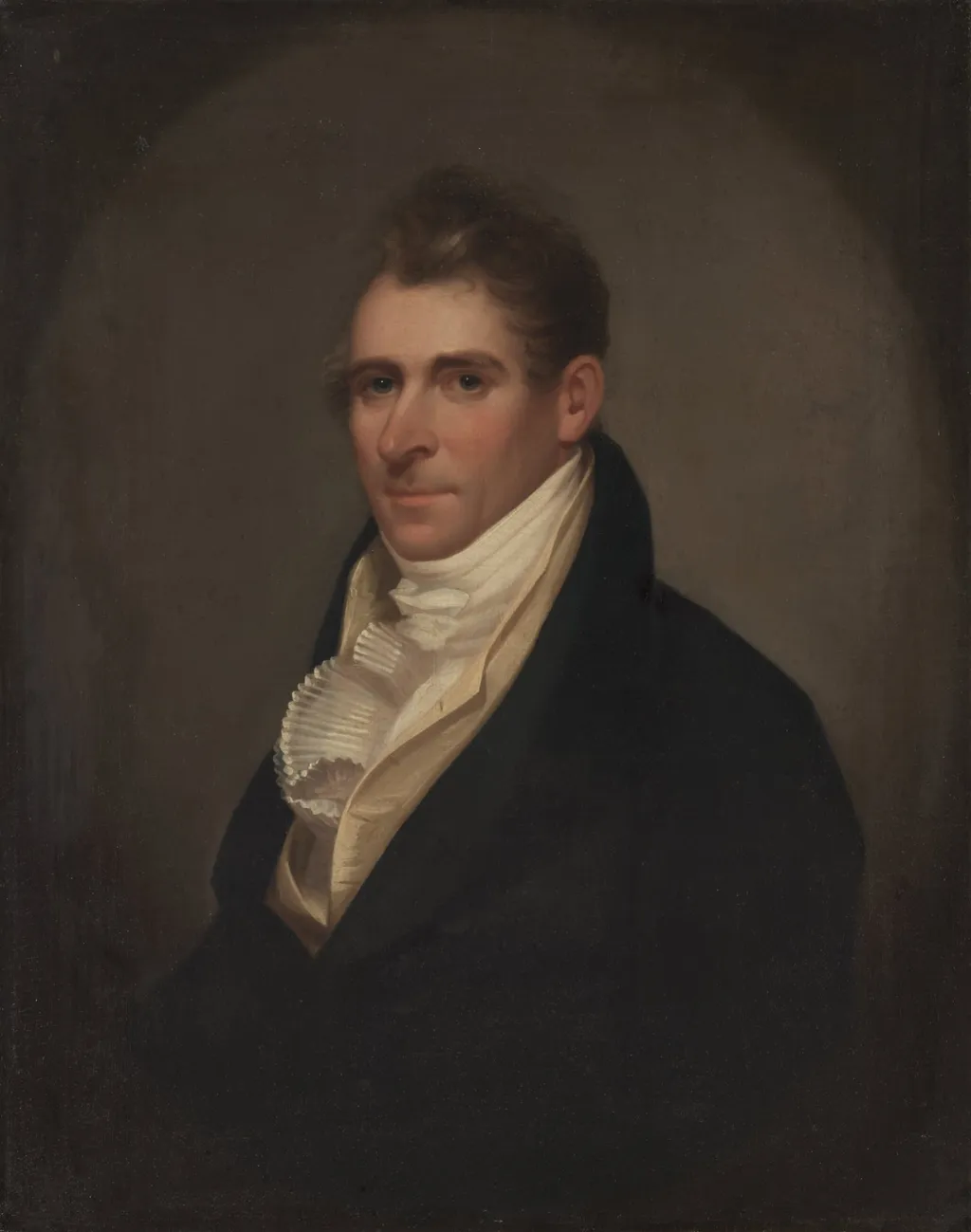
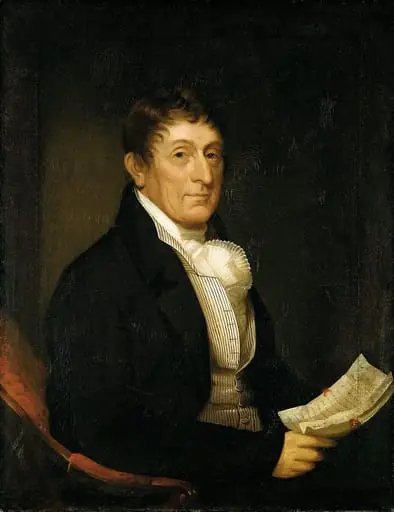
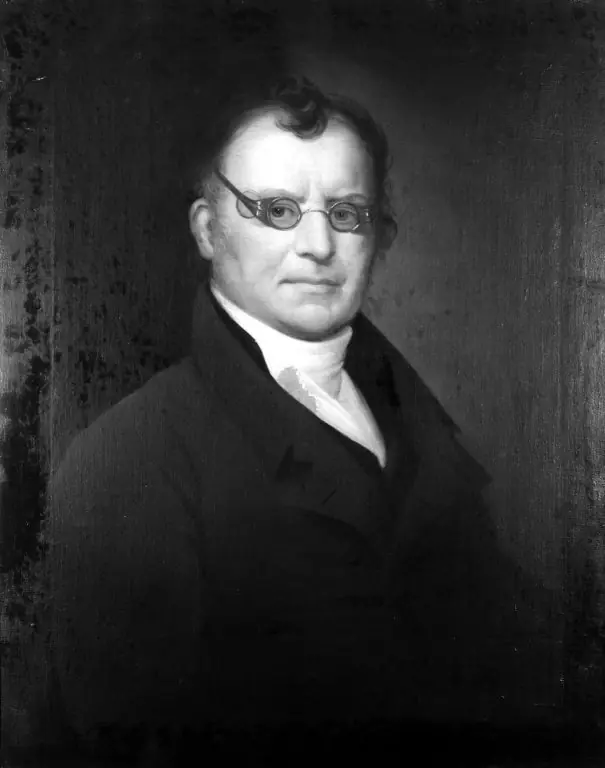
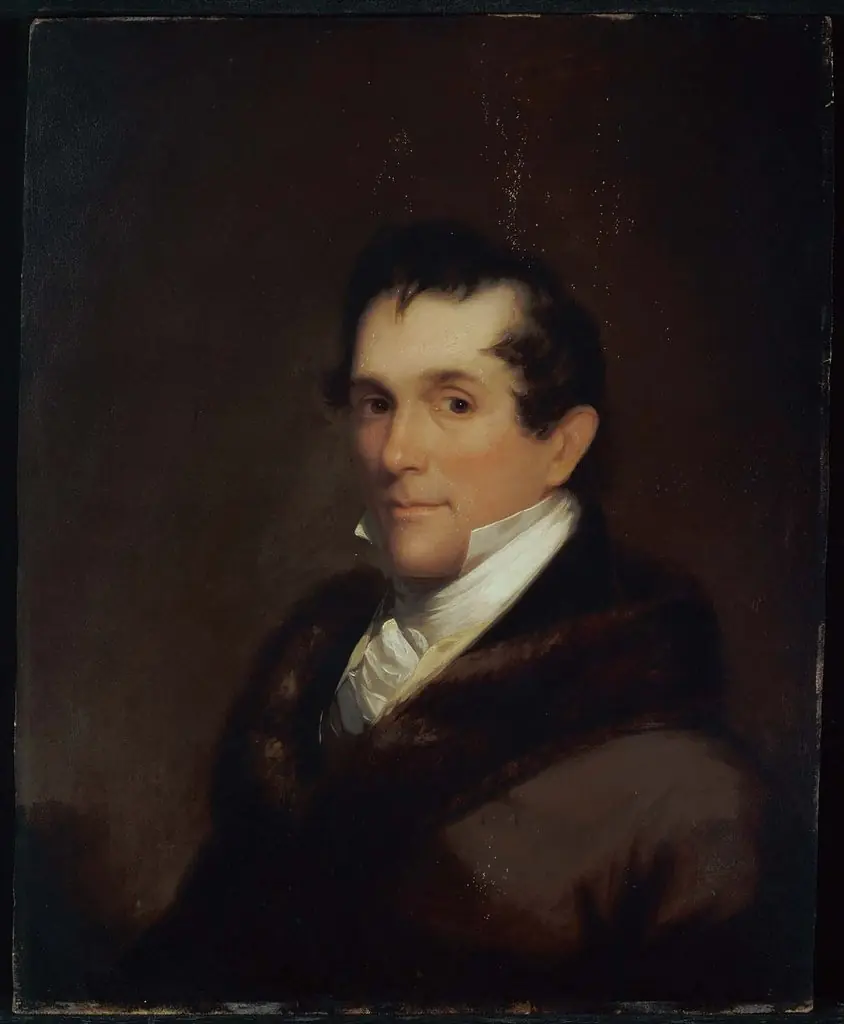
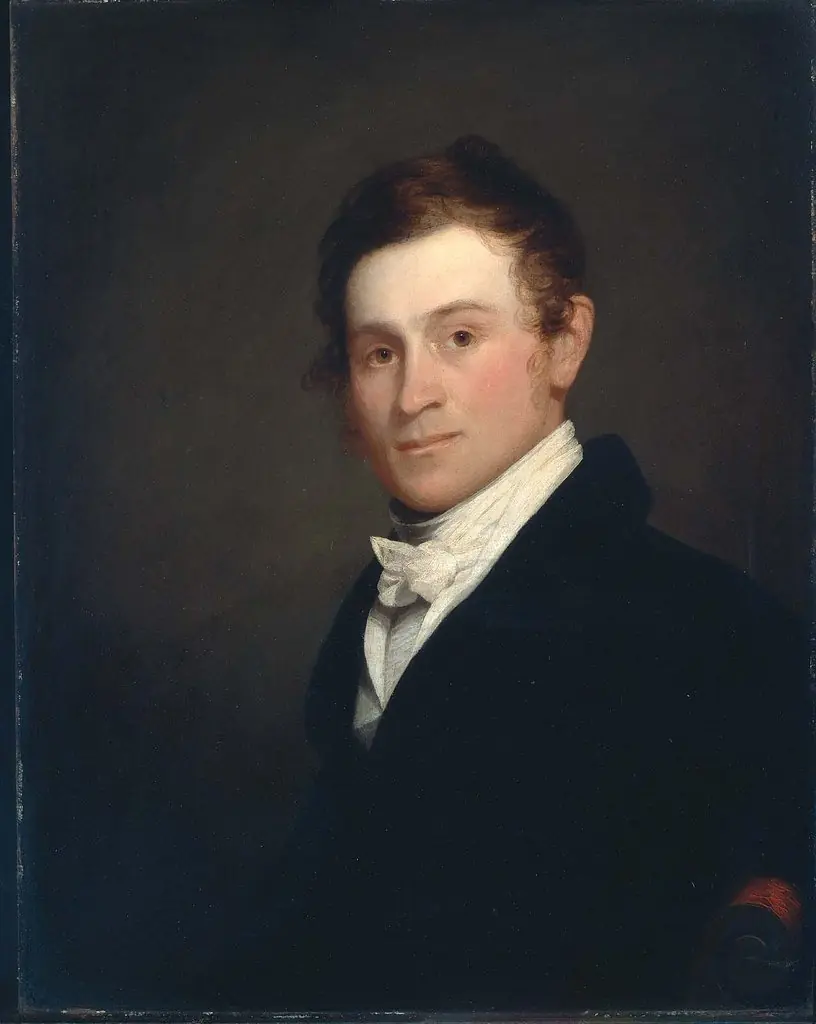
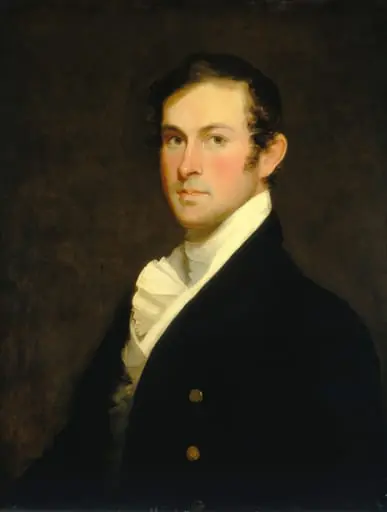
John Scoville is an unspecified painting by the American Folk Art artist Ezra Ames. It dates from 1810 and is held in the collection of the Cleveland Museum of Art.
About this work
Overview
Ames operated within the American folk art tradition, emphasizing clarity and dignity over theatricality.
Painted around 1810 by Ezra Ames, a prolific portraitist active in Albany, New York, this work is one of more than seven hundred portraits he produced over his career. Ames operated within the American folk art tradition, emphasizing clarity and dignity over theatricality. The painting captures John Scoville, a contemporary resident of the region, in a straightforward, unadorned style typical of provincial portraiture in the early 19th century.
Subject & Meaning
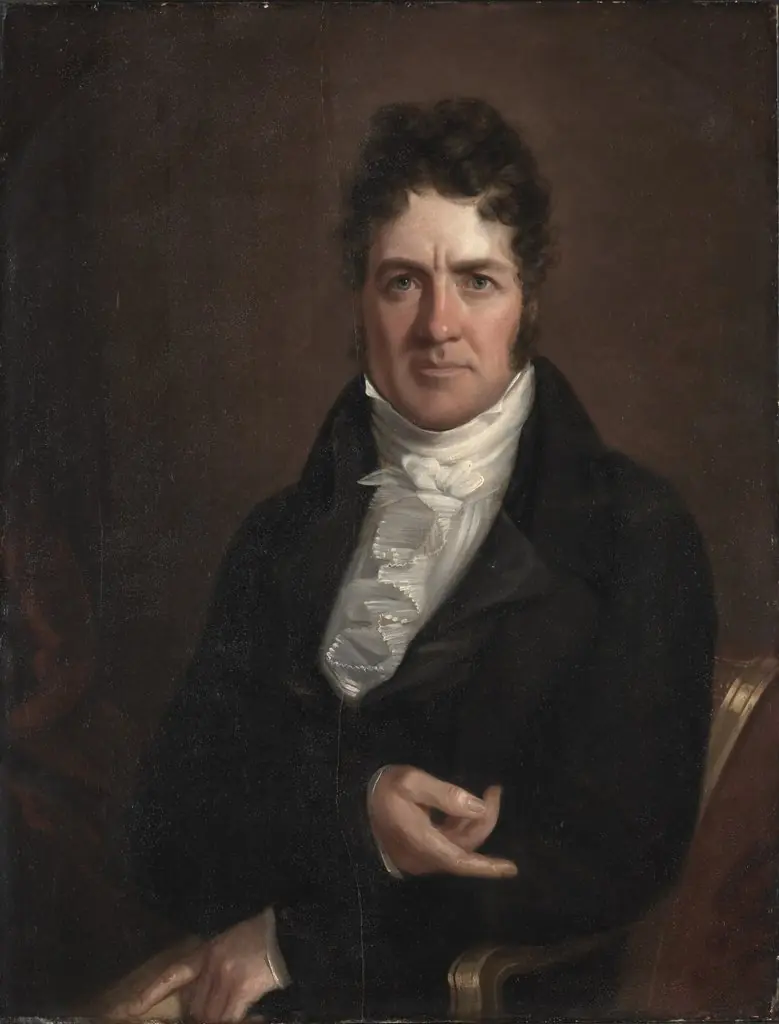
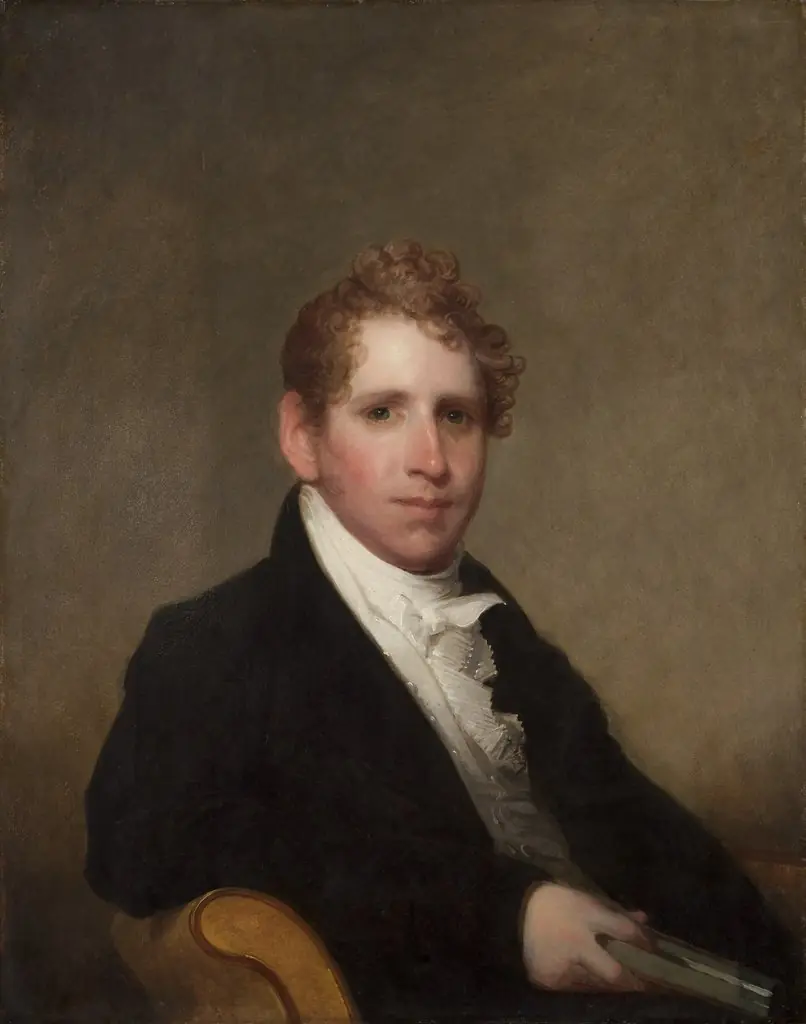
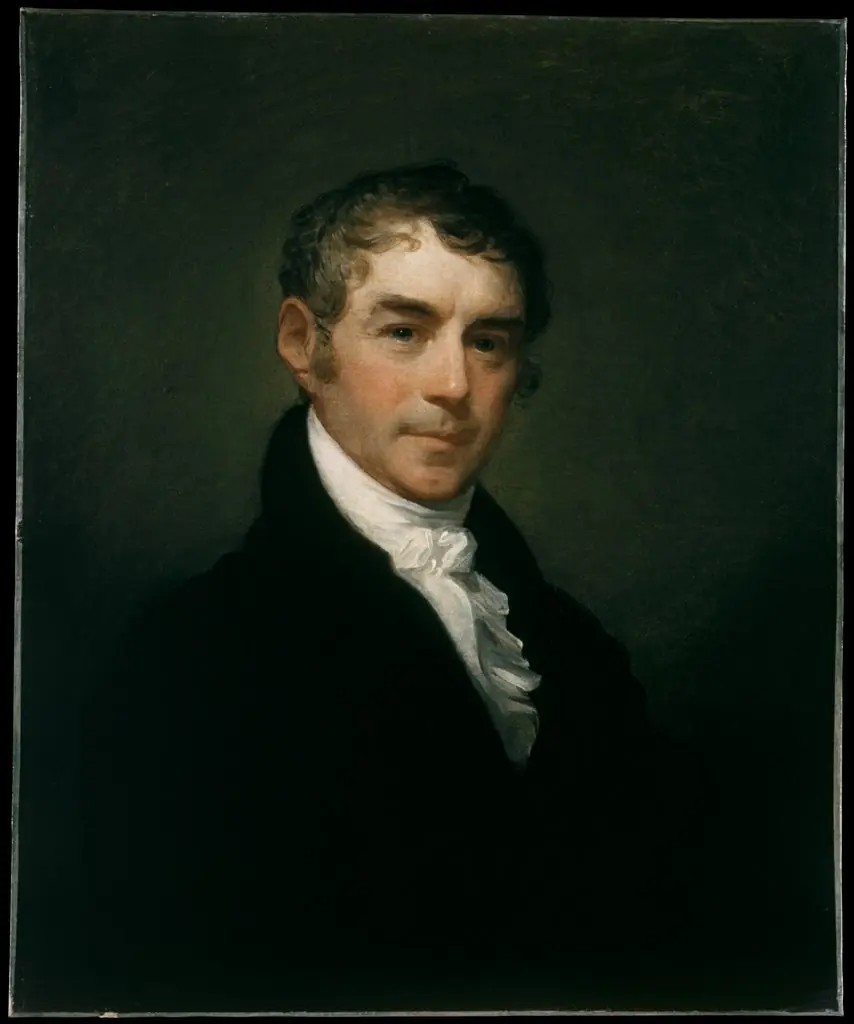
John Scoville is depicted with a composed, direct gaze and restrained posture, suggesting a quiet sense of personal dignity. His attire—a dark coat and sharply rendered white cravat—signals middle-class respectability, common among professional or landowning men of the era. The absence of symbolic objects or elaborate settings focuses attention on the sitter’s presence, reflecting a cultural preference for individual character over social display.
Technique & Style
Ames employed a controlled, precise brushwork to render the texture of fabric, particularly the crisp folds of the cravat, which stand out against the dark, neutral background. The lighting is even and functional, avoiding dramatic contrasts. This approach prioritizes clarity and likeness over emotional intensity, aligning with the practical aims of early American portraiture, where accuracy and decorum outweighed stylistic flourish.
History & Provenance
The portrait remained in private hands for much of its history before entering the collection of The Cleveland Museum of Art. Its documented attribution to Ezra Ames, supported by stylistic analysis and regional records, confirms its origin in upstate New York’s artistic circles. The painting’s survival and preservation reflect its value as a representative example of early 19th-century American portraiture outside major urban centers.
Context
In the early 1800s, portrait painting in rural and mid-sized American towns was often the domain of itinerant or locally based artists like Ames. With limited access to European training, these painters developed a distinctive vernacular style—direct, detailed, and focused on the sitter’s appearance. Such works served as markers of social standing and familial memory in communities where formal portraiture was still a rare commodity.
Legacy
Ames’s body of work, including this portrait, contributes to the understanding of American visual culture beyond the elite centers of Boston or Philadelphia. His paintings offer insight into the aesthetics and values of ordinary citizens in the early republic. Today, works like this are studied for their role in documenting regional identity and the evolution of American artistic practice before the rise of academic institutions.
Own this work as a print
Artist & collection
Artist
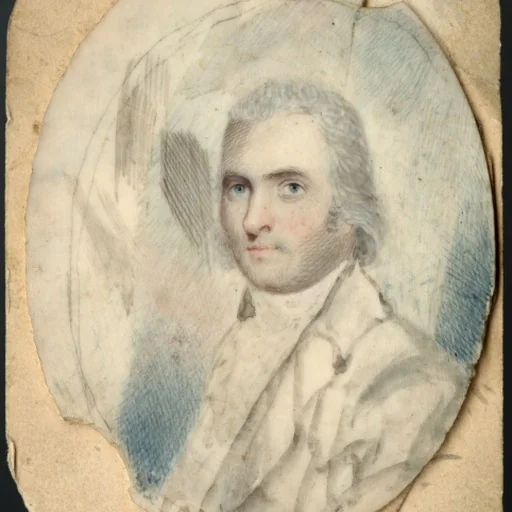
Ezra Ames (May 5, 1768 – February 23, 1836) was a popular portrait painter in Albany, New York, during the late 18th and early 19th centuries. More than 700 portraits have been attributed to him.