Artwork
Mrs. Noah Smith and Family
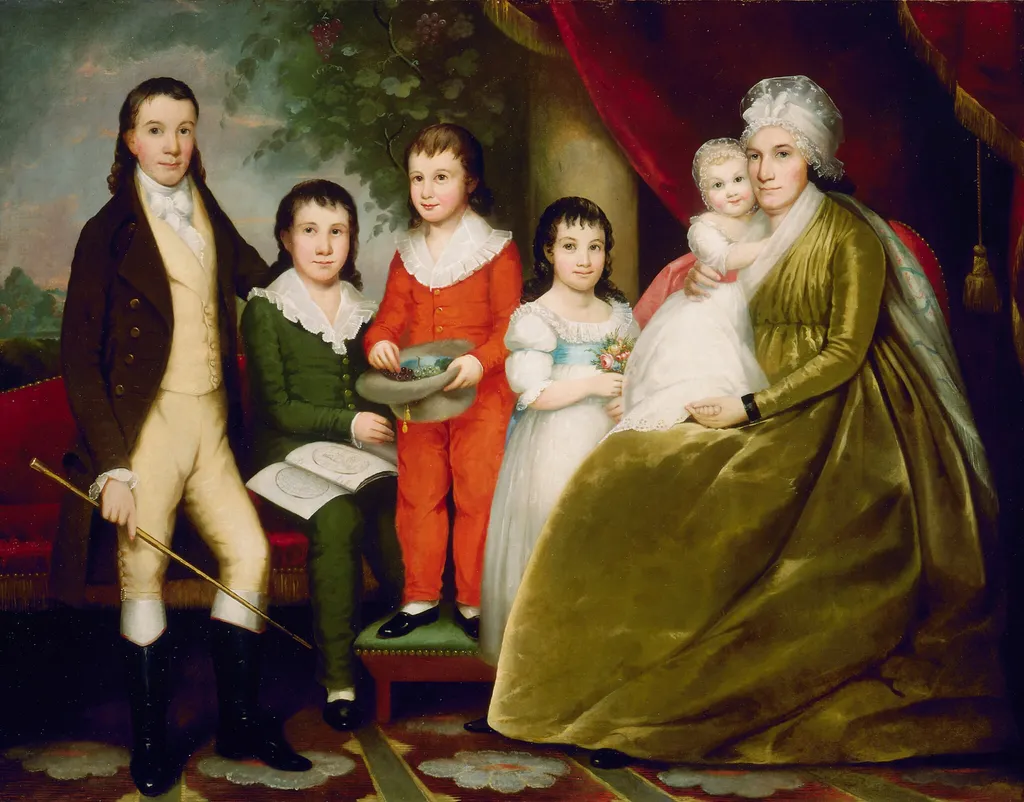
Mrs. Noah Smith and Family is an oil painting by the American Folk Art artist Ezra Ames. It dates from 1830 and is held in the collection of the Art Institute of Chicago.
About this work
This work uses glazing, a technique where thin layers of paint go over dry paint to make colors look rich.
The painting shows a family — Mrs. Noah Smith, her husband, and their daughter — sitting in a plain room. The daughter holds a book while the parents look at the viewer. The clothes look stiff and formal.
This was painted in 1830 in Albany, New York. The artist, Ezra Ames, mostly painted portraits. He did it in his studio, not outdoors.
This work uses glazing, a technique where thin layers of paint go over dry paint to make colors look rich.
Overview
Painted circa 1830 by Ezra Ames, this oil-on-canvas portrait captures Mrs. Noah Smith, her husband, and their daughter in a modest interior setting. Ames, a well-established portraitist in Albany, New York, produced this work in his studio, adhering to the conventions of early American portraiture. The painting is part of the Art Institute of Chicago’s collection and reflects the regional artistic practices of the time, emphasizing domestic dignity over theatricality.
Subject & Meaning
The composition centers on a middle-class family engaged in quiet composure. Mrs. Smith and her husband direct their gaze outward, establishing a direct, almost formal connection with the viewer. Their daughter, holding a book, suggests an emphasis on education and moral refinement. The arrangement conveys stability and propriety, values central to early 19th-century domestic ideals in upstate New York.
Technique & Style
Ames employed glazing techniques, applying thin, transparent layers of oil paint over dried underpainting to achieve depth and luminosity in fabrics and skin tones. The figures are rendered with precise, almost rigid contours, typical of folk portraiture. Backgrounds remain unadorned, focusing attention on the subjects. The stiff, formal attire and static poses reflect a preference for clarity and order over naturalistic movement.
History & Provenance
Created in Albany, New York, during the height of Ames’s career, the painting likely originated as a private commission, possibly to commemorate family status or a significant occasion. It remained in regional hands before entering the Art Institute of Chicago’s collection. Its survival and preservation offer insight into the patronage networks and artistic practices of small-town America in the 1830s.
Context
In early 19th-century New York, portrait painting was a common means for families to assert social standing. Artists like Ames, working outside major urban centers, catered to local elites with accessible, straightforward styles. Unlike European traditions, American folk portraiture often prioritized recognizable likeness and moral symbolism over elaborate settings or dramatic lighting.
Legacy
This portrait exemplifies the quiet persistence of folk portraiture in America’s expanding republic. Though overshadowed by academic traditions, works like Ames’s provide valuable records of everyday life and aesthetic preferences among non-elite families. Its preservation underscores the cultural significance of regional artists in shaping a distinct American visual identity.
Own this work as a print
Artist & collection
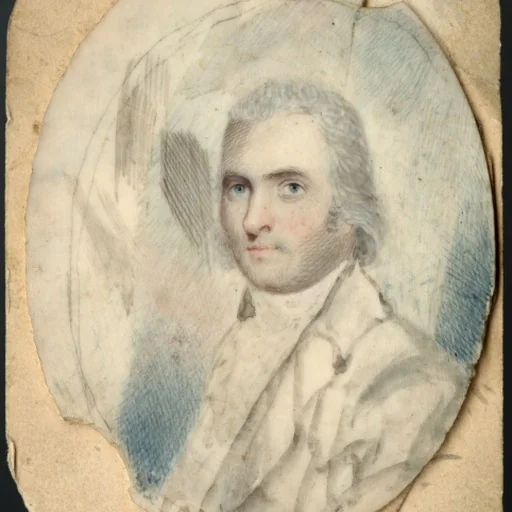
Artist
Ezra Ames (May 5, 1768 – February 23, 1836) was a popular portrait painter in Albany, New York, during the late 18th and early 19th centuries. More than 700 portraits have been attributed to him.

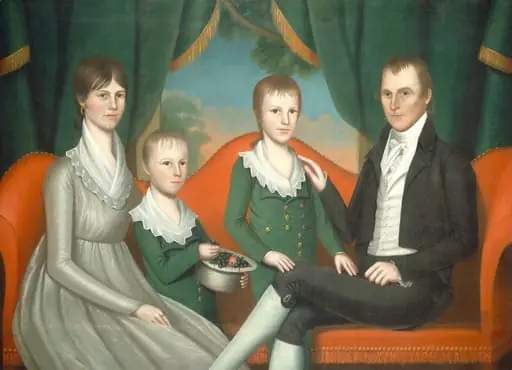 Family Portrait
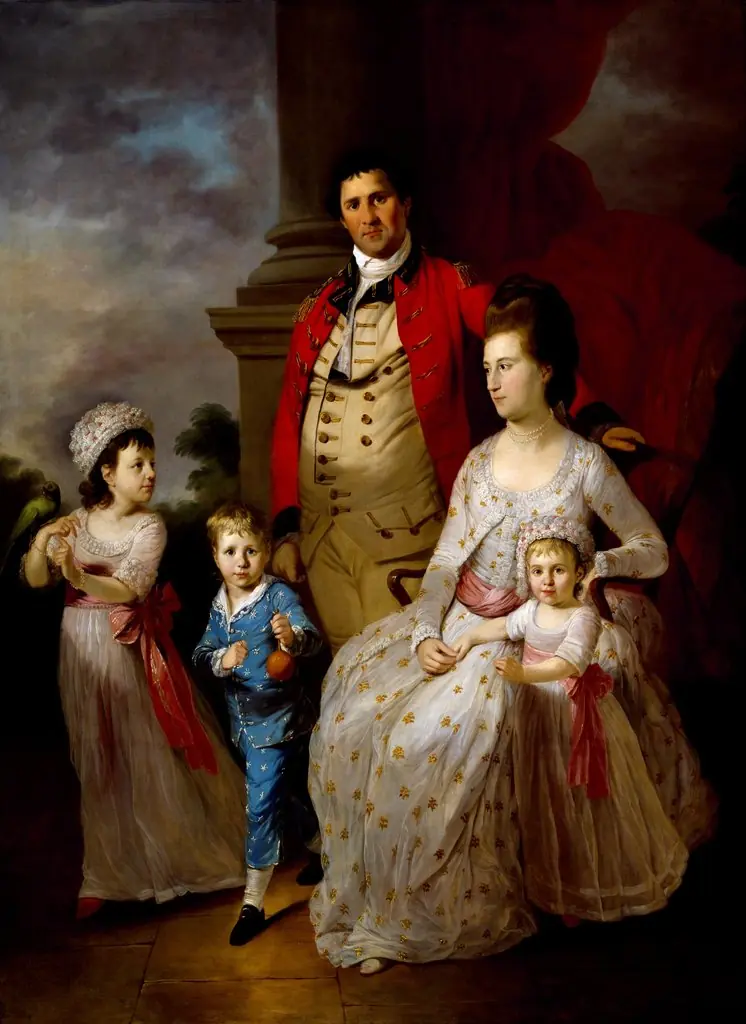 Colonel John Fortnum and Family
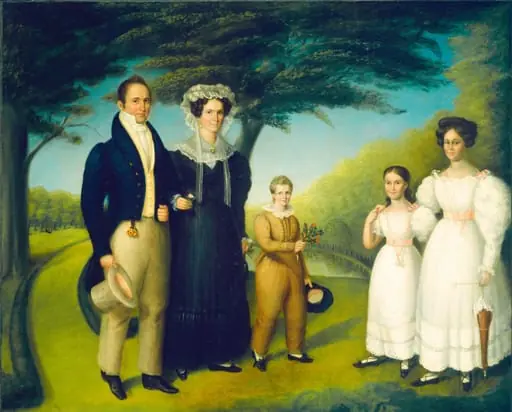 Dr. John Safford and Family
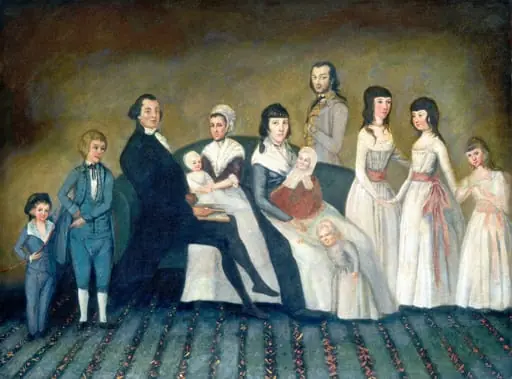 The Cheney Family
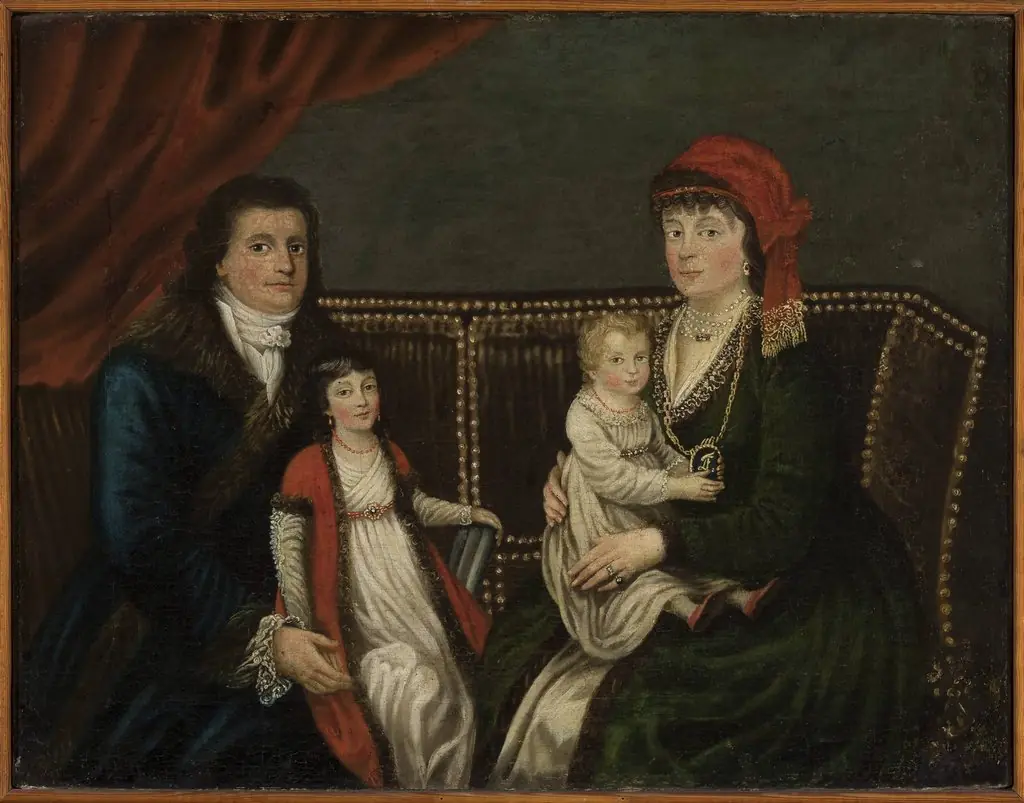 Portrait of the Lafontaine family, Leopold (1756–1812), surgeon, with his wife Teresa née Korneli (1768–1827) and daughters, Zofia (?–1831) and Wiktoria (1800–1849)
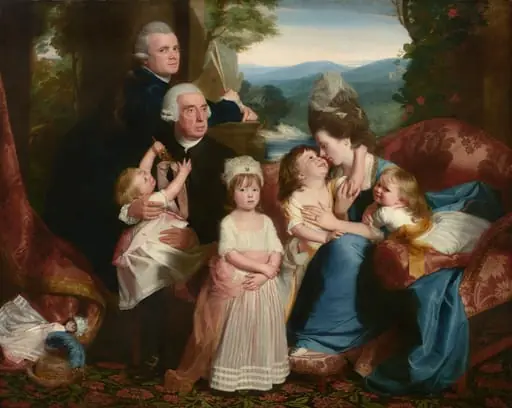 The Copley Family
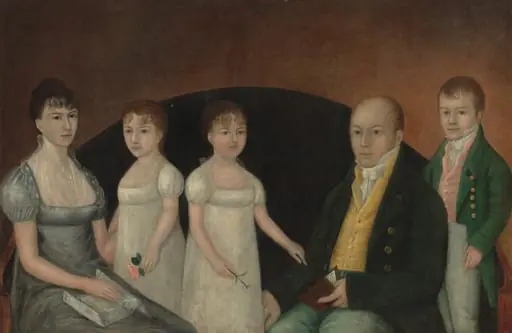 Family Group
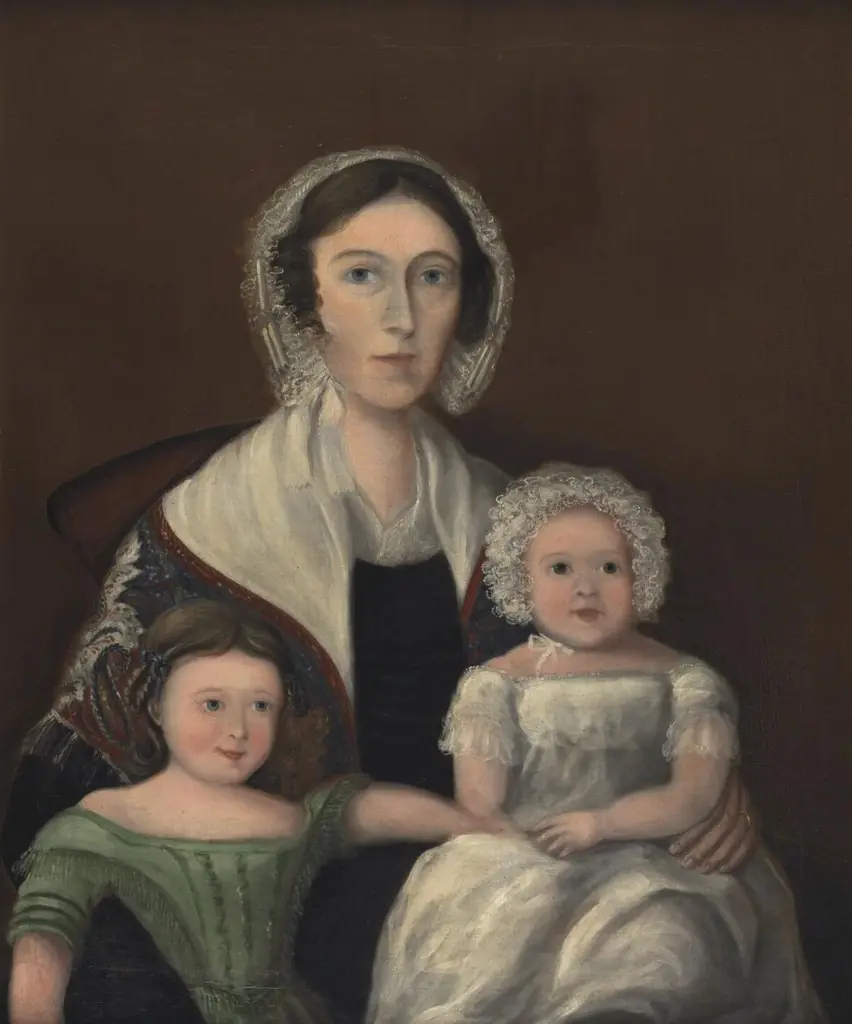 Margaret Rowlands & her children
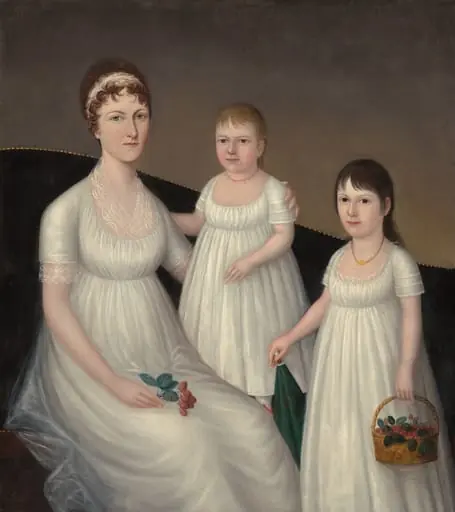 Grace Allison McCurdy (Mrs. Hugh McCurdy) and Her Daughters, Mary Jane and Letitia Grace
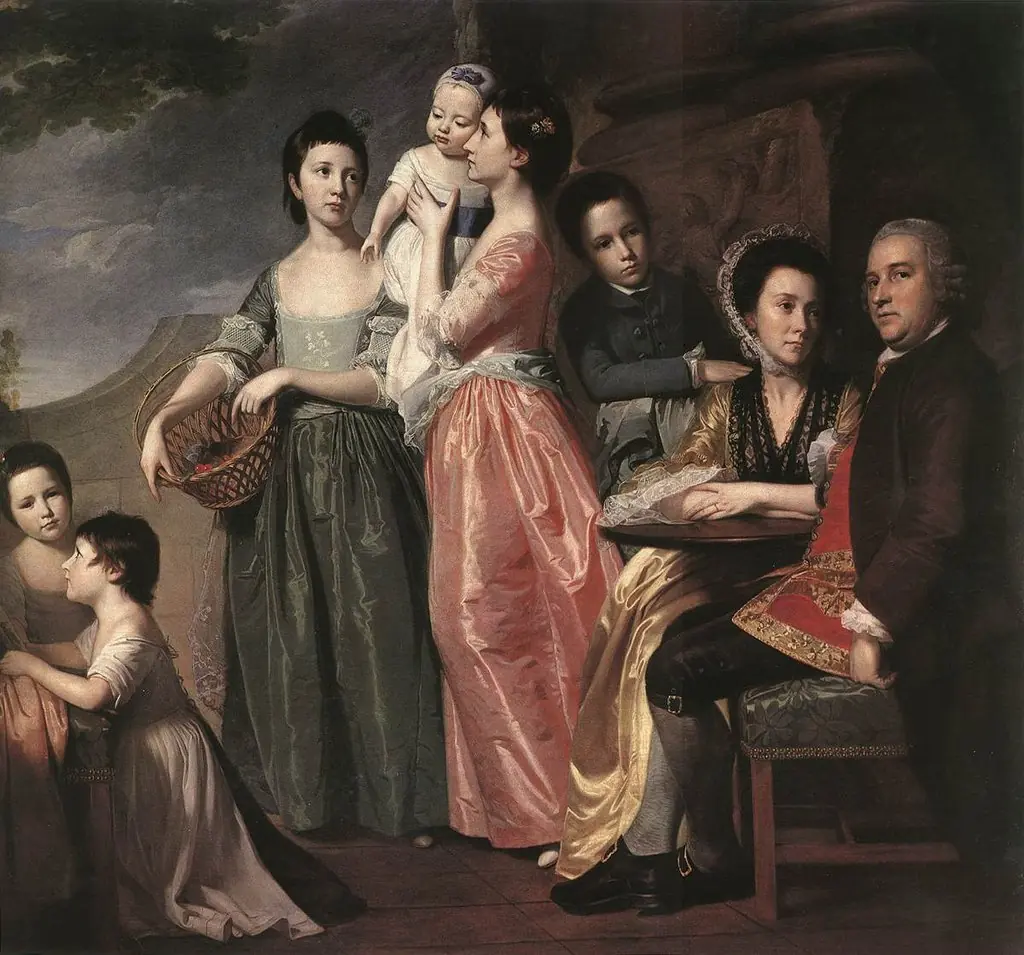 A large family piece