Artwork
Part of the Last Judgment from Michael Angelo
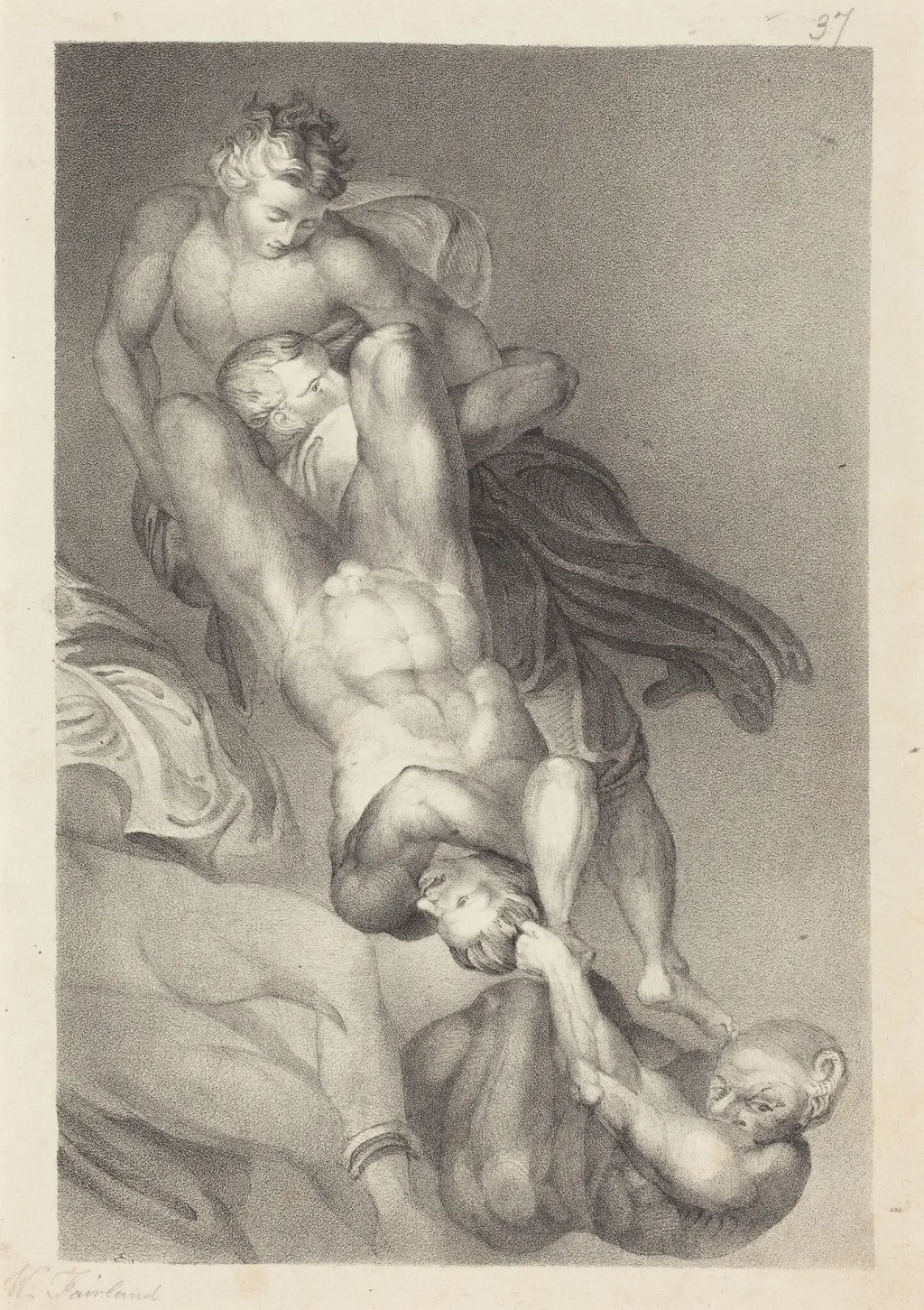
Part of the Last Judgment from Michael Angelo is an ink print by the Romanticist artist William Fairland. It dates from 1829 and is held in the collection of the National Gallery of Art.
About this work
Overview
This lithographic print, produced by William Fairland in 1829, reproduces a section of Michelangelo’s fresco from the Sistine Chapel’s Last Judgment.
This lithographic print, produced by William Fairland in 1829, reproduces a section of Michelangelo’s fresco from the Sistine Chapel’s Last Judgment. Created as a proof before the addition of lettering, it captures a fragment of the original composition with heightened emphasis on movement and emotional tension. The work reflects 19th-century European interest in reproducing Renaissance masterpieces for wider audiences through emerging print technologies.
Subject & Meaning
The scene depicts three figures entangled in a dynamic, upward surge, likely souls in the moment of divine judgment. One figure, with curled hair, reaches toward the heavens, while the others are ensnared in swirling drapery, their bodies contorted in apparent anguish or striving. The composition conveys spiritual turmoil rather than resolution, echoing Michelangelo’s portrayal of human vulnerability before divine power.
Technique & Style
Fairland employed lithography to translate Michelangelo’s sculptural forms into tonal gradations, using soft shading to suggest volume and motion. The lines are fluid and expressive, emphasizing the figures’ twisting postures and the weight of their drapery. This approach aligns with Romantic aesthetics, prioritizing emotional intensity and dynamic composition over classical restraint, even as it remains faithful to the source’s anatomical complexity.
History & Provenance
The print was made during a period of renewed interest in Renaissance art, fueled by travel, publications, and reproductive prints. Fairland, known for his reproductions of Old Master works, created this as a preparatory proof, likely for an edition that would later include descriptive text. Its survival as a proof before letters suggests it was used for review or limited circulation among collectors and artists.
Context
In the 1820s, lithography became a favored medium for disseminating high art to the middle class. Fairland’s print emerged alongside broader cultural efforts to democratize access to Renaissance imagery, particularly Michelangelo’s controversial Sistine Chapel fresco. While the original fresco stirred theological debate, the print reframed it as an object of aesthetic admiration, detached from its ecclesiastical context.
Legacy
Fairland’s lithograph contributed to the enduring visual legacy of Michelangelo’s Last Judgment in the 19th century. Though not widely exhibited, such proofs helped shape public perception of Renaissance art through accessible, portable formats. The work stands as an example of how mechanical reproduction both preserved and transformed the emotional resonance of original masterpieces for new audiences.
Artist & collection


 Academic study of the Wrestlers
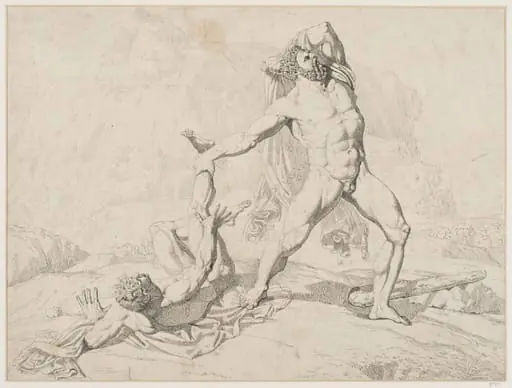 Hercules, in his death throes, hurling Lichas into the sea
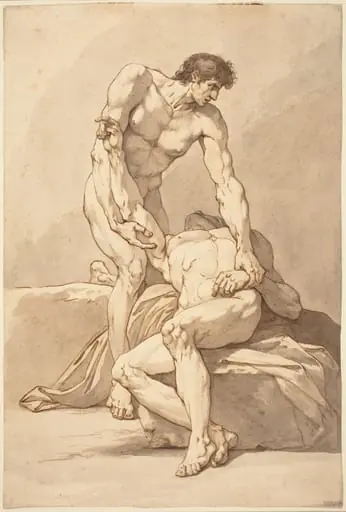 Two Nude Men
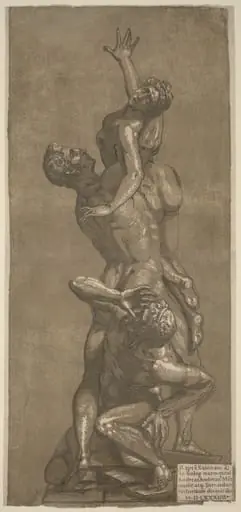 The Rape of a Sabine
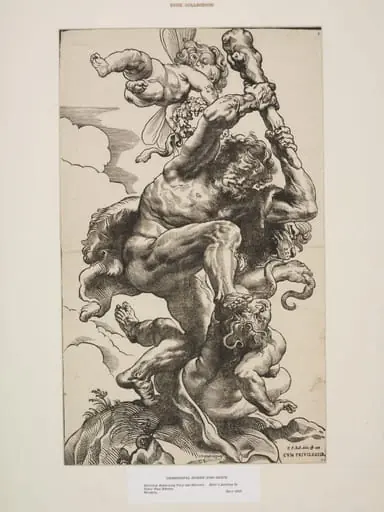 Hercules Exterminating Fury and Dischord
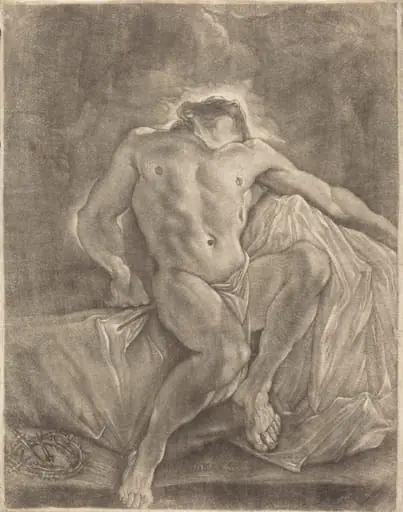 The Dead Body of Christ
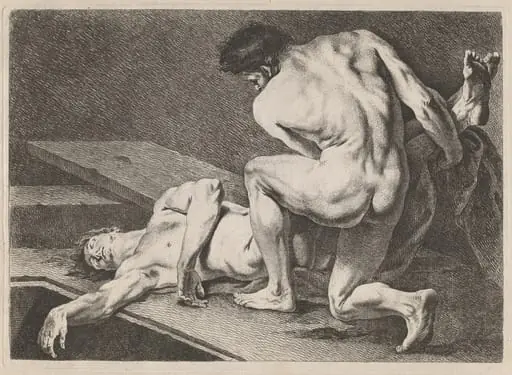 An Entombment
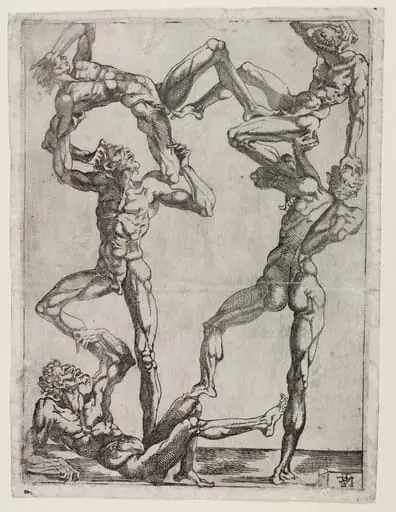 Pyramid of Five Men
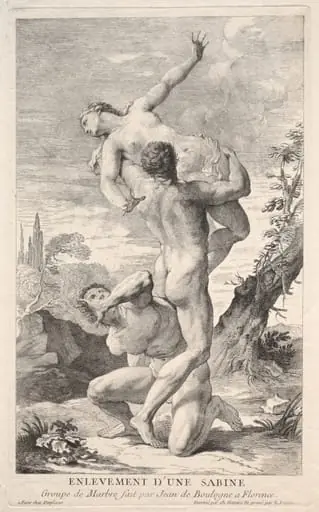 Rape of the Sabines
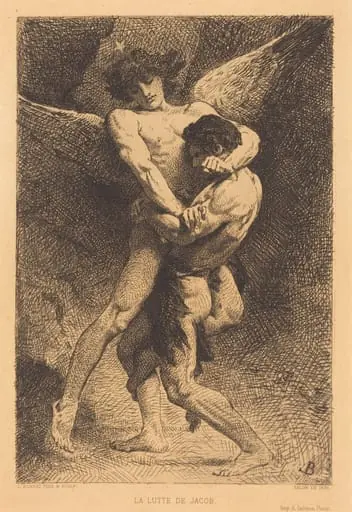 La Lutte de Jacob (Jacob Wrestling with the Angel)
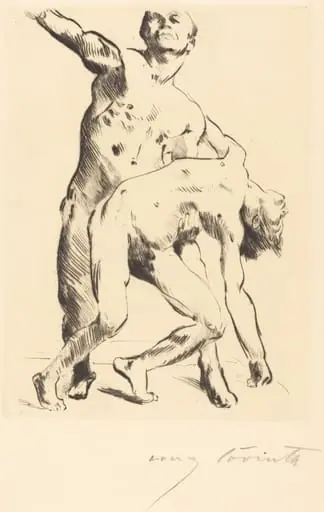 Odysseus und die Freier (Odysseus and the Suitor)
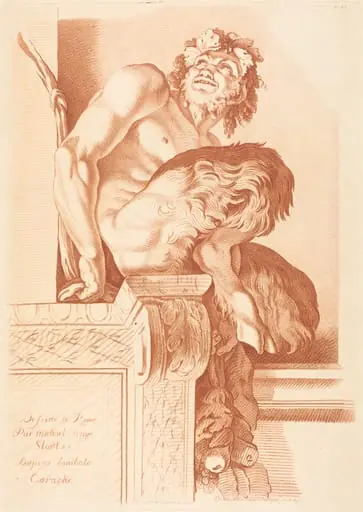 Satyr
Satyr