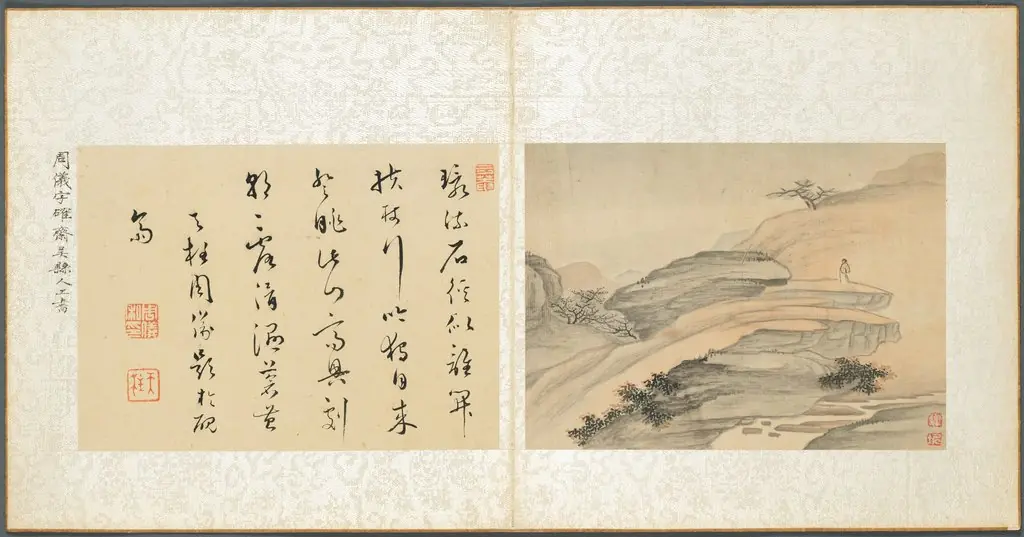
Artwork
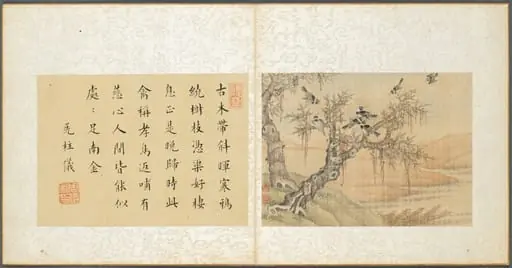
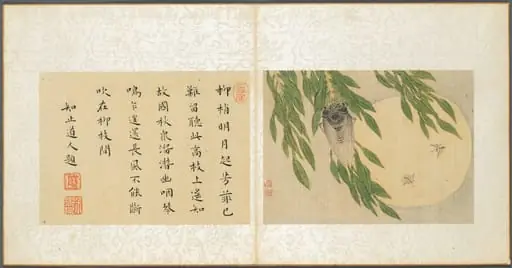
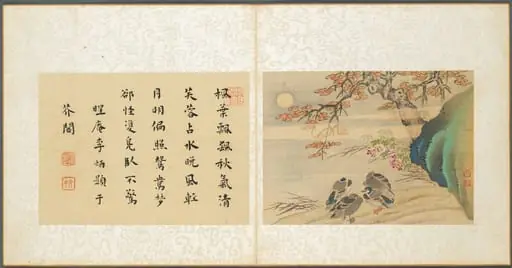
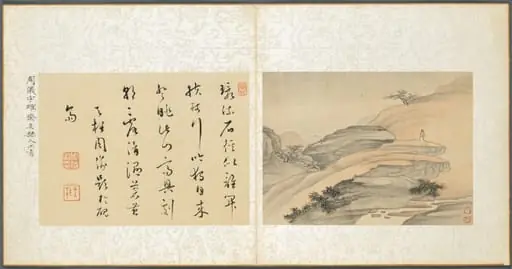
Album of Miscellaneous Subjects, Leaf 7
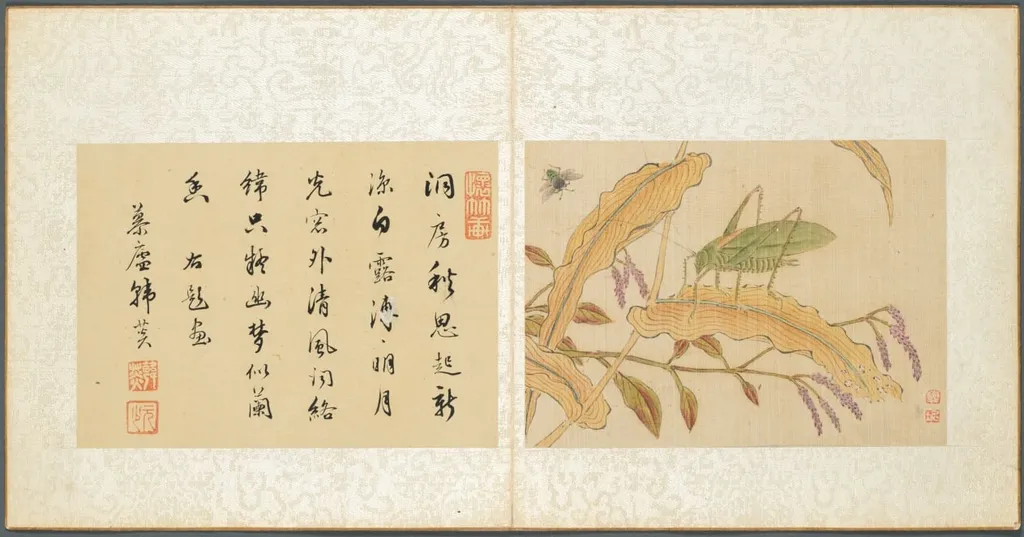
Album of Miscellaneous Subjects, Leaf 7 is an unspecified painting by the Baroque artist Fan Qi. It dates from 1654 and is held in the collection of the Cleveland Museum of Art.
About this work
The handwritten poem at the top matches the mood of the image, blending words and pictures in a way that feels personal, almost like a diary entry.
You see a small, delicate painting of a woman in a quiet room, holding a fan. A moon shines through the window, and crickets chirp outside.
This is one page from a larger album—like a sketchbook—where Fan Qi painted scenes of daily life and poetry. The handwritten poem at the top matches the mood of the image, blending words and pictures in a way that feels personal, almost like a diary entry.
To see more works like this, look up china, qing dynasty (1644-1911).
Overview
This leaf is part of an album by Fan Qi, a Qing-dynasty artist known for intimate, poetic scenes. Each page combines delicate brushwork with handwritten verse, forming a unified experience of image and text. Leaf 7 presents a solitary woman in a quiet interior, accompanied by a poem evoking autumn’s quiet melancholy. The album functions as a personal visual diary, reflecting literati ideals of harmony between nature, emotion, and art.
Subject & Meaning
The woman, holding a fan, sits in stillness as moonlight spills through the window. The poem above speaks of autumn’s chill, frost, and the distant chirping of crickets, evoking solitude and tender longing. Orchid fragrance, unseen but sensed, suggests subtle beauty and inner reflection. Together, image and text convey a private moment of contemplation, where external stillness mirrors internal emotion.
Technique & Style
Fan Qi employs fine, restrained brushstrokes to render the figure and interior with quiet precision. The moonlight is suggested through minimal ink washes, while the crickets and orchids remain implied rather than depicted. The composition favors negative space, enhancing the sense of quiet. Calligraphy is integrated as a visual element, its rhythm echoing the poem’s mood and unifying text with image.
History & Provenance
The album was likely compiled in the late 17th or early 18th century, during the Qing dynasty’s cultural flourishing. Such albums were often circulated among scholar-officials as gifts or collectibles, valued for their literary and artistic synergy. Leaf 7’s colophon, attributed to Han Tan, indicates collaboration between poet and painter, a common practice among literati circles of the time.
Context
In Qing literati culture, painting and poetry were inseparable arts, both tools for expressing refined sensibility. Albums like this one allowed artists to explore transient moods—seasonal change, solitude, memory—outside formal commissions. The emphasis on personal emotion and natural detail marked a shift from grand historical or religious themes toward introspective, everyday beauty.
Legacy
Fan Qi’s album leaves exemplify the enduring Qing tradition of combining painting with poetry to capture fleeting emotional states. These works influenced later artists who sought to convey inner life through subtle suggestion rather than narrative detail. Today, such albums are studied as key expressions of literati aesthetics, where art becomes a quiet dialogue between viewer, poet, and painter.
Artist & collection


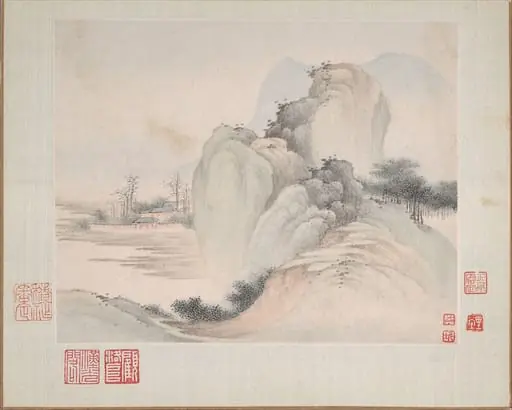 清 樊圻 為玉翁作山水圖 冊|Landscapes Painted for Yuweng
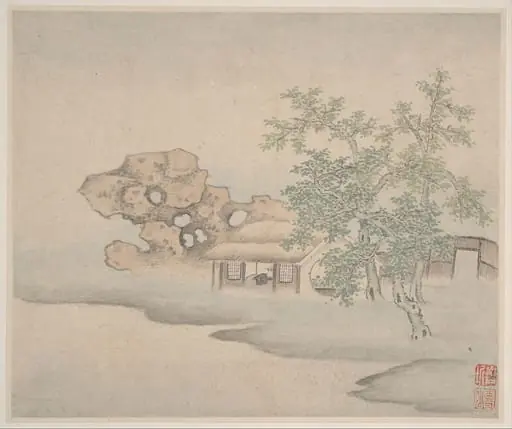 清 樊圻 山水圖 冊 紙本|Landscapes
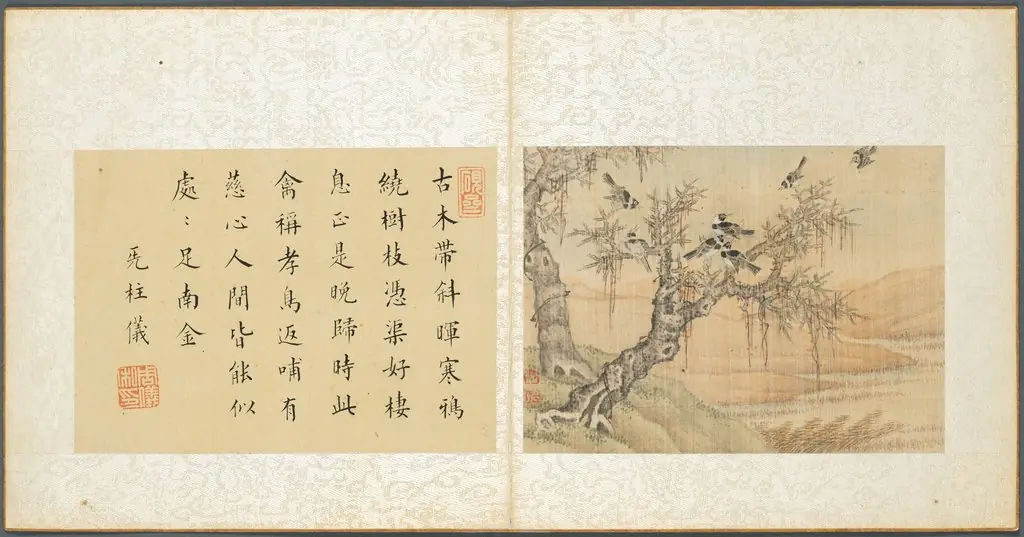 Album of Miscellaneous Subjects, Leaf 9
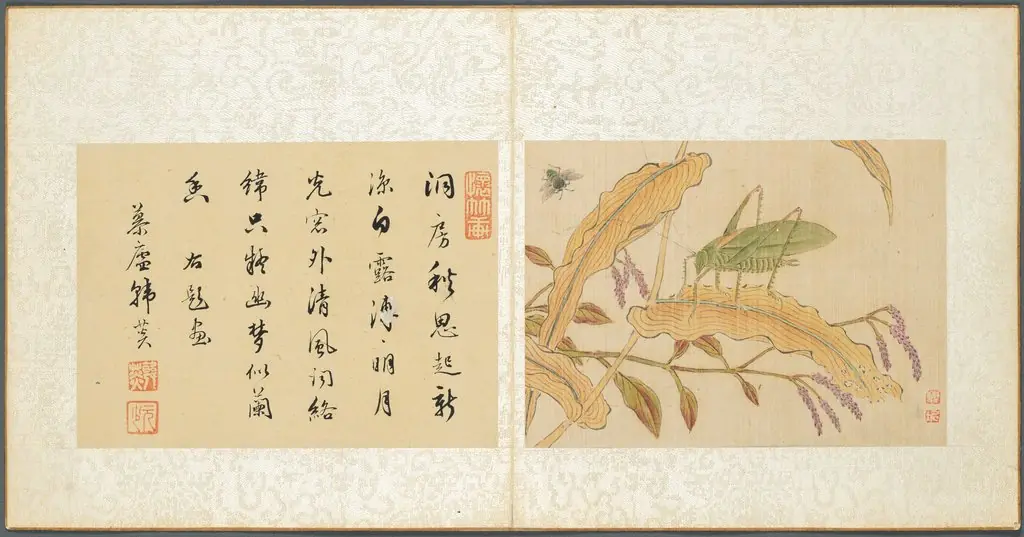 Album of Miscellaneous Subjects, Leaf 7
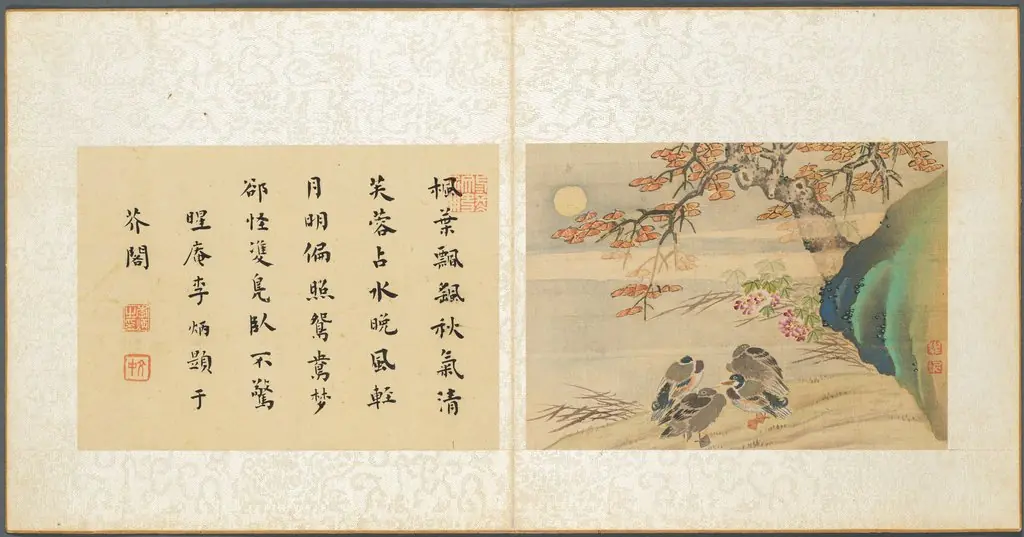 Album of Miscellaneous Subjects, Leaf 8
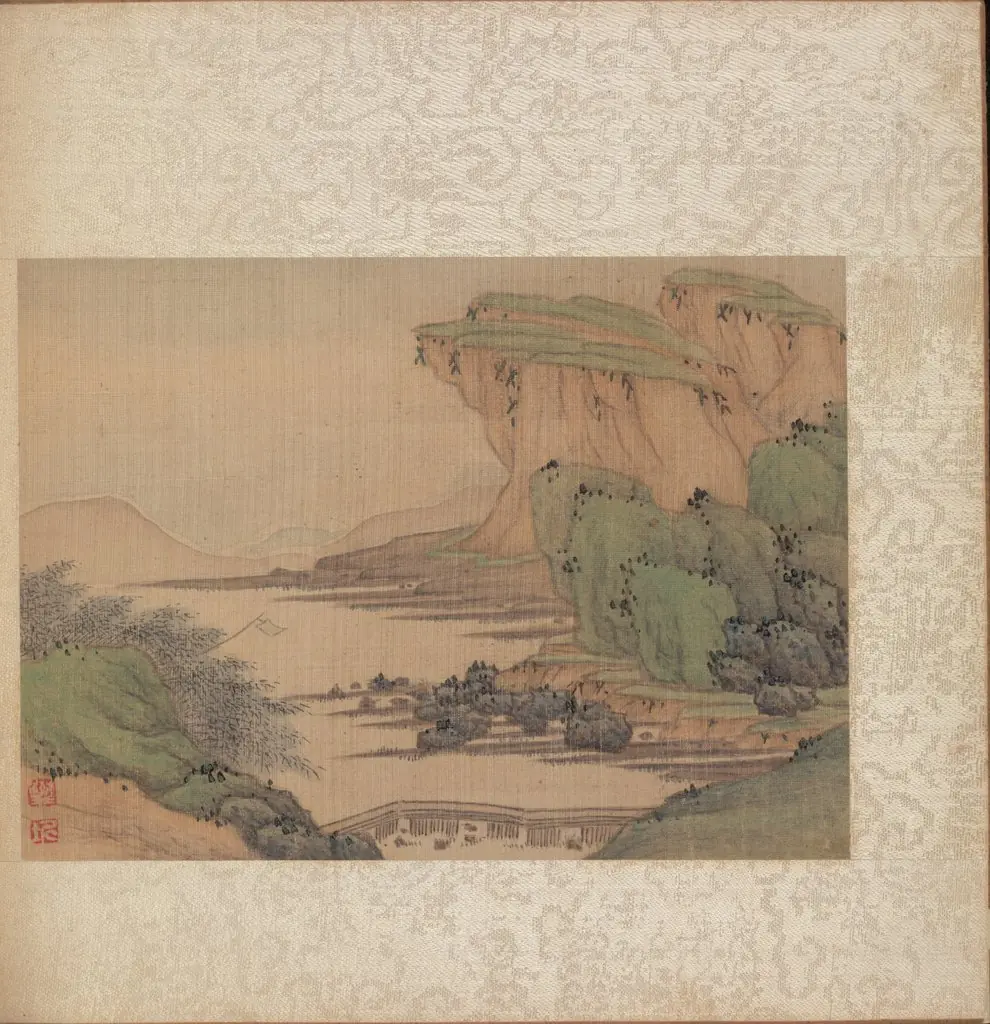 Album of Miscellaneous Subjects, Leaf 2
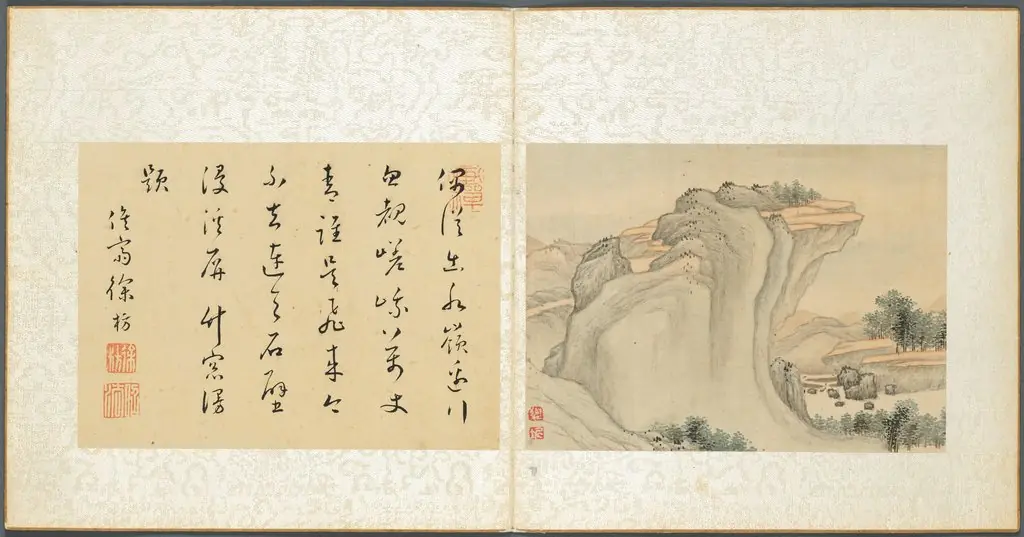 Album of Miscellaneous Subjects, Leaf 4
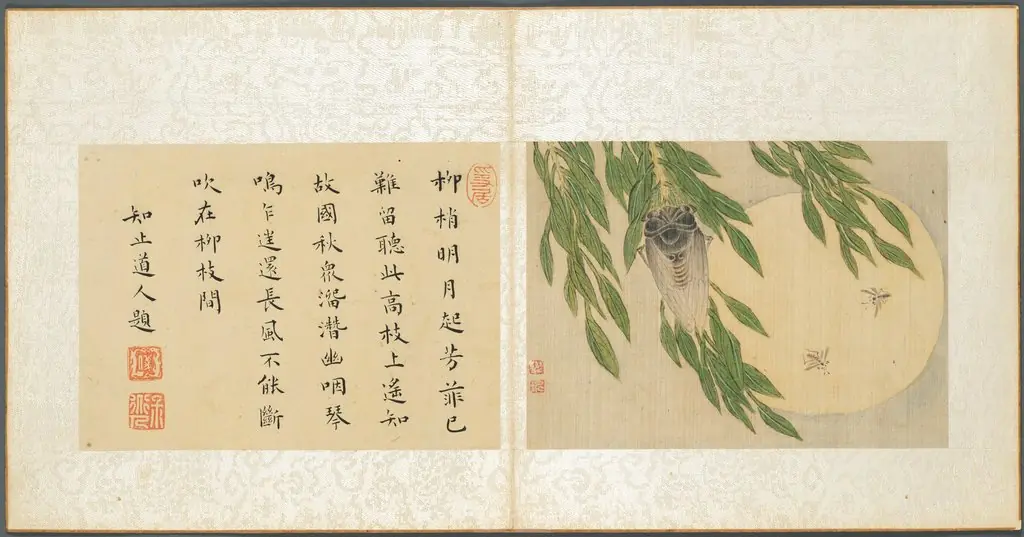 Album of Miscellaneous Subjects, Leaf 6