Artwork
The Siege of Mathura by Jarasandha
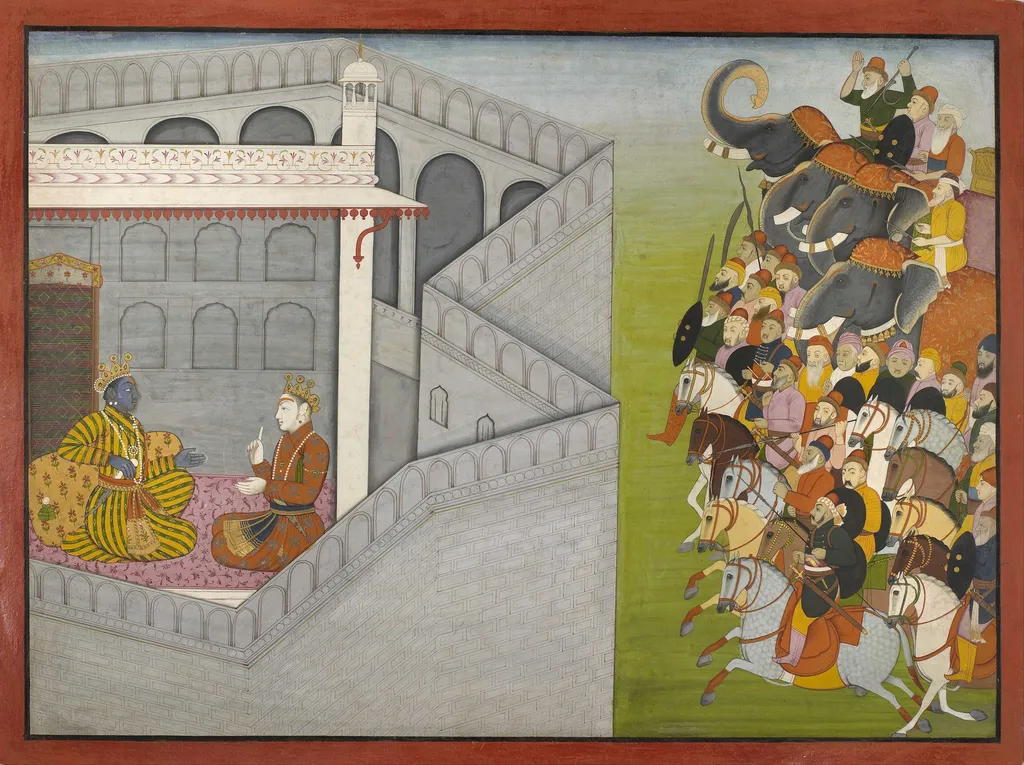
The Siege of Mathura by Jarasandha is an unspecified painting by the Rococo painting artist Fattu. It dates from 1769 and is held in the collection of the Museum of Fine Arts, Houston.
About this work
Overview
Executed in the Pahari style, it belongs to a tradition of Indian courtly painting that favored narrative clarity and rich detail.
Painted in 1769 by Fattu, this work illustrates a moment from the legendary siege of Mathura by the ruler Jarasandha. Executed in the Pahari style, it belongs to a tradition of Indian courtly painting that favored narrative clarity and rich detail. The piece is part of the collection at the Museum of Fine Arts, Houston, where it serves as an example of late 18th-century regional artistic practice in northern India.
Subject & Meaning
The scene captures the assault on Mathura’s fortified palace, a key episode in Puranic lore where Jarasandha, king of Magadha, attacks the city to confront Krishna. The mounted warriors represent his advancing forces, while the seated figure on the throne likely symbolizes Krishna or a local ruler under siege. The composition reflects themes of power, divine protection, and the tension between earthly conflict and spiritual authority.
Technique & Style
Fattu employed fine brushwork and layered pigments to render textures in armor, fabric, and architecture. The palette includes earthy yellows, muted greens, and indigo blues, creating atmospheric depth without perspective distortion. Figures are arranged in horizontal bands, typical of Pahari miniatures, with attention to ornamental detail in clothing and weaponry, emphasizing status and action over naturalistic space.
History & Provenance
The painting was likely commissioned by a regional patron connected to the Rajput or Pahari courts, where epic narratives were popular subjects. It remained in private collections in northern India before entering the Museum of Fine Arts, Houston’s holdings in the 20th century. Its survival reflects the continued appreciation of illustrated manuscripts and folio paintings beyond their original royal contexts.
Context
Created during a period when Indian courts increasingly patronized illustrated epics, this work aligns with broader trends in Pahari and Rajasthani painting. While Mughal influence introduced greater realism, regional artists like Fattu retained stylized forms and symbolic composition. The choice of a Krishna-related episode underscores the enduring cultural resonance of Bhagavata Purana stories in devotional and courtly art.
Legacy
Though not widely known outside specialized collections, the painting contributes to the understanding of how regional artists interpreted epic texts visually. It preserves a moment in the evolution of Indian painting where narrative tradition and local aesthetics coexisted with emerging influences. Its preservation allows ongoing study of how historical and mythological events were rendered in pre-colonial Indian visual culture.
Artist & collection

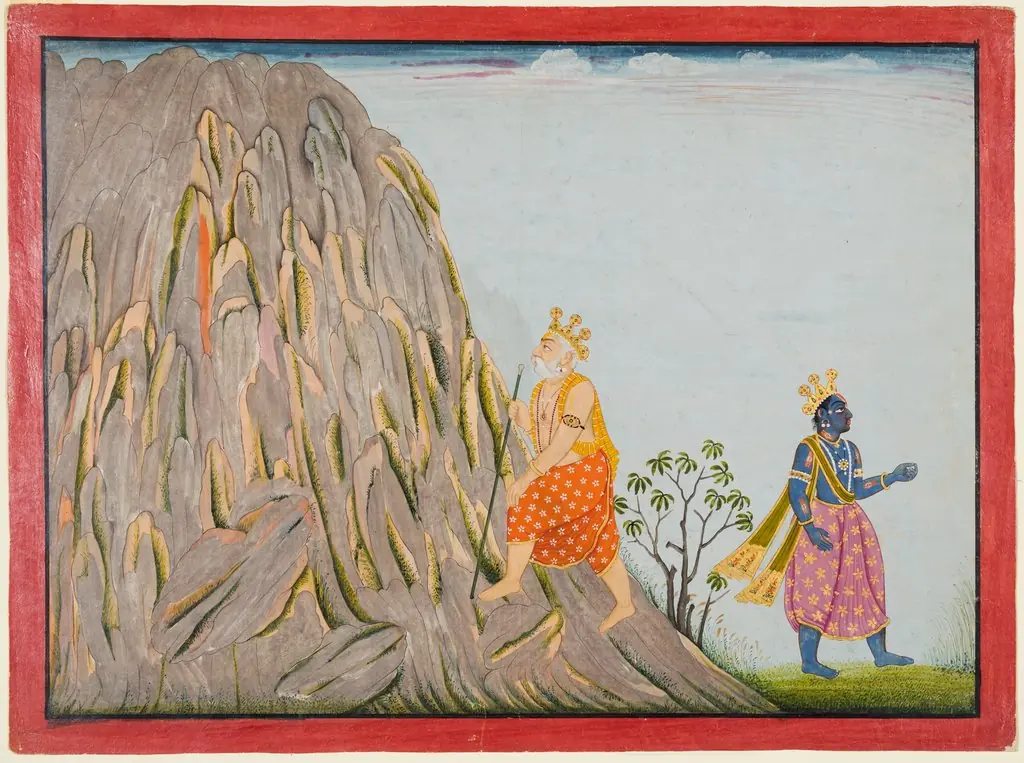
 Kamsa deploys Akrura and Keshi to Braj, from a Bhagavata Purana
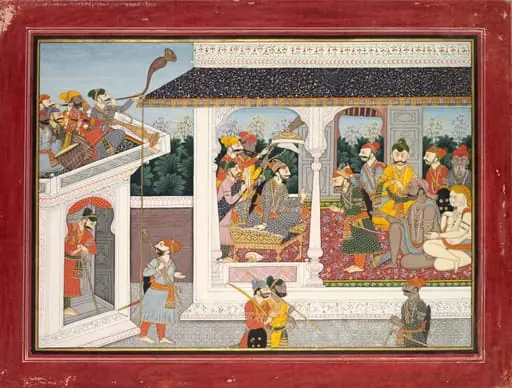 Kamsa deploys Akrura and Keshi to Braj, from a Bhagavata Purana
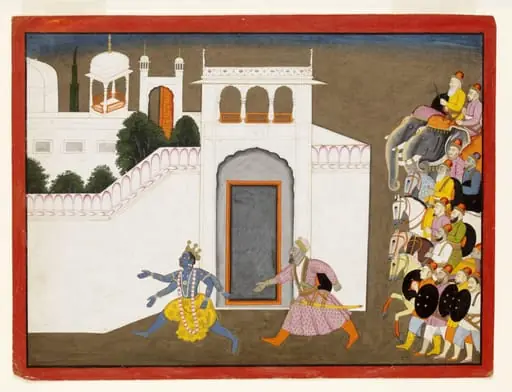 Kaljaman and Krishna
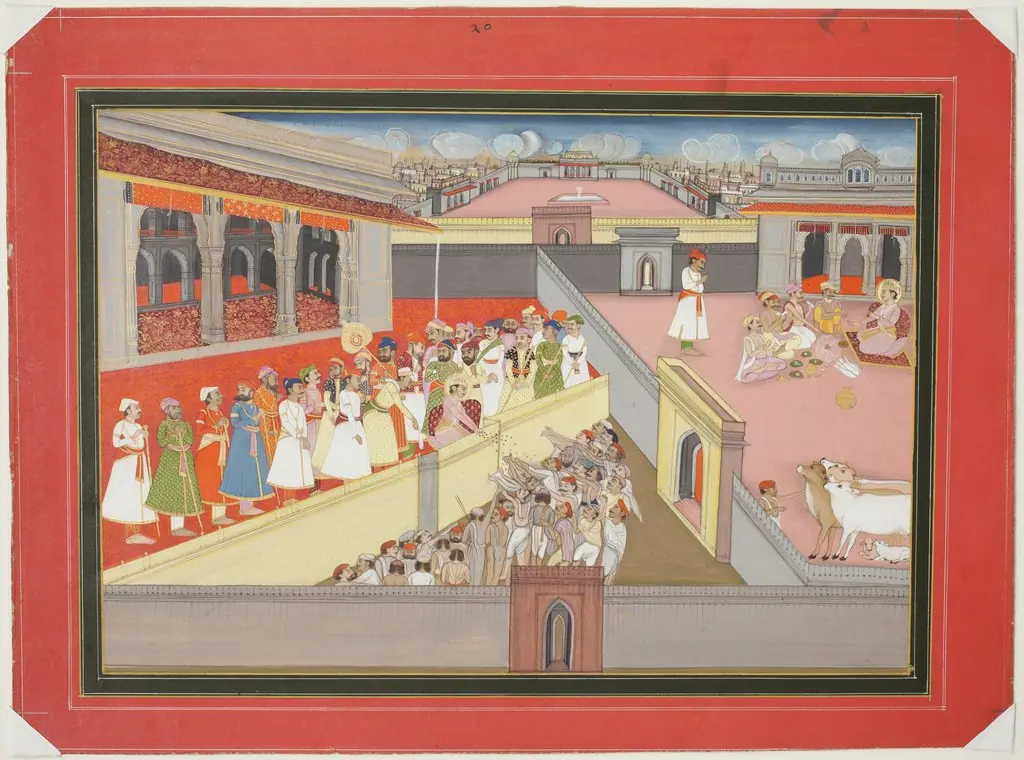 Court Scene
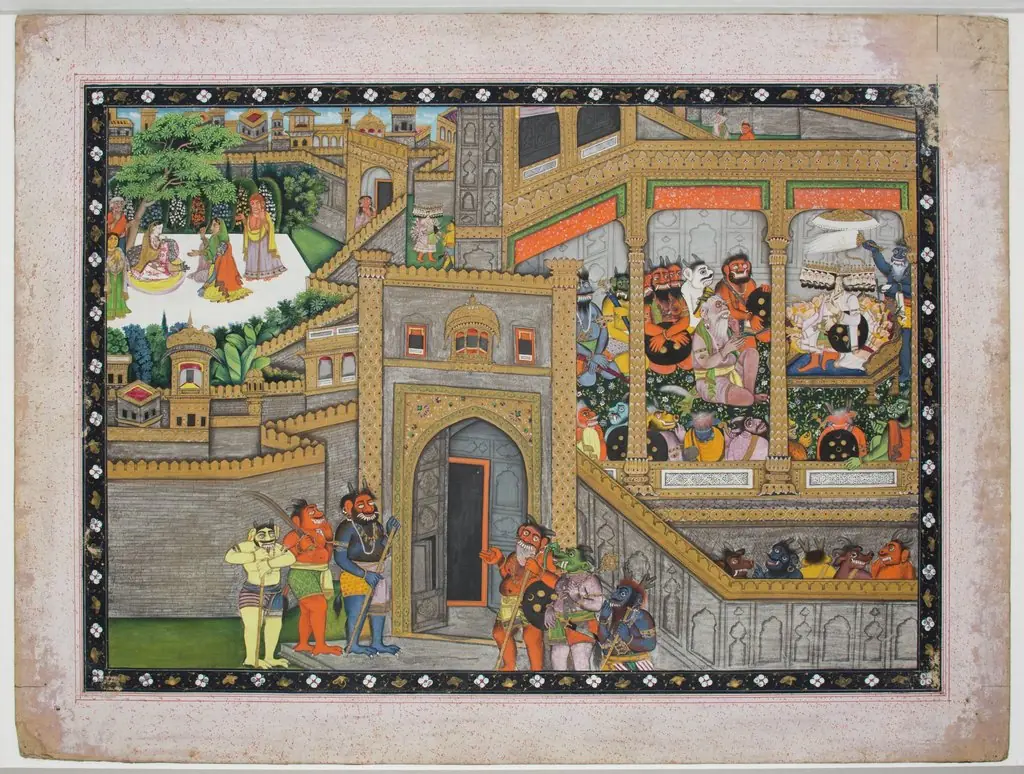 Sita Imprisoned at Ravana's Palace, Ravana Holding Court (Illustration to the Ramayana)
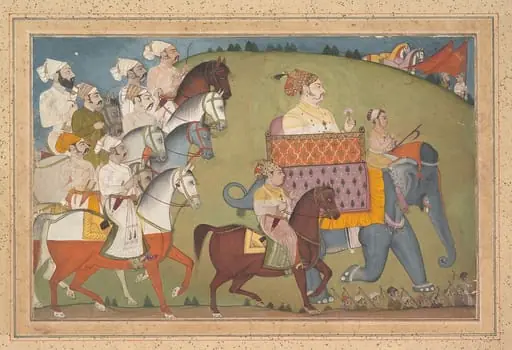 Untitled
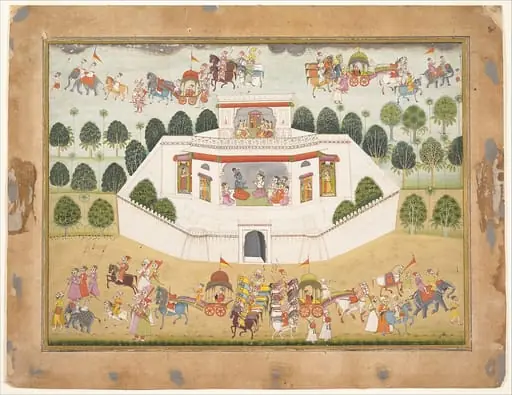 Untitled
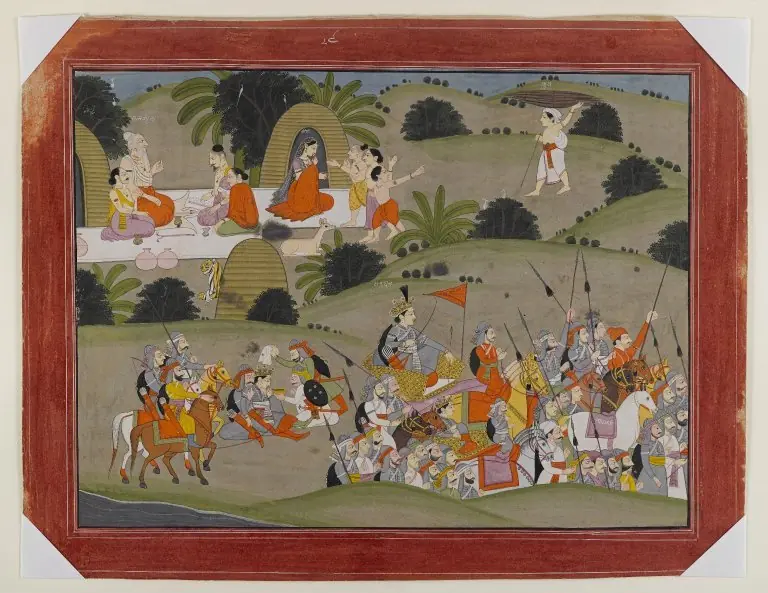 Battle between Lava and Rama's brother, Shatrughna, near the hermitage of Valmiki
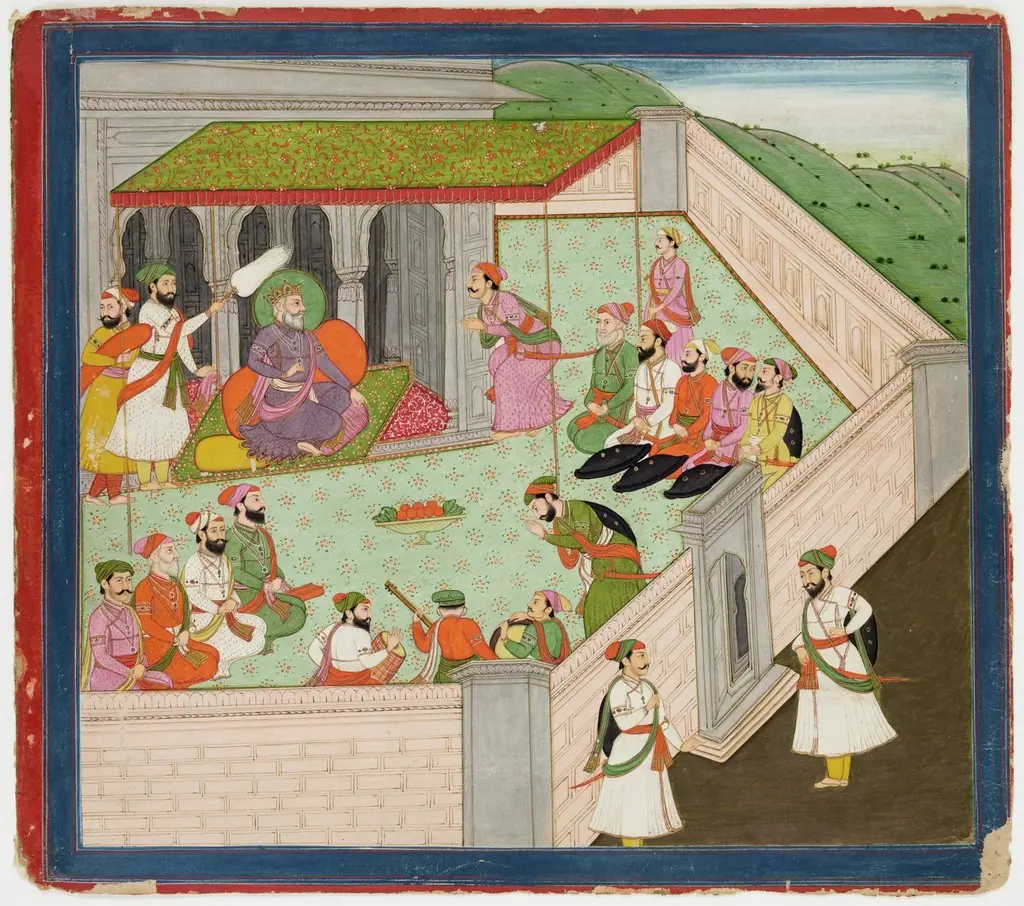 Illustrations to Life of Dhurva Maharaj: #1 Durbar of King Uttan Pad
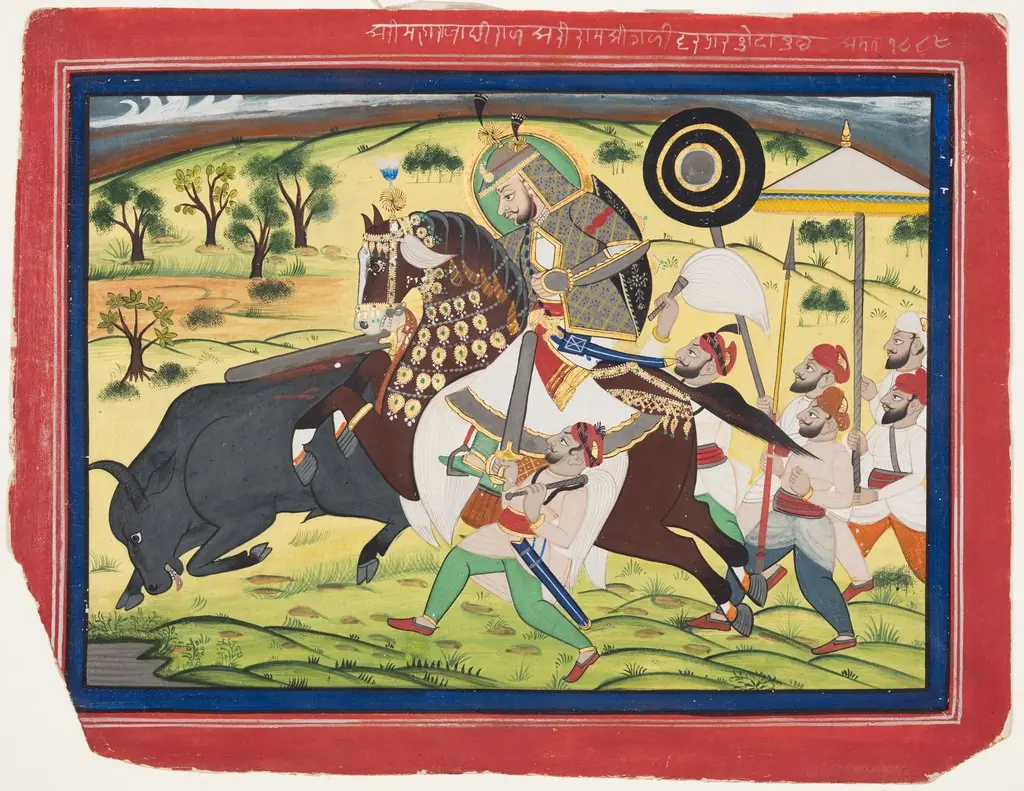 Maharao Ram Singh II of Kota (r. 1828–66) Hunting Buffalo
![The Marriage of Rukmini [Mangal], by Unknown](https://artifactworldgallery.com/img/unknown--the-marriage-of-rukmini-mangal--60723f5d8b6d4a1d-w320.webp) The Marriage of Rukmini [Mangal]
The Marriage of Rukmini [Mangal]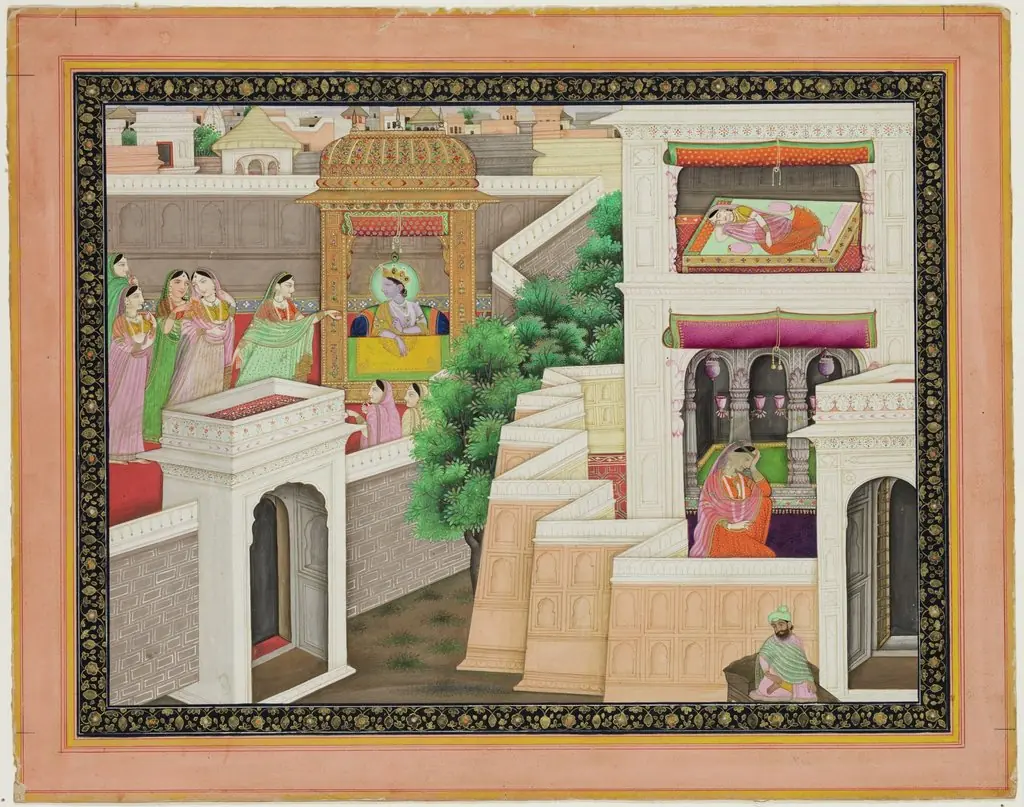 Story of Krishna and Radha