Artwork
Portrait of Carel Fabritius
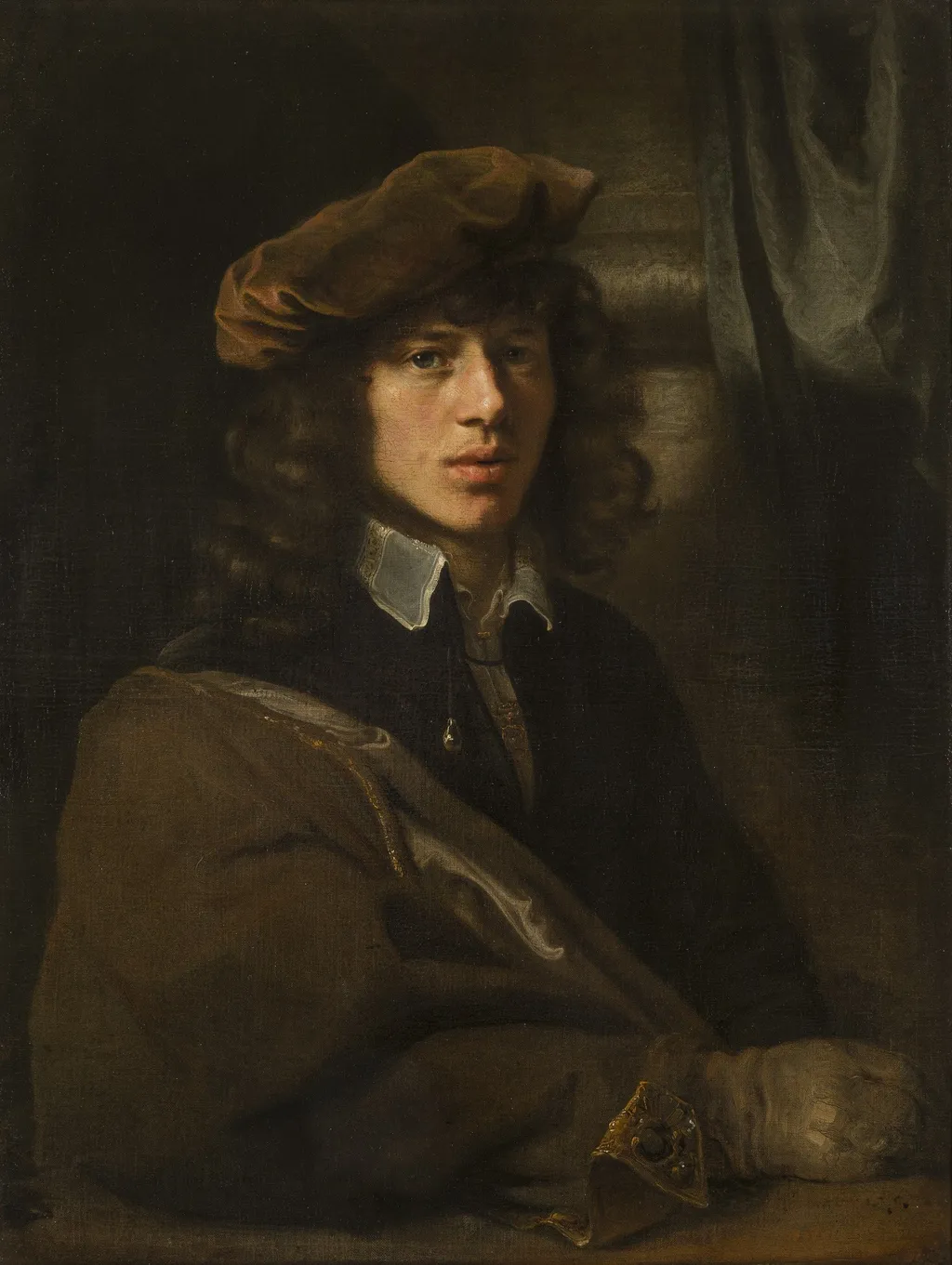
Portrait of Carel Fabritius is an oil painting by the Dutch Golden Age artist Ferdinand Bol. It dates from 1644 and is held in the collection of the Hermitage Museum.
About this work
Overview
Executed during the Dutch Golden Age, the work exemplifies the period’s focus on individual character and refined technique.
Painted in 1644 by Ferdinand Bol, this oil portrait depicts the Dutch artist Carel Fabritius. Executed during the Dutch Golden Age, the work exemplifies the period’s focus on individual character and refined technique. Bol, a former pupil of Rembrandt, applied his training to create a restrained yet psychologically present likeness. The painting is now part of the State Hermitage Museum’s collection in Saint Petersburg.
Subject & Meaning
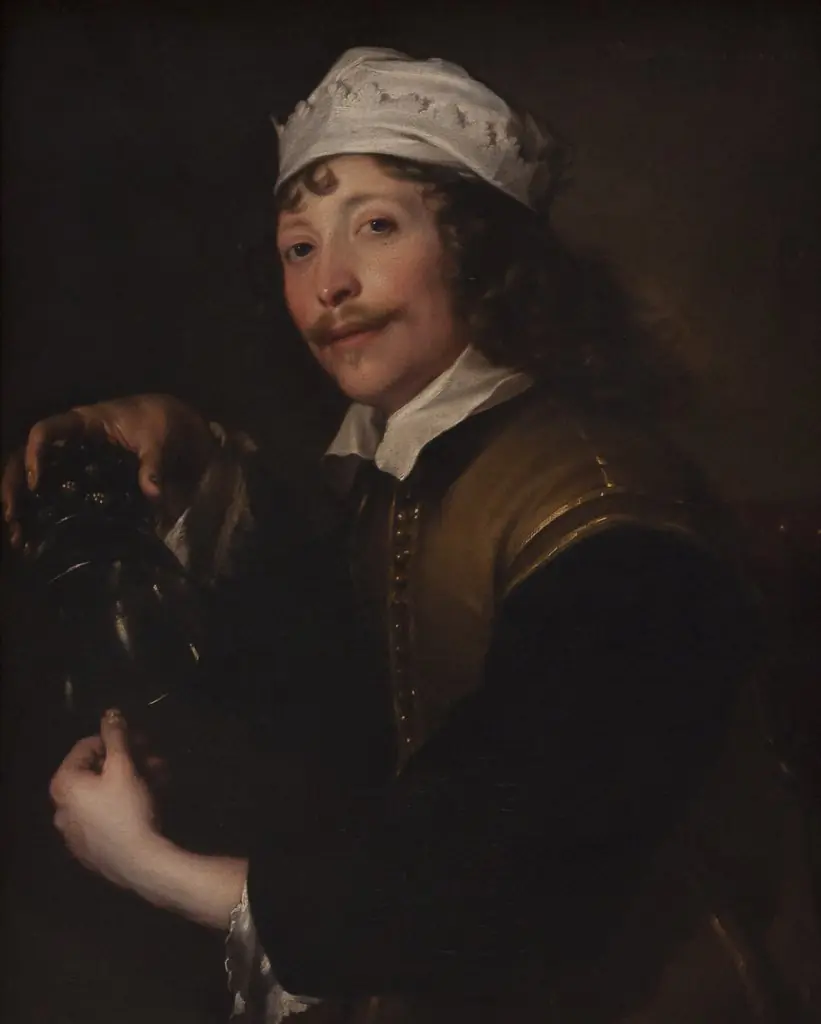
The subject, Carel Fabritius, was a fellow painter and contemporary of Bol, later known for his own contributions to Dutch art. Rendered with quiet composure, he gazes directly at the viewer, chin resting on his hand—an attitude suggesting contemplation rather than pose. The absence of symbolic objects or elaborate setting emphasizes personal presence over status, aligning with the era’s growing interest in individuality.
Technique & Style
Bol employed chiaroscuro to model the face with soft gradations of light and deep, velvety shadows, drawing attention to the subject’s features without theatricality. The smooth rendering of skin contrasts with the crisp detail of the lace collar and the subtle texture of the rolled sleeve. The dark, unadorned background isolates the figure, enhancing the intimacy of the portrait and reflecting Rembrandtesque influences in its tonal control.
History & Provenance
Created in 1644, the portrait remained in private hands until entering the Hermitage collection in the 19th century. Its early provenance is not fully documented, but its survival through centuries suggests it was valued by collectors. The painting’s attribution to Bol has been consistently supported by stylistic analysis and historical records linking him to Fabritius during their time in Leiden.
Context
In mid-17th century Leiden, artists often portrayed peers as acts of professional solidarity. Bol and Fabritius were both students of Rembrandt, and their networks reflected the close-knit artistic community. Portraits like this one served not only as personal mementos but also as markers of identity within a culture increasingly defined by individual achievement and civic pride.
Legacy
Though Bol is less widely known today than his mentor, this portrait endures as a quiet testament to his skill in capturing psychological depth. It also preserves the image of Fabritius, whose own career was tragically cut short. The work contributes to the understanding of artistic relationships in the Dutch Golden Age, illustrating how painters documented each other’s presence with dignity and restraint.
Own this work as a print
Artist & collection
Artist
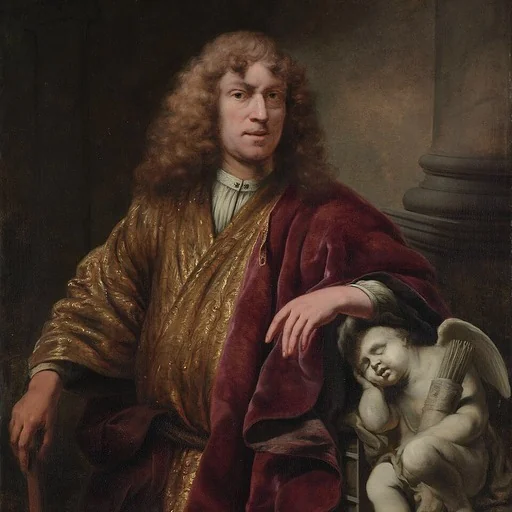
Ferdinand Bol (24 June 1616 - 24 August 1680) was a Dutch painter, etcher and draftsman.

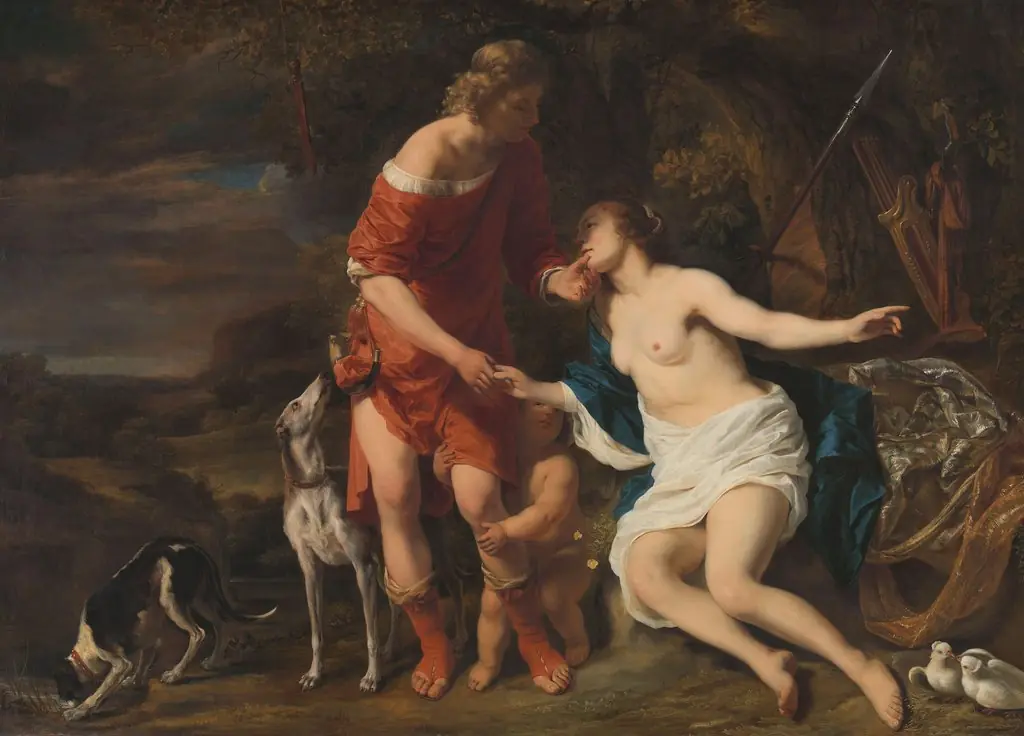 Venus and Adonis
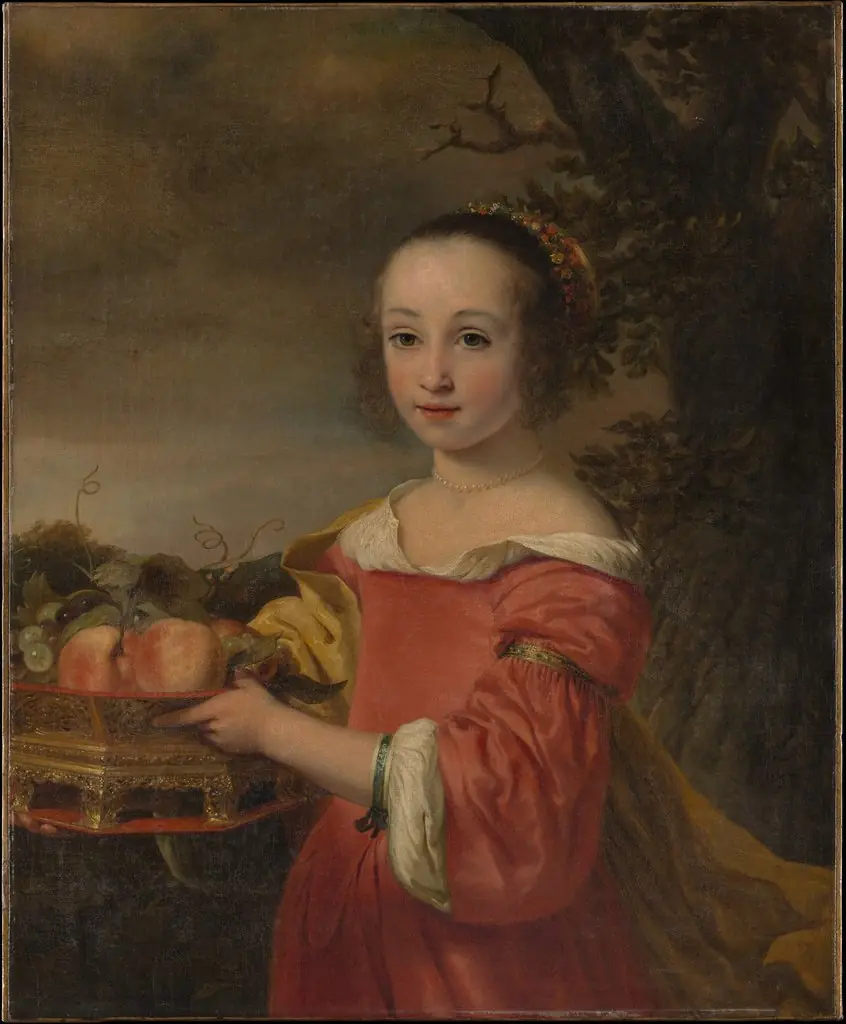 Petronella Elias (1648–1667) with a Basket of Fruit
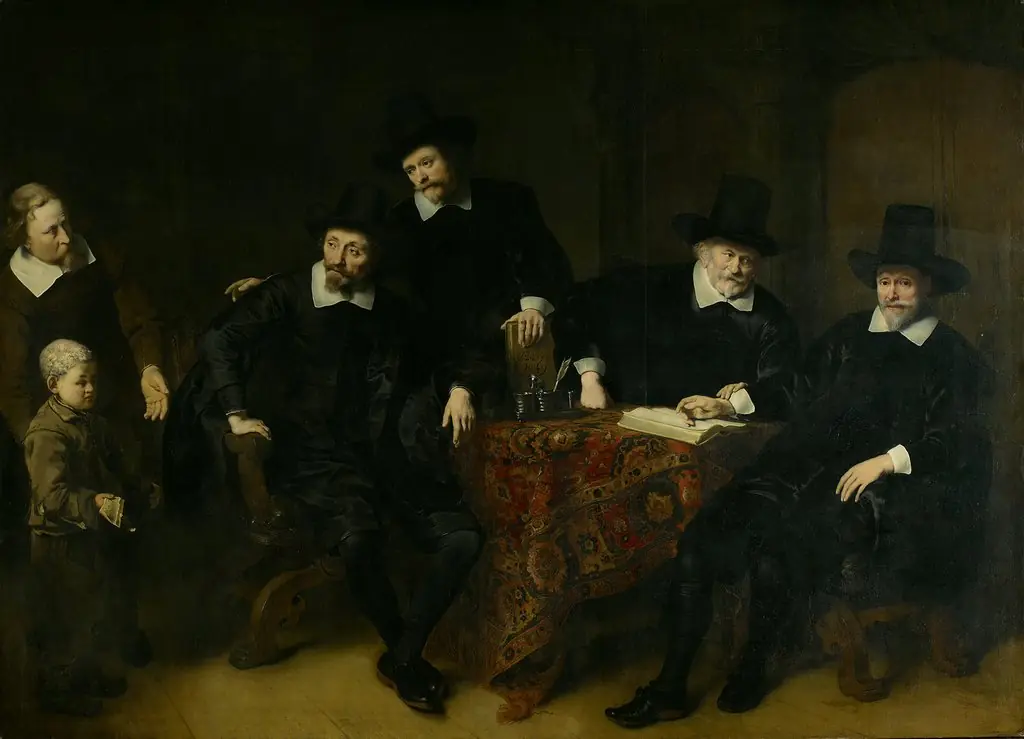 The Regents of the Leper's house in Amsterdam in 1649
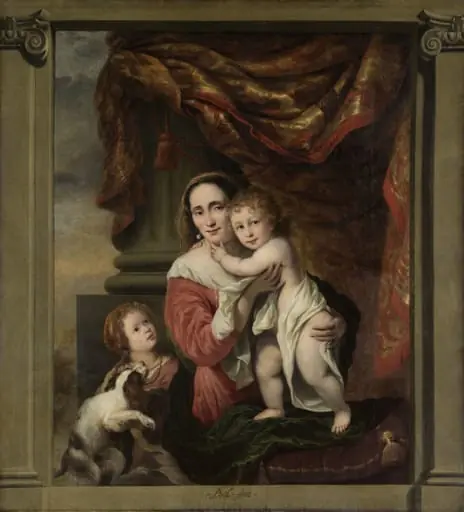 Caritas: Joanna de Geer (1629-1691) with her Children Cecilia Trip (1660-1728) and Laurens Trip (b. 1662)
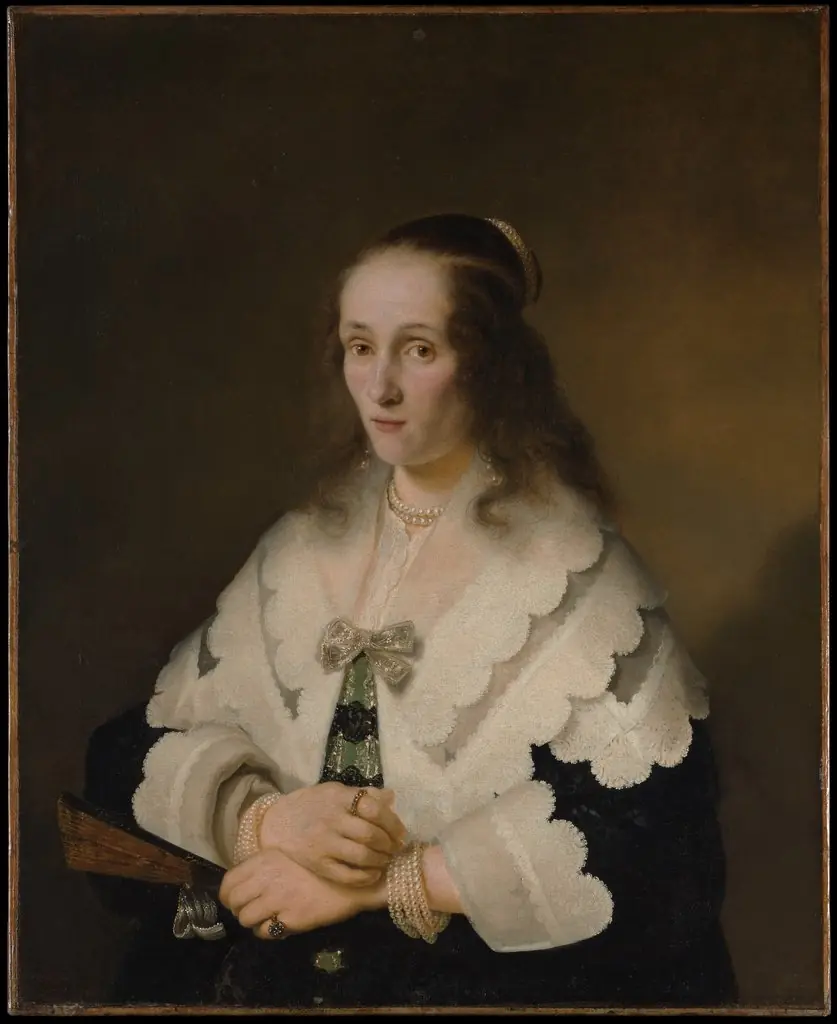 Portrait of a Woman
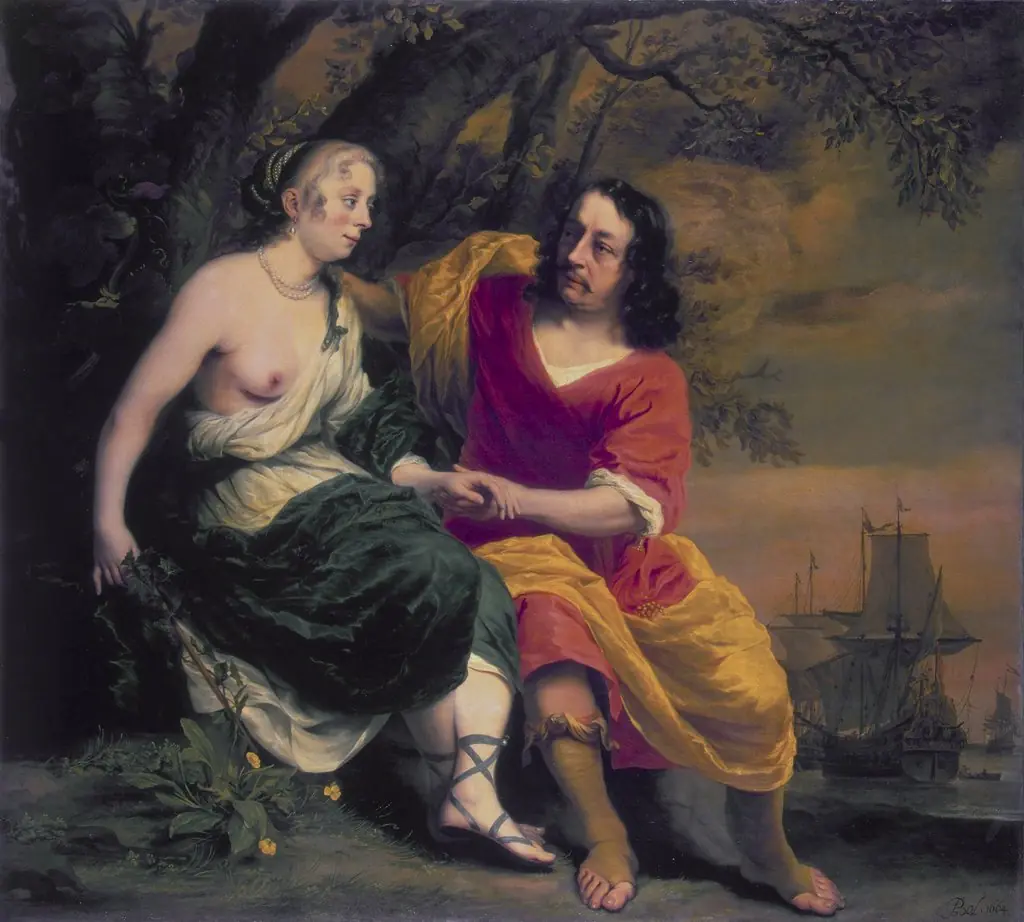 Bacchus and Ariadne
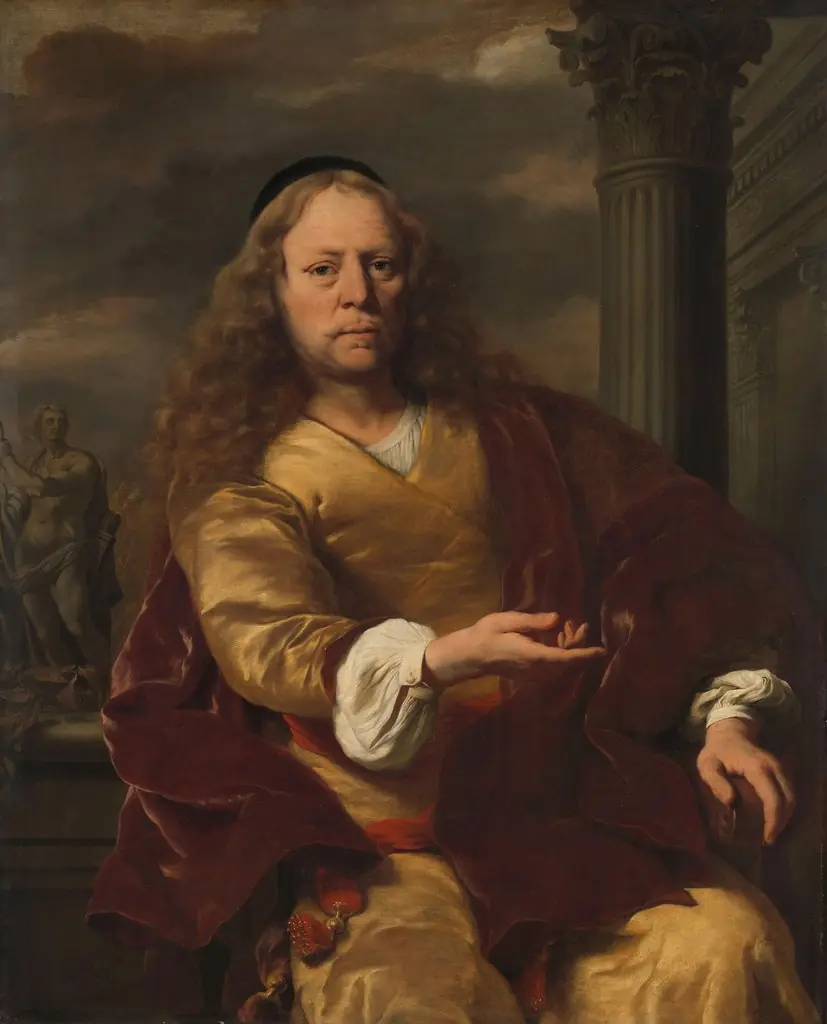 Portrait of a man
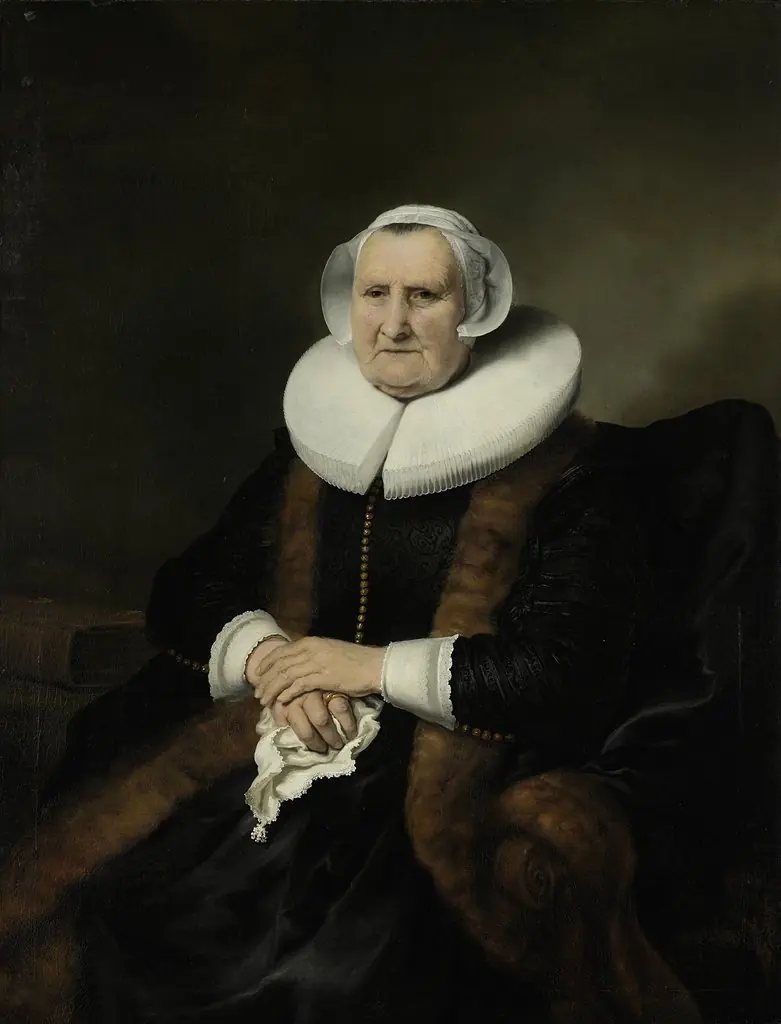 Portrait of an Old Lady, Possibly Elisabeth Bas
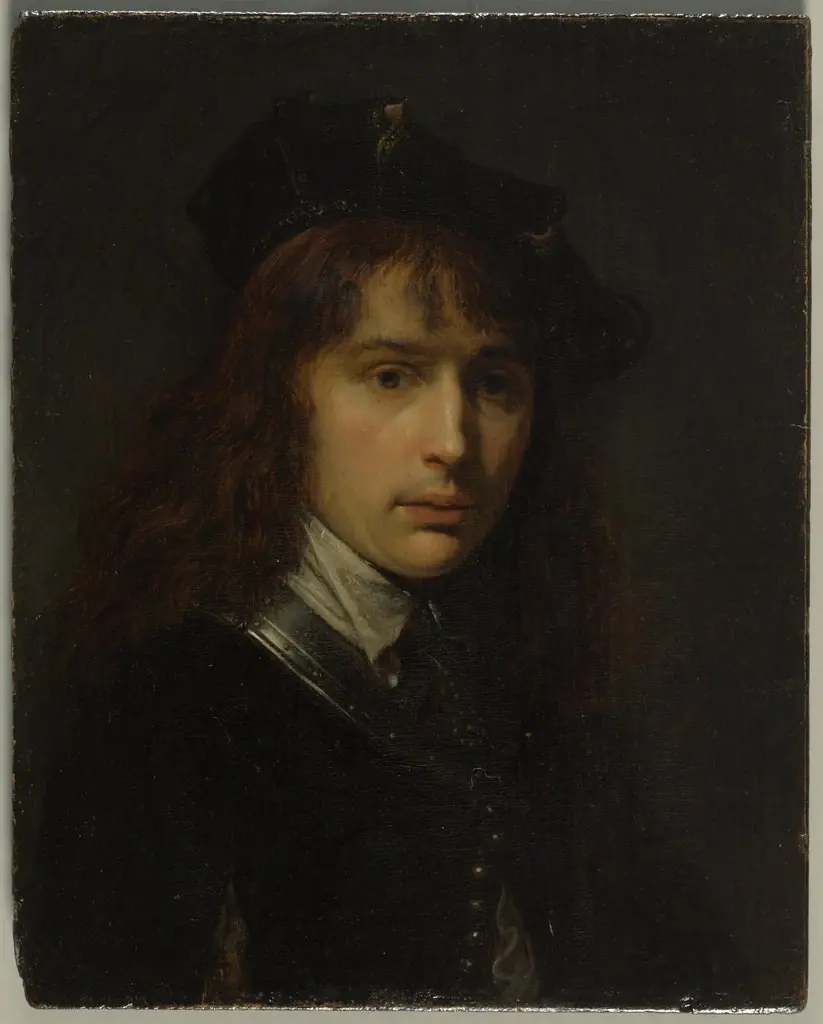 Self-Portrait
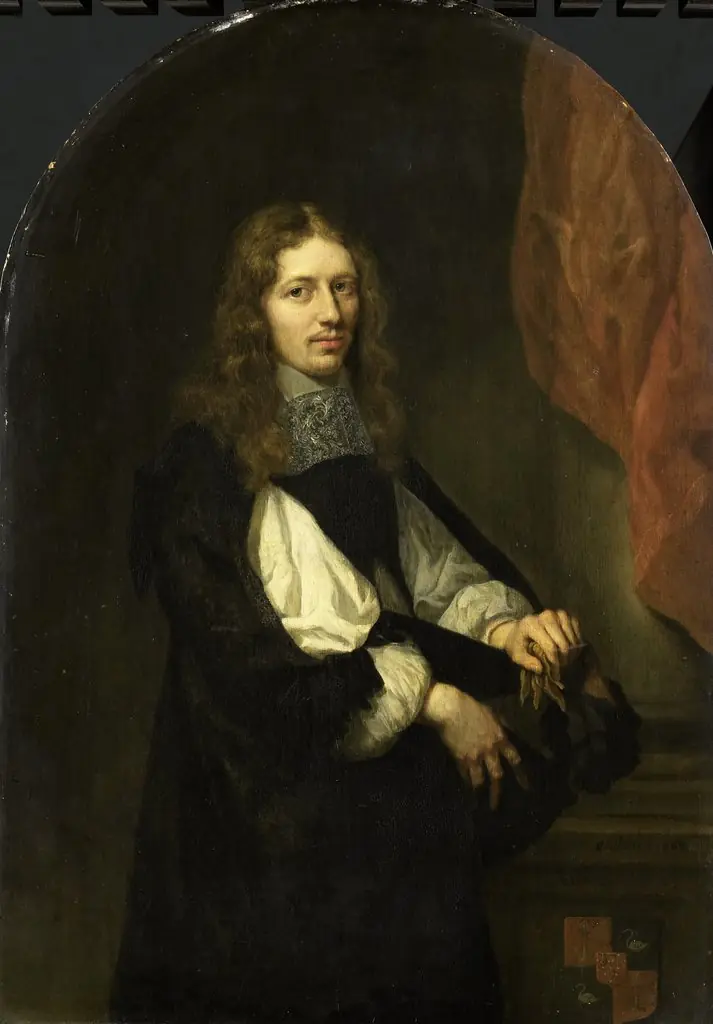 Portrait of Pieter de Graeff (1638-1707), lord of Zuid-Polsbroek, Purmerland, and Ilpendam. Alderman of Amsterdam
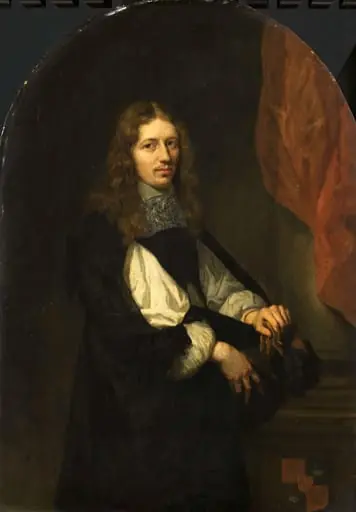 Portrait of Pieter de Graeff (1638-1707), lord of Zuid-Polsbroek, Purmerland, and Ilpendam. Alderman of Amsterdam
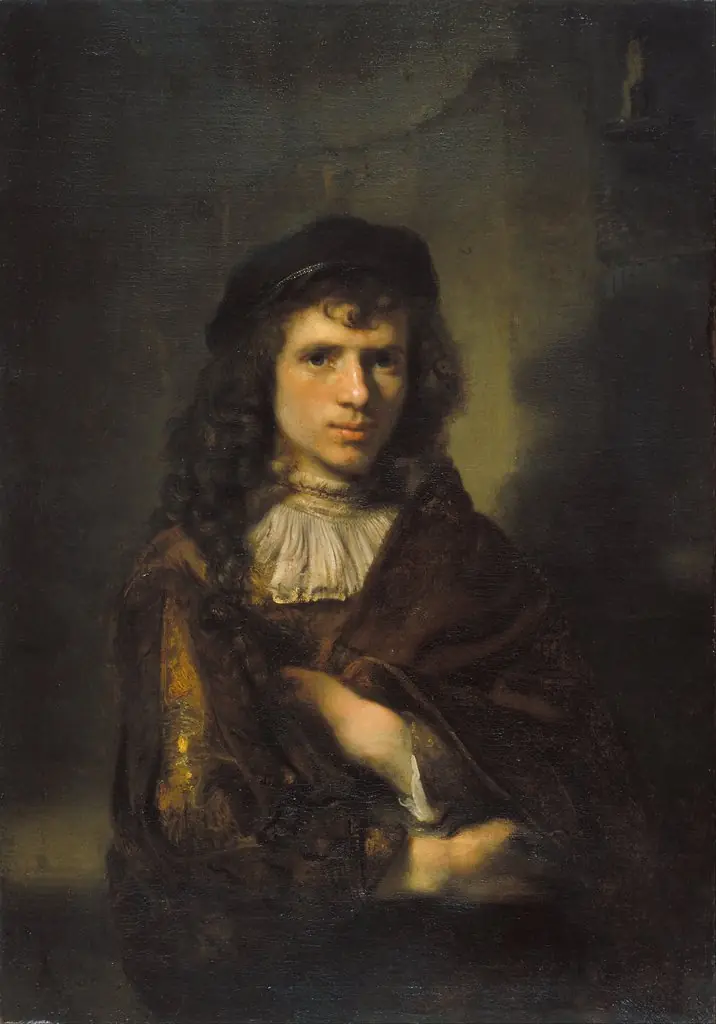 Portrait of a Young Man
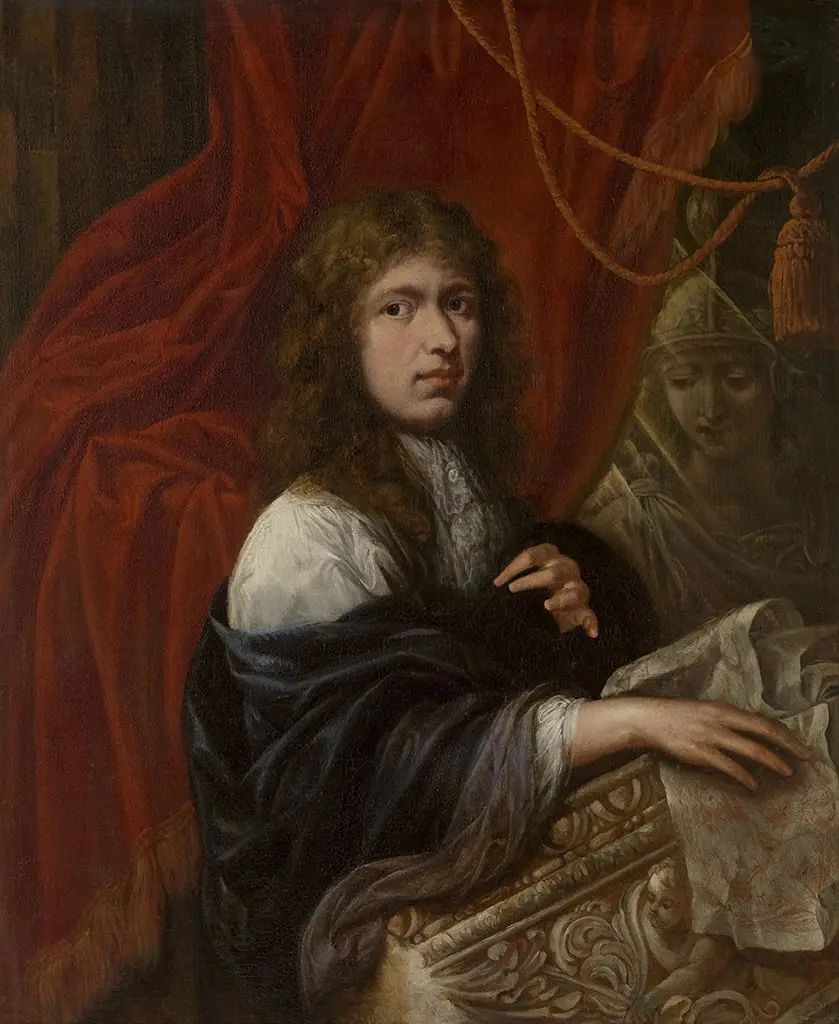 Self-Portrait
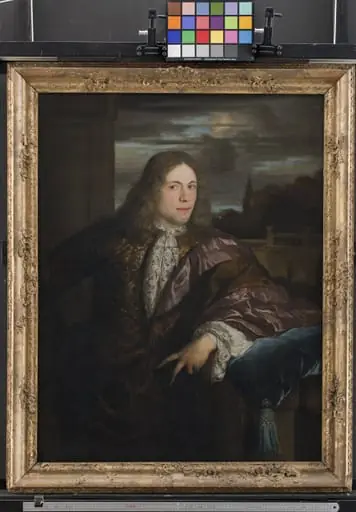 Portrait of a Young Gentleman
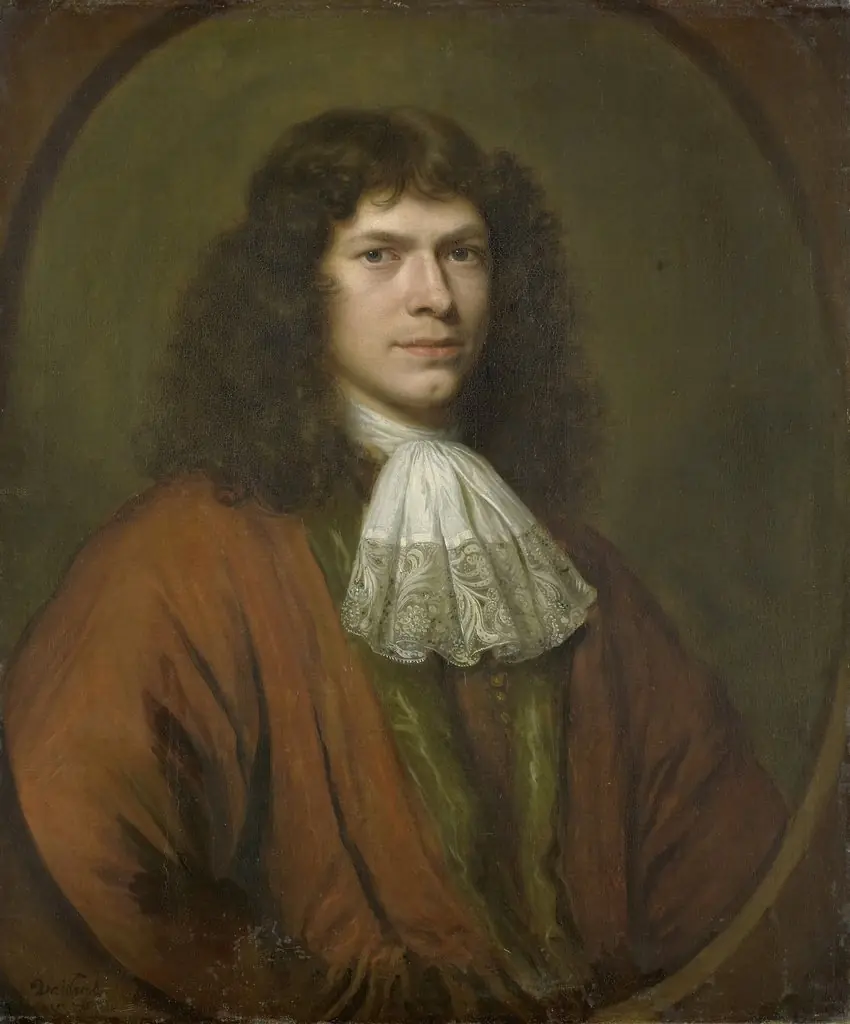 Johannes Parker, Alderman and Councilor of Middelburg
 Untitled
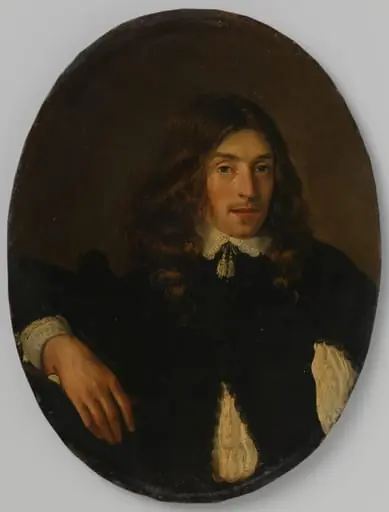 Portrait of a Young Man
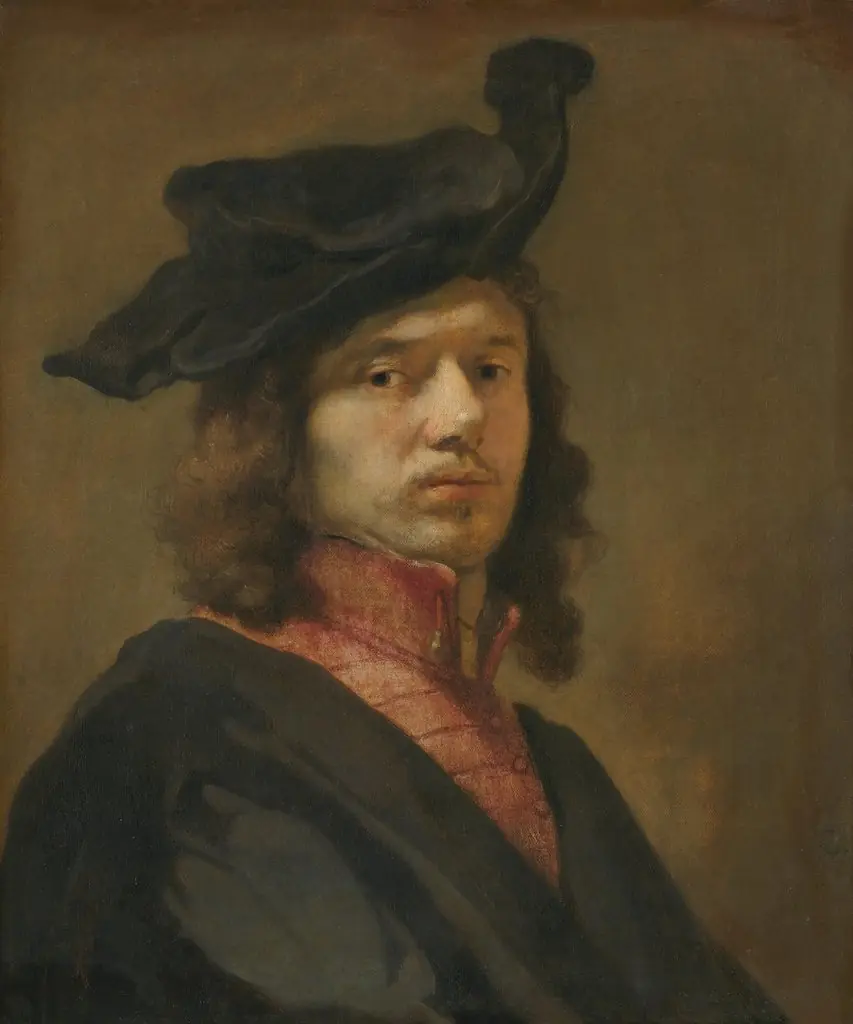 Self-portrait
 The Fingernail Test
 Self-portrait