Artwork
Bildnis Augustine Dupin mit Hector. Mutter und Kind
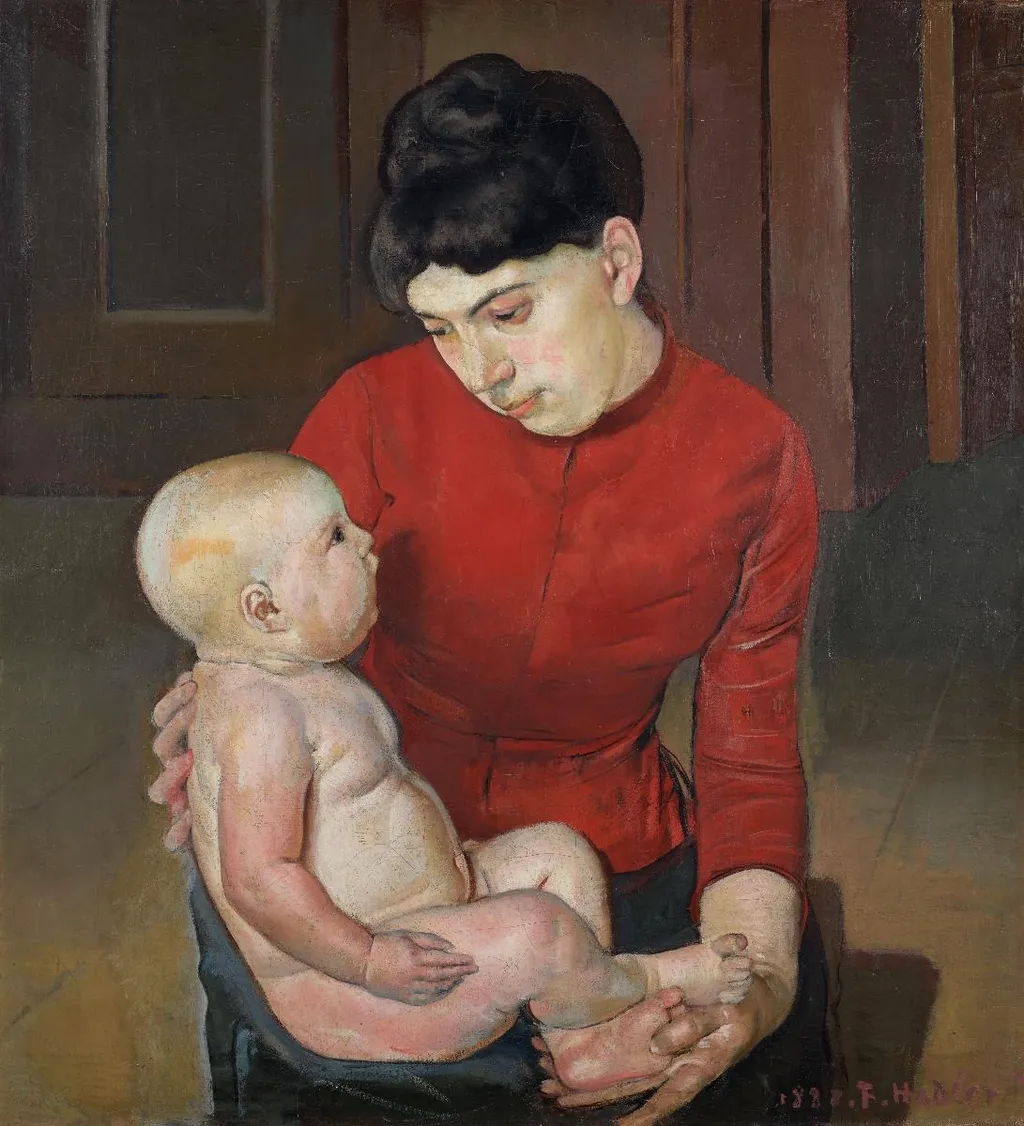
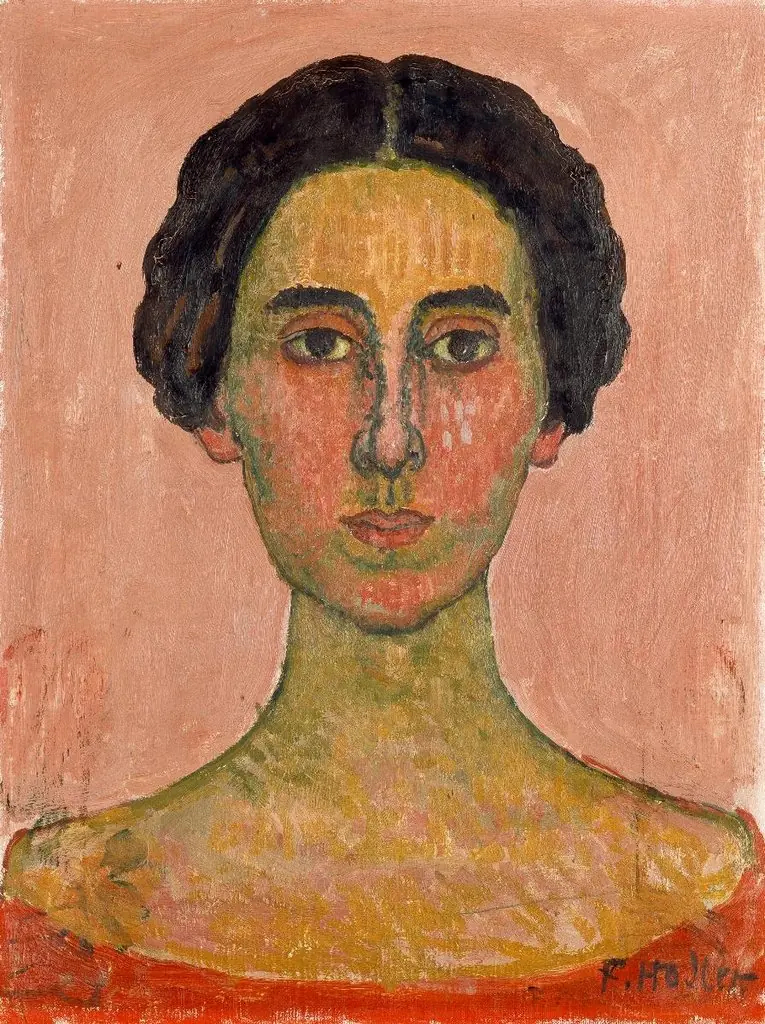
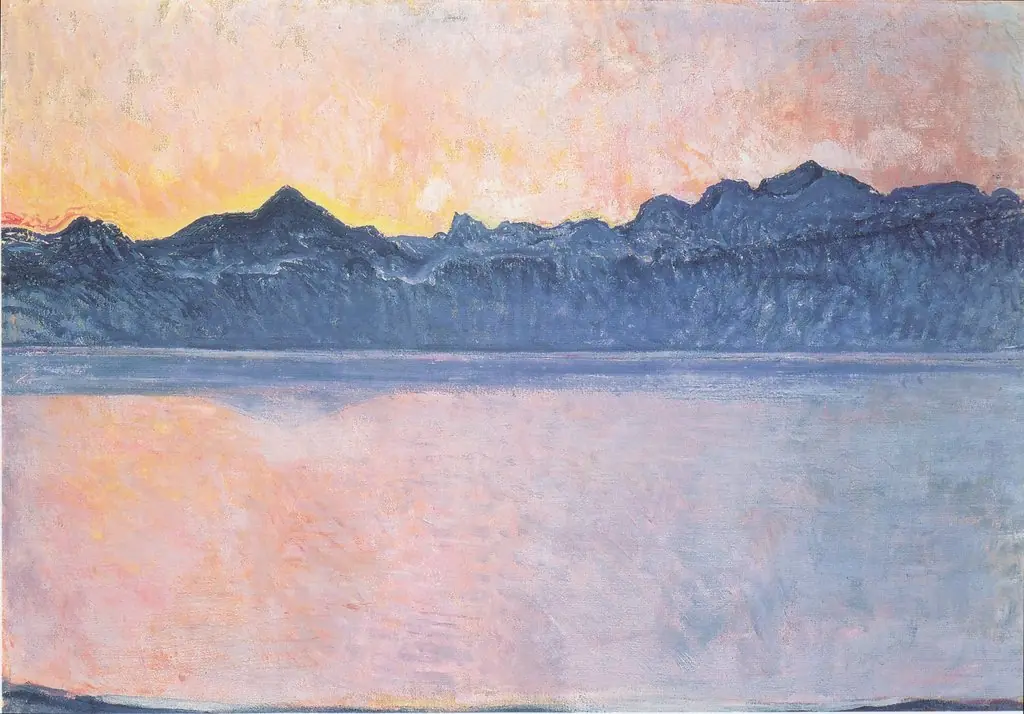
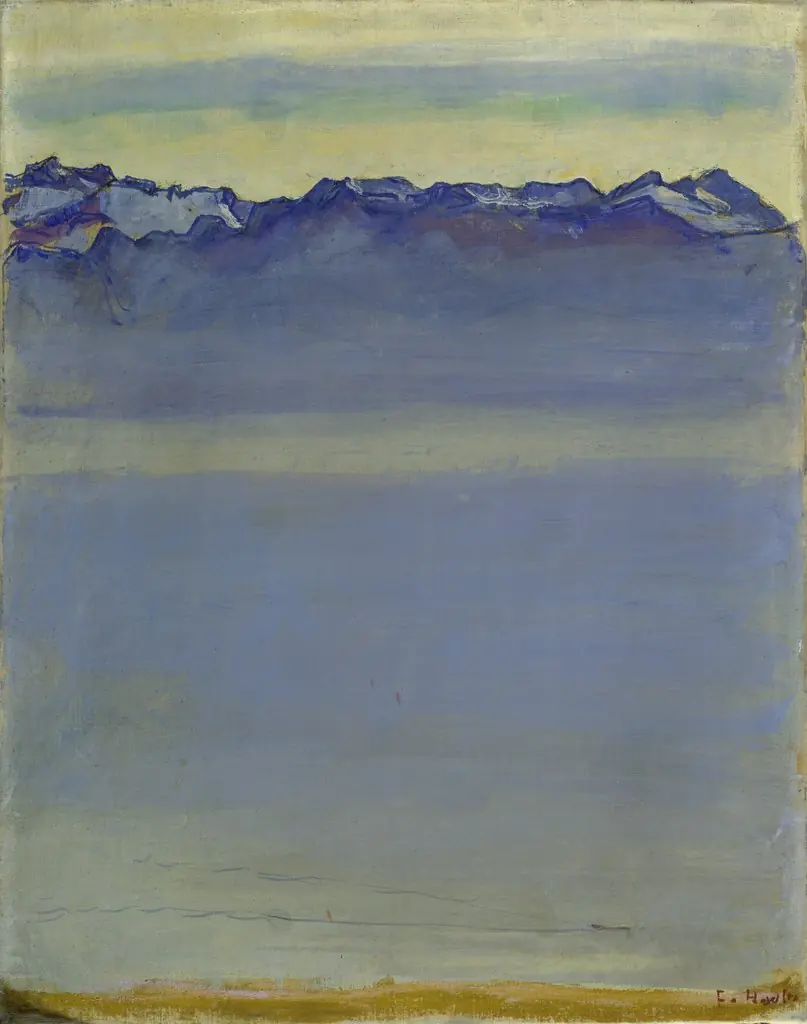
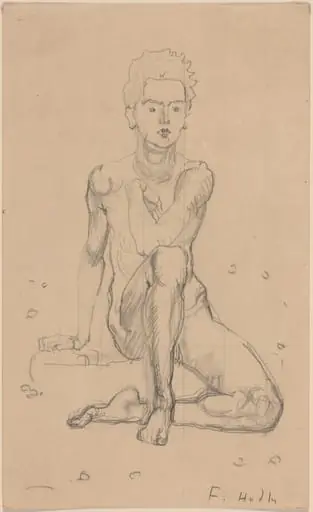
Bildnis Augustine Dupin mit Hector. Mutter und Kind is an oil painting by the Post-Impressionist artist Ferdinand Hodler. It dates from 1894 and is held in the collection of the Kunsthaus Zürich.
About this work
Overview
Hodler, a leading Swiss artist of the late 19th century, moved away from naturalism toward a more structured, symbolic style during this period.
Ferdinand Hodler painted *Bildnis Augustine Dupin mit Hector. Mutter und Kind* in 1894 using oil on canvas. The work portrays a mother and infant in a quiet domestic moment, accompanied by a dog. Hodler, a leading Swiss artist of the late 19th century, moved away from naturalism toward a more structured, symbolic style during this period. The painting is part of the Kunsthaus Zürich collection, where it reflects his evolving approach to form and emotional resonance.
Subject & Meaning
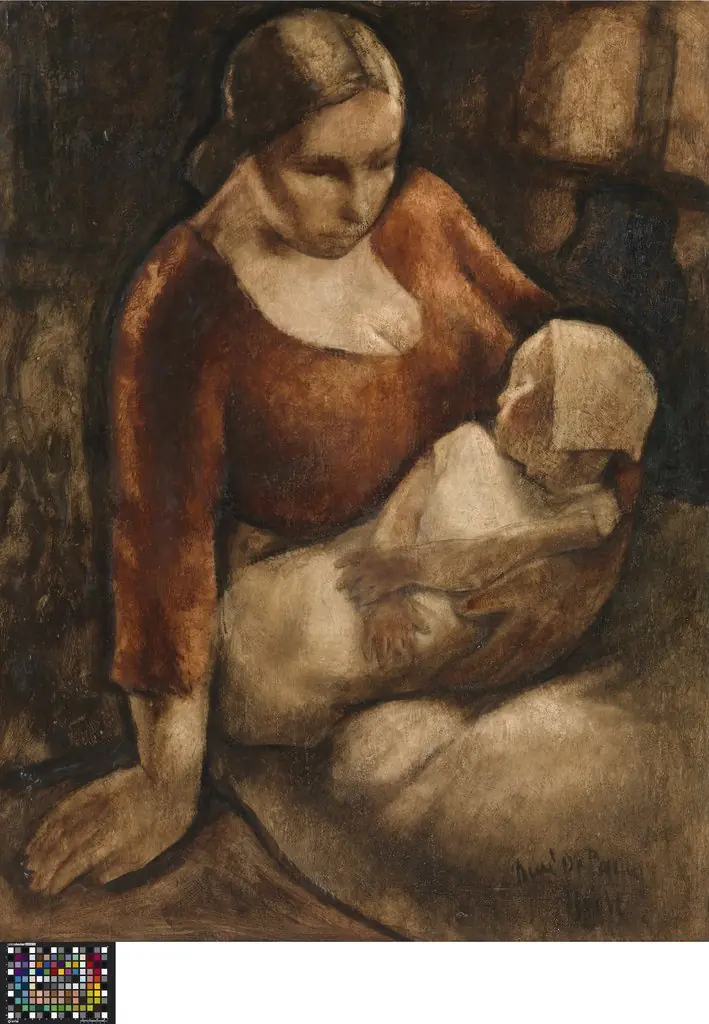
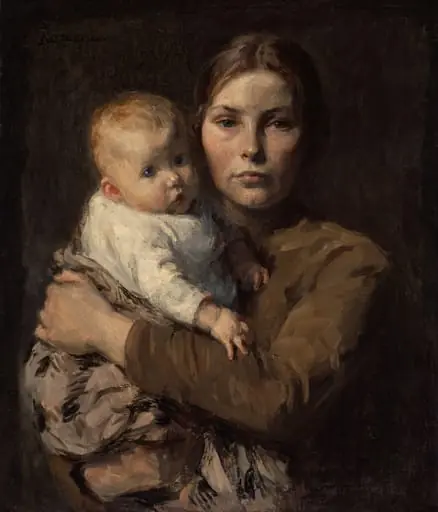
The painting depicts Augustine Dupin cradling her infant son Hector, their physical closeness suggesting tenderness and quiet devotion. The child’s turned gaze and the dog’s still presence introduce subtle tension, avoiding overt sentimentality. Hodler avoids theatricality, instead emphasizing stillness and intimacy. The absence of narrative detail focuses attention on the bond between mother and child, rendered with restraint rather than idealization.
Technique & Style
Hodler uses thick, deliberate brushwork to define the mother’s red dress, contrasting it with the muted, shadowed background. The figures are composed with geometric clarity, reflecting his developing 'parallelism'—a method of repeating forms to create rhythm and harmony. Facial expressions are softened, limbs arranged with deliberate symmetry. The dark, indistinct setting isolates the figures, enhancing their emotional weight without distraction.
History & Provenance
The painting was completed in 1894 and remained in private hands before entering the Kunsthaus Zürich collection. Augustine Dupin, the subject, was the wife of Swiss industrialist and art patron Charles Dupin. Hodler painted several portraits of the Dupin family during this period, establishing a personal connection that informed his approach. The work’s acquisition by the museum ensured its preservation within the context of Swiss modernism.
Context
In the 1890s, Hodler distanced himself from Impressionist spontaneity, seeking greater structural coherence and symbolic depth. His work aligned with broader European Symbolist currents, though he developed a uniquely Swiss idiom. This portrait reflects a shift from external realism toward internal expression, paralleling contemporaneous interests in psychology and emotional truth in art across Europe.
Legacy
The painting exemplifies Hodler’s mature style, influencing later Swiss artists who sought to merge emotional depth with formal discipline. While not widely reproduced, it remains a key example of his transition into Symbolism. Its quiet intensity and restrained composition continue to inform discussions of portraiture in Swiss modern art, valued for its sincerity over spectacle.
Artist & collection
Artist
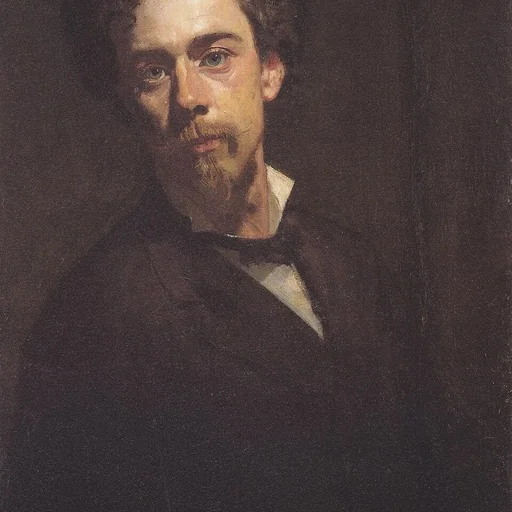
Ferdinand Hodler (March 14, 1853 – May 19, 1918) was a Swiss painter. He is one of the best-known Swiss painters of the nineteenth century. His early works were portraits, landscapes, and genre paintings in a realistic…