Artwork
Bildnis einer Unbekannten. Frau mit Nelke
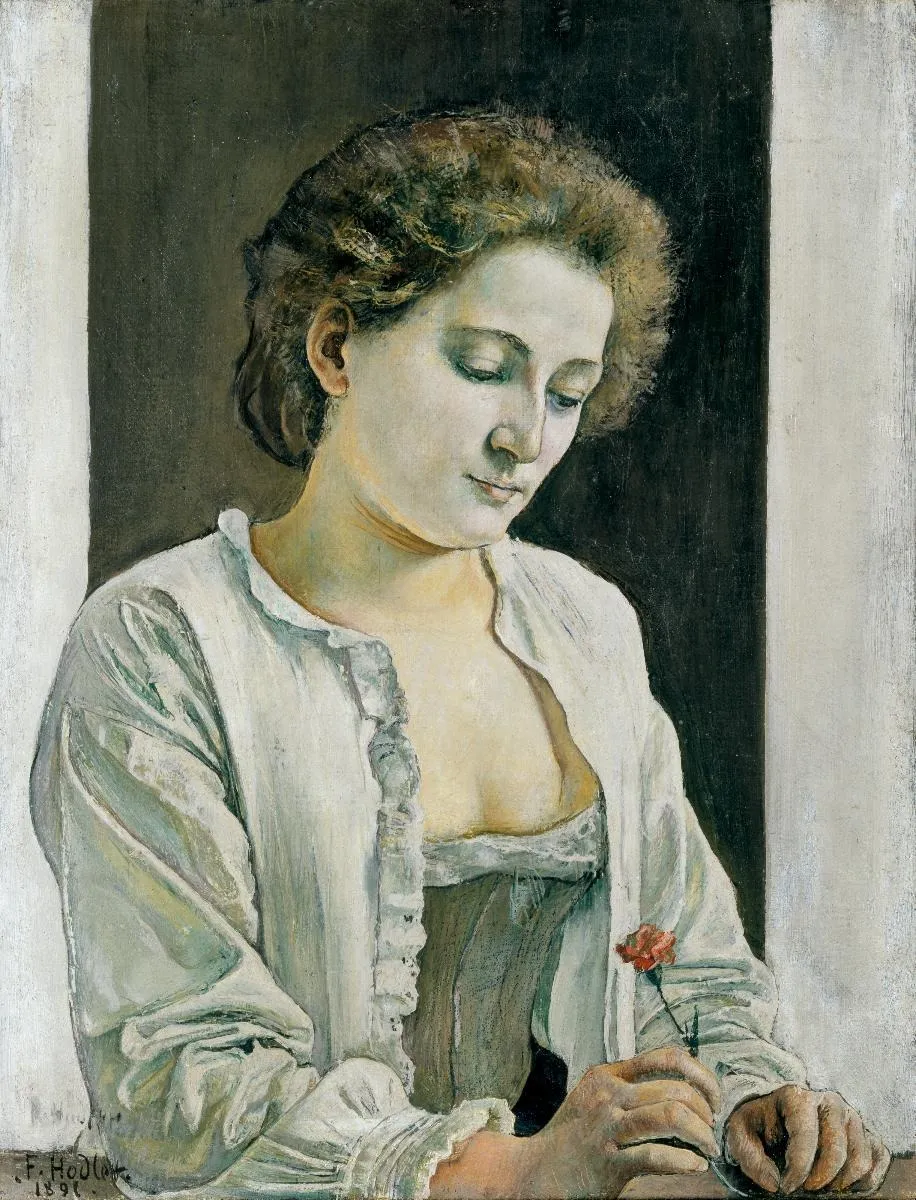
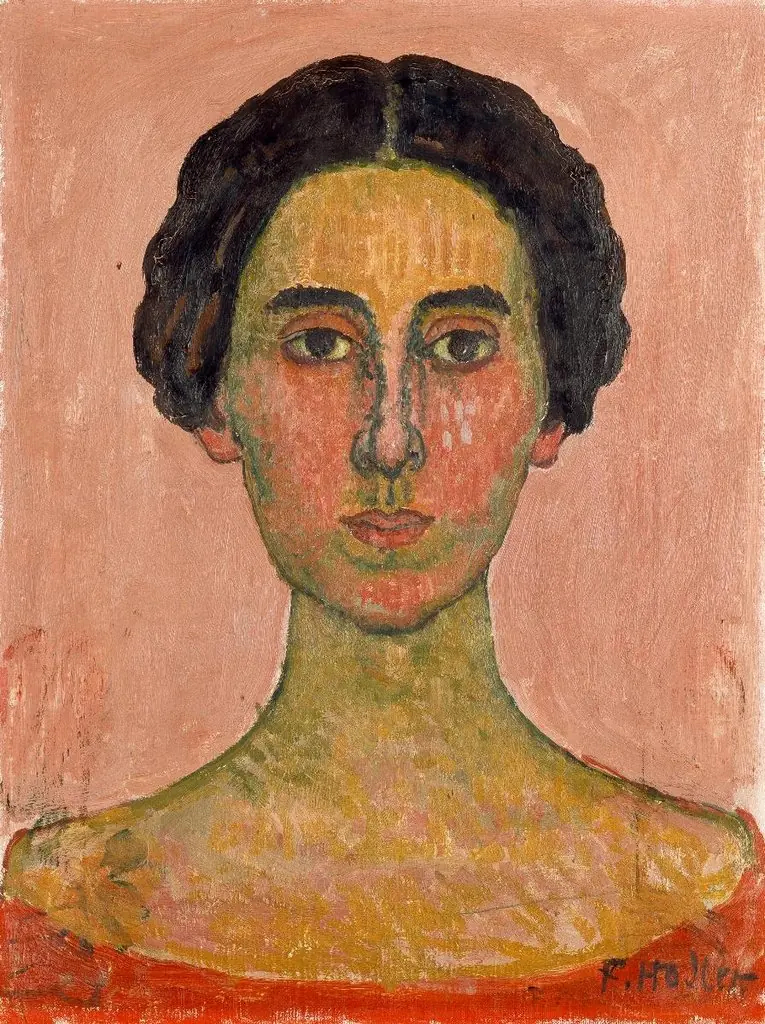
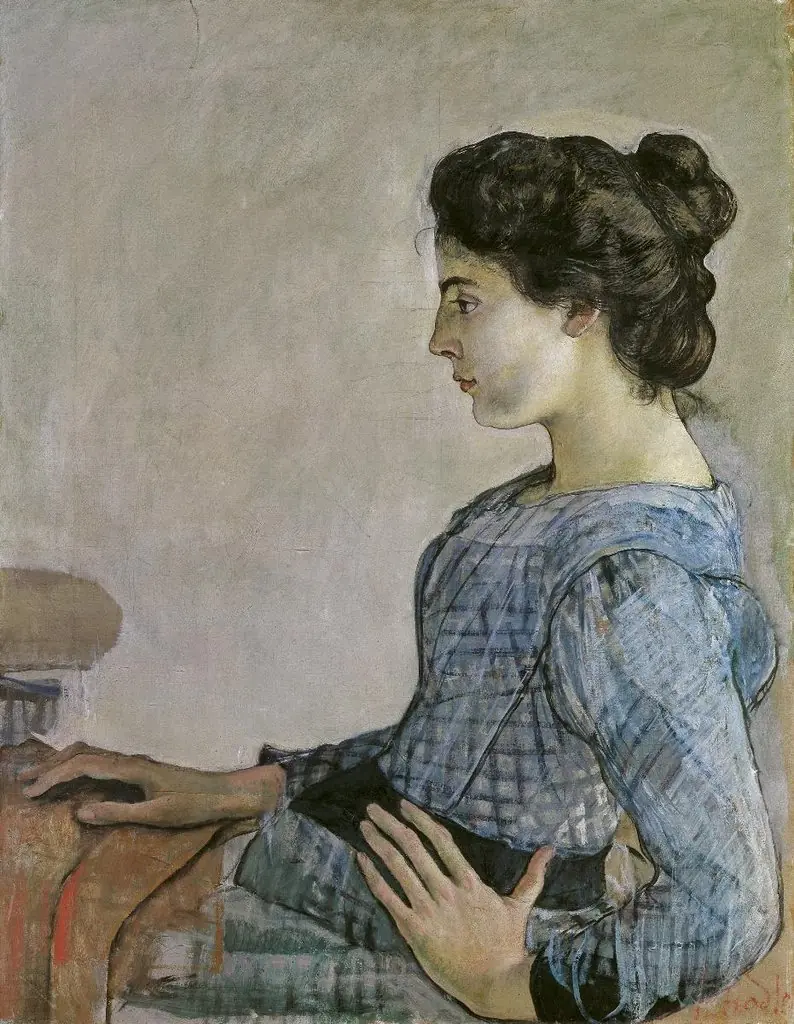
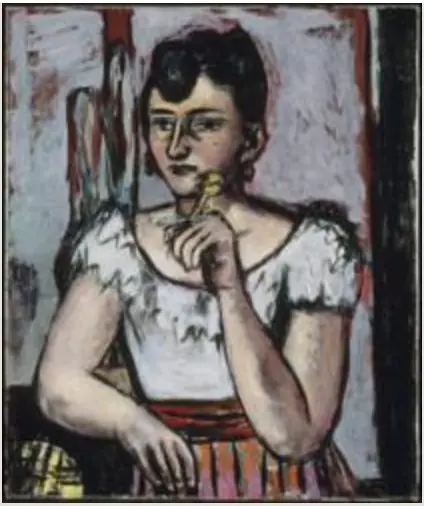
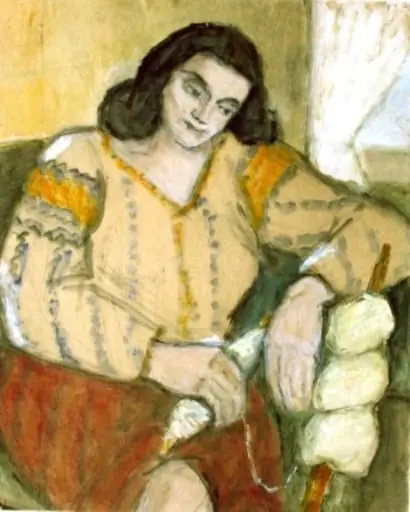
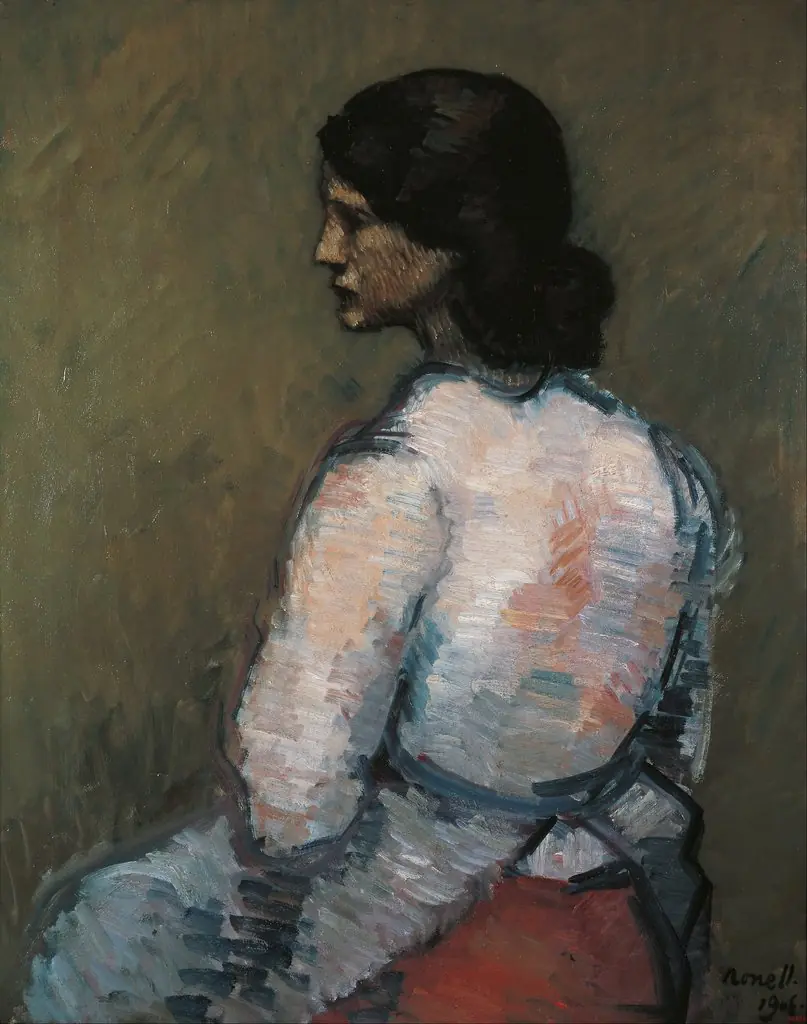
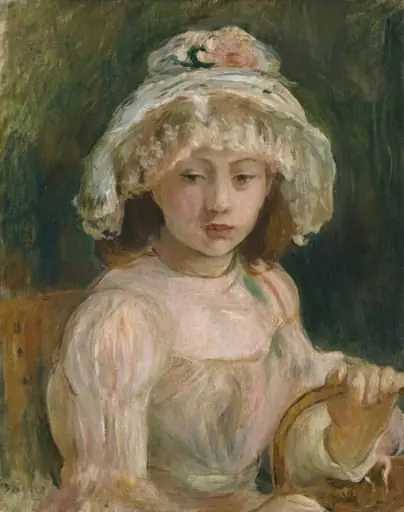
Bildnis einer Unbekannten. Frau mit Nelke is an oil painting by the Post-Impressionist artist Ferdinand Hodler. It dates from 1896 and is held in the collection of the Kunsthaus Zürich.
About this work
Overview
Ferdinand Hodler painted *Bildnis einer Unbekannten. Frau mit Nelke* in 1896 using oil on canvas. The work is part of the Kunsthaus Zürich’s permanent collection and represents a transitional phase in Hodler’s career, bridging his early realism with his later Symbolist style. Though formally a portrait, the painting avoids narrative detail, focusing instead on mood and formal harmony.
Subject & Meaning
The subject is an unidentified woman, depicted in quiet introspection. She holds a single red carnation, a symbol often associated with endurance or affection, though its presence here resists clear interpretation. Her downcast gaze and still posture suggest inwardness rather than engagement, reinforcing the painting’s contemplative tone without assigning a specific story.
Technique & Style
Hodler employs muted tones and controlled brushwork to isolate the figure against a dark, nearly abstract background.
Hodler employs muted tones and controlled brushwork to isolate the figure against a dark, nearly abstract background. Two vertical white bands frame the woman, creating a sense of spatial enclosure. The contrast between the soft texture of her hair and the crisp edge of her white jacket reflects his interest in formal balance, a precursor to his later concept of 'parallelism'—a rhythmic repetition of forms to evoke order.
History & Provenance
The painting entered the Kunsthaus Zürich collection shortly after its completion, likely through direct acquisition from the artist. Hodler was already recognized in Swiss art circles by 1896, and this portrait aligns with his growing reputation for psychologically nuanced depictions. Its uninterrupted presence in the museum underscores its early critical reception and institutional significance.
Context
Created during a period when European art was moving away from Impressionism, Hodler’s work engaged with Symbolist concerns—interiority, symbolism, and emotional resonance. While his contemporaries explored light and movement, Hodler focused on structure and stillness, drawing from both academic tradition and emerging modernist ideals to craft a quiet, personal form of expression.
Legacy
Though less widely known outside Switzerland, this portrait exemplifies Hodler’s unique synthesis of realism and abstraction. It influenced later Swiss artists seeking to reconcile emotional depth with formal discipline. The painting remains a key reference in discussions of late 19th-century Central European portraiture, valued for its restraint and psychological subtlety.
Artist & collection
Artist
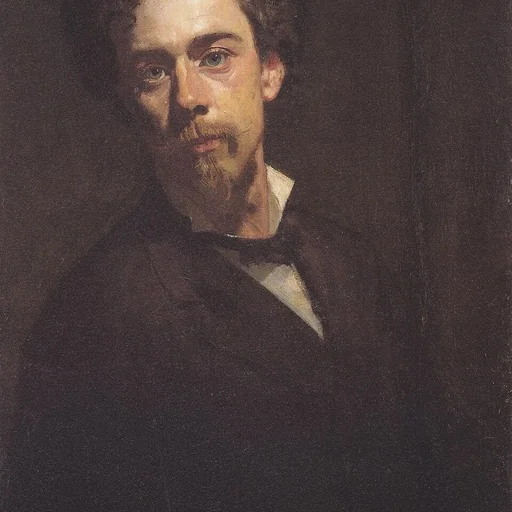
Ferdinand Hodler (March 14, 1853 – May 19, 1918) was a Swiss painter. He is one of the best-known Swiss painters of the nineteenth century. His early works were portraits, landscapes, and genre paintings in a realistic…