Artwork
Frauenkopf. Bildnis einer Unbekannten
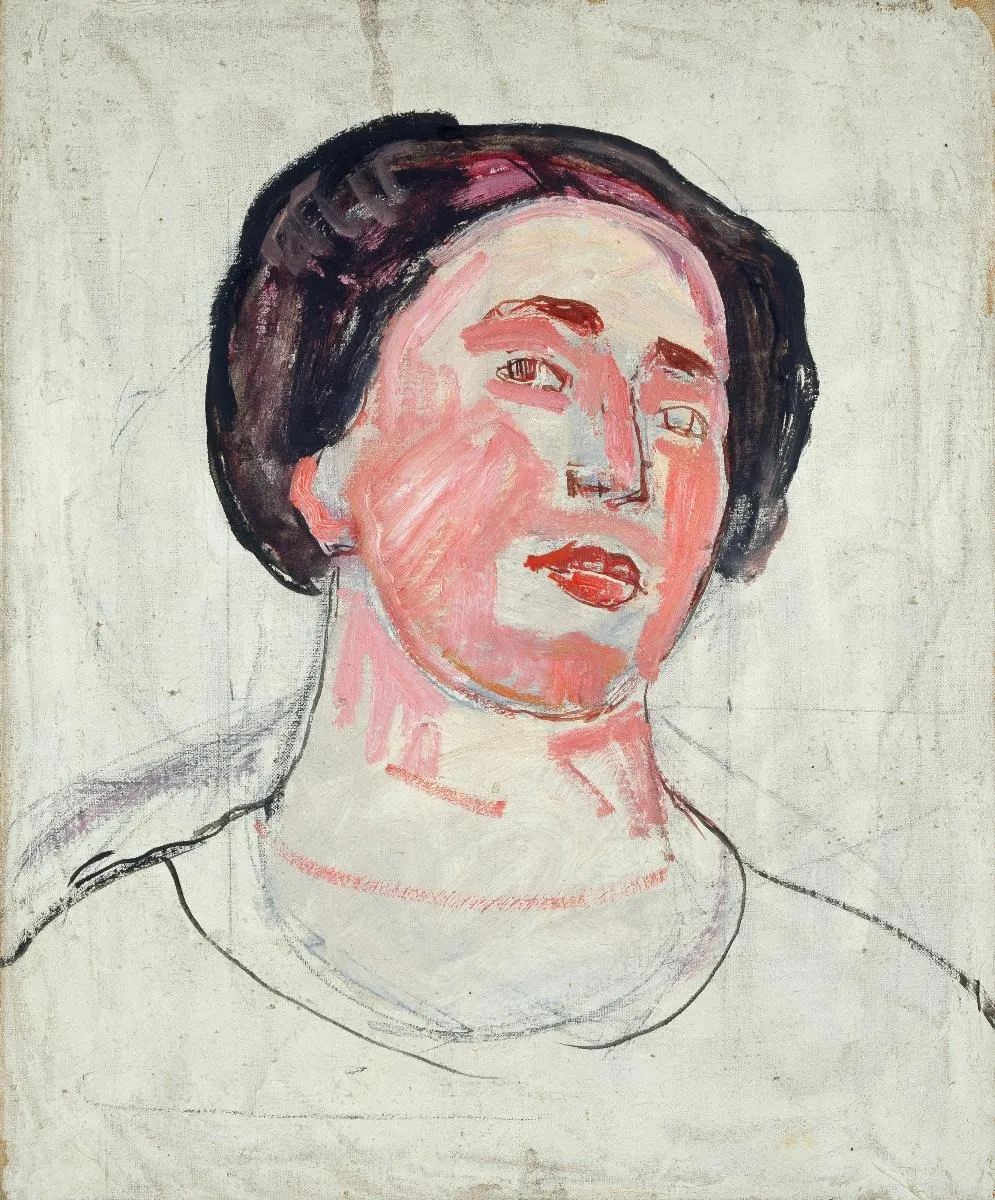
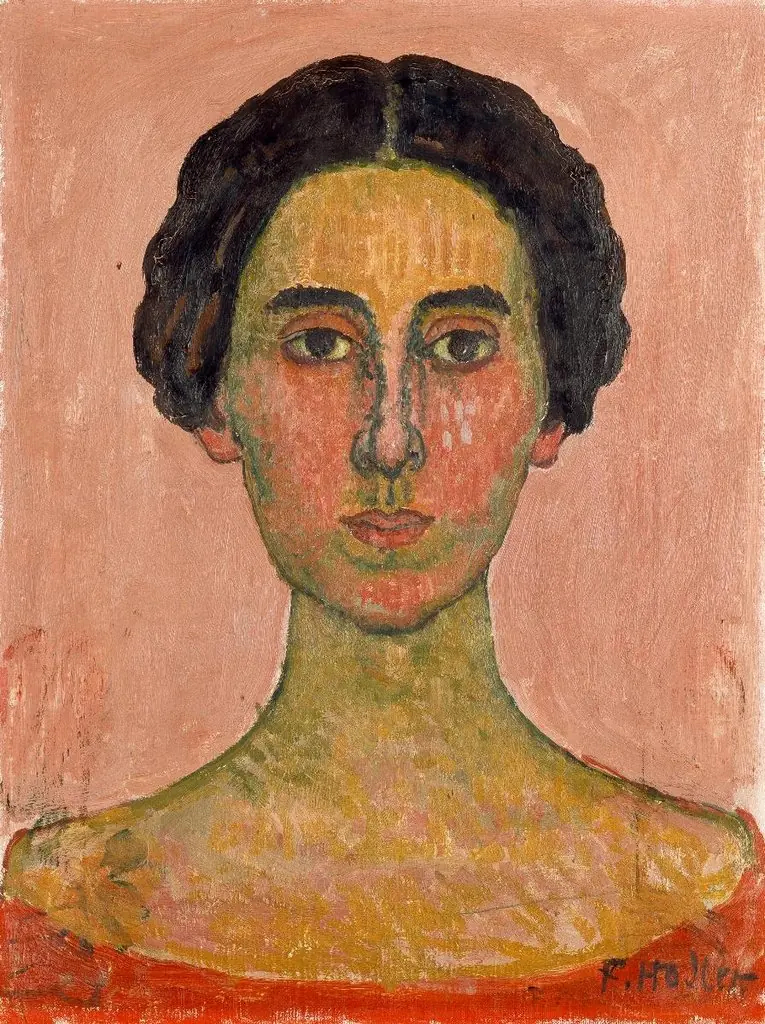
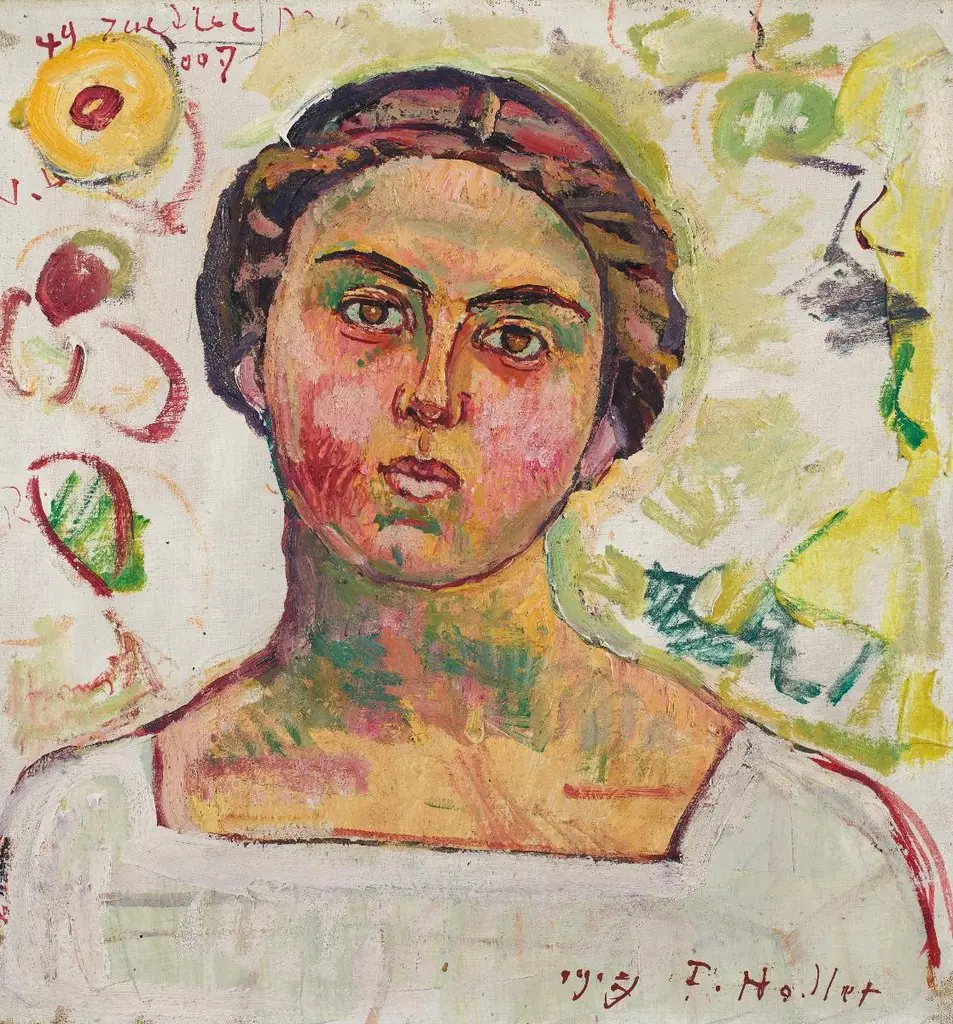
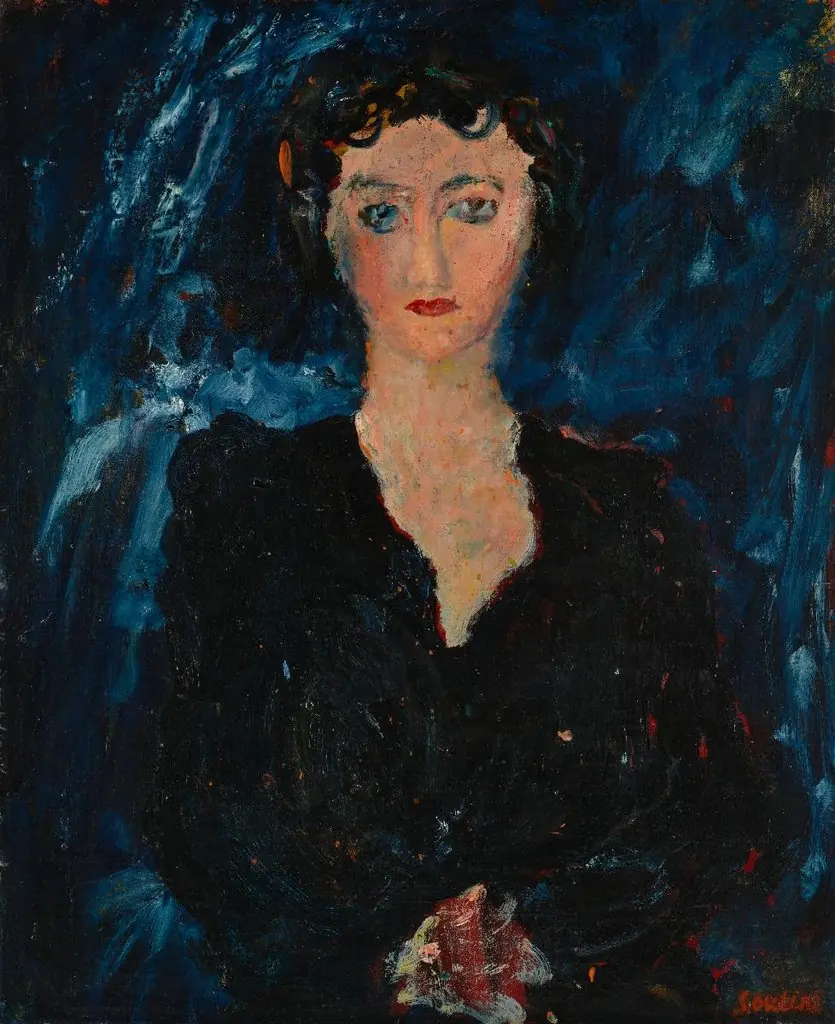
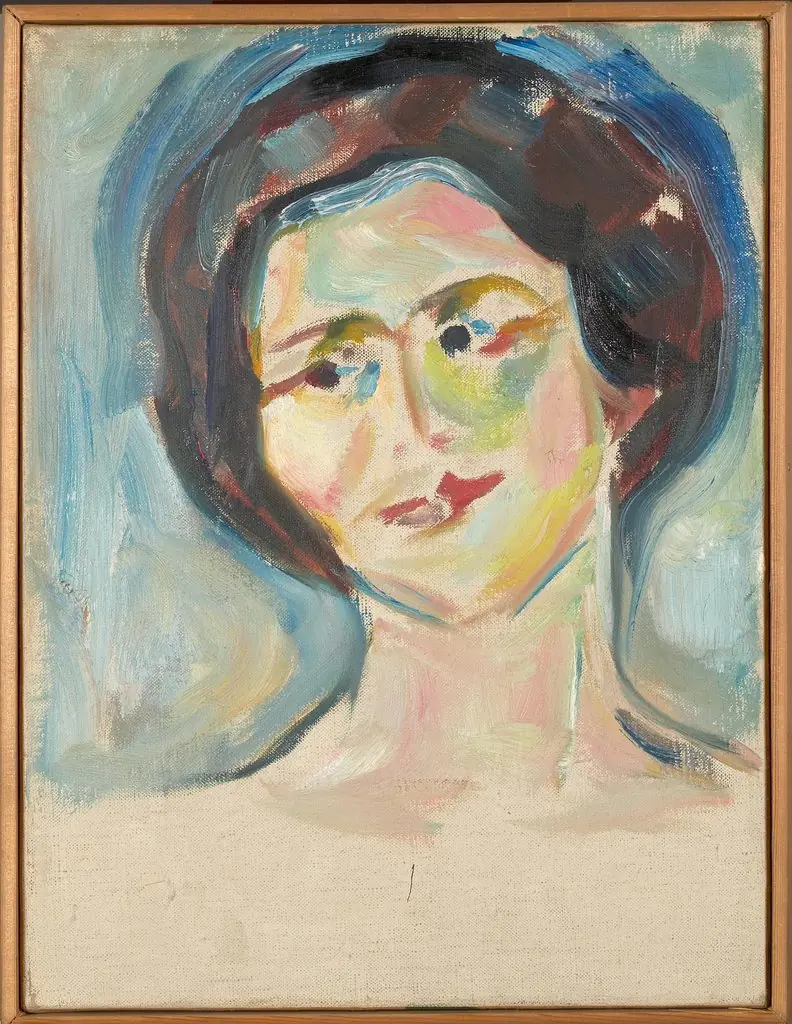
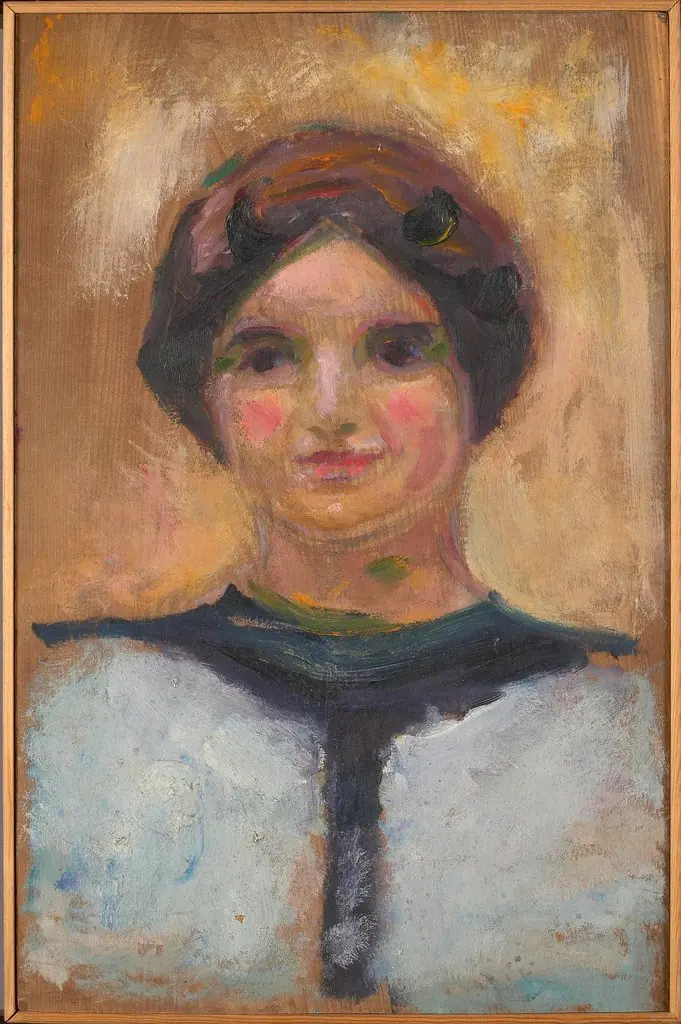
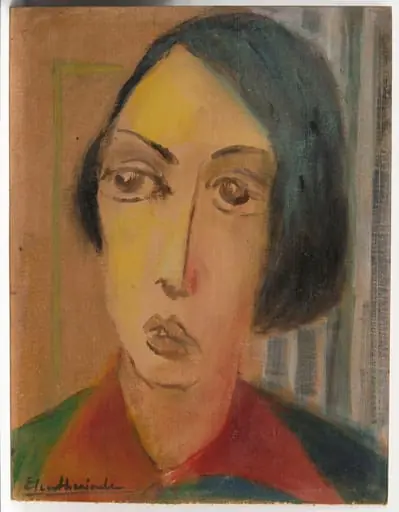
Frauenkopf. Bildnis einer Unbekannten is an oil painting by the Post-Impressionist artist Ferdinand Hodler. It dates from 1907 and is held in the collection of the Kunsthaus Zürich.
About this work
Overview
Though Hodler began his career with naturalistic subjects, this piece reflects his mature style, blending observation with symbolic form.
Ferdinand Hodler painted *Frauenkopf. Bildnis einer Unbekannten* in 1907 using oil on canvas. The work presents a close-up portrait of an unidentified woman, rendered with restrained composition and deliberate brushwork. Though Hodler began his career with naturalistic subjects, this piece reflects his mature style, blending observation with symbolic form. It resides in the Kunsthaus Zürich, part of a broader collection of his later portraits.
Subject & Meaning
The subject is a woman whose identity remains unknown, emphasizing anonymity over individual biography. Her direct gaze and composed posture suggest introspection rather than narrative. Hodler avoids romanticization, focusing instead on presence and stillness. The lack of contextual detail shifts attention to the psychological weight of the face, aligning with Symbolist interests in inner states over external circumstance.
Technique & Style
Hodler employed broad, assertive brushstrokes to model the woman’s face, using warm pinks and reds to suggest volume and life. The high collar and pulled-back hair simplify the form, reducing distraction. The pale beige background neither competes nor recedes, creating a neutral field that isolates the figure. This approach reflects his concept of 'parallelism'—repeating shapes and rhythms to evoke harmony and emotional resonance.
History & Provenance
Painted in 1907, the work entered the Kunsthaus Zürich’s collection shortly after its completion. Hodler was a central figure in Swiss art at the time, and the museum actively acquired his works during his lifetime. No significant changes in ownership are documented; the painting has remained in public custody since its acquisition, preserving its original context within Swiss modernist practice.
Context
In early 20th-century Europe, portraiture was shifting from realism toward psychological and formal experimentation. Hodler’s work responded to broader Symbolist currents while maintaining a distinctly Swiss sensibility—reserved, structured, and emotionally contained. Unlike French Impressionists, he avoided fleeting light effects, favoring enduring forms and internal rhythm over atmospheric change.
Legacy
This portrait exemplifies Hodler’s transition from realism to symbolic abstraction, influencing later Swiss artists who sought emotional depth through simplified form. While not widely known outside German-speaking regions, his approach to the human face as a vessel of quiet intensity contributed to the evolution of modern portraiture in Central Europe. The work remains a reference point for studies of early modernist expression in Switzerland.
Artist & collection
Artist
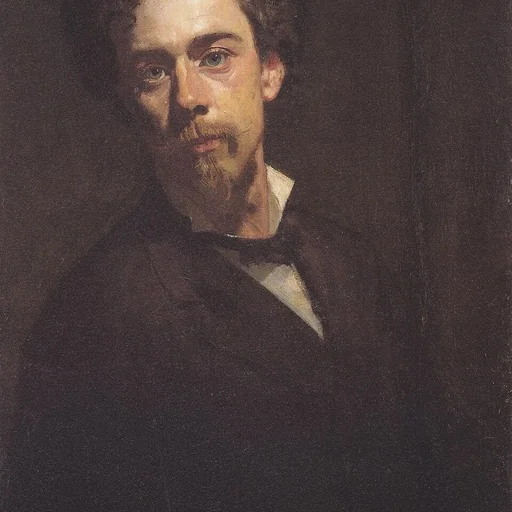
Ferdinand Hodler (March 14, 1853 – May 19, 1918) was a Swiss painter. He is one of the best-known Swiss painters of the nineteenth century. His early works were portraits, landscapes, and genre paintings in a realistic…