Artwork
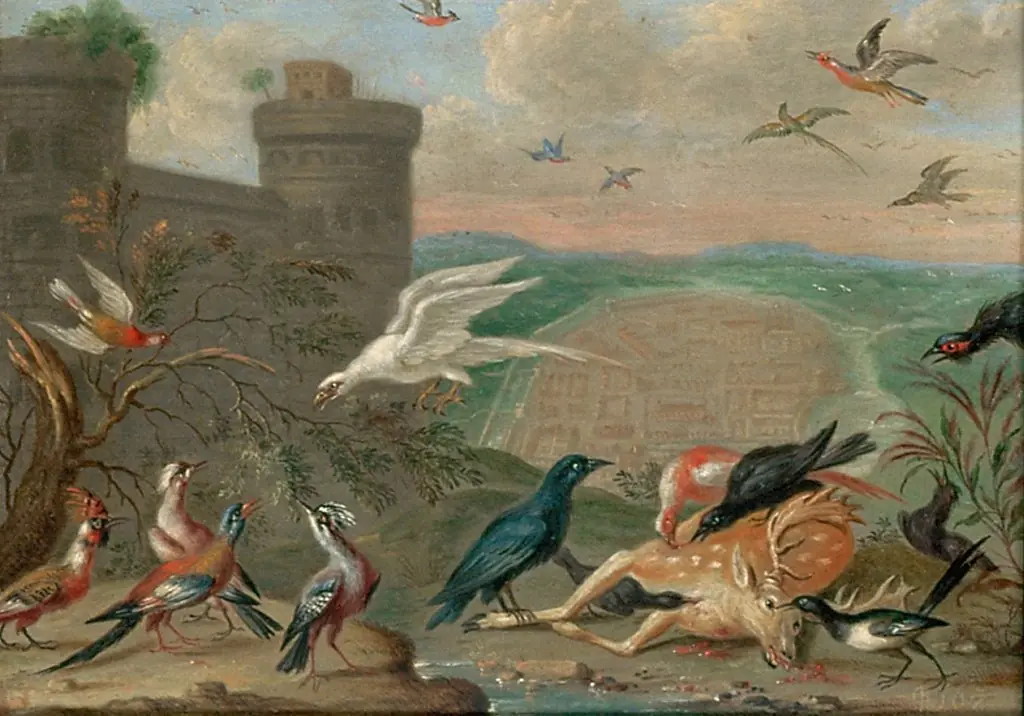
Ansichten aus den vier Weltteilen mit Szenen von Tieren: Paris
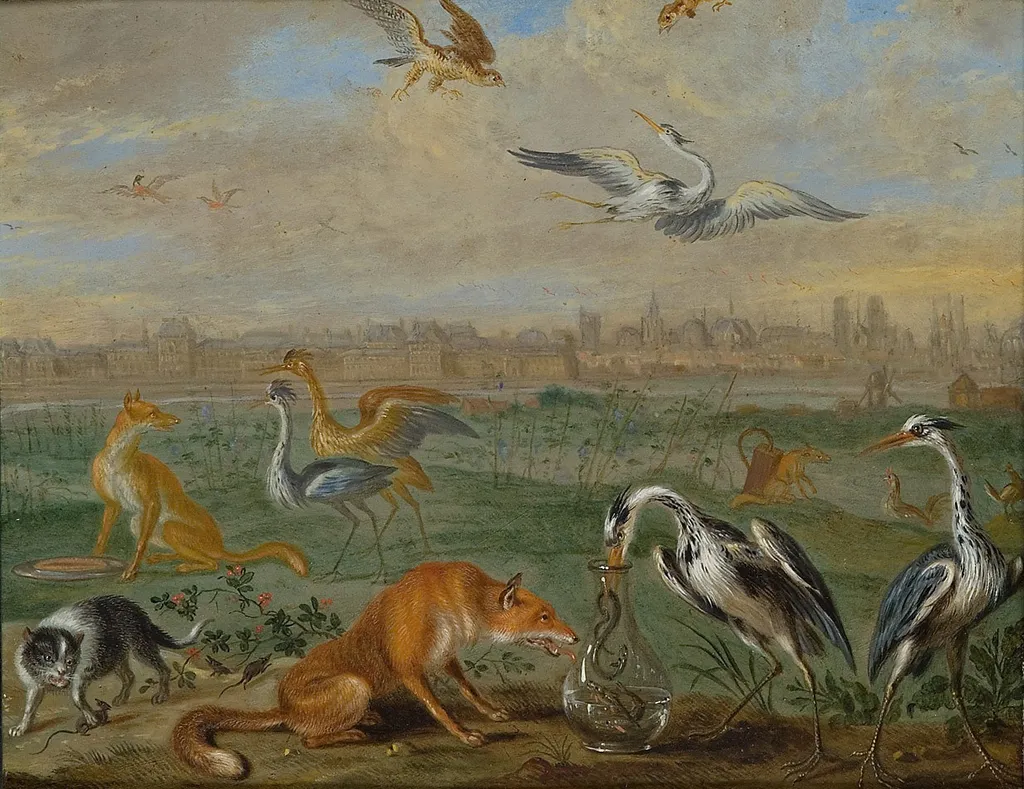
Ansichten aus den vier Weltteilen mit Szenen von Tieren: Paris is an unspecified painting by Ferdinand van Kessel the Elder. It dates from 1682 and is held in the collection of the Kunsthistorisches Museum.
About this work
Overview
The Paris panel is among those preserved in the Kunsthistorisches Museum, reflecting the artist’s interest in global themes and the natural world.
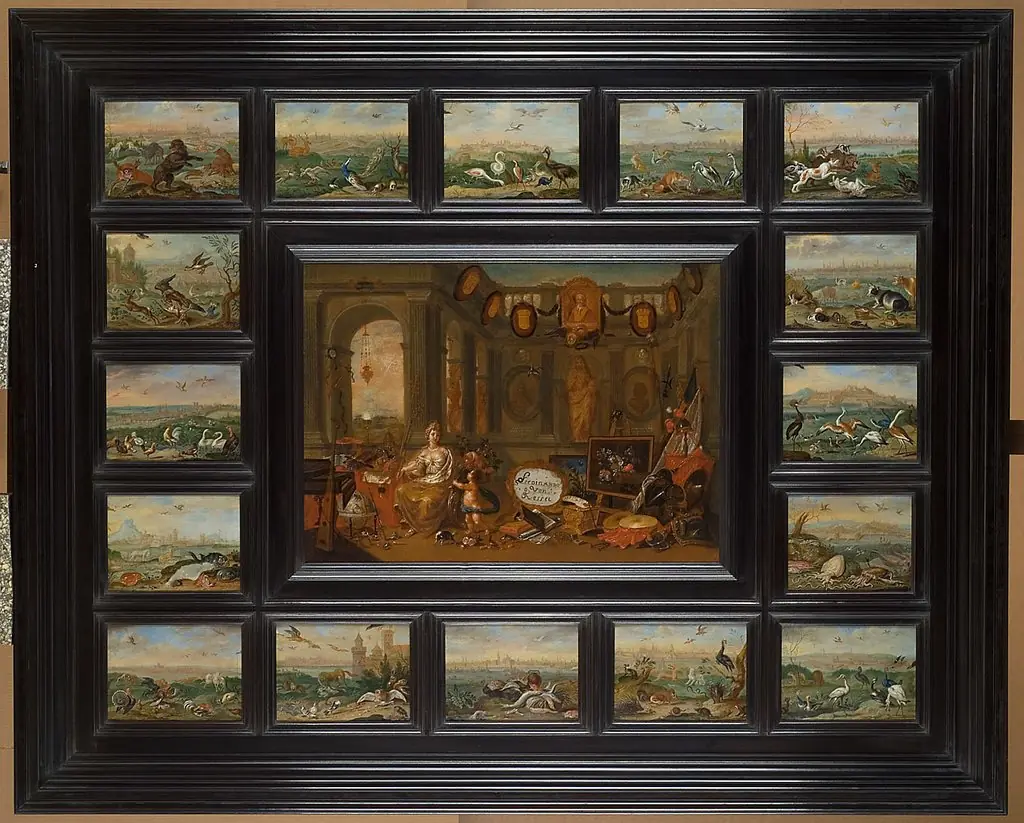
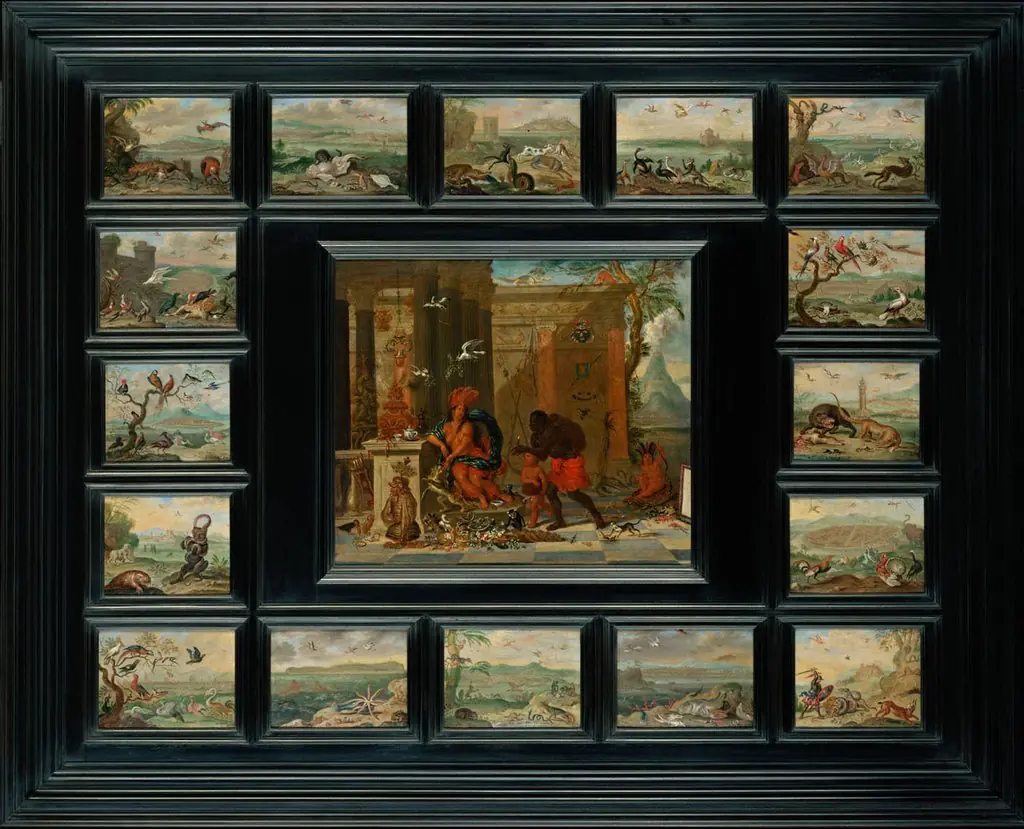
Painted around 1682 by Ferdinand van Kessel the Elder, this work is one of four in a series illustrating scenes from the known continents. Each panel pairs a cityscape with depictions of animals, blending geographical representation with natural observation. The Paris panel is among those preserved in the Kunsthistorisches Museum, reflecting the artist’s interest in global themes and the natural world.
Subject & Meaning
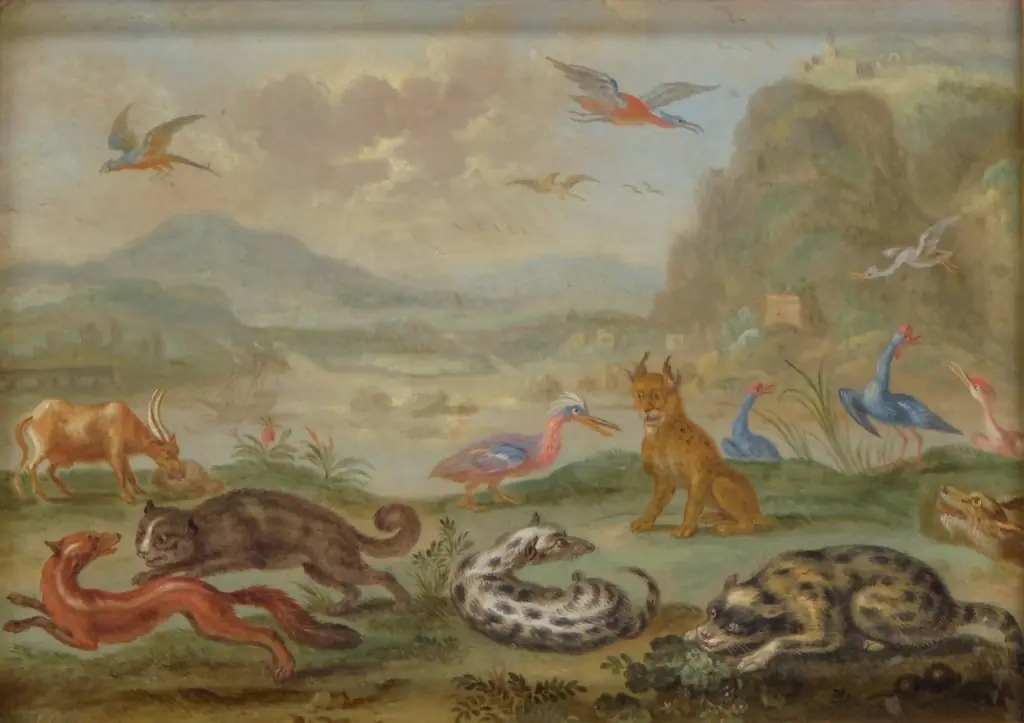
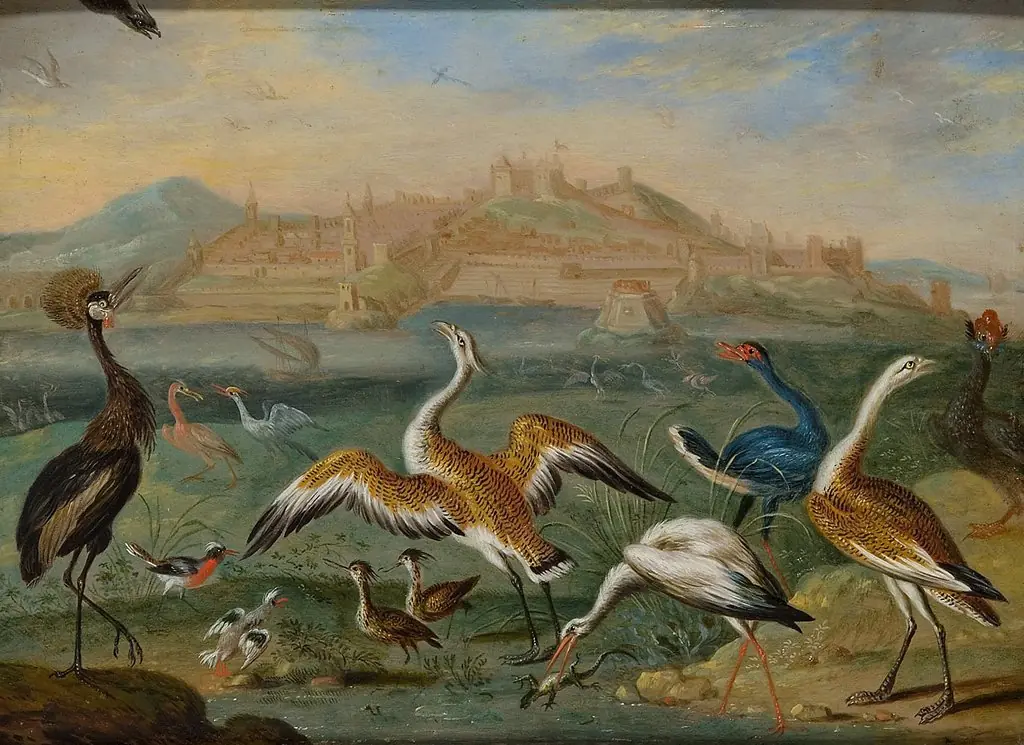
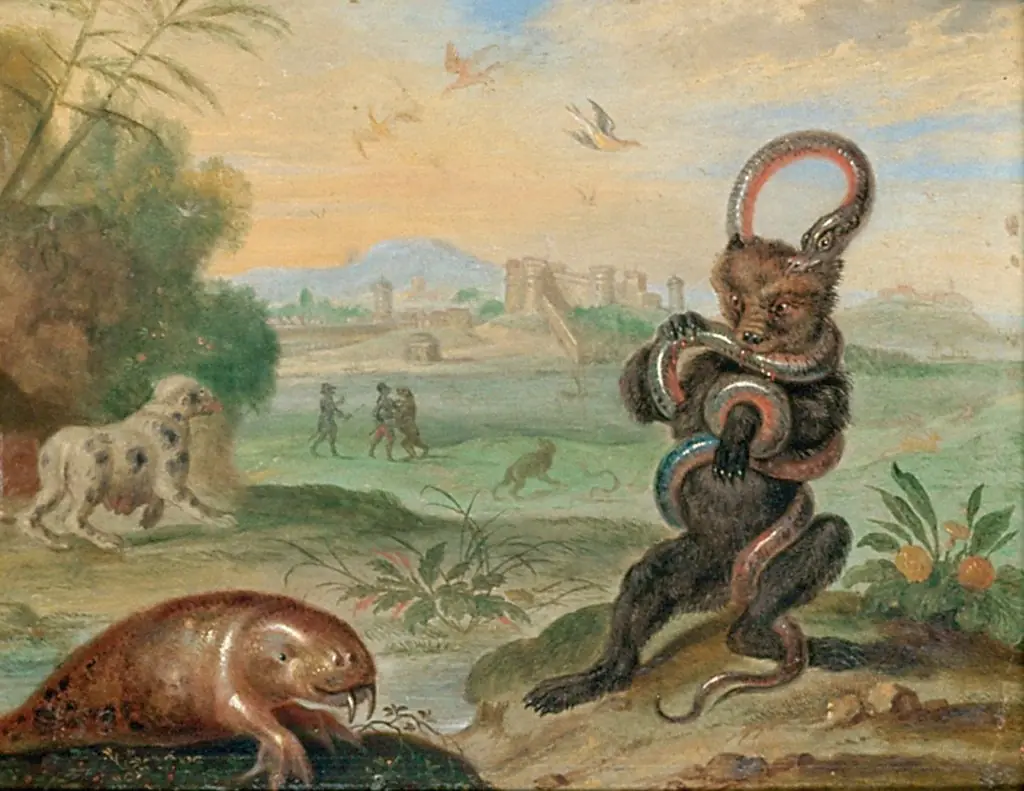
The painting presents Paris as a backdrop to a lively arrangement of animals, likely chosen for their symbolic or exotic associations. Rather than documenting real events, the scene constructs a fictionalized encounter between urban civilization and the wild, suggesting a curiosity about distant lands and their fauna. The animals may reflect contemporary European fascination with global biodiversity.
Technique & Style
Van Kessel employed fine brushwork to render both architectural details and animal forms with precision. His style merges the meticulousness of Flemish still life with the atmospheric depth of landscape painting. The animals are rendered with lively detail, contrasting with the more generalized cityscape, emphasizing the natural over the built environment.
History & Provenance
The painting was created during the late 17th century as part of a commissioned series, likely intended for a private collector interested in cosmopolitan themes. It entered the Kunsthistorisches Museum’s collection in the 19th century, where it remains alongside the other three panels. Its survival in near-original condition reflects its enduring value to the museum’s holdings.
Context
In the late 1600s, European interest in global exploration and natural history was growing. Van Kessel’s series responds to this trend, aligning with the era’s cabinets of curiosities and illustrated natural histories. The pairing of cities with animals reflects a desire to categorize and visualize the world’s diversity, even when based on secondhand knowledge.
Legacy
Though not widely known outside specialist circles, the series represents an early attempt to visualize global diversity through art. Van Kessel’s approach influenced later artists who combined topographical and zoological subjects. The work endures as a quiet testament to the period’s intellectual curiosity about the natural world beyond Europe.
Artist & collection
Artist
Ferdinand van Kessel the Elder
Ferdinand van Kessel (1648 – 1696), was a Flemish Baroque painter known for his landscapes, still lifes and genre pieces with monkeys.

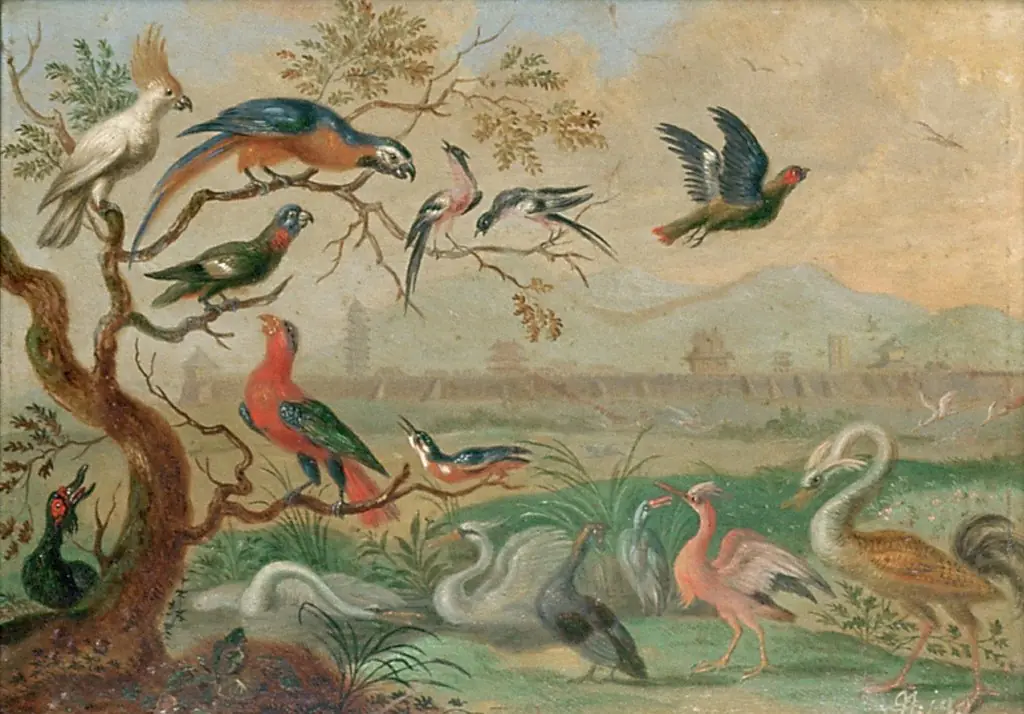
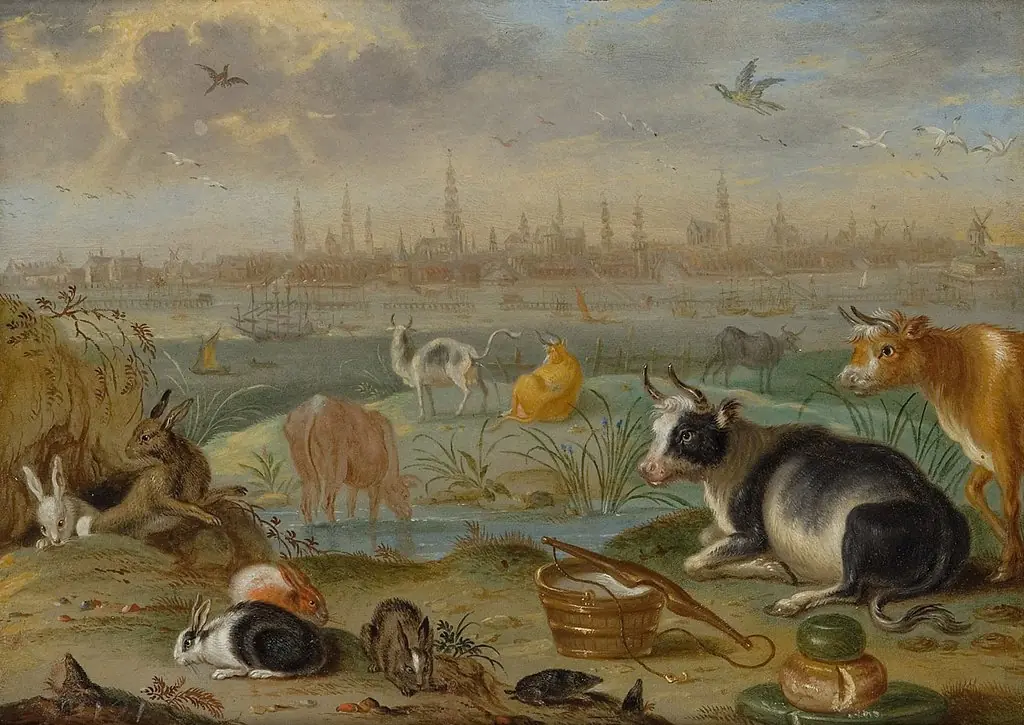
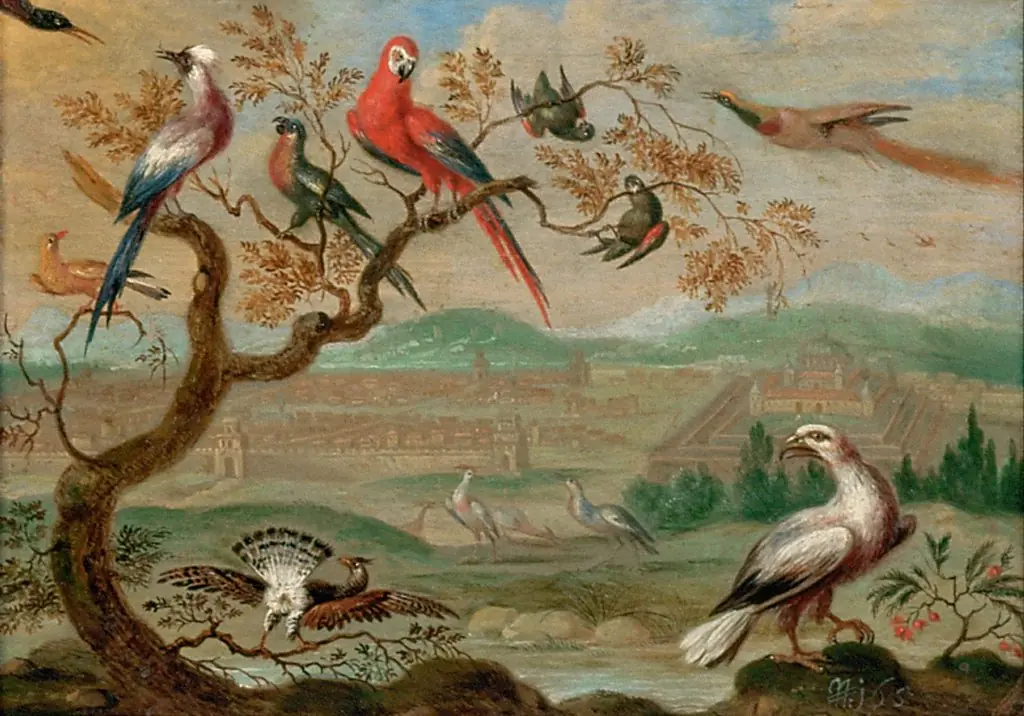 Ansichten aus den vier Weltteilen mit Szenen von Tieren: Cusco
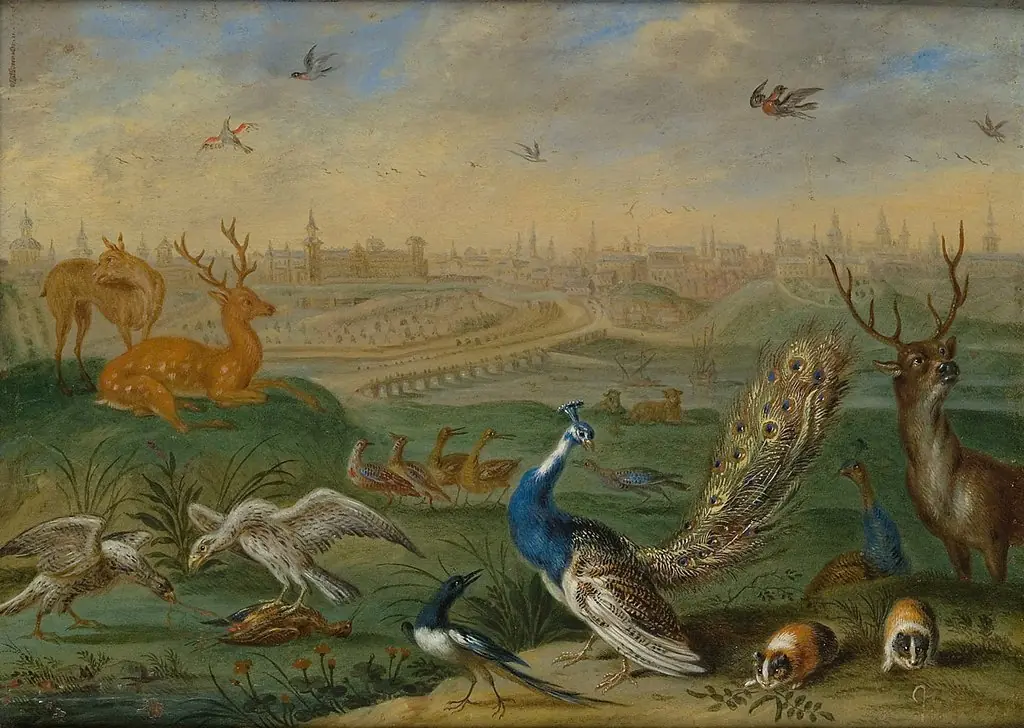 Ansichten aus den vier Weltteilen mit Szenen von Tieren: Madrid
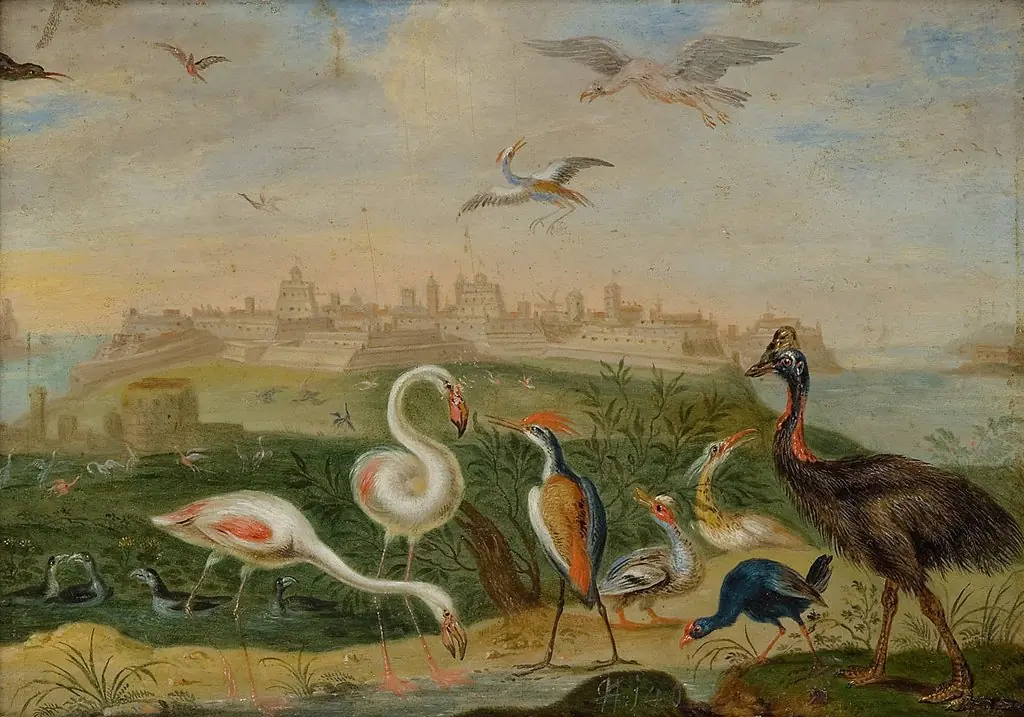 Ansichten aus den vier Weltteilen mit Szenen von Tieren: Malta
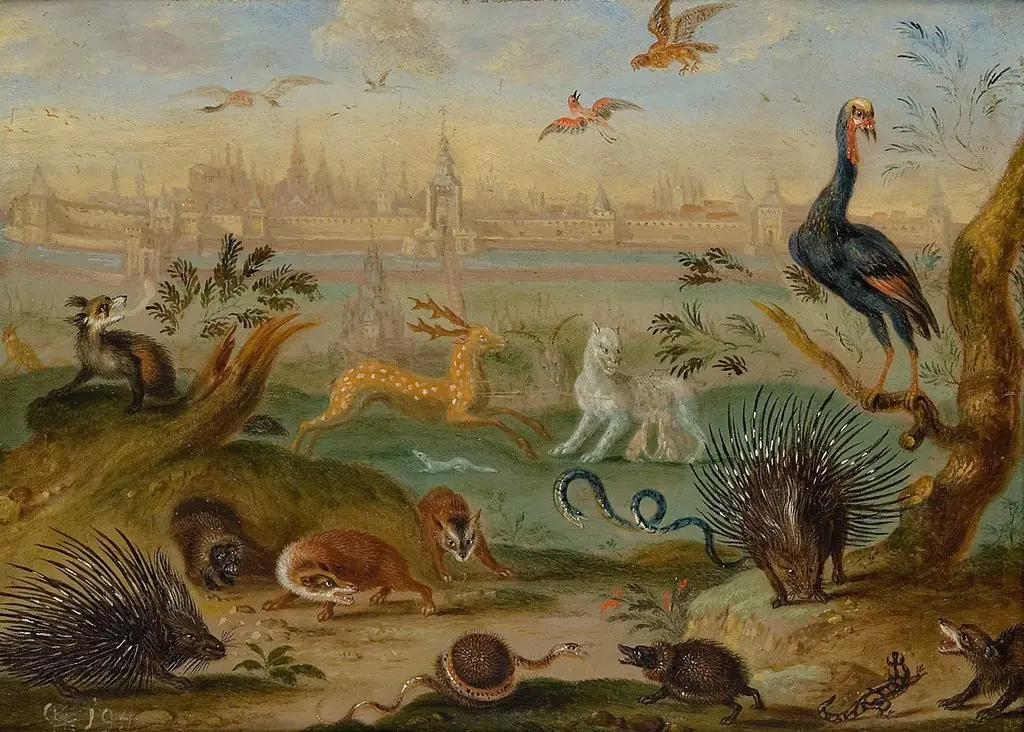 Ansichten aus den vier Weltteilen mit Szenen von Tieren: Moskau
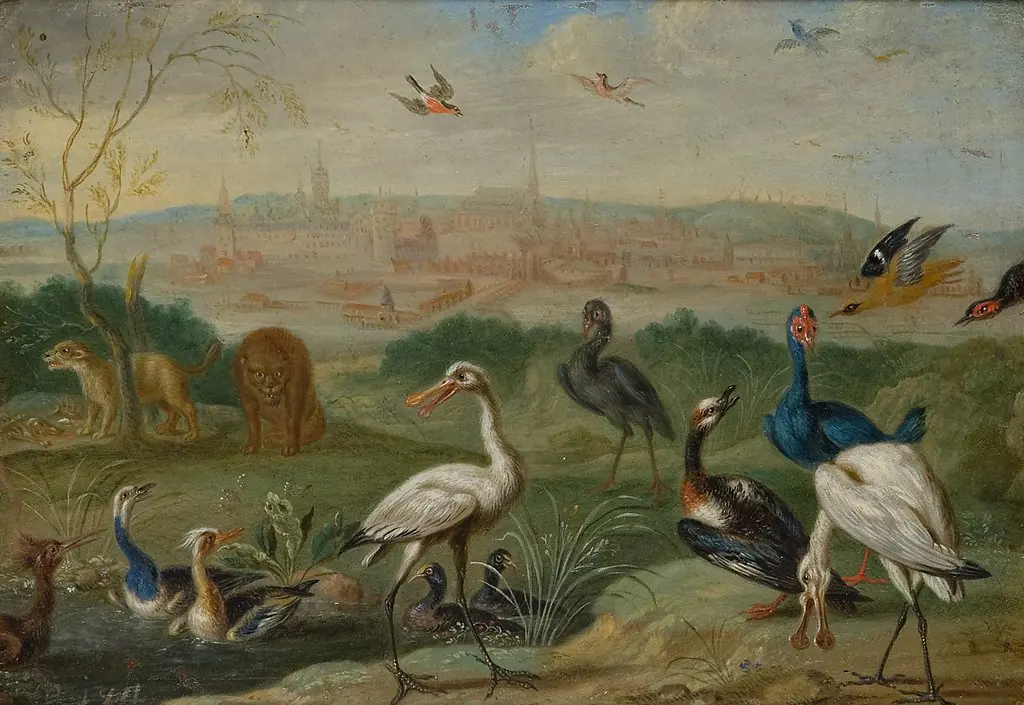
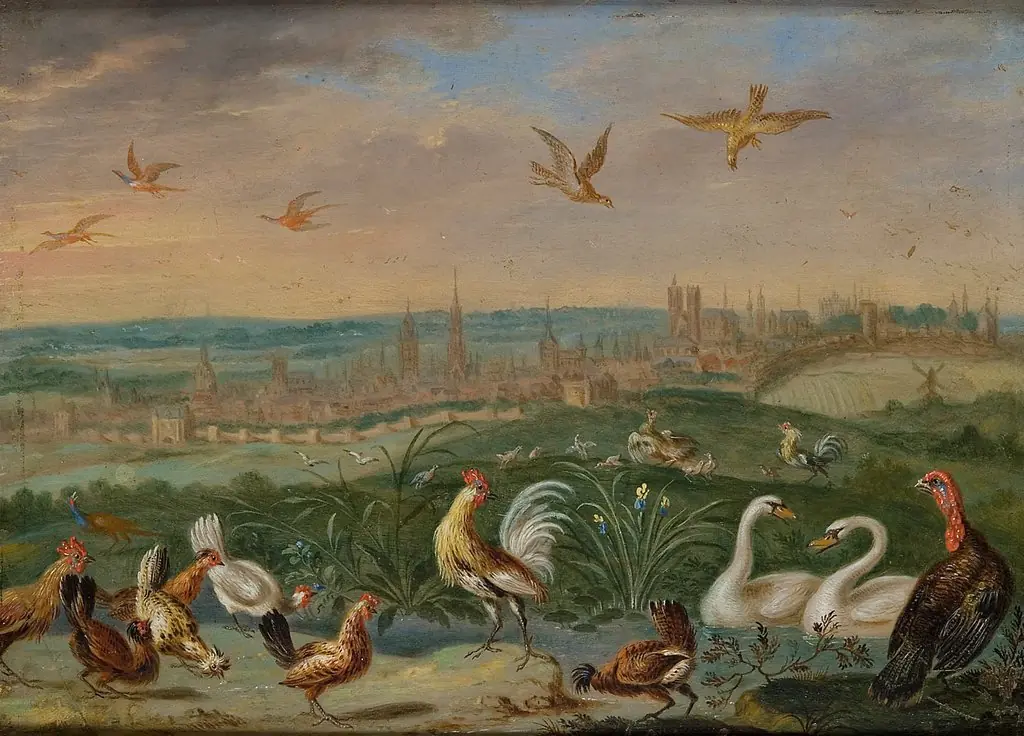 Ansichten aus den vier Weltteilen mit Szenen von Tieren: Brüssel
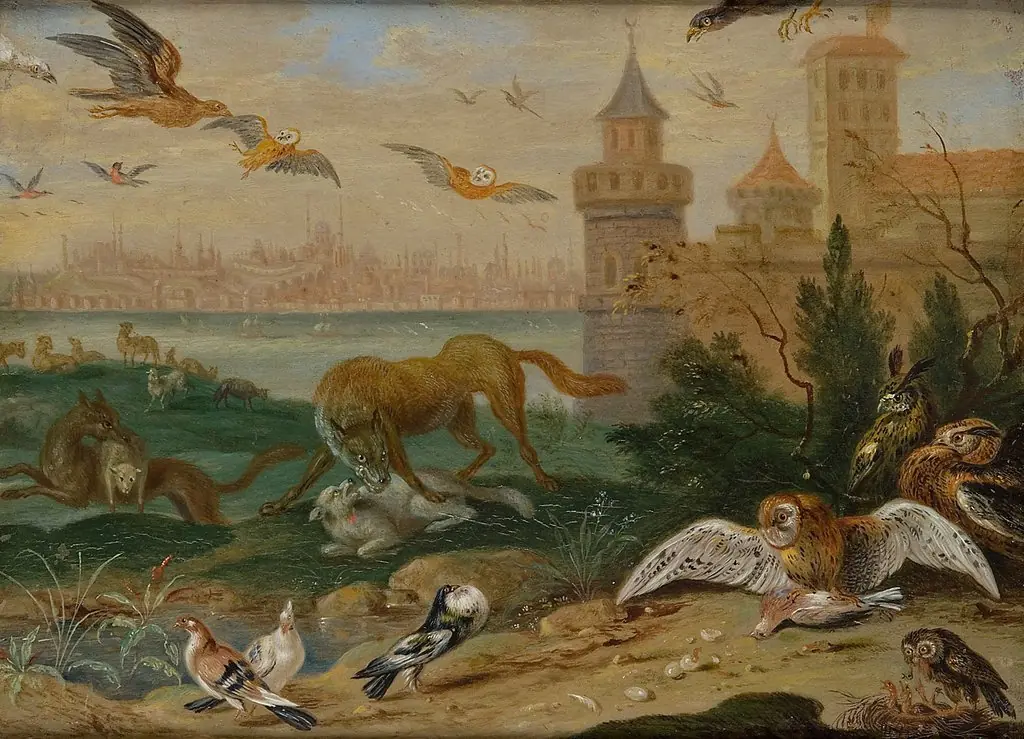 Ansichten aus den vier Weltteilen mit Szenen von Tieren: Konstantinopel
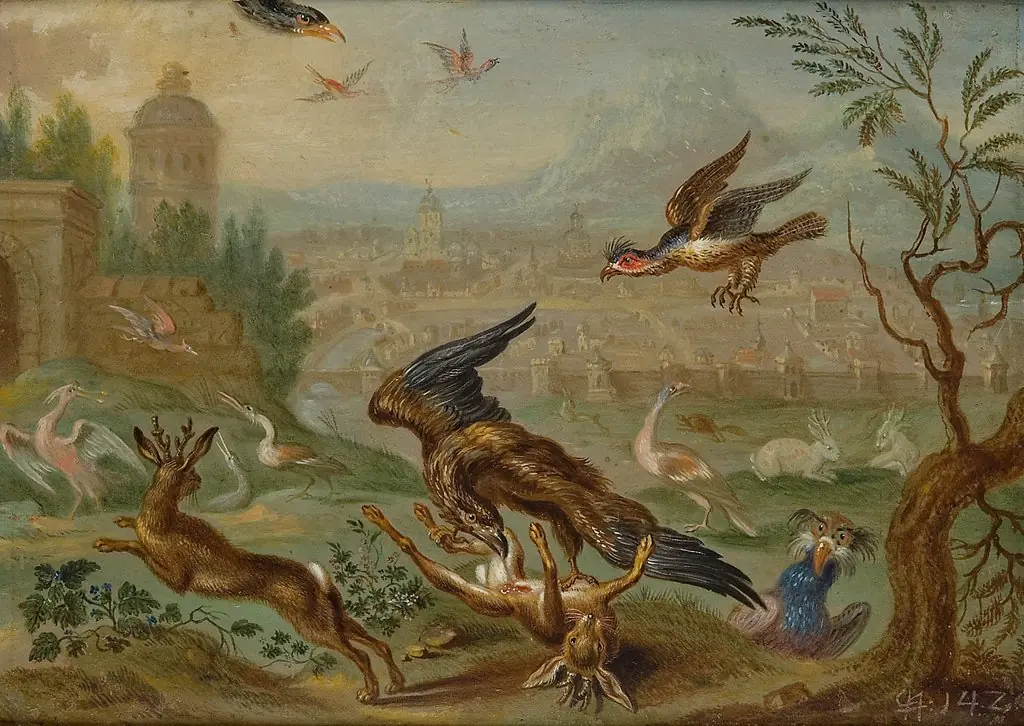 Ansichten aus den vier Weltteilen mit Szenen von Tieren: Damaskus
 Ansichten aus den vier Weltteilen mit Szenen von Tieren: Santo Domingo (Dominikanische Republik)