Artwork
Ansichten aus den vier Weltteilen mit Szenen von Tieren: Amsterdam
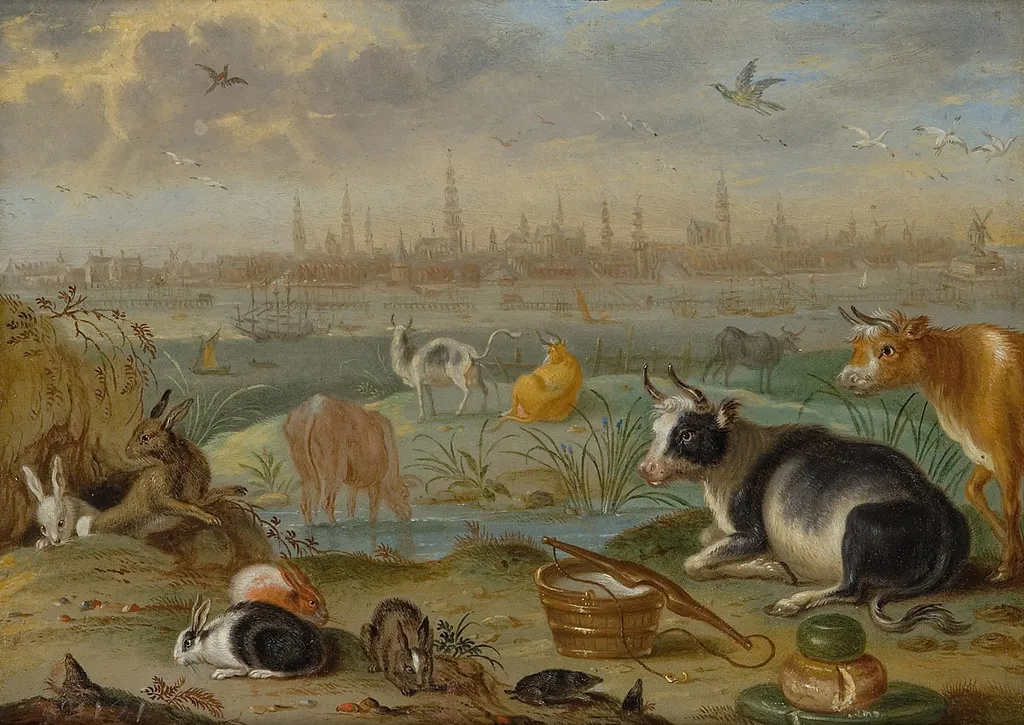
Ansichten aus den vier Weltteilen mit Szenen von Tieren: Amsterdam is an unspecified painting by Ferdinand van Kessel the Elder. It dates from 1682 and is held in the collection of the Kunsthistorisches Museum.
About this work
Overview
Though rooted in Flemish Baroque traditions, the work diverges from conventional religious or mythological themes by focusing on animals in an urban setting.
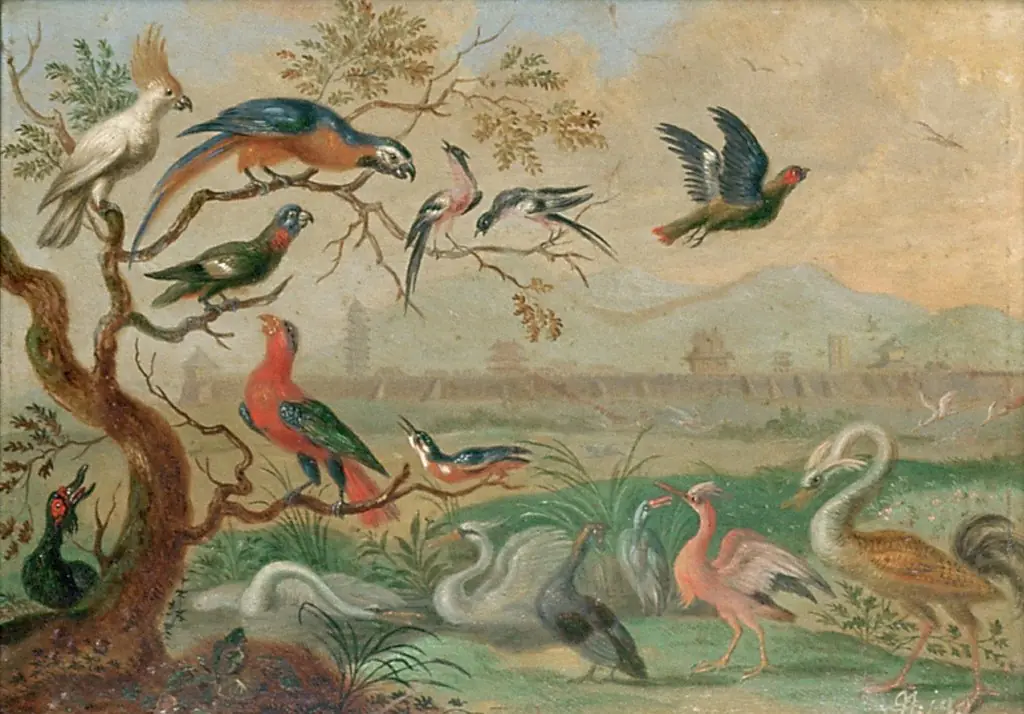
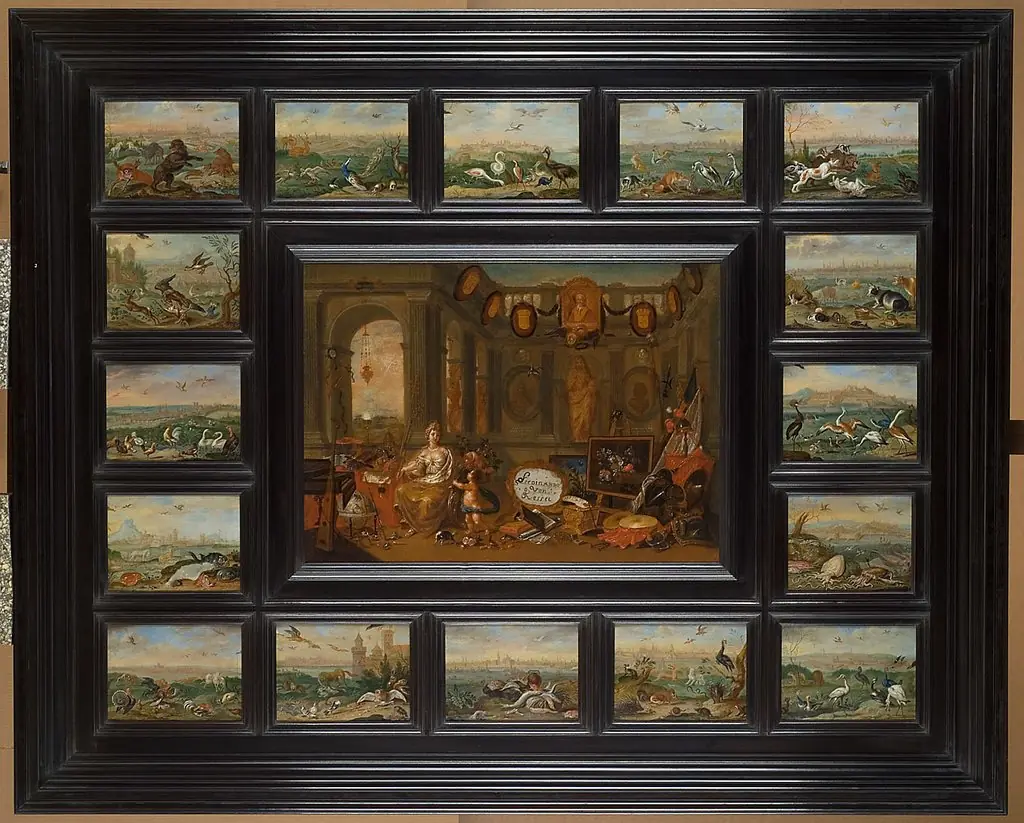
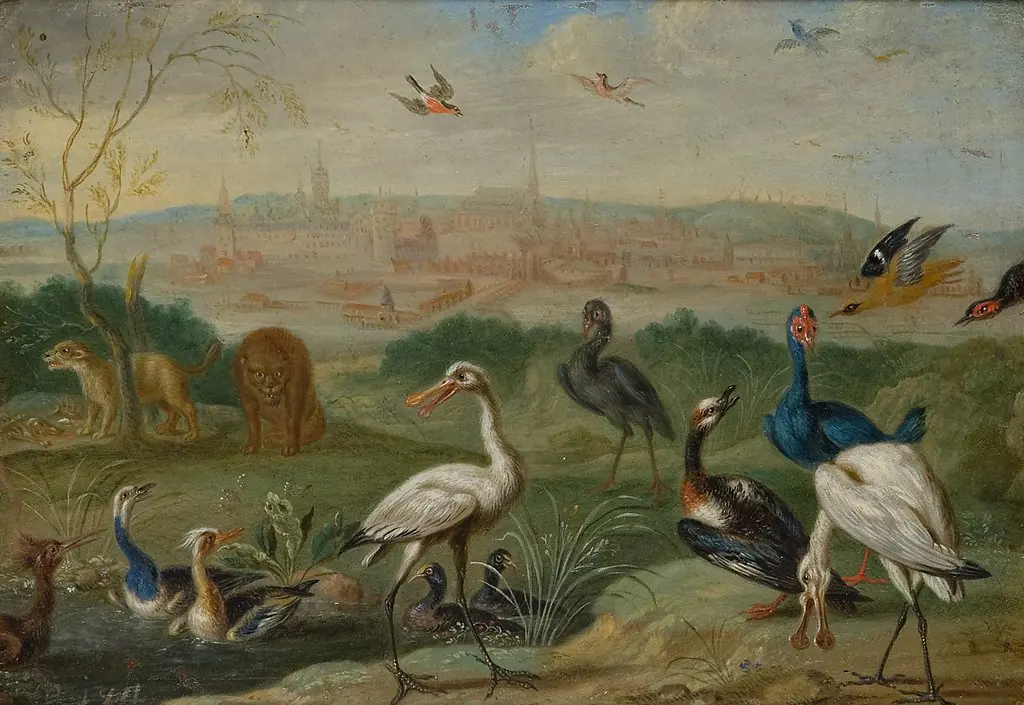
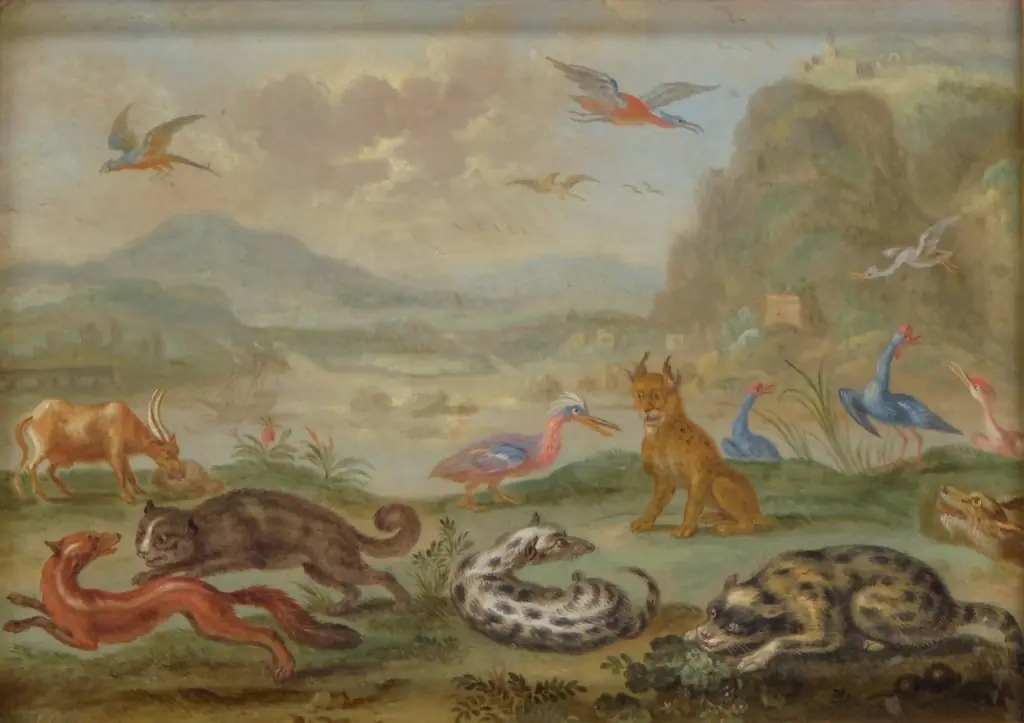
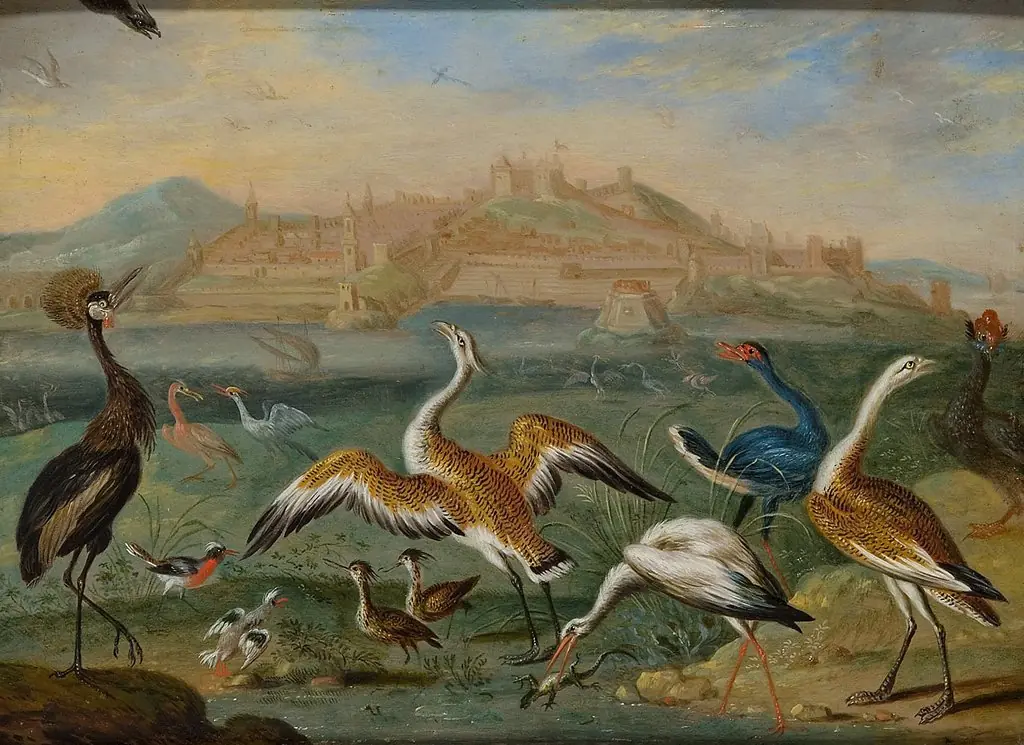
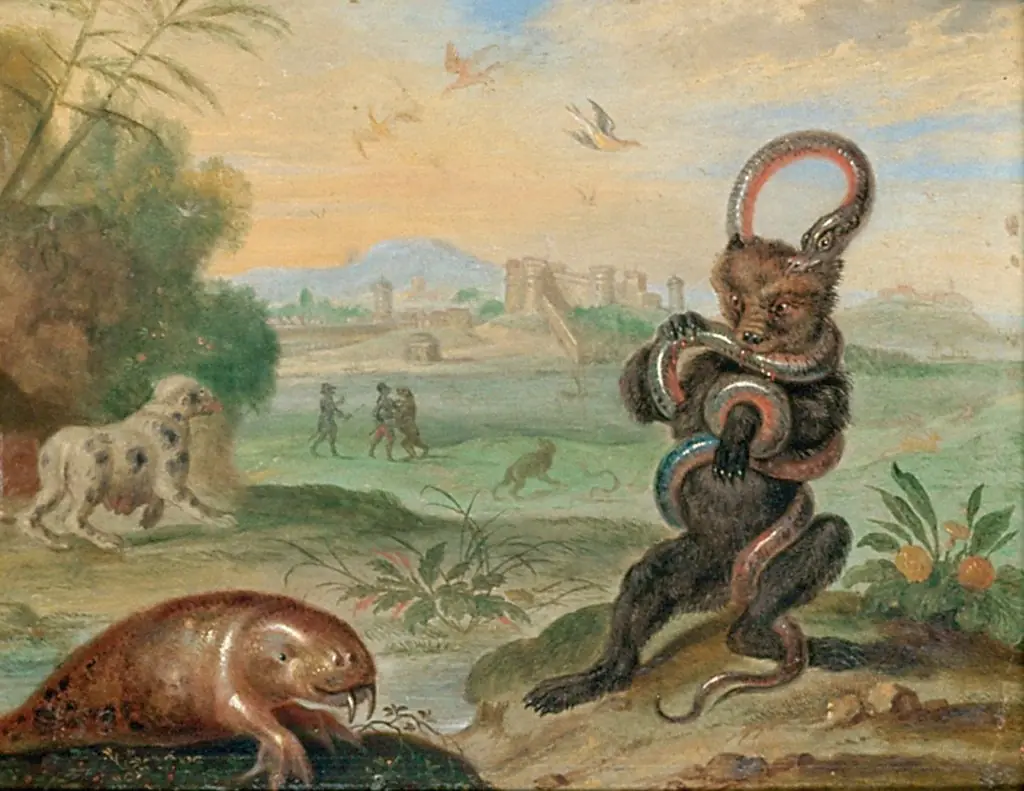
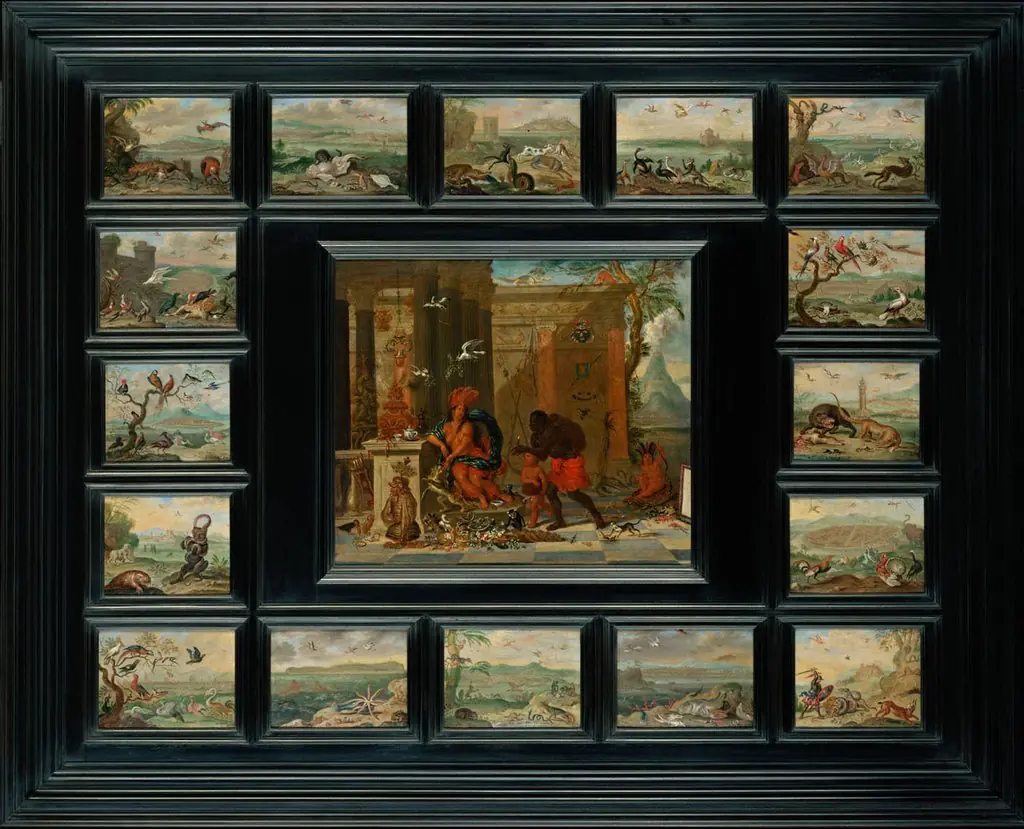
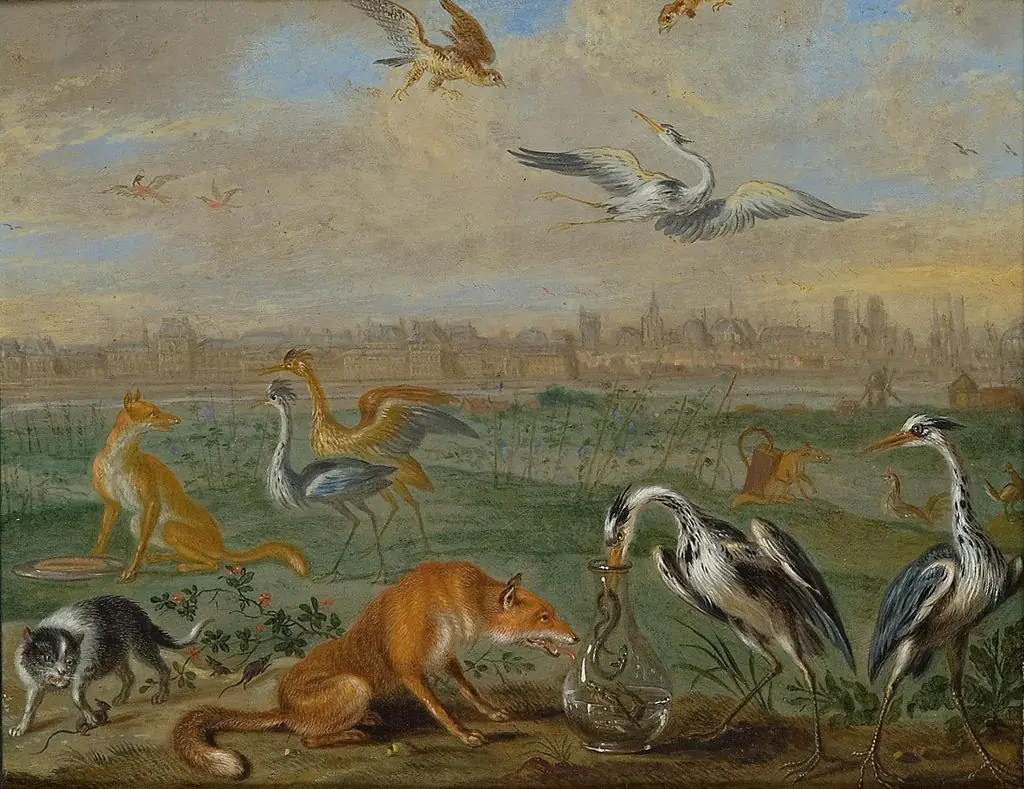
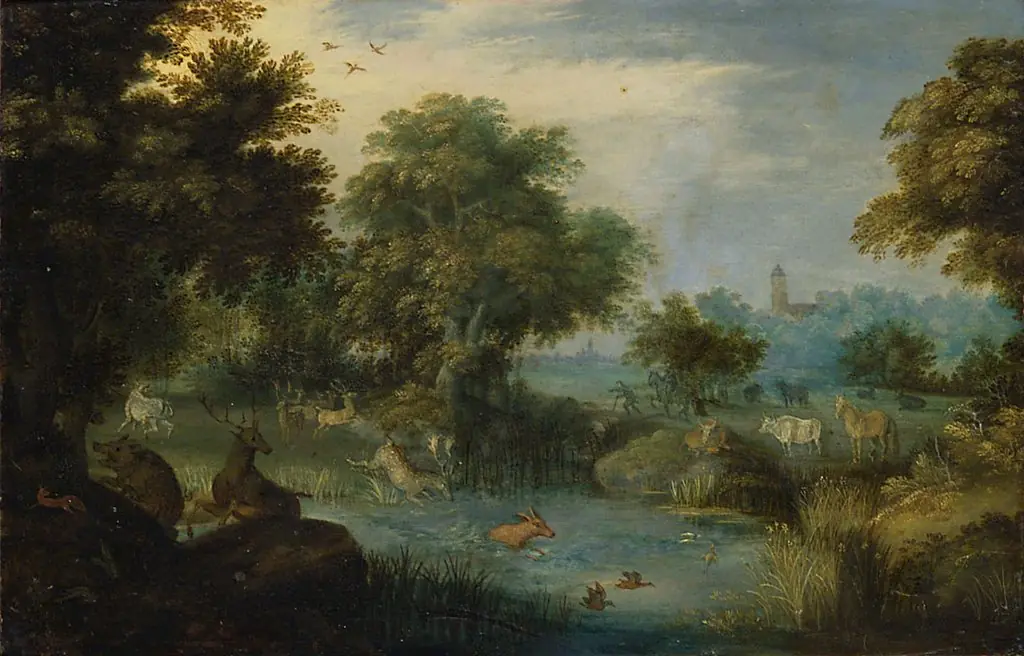
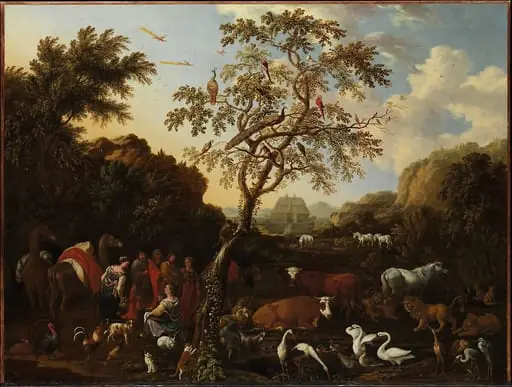
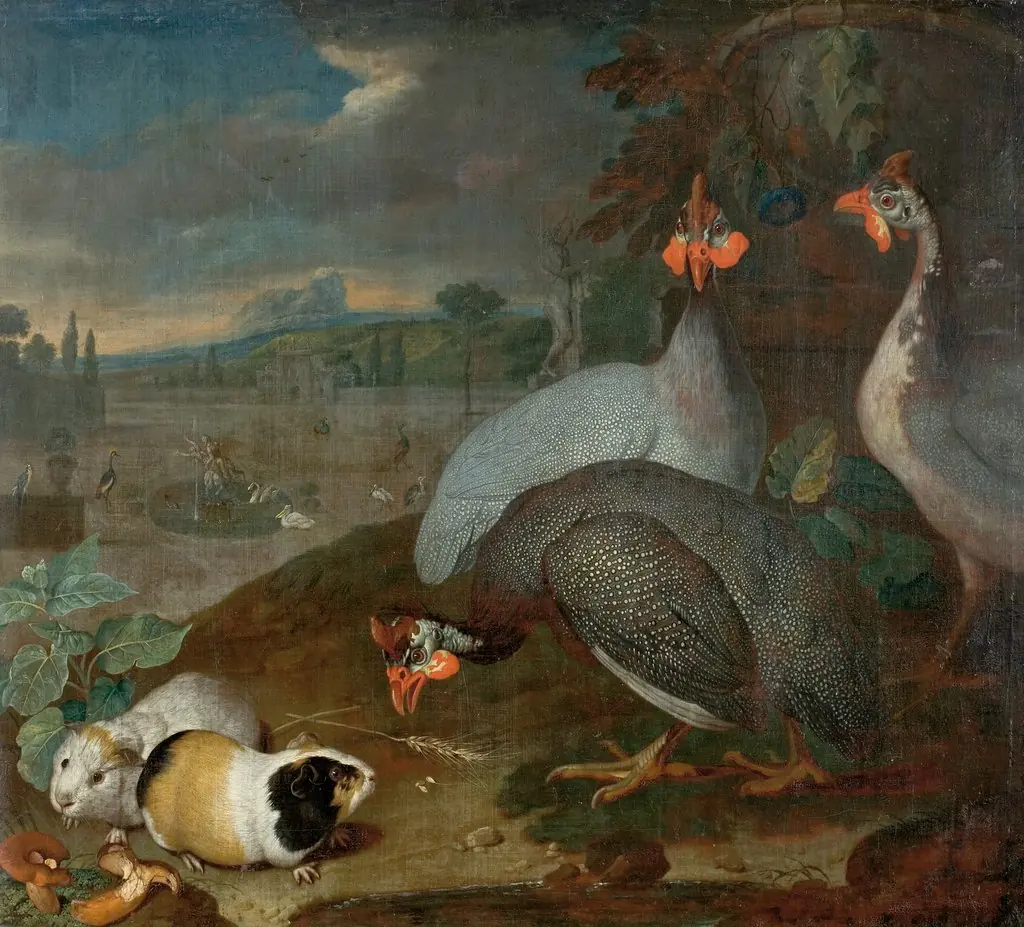
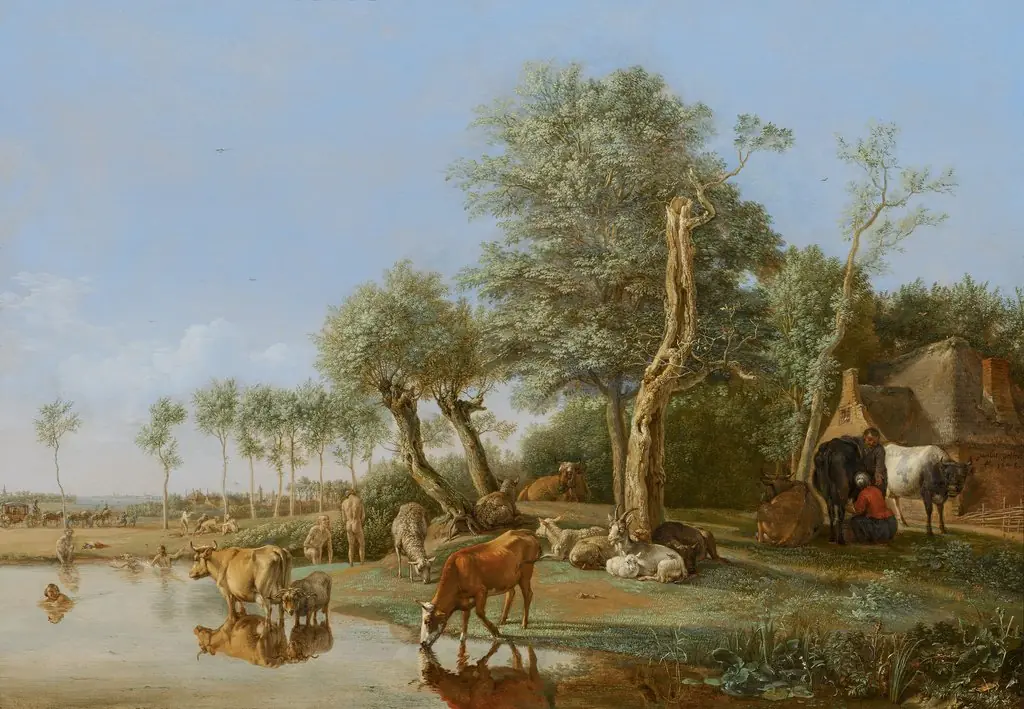
Ferdinand van Kessel the Elder painted *Ansichten aus den vier Weltteilen mit Szenen von Tieren: Amsterdam* circa 1682. Though rooted in Flemish Baroque traditions, the work diverges from conventional religious or mythological themes by focusing on animals in an urban setting. It belongs to a series exploring global regions through wildlife, with this panel representing Amsterdam as a hub of natural curiosity and trade.
Subject & Meaning
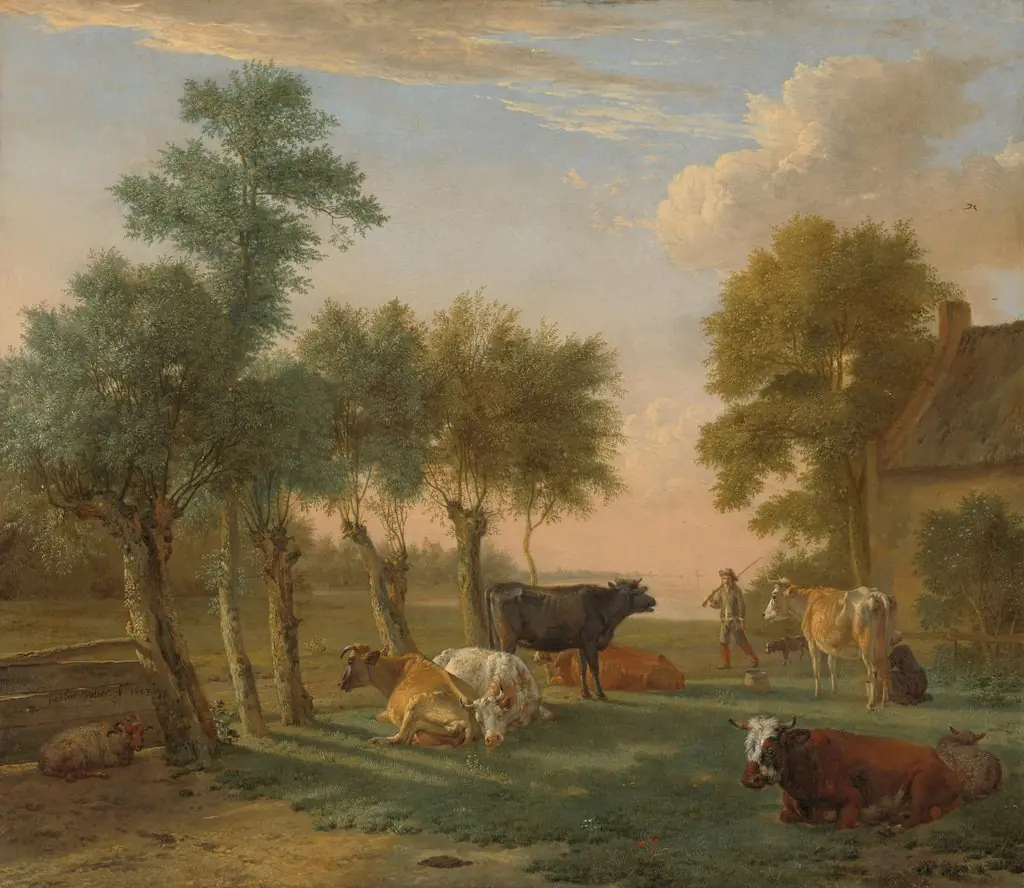
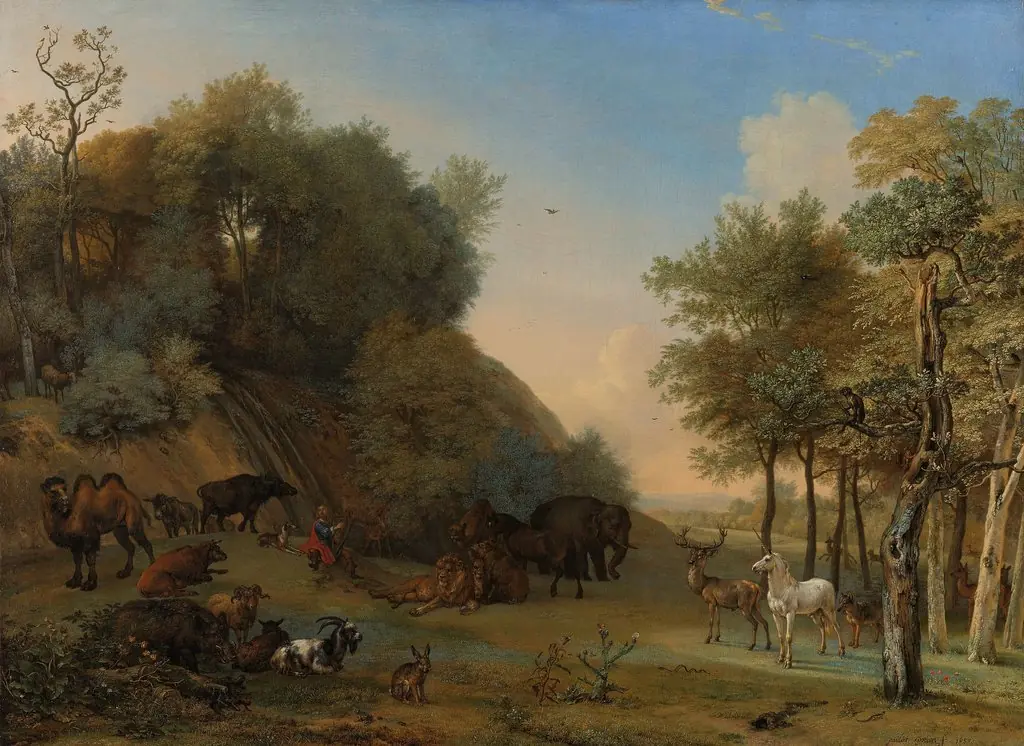
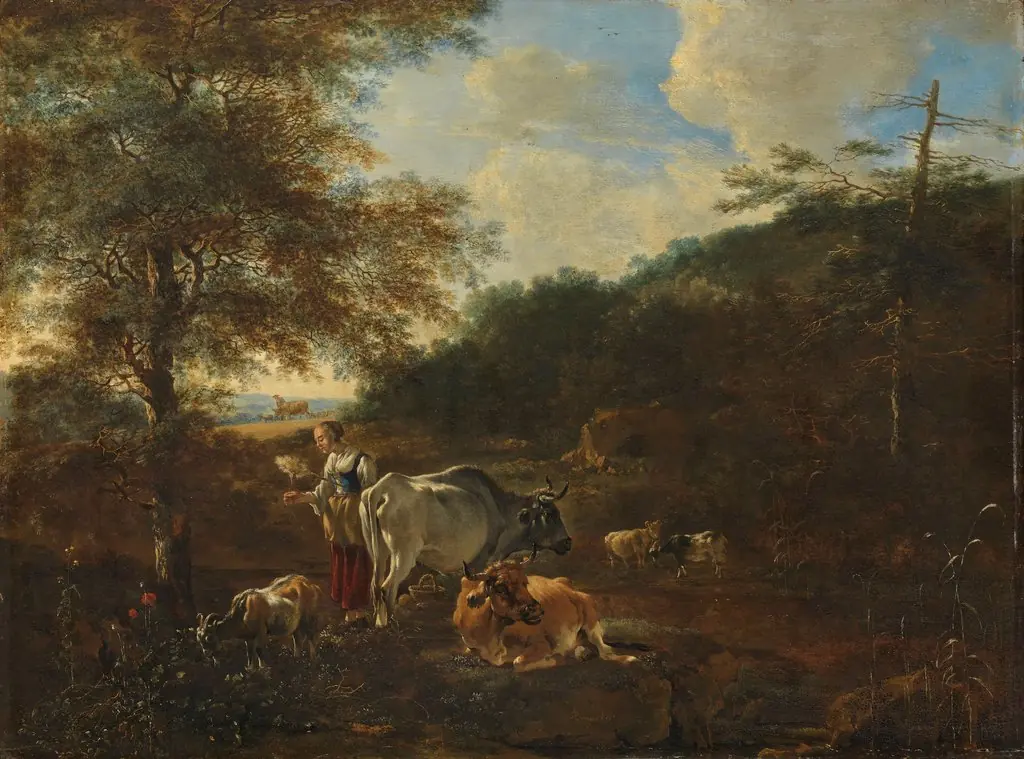
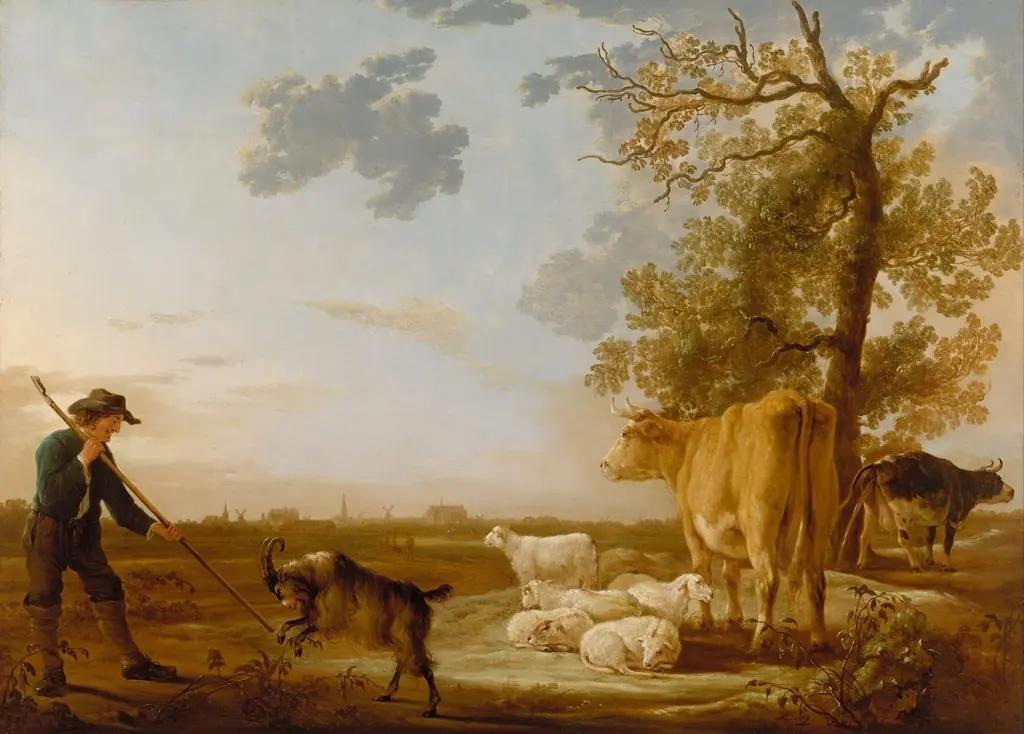
The painting presents a variety of animals—some native, others exotic—gathered in an imagined Amsterdam landscape. Rather than documenting real events, it reflects 17th-century European fascination with global biodiversity and the city’s role as a center for natural specimens. The animals are arranged with deliberate order, suggesting a controlled observation of nature, possibly alluding to the era’s growing scientific interest in classification.
Technique & Style
Van Kessel employed fine brushwork to render fur, feathers, and foliage with meticulous detail, characteristic of Flemish still-life traditions. The composition is structured yet lively, blending naturalistic animal depictions with stylized architectural elements of Amsterdam. Light is evenly distributed, avoiding dramatic contrasts, which reinforces the painting’s observational tone rather than emotional intensity.
History & Provenance
Created around 1682, the painting entered the Kunsthistorisches Museum’s collection in Vienna, likely through Habsburg acquisitions of Flemish art. It has remained in institutional hands since at least the 19th century, with no record of private ownership in the intervening centuries. Its inclusion in the museum’s holdings underscores its value as an example of specialized Baroque genre painting.
Context
In late 17th-century Europe, curiosity cabinets and natural history collections flourished, fueled by global exploration. Van Kessel’s work aligns with this trend, translating the public’s fascination with exotic animals into painted form. Amsterdam, as a major port, symbolized access to distant lands, making it a fitting setting for a series that visualized the world’s fauna through a European lens.
Legacy
Though not widely known outside specialist circles, the painting exemplifies a niche Baroque subgenre that merged naturalism with allegorical geography. It contributes to understanding how artists engaged with emerging scientific discourse without direct illustration. Van Kessel’s animal scenes remain valuable for their quiet documentation of early modern perceptions of nature and global exchange.
Artist & collection
Artist
Ferdinand van Kessel the Elder
Ferdinand van Kessel (1648 – 1696), was a Flemish Baroque painter known for his landscapes, still lifes and genre pieces with monkeys.