Artwork
Ansichten aus den vier Weltteilen mit Szenen von Tieren: Salvador (Brasilien)
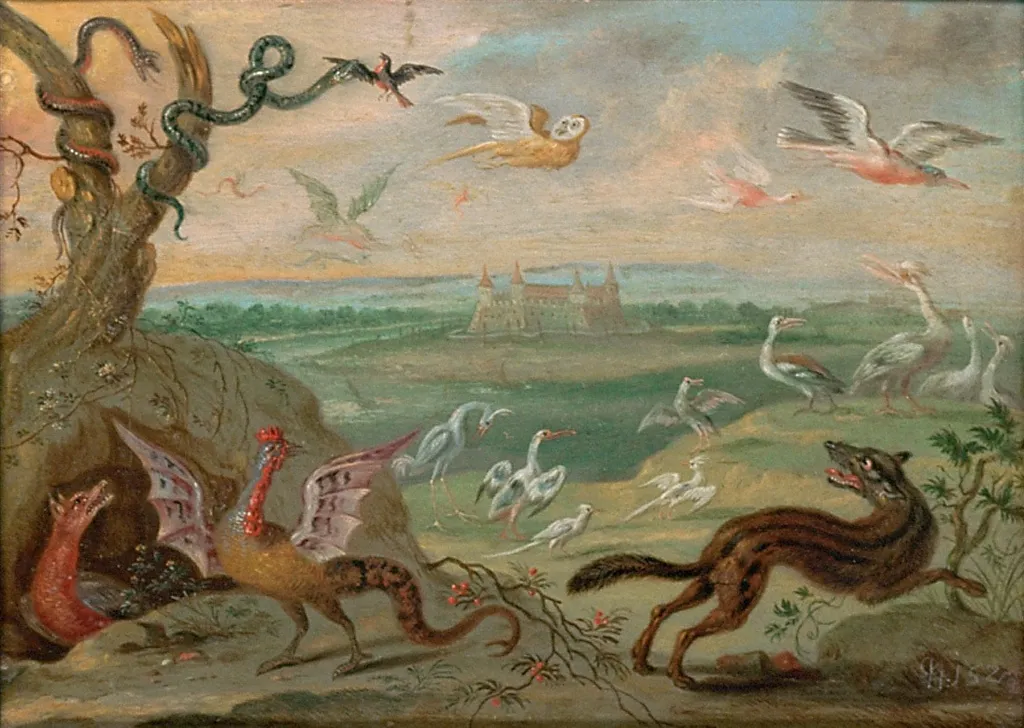
Ansichten aus den vier Weltteilen mit Szenen von Tieren: Salvador (Brasilien) is an unspecified painting by Ferdinand van Kessel the Elder. It dates from 1682 and is held in the collection of the Kunsthistorisches Museum.
About this work
Overview
Each panel corresponds to a continent, with this one representing Brazil.
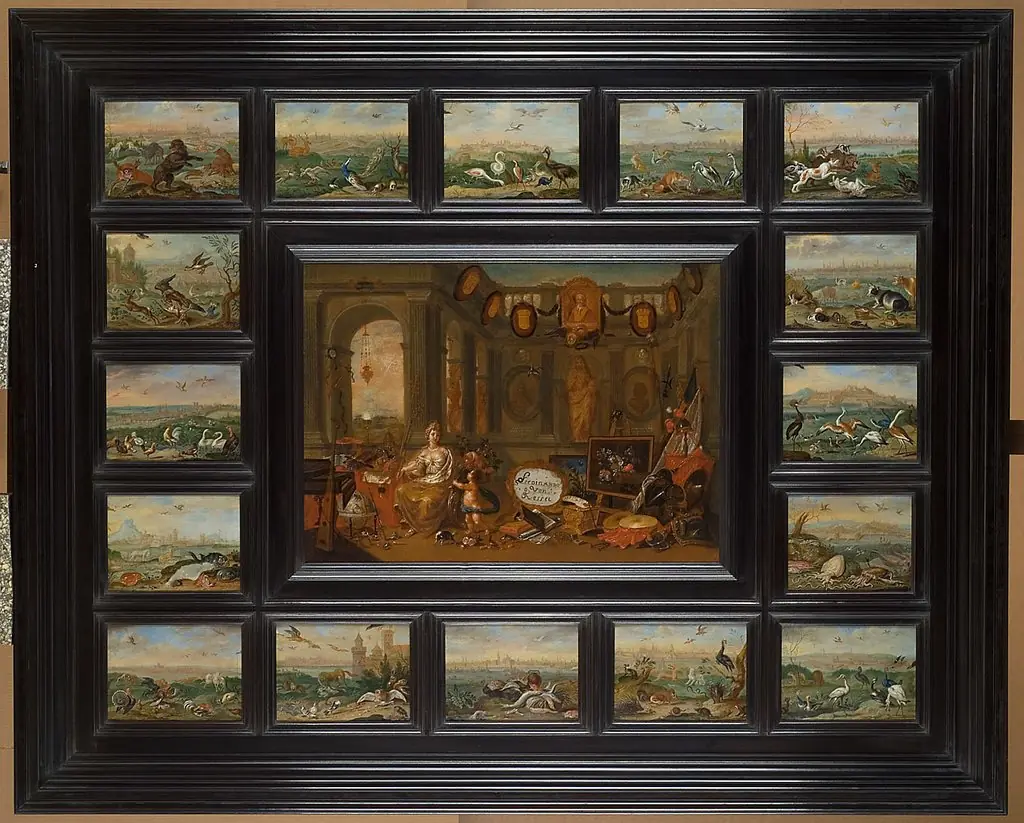
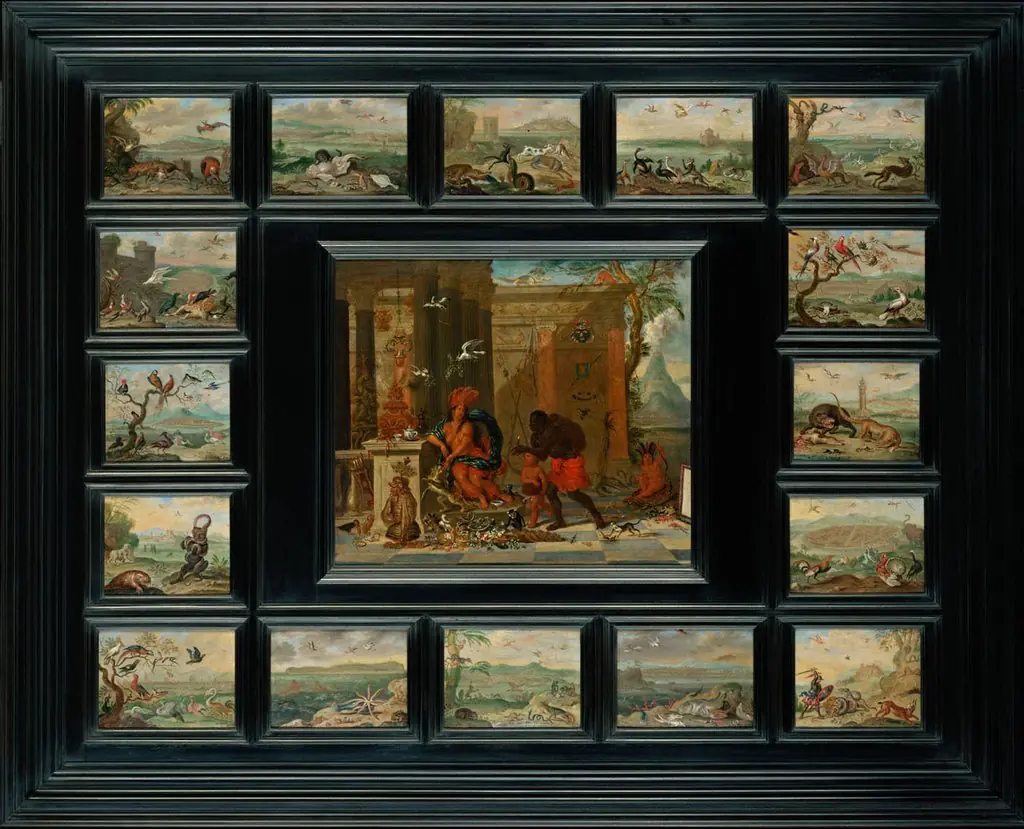
Ferdinand van Kessel the Elder painted *Ansichten aus den vier Weltteilen mit Szenen von Tieren: Salvador (Brasilien)* circa 1682 as part of a four-part series illustrating global regions through animal life. Each panel corresponds to a continent, with this one representing Brazil. The work reflects the European fascination with distant lands during the late 17th century, blending observation with imaginative reconstruction to present exotic wildlife in a localized setting.
Subject & Meaning
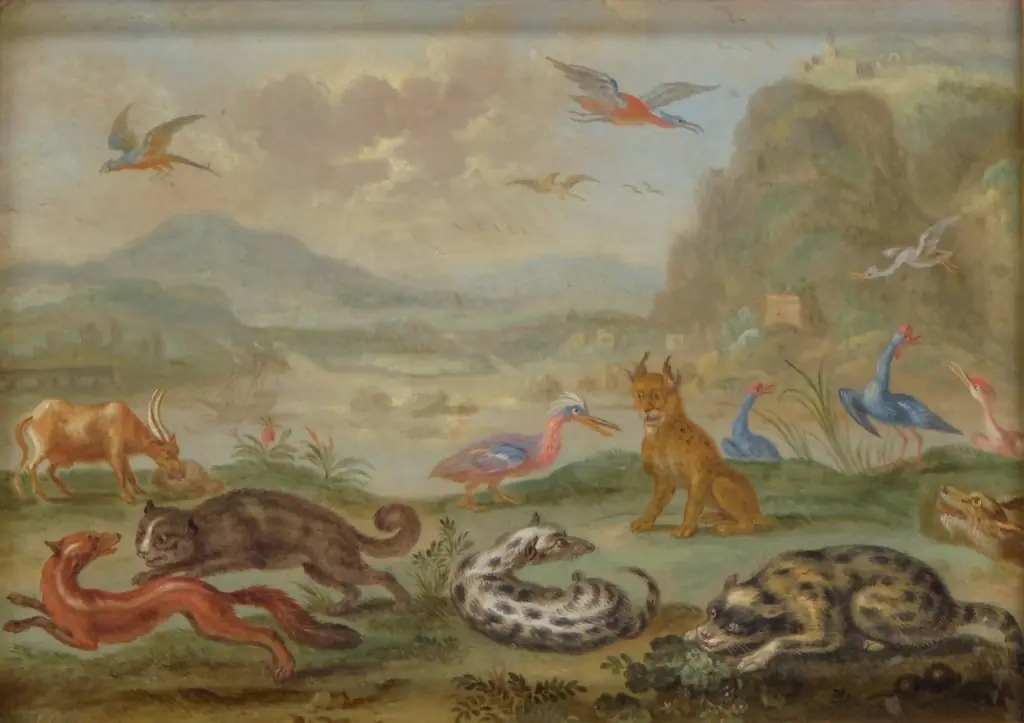
The painting centers on the Brazilian coastal town of Salvador, rendered not as a human settlement but as a habitat teeming with native fauna. Jaguars, monkeys, birds, and reptiles populate the landscape, arranged to suggest ecological diversity rather than narrative action. The absence of people implies a focus on nature as an untouched realm, aligning with contemporary European ideals of the New World as a wild, unclaimed domain.
Technique & Style
Van Kessel employed fine brushwork and muted earth tones to render animals with precise anatomical detail, echoing the naturalist traditions of Flemish still life. The composition is densely packed yet orderly, with animals positioned to guide the viewer’s eye across the scene. Background elements like foliage and distant hills are rendered with soft modeling, creating depth without overwhelming the central fauna.
History & Provenance
The painting has been held by the Kunsthistorisches Museum in Vienna since at least the 19th century, likely acquired through Habsburg collections that amassed European art and curiosities from across the globe. Its inclusion in a series suggests it was intended as part of a cabinet of wonders, reflecting both scientific interest and imperial curiosity about distant territories during the Age of Exploration.
Context
In the late 1600s, European artists often depicted foreign lands through secondhand accounts, maps, and traveler reports. Van Kessel’s portrayal of Salvador reflects this limited knowledge, blending accurate species with stylized environments. The series aligns with broader trends in natural history illustration and colonial-era visual culture, where animals symbolized the exoticism and perceived abundance of overseas territories.
Legacy
Van Kessel’s series contributed to the visual lexicon of global fauna in European art, influencing later naturalist depictions. While not scientifically rigorous by modern standards, the works preserved early European interpretations of non-European ecosystems. Today, they serve as historical artifacts revealing how nature, geography, and colonial perception were intertwined in Baroque visual culture.
Artist & collection
Artist
Ferdinand van Kessel the Elder
Ferdinand van Kessel (1648 – 1696), was a Flemish Baroque painter known for his landscapes, still lifes and genre pieces with monkeys.

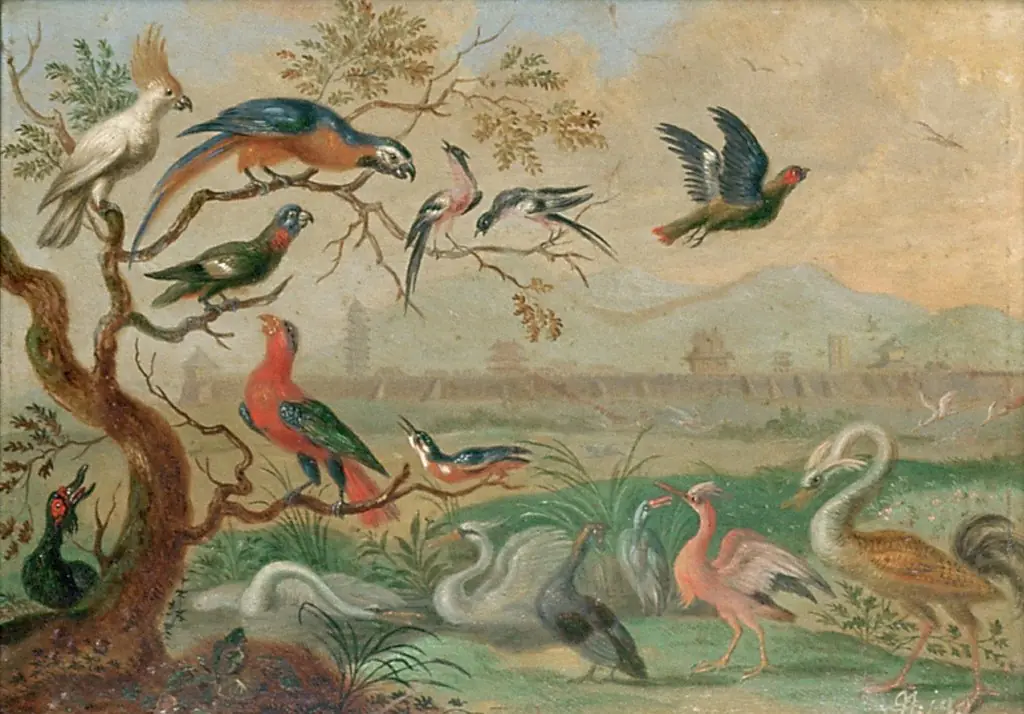
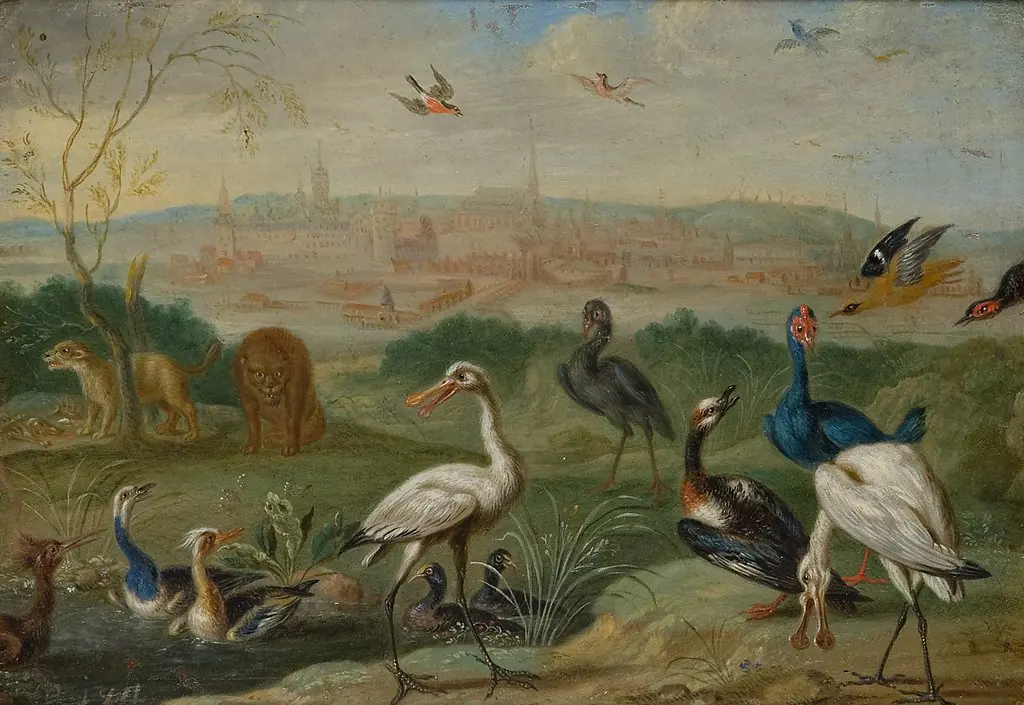
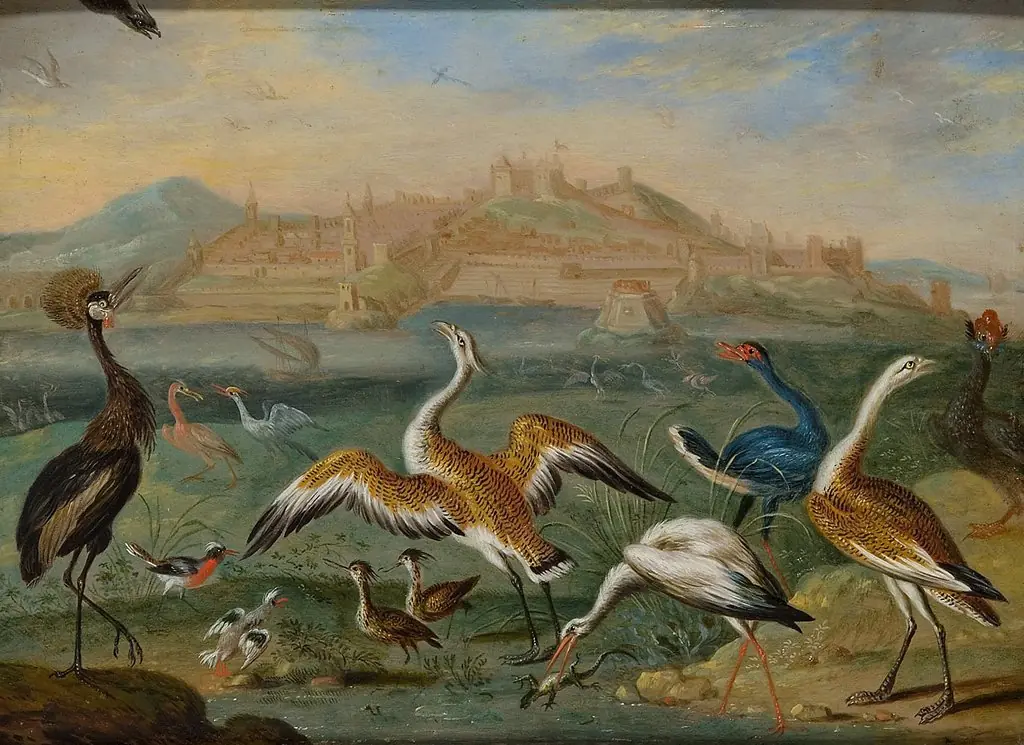
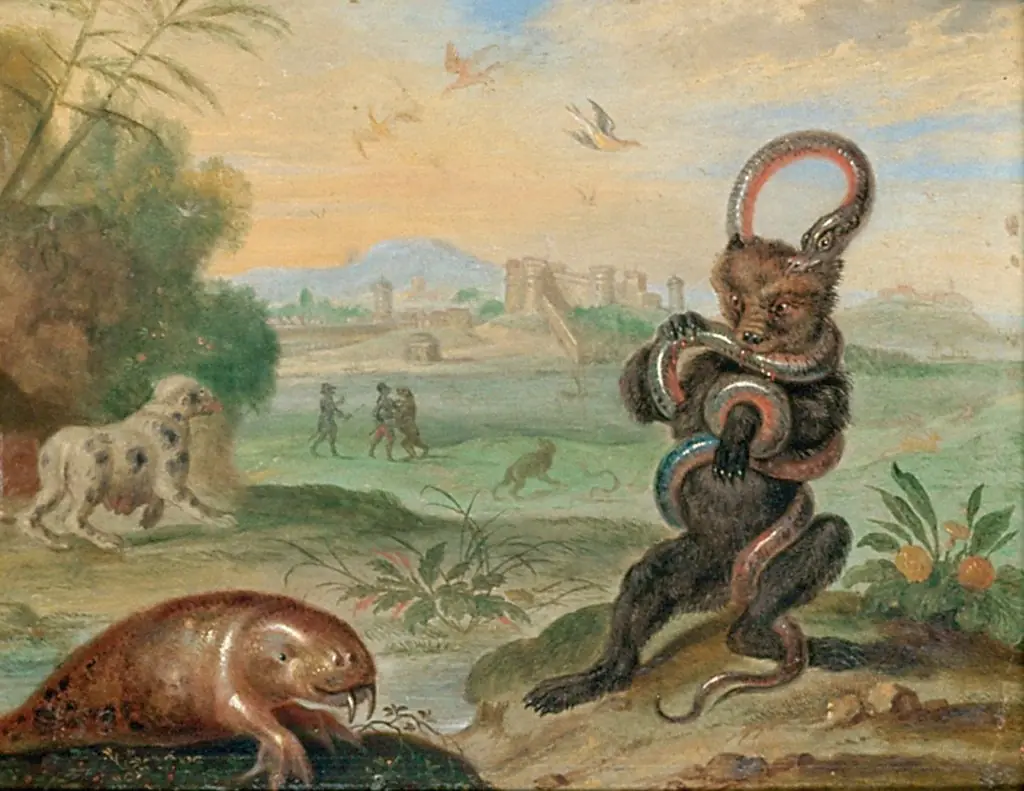
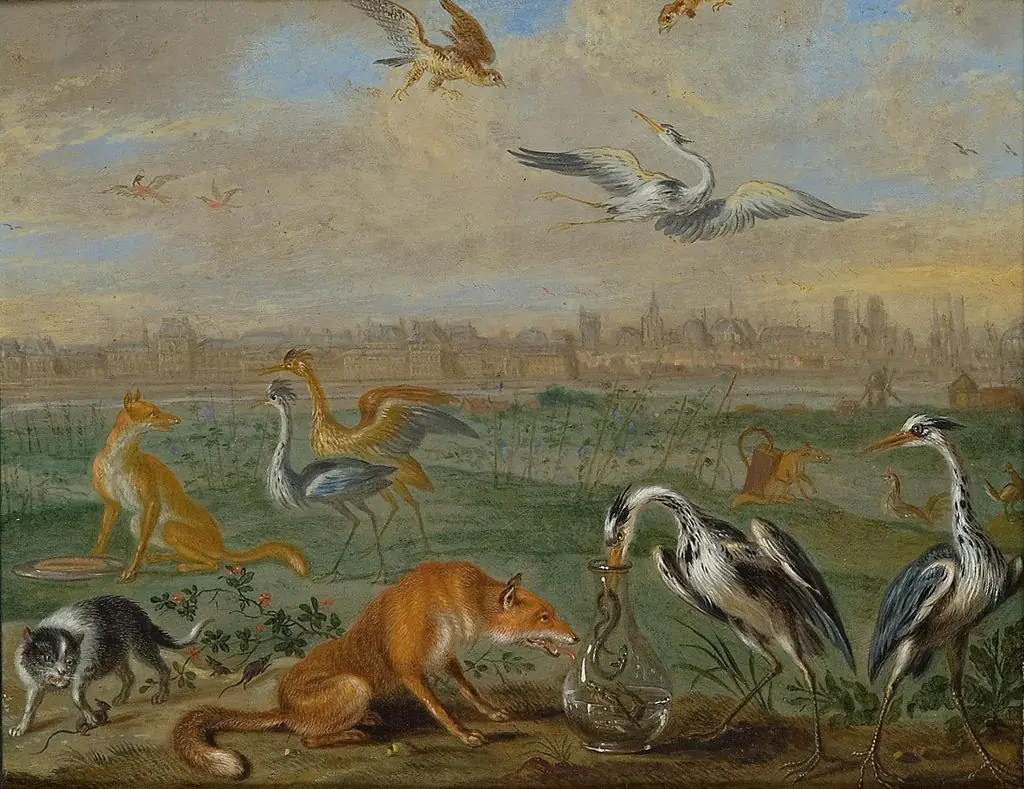
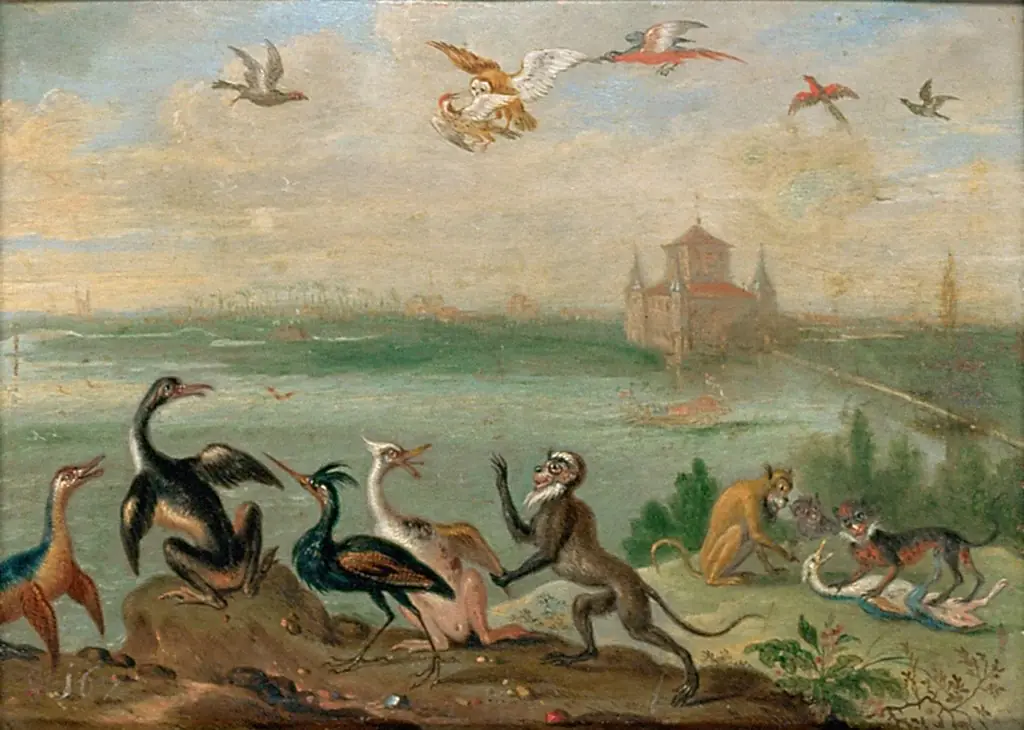 Ansichten aus den vier Weltteilen mit Szenen von Tieren: Boa Vista
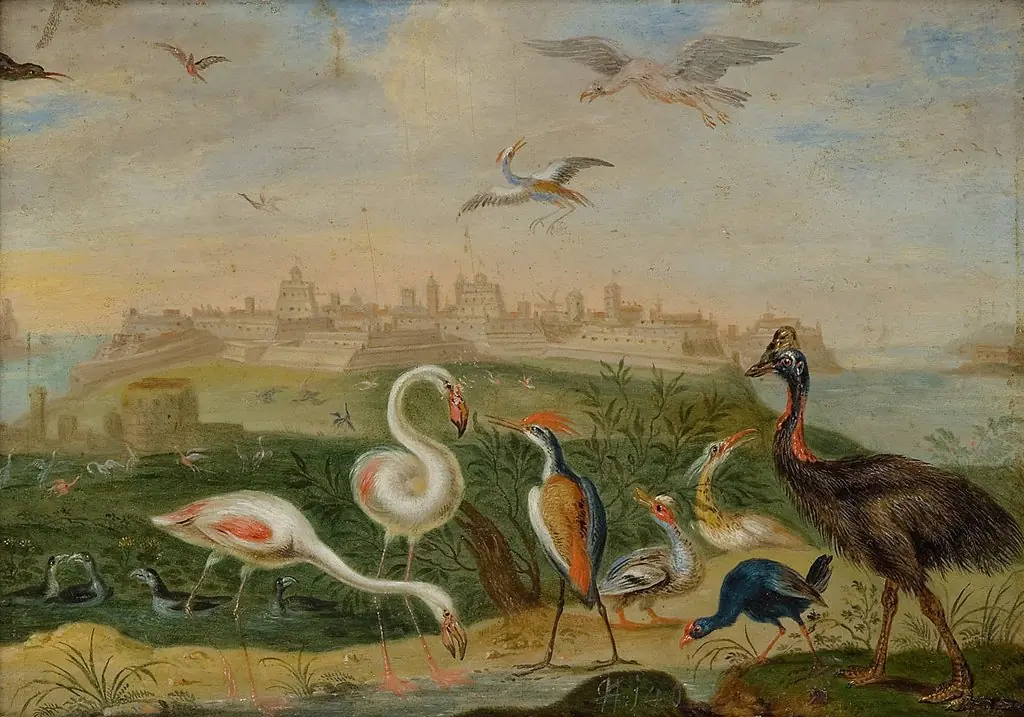 Ansichten aus den vier Weltteilen mit Szenen von Tieren: Malta
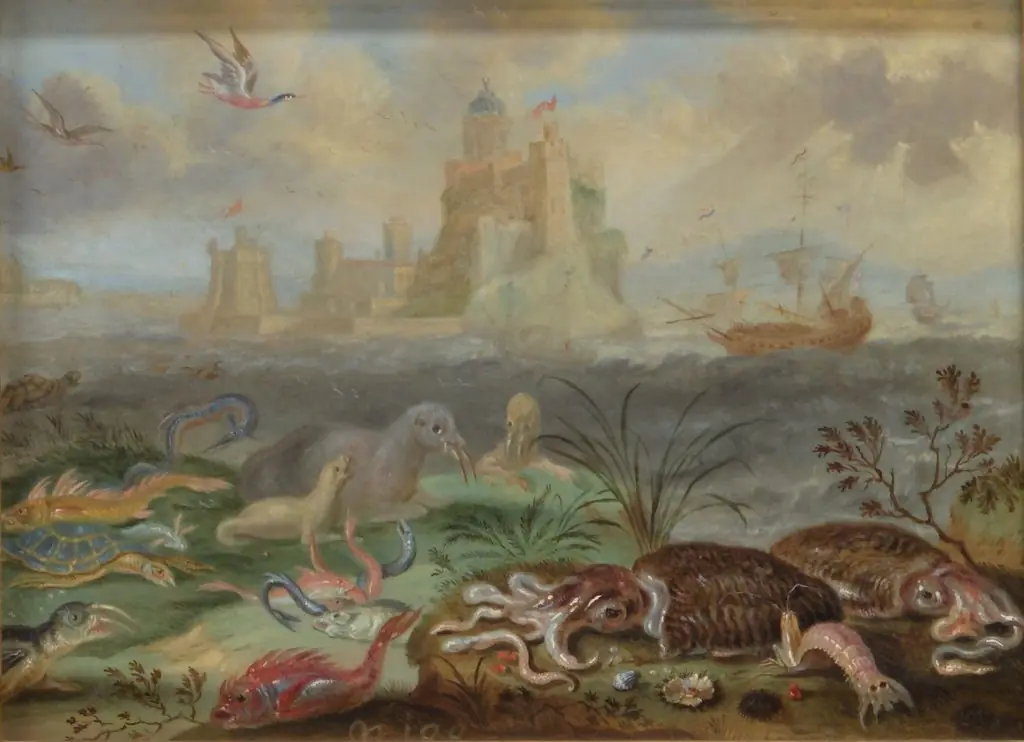 Ansichten aus den vier Weltteilen mit Szenen von Tieren: Bartanico oder Battanico
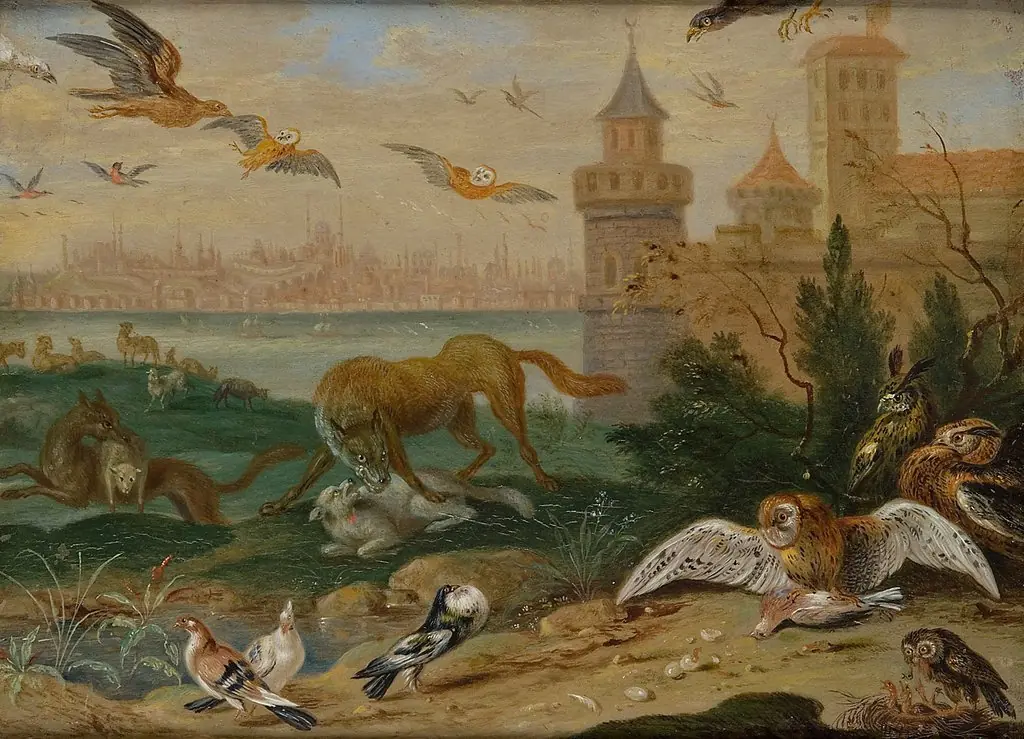 Ansichten aus den vier Weltteilen mit Szenen von Tieren: Konstantinopel
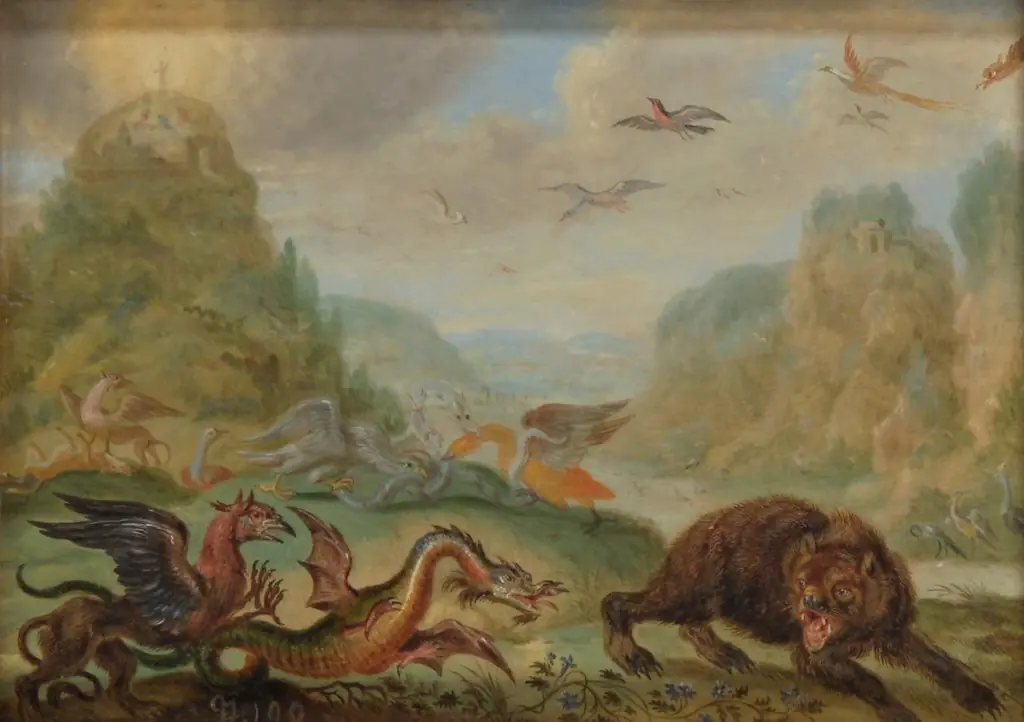 Ansichten aus den vier Weltteilen mit Szenen von Tieren: Berg Tabor
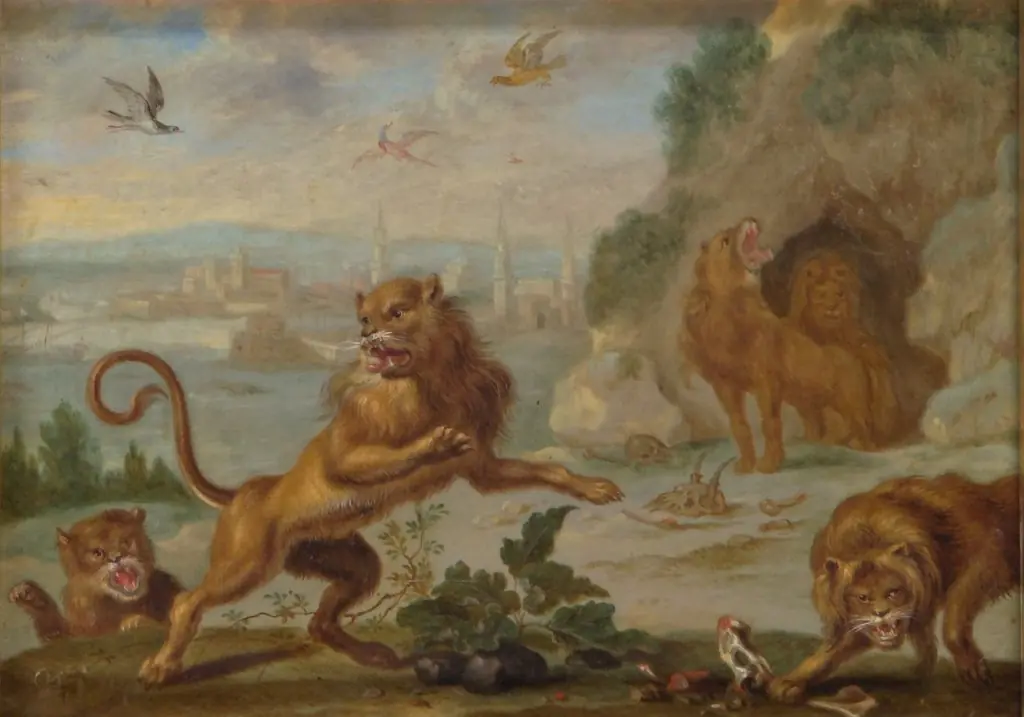 Ansichten aus den vier Weltteilen mit Szenen von Tieren: Tripolis
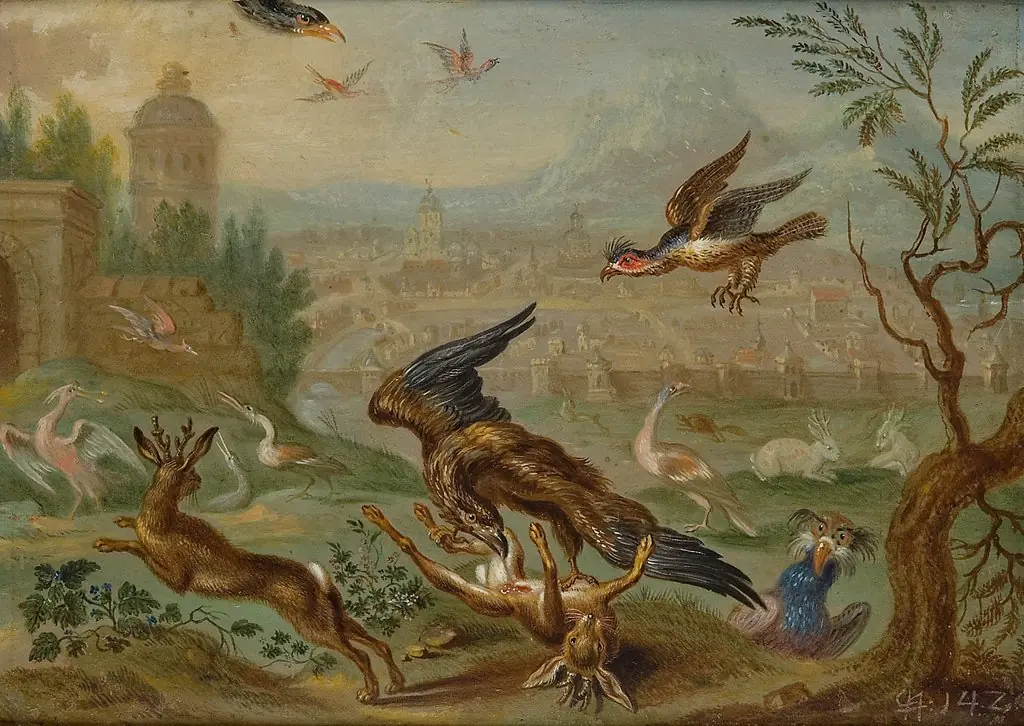 Ansichten aus den vier Weltteilen mit Szenen von Tieren: Damaskus