Artwork
Untitled
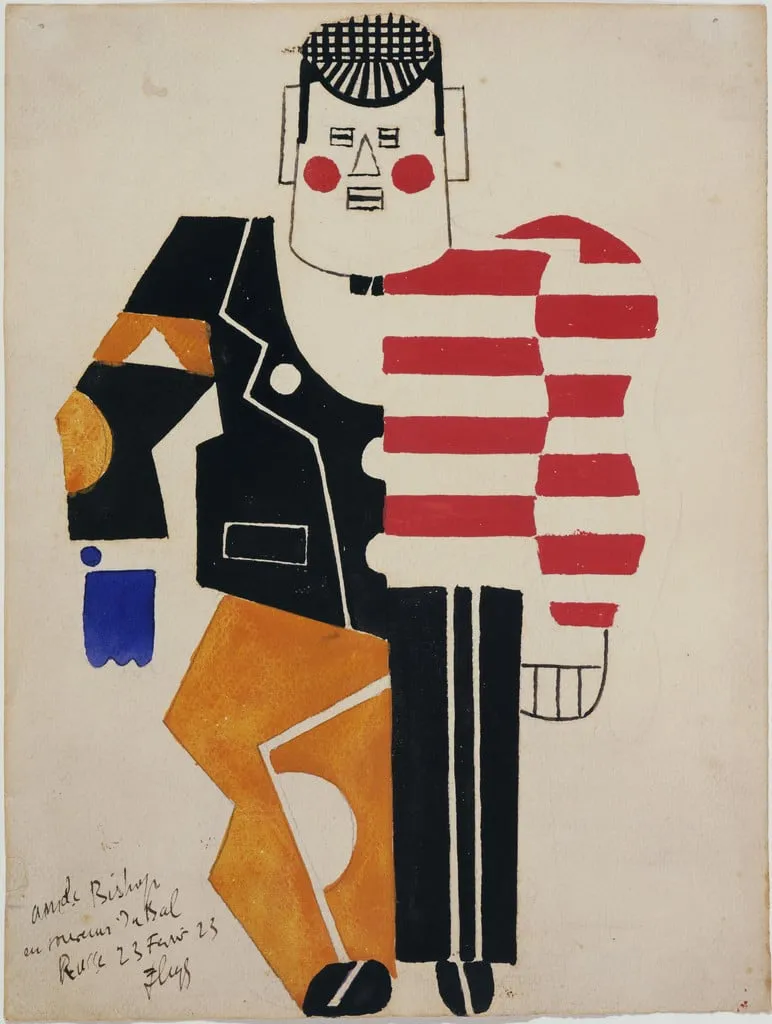
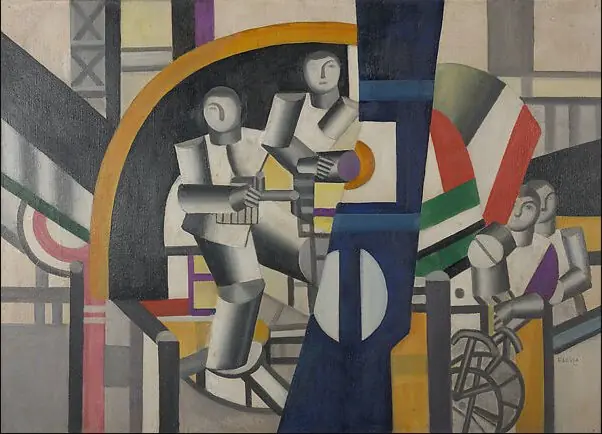
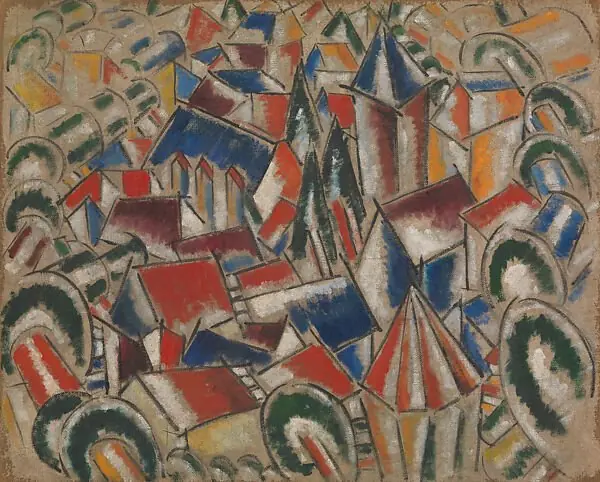
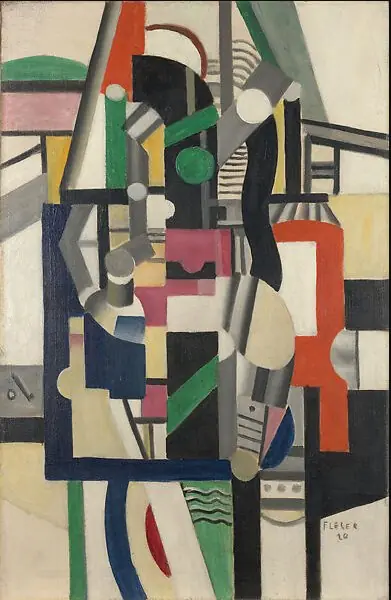
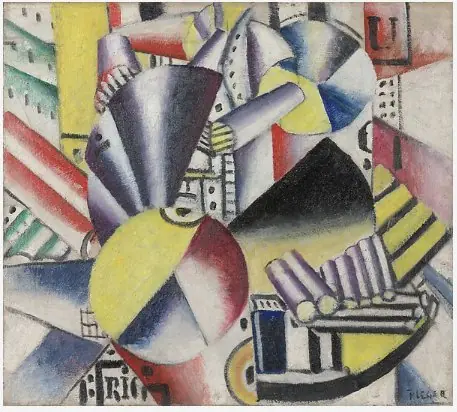
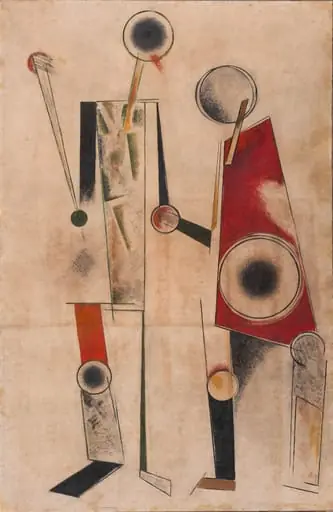
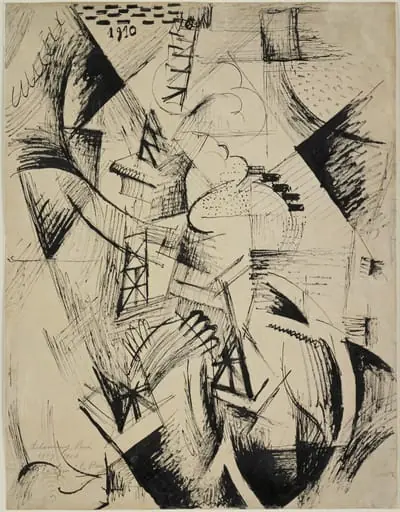
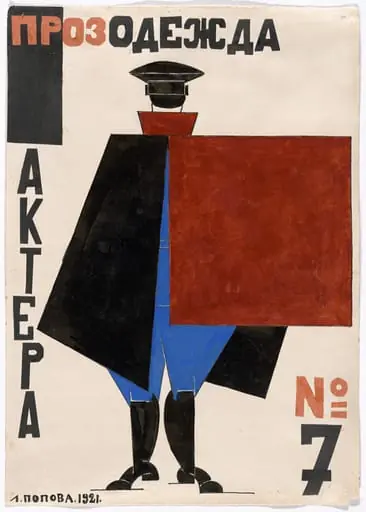
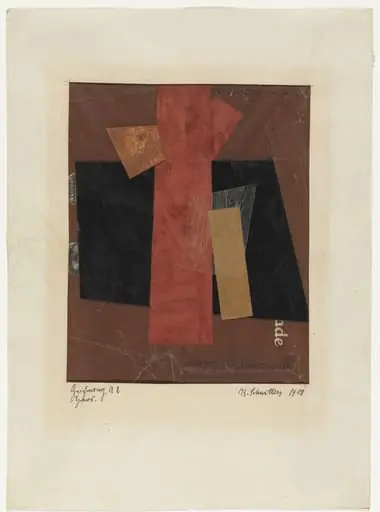
Untitled is a watercolor drawing by Fernand Léger. It dates from 1922 and is held in the collection of the Museum of Modern Art.
About this work
Overview
The work exemplifies Léger’s early exploration of form and color, moving away from traditional representation toward a more structured, mechanized aesthetic.
Created in 1922, this drawing by Fernand Léger combines watercolor, ink, and pencil on paper. It is part of the permanent collection at The Museum of Modern Art. The work exemplifies Léger’s early exploration of form and color, moving away from traditional representation toward a more structured, mechanized aesthetic. Its modest scale and medium reflect an intimate, experimental approach within his broader artistic development.
Subject & Meaning
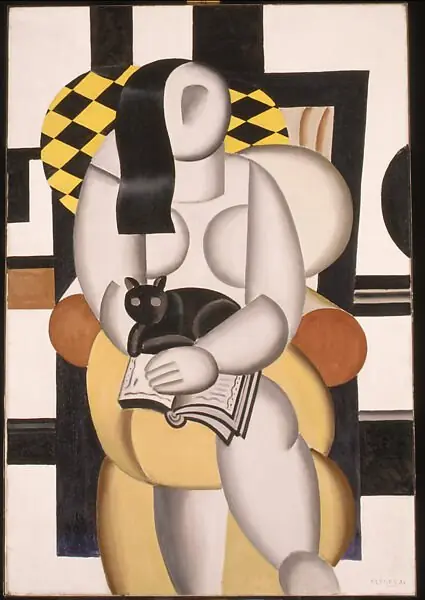
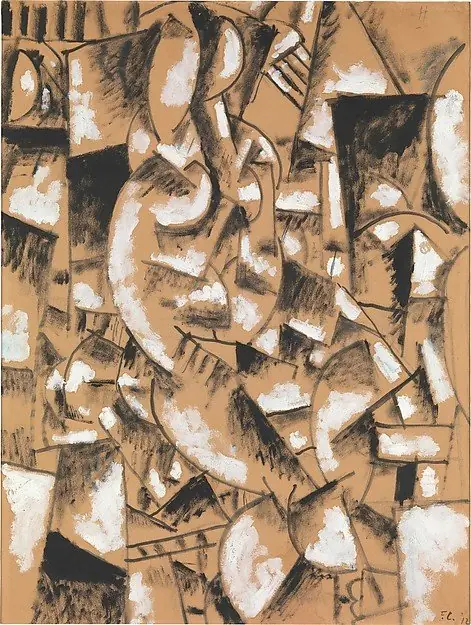
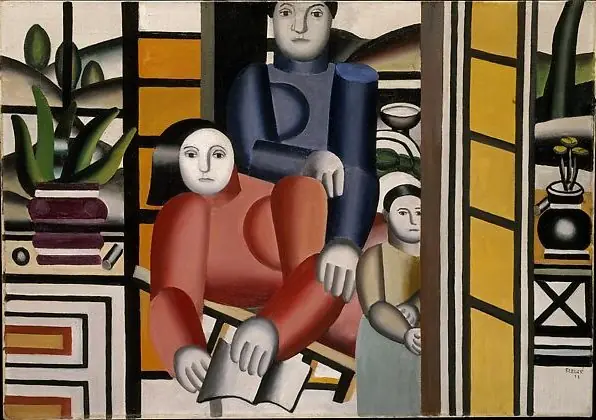
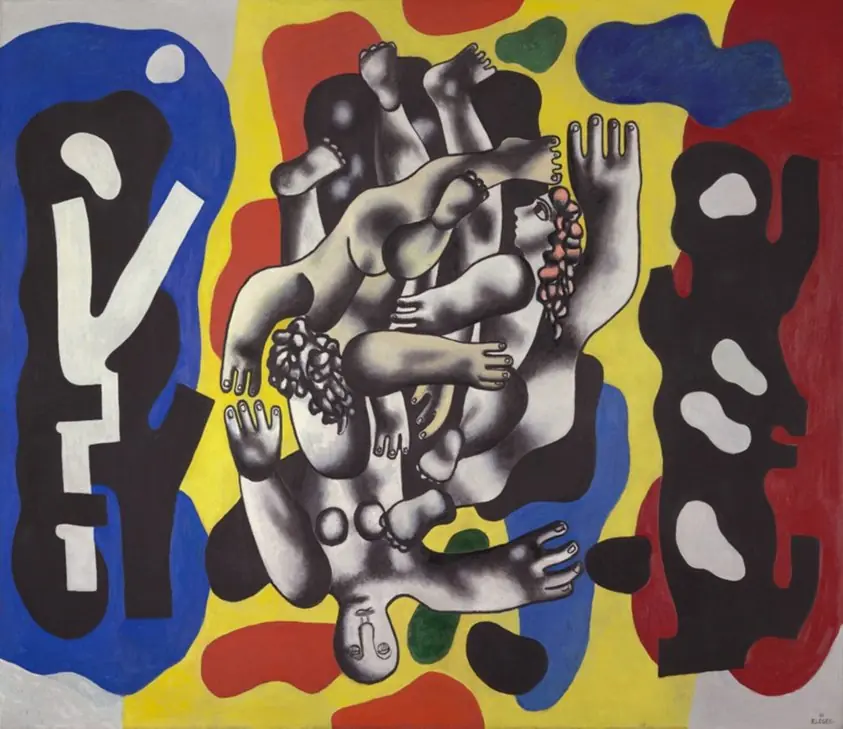
The figure depicted is abstracted into simplified geometric volumes: a black jacket, orange trousers, and a striped shirt define its form. Facial features are reduced to red circular patches and a dark outline for hair, eliminating individuality in favor of symbolic representation. The absence of context or narrative suggests a focus on the body as a dynamic structure, possibly commenting on modern identity through stylized anonymity.
Technique & Style
Léger employs bold, clean lines and flat planes of color to construct the figure, emphasizing volume through contrast rather than shading. The light beige background isolates the subject, heightening the impact of the saturated hues. Pencil underdrawing remains visible in places, revealing the process behind the final composition. The interplay of hard edges and rhythmic patterns conveys a sense of mechanical motion, characteristic of his post-Cubist phase.
History & Provenance
The work entered The Museum of Modern Art’s collection in the mid-20th century, following Léger’s growing recognition in the United States. Its provenance traces back to the artist’s personal archive, likely acquired directly from him or through his close associates. Unlike his large-scale paintings, this piece remained in private hands until its institutional acquisition, preserving its status as a study in form rather than a public statement.
Context
Made during a period when Léger was deeply engaged with modern urban life and industrial aesthetics, the drawing aligns with his interest in mechanized bodies and collective energy. It responds to the postwar fascination with efficiency and abstraction, while retaining a sense of humor and vitality. This work sits alongside other drawings from the early 1920s that bridge his Cubist roots with a new, more accessible visual language.
Legacy
This drawing contributes to the understanding of Léger’s evolution as a bridge between avant-garde experimentation and popular visual culture. Its use of simplified forms and vivid color influenced later generations of illustrators and designers. Though not among his most monumental works, it remains a clear example of how he translated complex ideas into accessible, playful compositions that resonated beyond the gallery.
Artist & collection
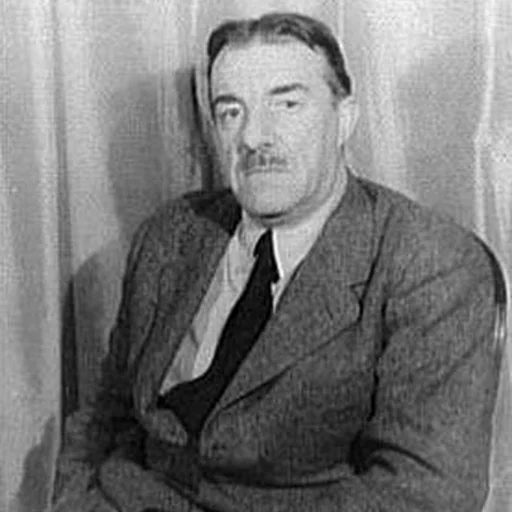
Artist
Joseph Fernand Henri Léger was a French painter, sculptor, and filmmaker. In his early works he created a personal form of cubism which he gradually modified into a more figurative, populist style. His boldly simplified…