Artwork
Untitled
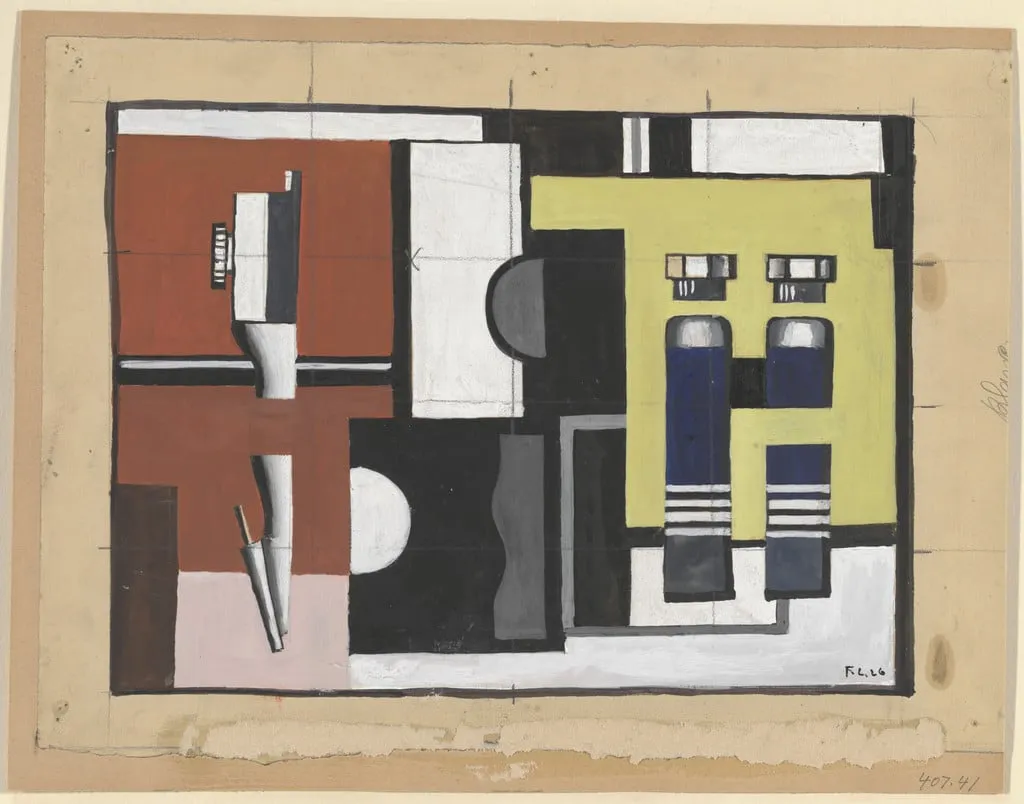
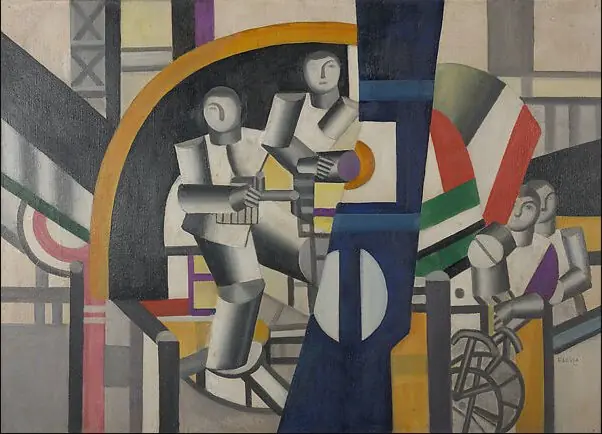
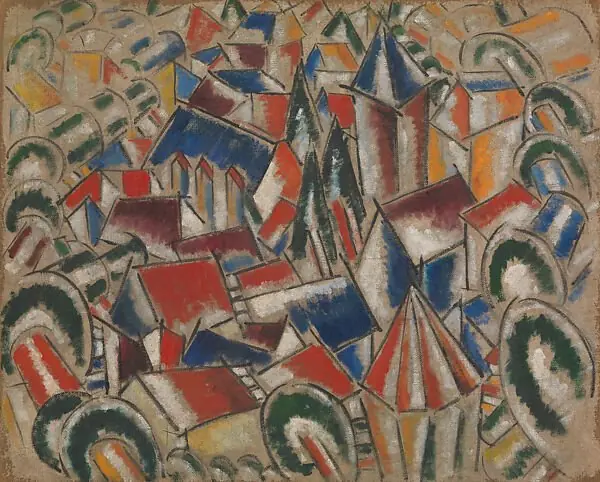
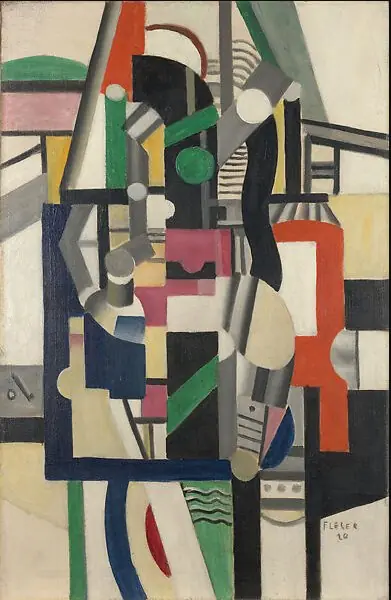
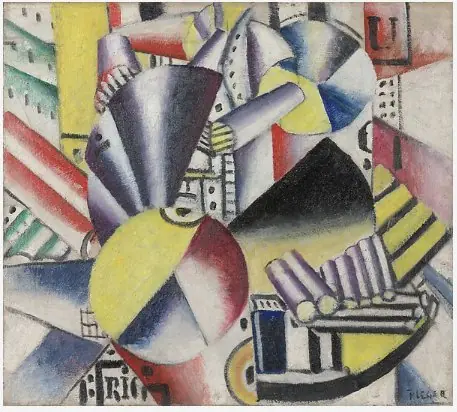
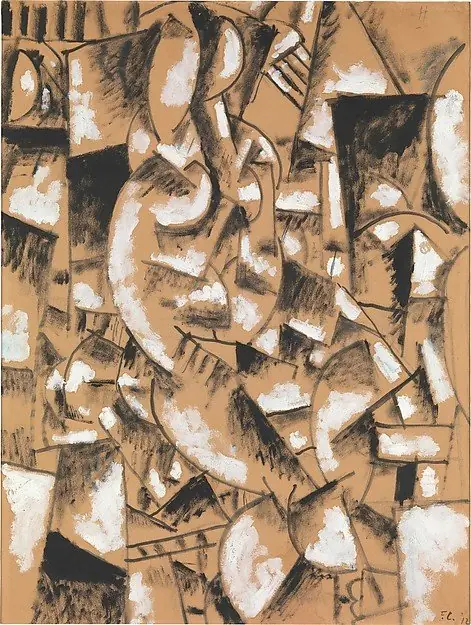
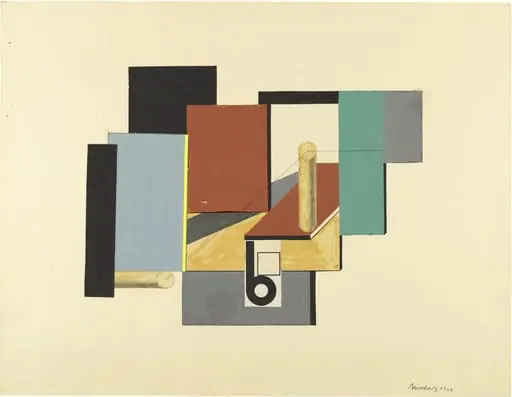
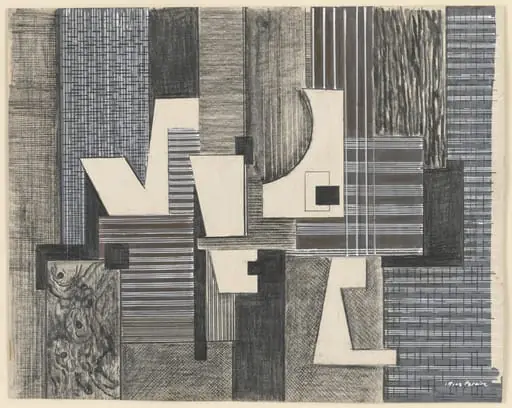
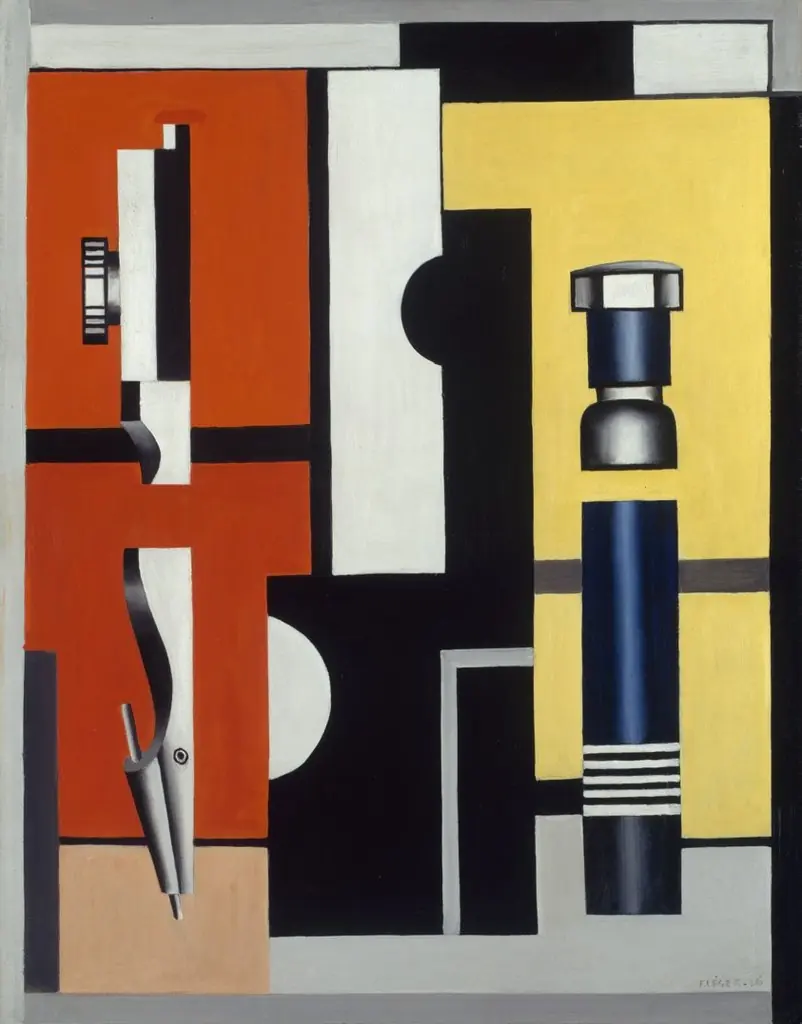
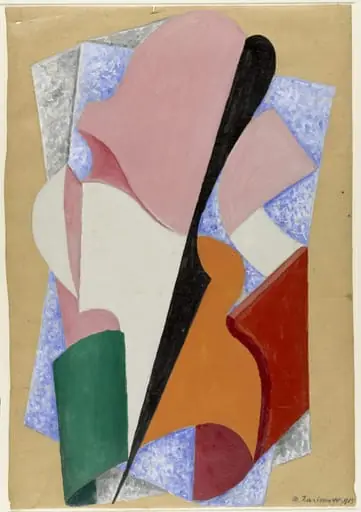
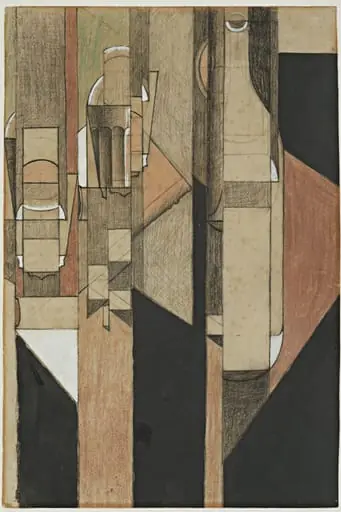
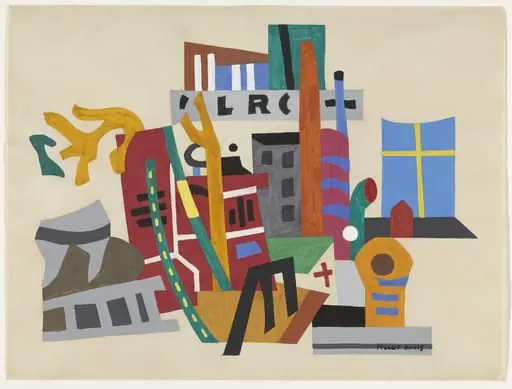
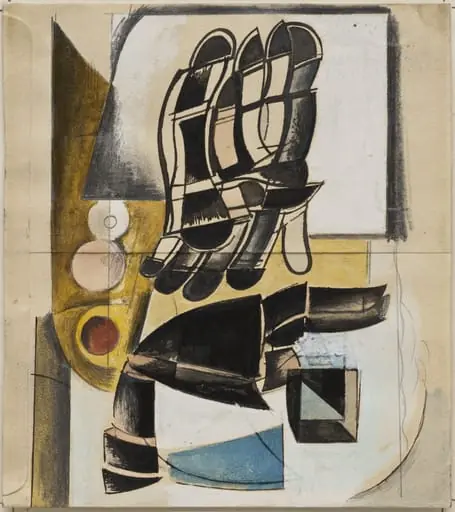
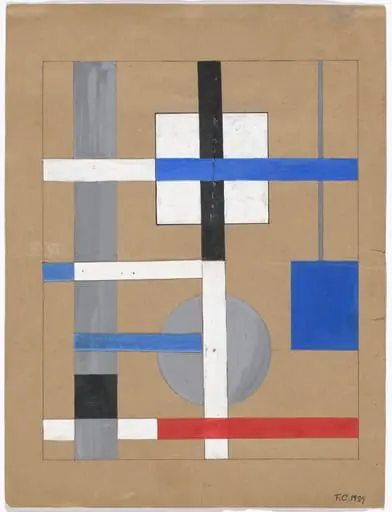
Untitled is a gouache drawing by Fernand Léger. It dates from 1926 and is held in the collection of the Museum of Modern Art.
About this work
Overview
The composition avoids naturalistic representation, instead arranging flat, sharply defined shapes in a balanced yet disorienting arrangement.
Created in 1926, this gouache on paper work by Fernand Léger is part of The Museum of Modern Art’s collection. It exemplifies the artist’s interest in mechanical forms and geometric abstraction during the mid-1920s. The composition avoids naturalistic representation, instead arranging flat, sharply defined shapes in a balanced yet disorienting arrangement. The medium’s opaque quality enhances the clarity of each form.
Subject & Meaning
No identifiable figures or scenes are present. The forms suggest industrial or mechanical elements—rectangles, circles, and vertical columns—that evoke tools, pipes, or machine parts. Léger’s intent was not to depict reality but to explore how simplified shapes could convey structure and rhythm. The arrangement feels deliberate yet slightly unstable, reflecting his fascination with modernity’s fragmented logic.
Technique & Style
Léger employed gouache for its dense, matte finish and precise edge control. Colors—red, blue, yellow, black, and white—are applied in flat planes without shading or texture. Shapes interlock with architectural precision, their boundaries crisp and unblended. The composition balances symmetry and asymmetry, creating visual tension through unexpected alignments and negative space.
History & Provenance
The work entered The Museum of Modern Art’s collection in the 1940s, during a period when the institution was actively acquiring European modernist drawings. Its provenance traces to Léger’s studio in France, where he produced numerous works on paper alongside larger paintings. It was likely acquired directly from the artist or through a gallery representing his estate.
Context
Made during Léger’s ‘mechanical period,’ this piece responds to the rapid industrialization of postwar Europe. Influenced by Cubism and the aesthetics of machinery, Léger sought to create art that mirrored the rhythm of modern life. Unlike earlier Cubist fragmentation, his forms here are more ordered, reflecting a belief in art’s potential to harmonize with technological progress.
Legacy
This work exemplifies Léger’s influence on later movements such as De Stijl and Graphic Design. Its clarity of form and emphasis on geometric abstraction became a touchstone for mid-century designers and architects. Though not among his most widely exhibited pieces, it remains a key example of how abstraction could communicate structure without narrative.
Artist & collection
Artist
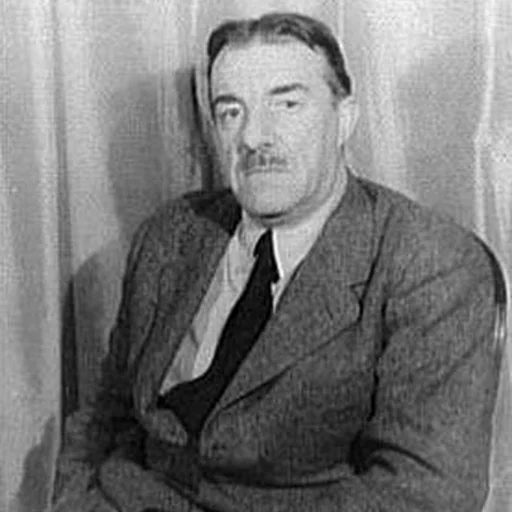
Joseph Fernand Henri Léger was a French painter, sculptor, and filmmaker. In his early works he created a personal form of cubism which he gradually modified into a more figurative, populist style. His boldly simplified…