Artwork
Untitled
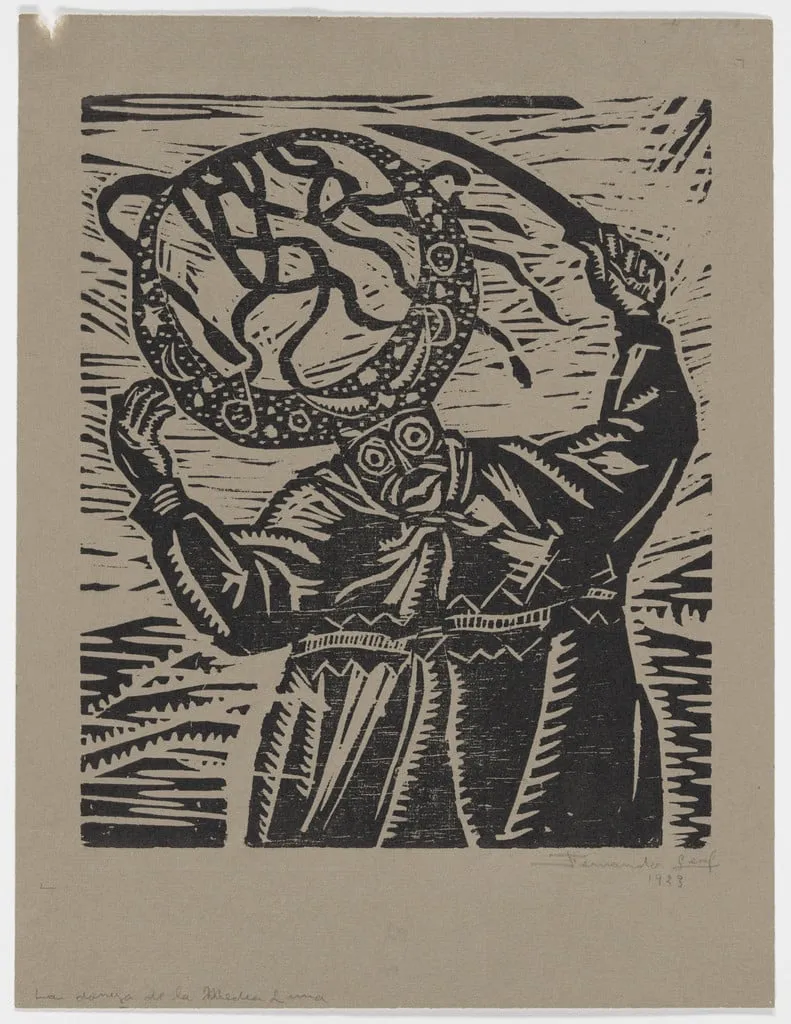
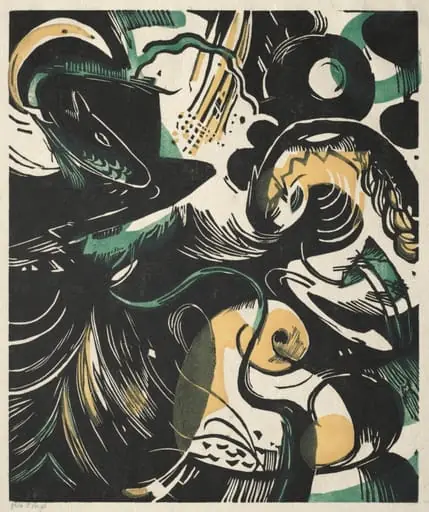
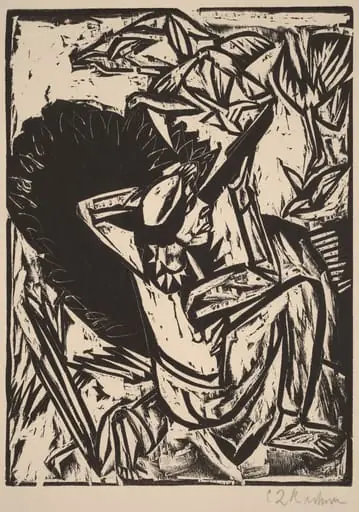
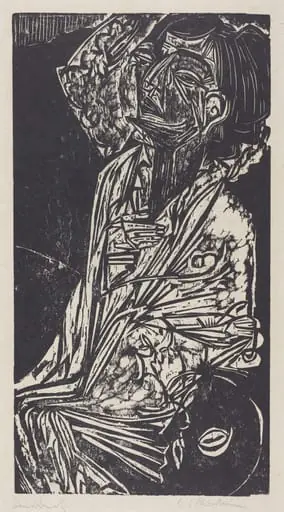
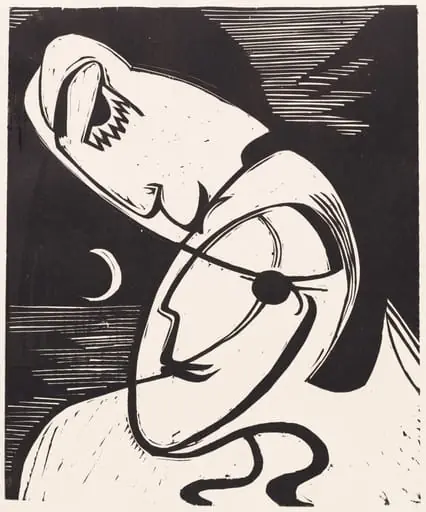
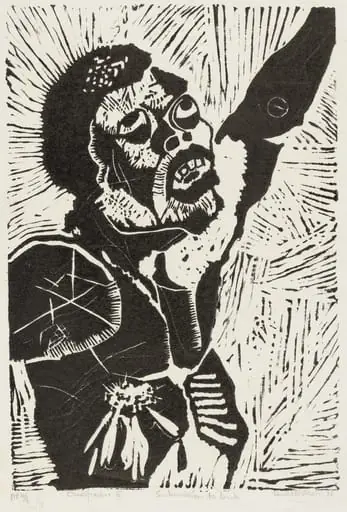
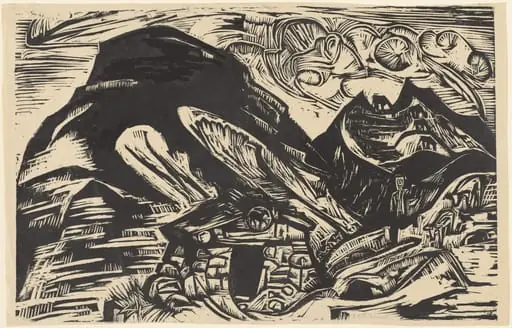
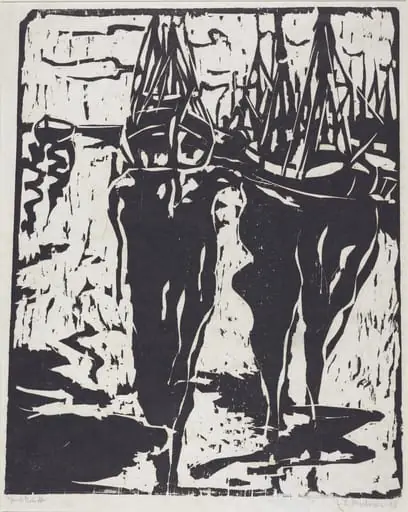
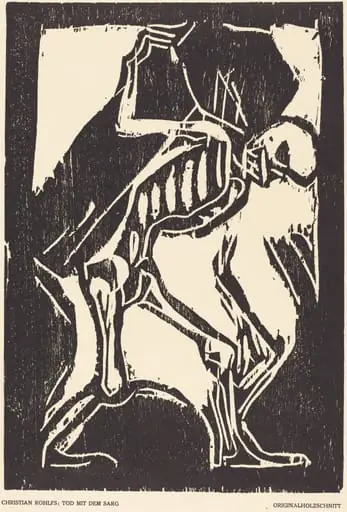
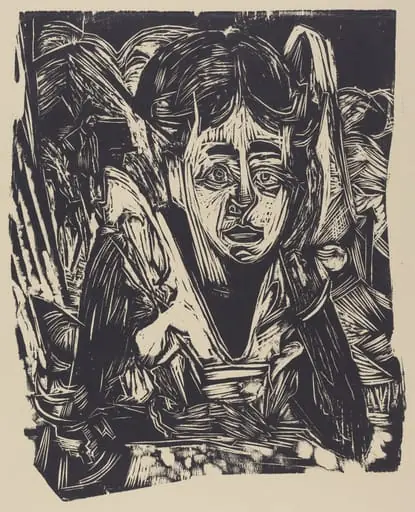
Untitled is an ink print by Fernando Leal. It dates from 1923 and is held in the collection of the Museum of Modern Art.
About this work
Overview
Fernando Leal produced this woodcut in 1923, during the early phase of Mexico’s muralist movement. Though best known for large-scale murals, Leal also worked in printmaking, using the woodcut medium to explore symbolic and spiritual imagery. This piece exemplifies his interest in form and ritual, rendered with the stark contrasts and simplified shapes typical of the era’s graphic arts.
Subject & Meaning
The figure, cloaked in a long robe and raising a circular object above its head, suggests a ceremonial or devotional act. The obscured face and stylized posture remove individual identity, emphasizing ritual over personhood. The circular form may reference religious symbols such as the sun or halo, aligning the image with themes of reverence and transcendence common in Leal’s broader oeuvre.
Technique & Style
Leal employed bold, angular lines and sharp contrasts between black and white to define form and movement. Geometric patterns in the background create rhythmic texture without distracting from the central figure. Deliberate use of negative space enhances the figure’s presence, while the carved wood grain adds subtle tactile depth, characteristic of early 20th-century Mexican printmaking.
History & Provenance
It was likely made during his involvement with the Mexicanidad movement, which sought to redefine national identity through indigenous and religious motifs.
Created in 1923, this woodcut emerged from Leal’s active participation in post-revolutionary Mexican art circles. It was likely made during his involvement with the Mexicanidad movement, which sought to redefine national identity through indigenous and religious motifs. The work entered public collections in the decades following its creation, reflecting its role in the development of Mexican graphic arts.
Context
In the early 1920s, Mexican artists turned to accessible media like prints to disseminate cultural narratives beyond murals. Leal’s work responded to state-sponsored efforts to unify national identity through art. Woodcuts, with their reproducibility and stark visual language, became tools for communicating spiritual and social themes to broader audiences outside elite institutions.
Legacy
Leal’s woodcuts, including this one, helped establish printmaking as a legitimate medium within Mexico’s modernist canon. Though less celebrated than his murals, these works influenced later generations of printmakers who sought to merge indigenous symbolism with modernist aesthetics. The piece remains a quiet but significant example of how small-scale prints contributed to larger cultural projects.
Artist & collection
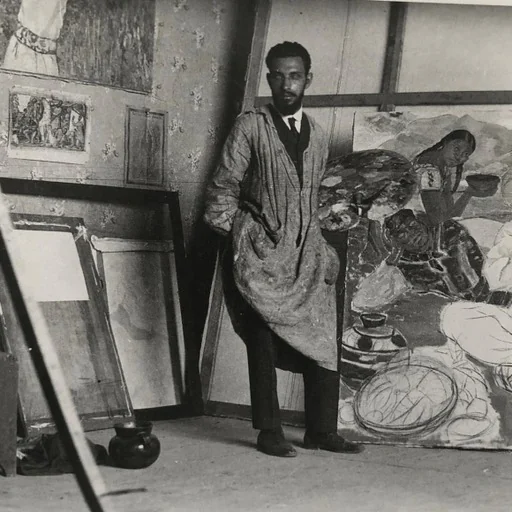
Artist
Fernando Leal (February 26, 1896 – October 7, 1964) was one of the first painters to participate in the Mexican muralism movement starting in the 1920s.