Artwork
Paul Smith Palmer
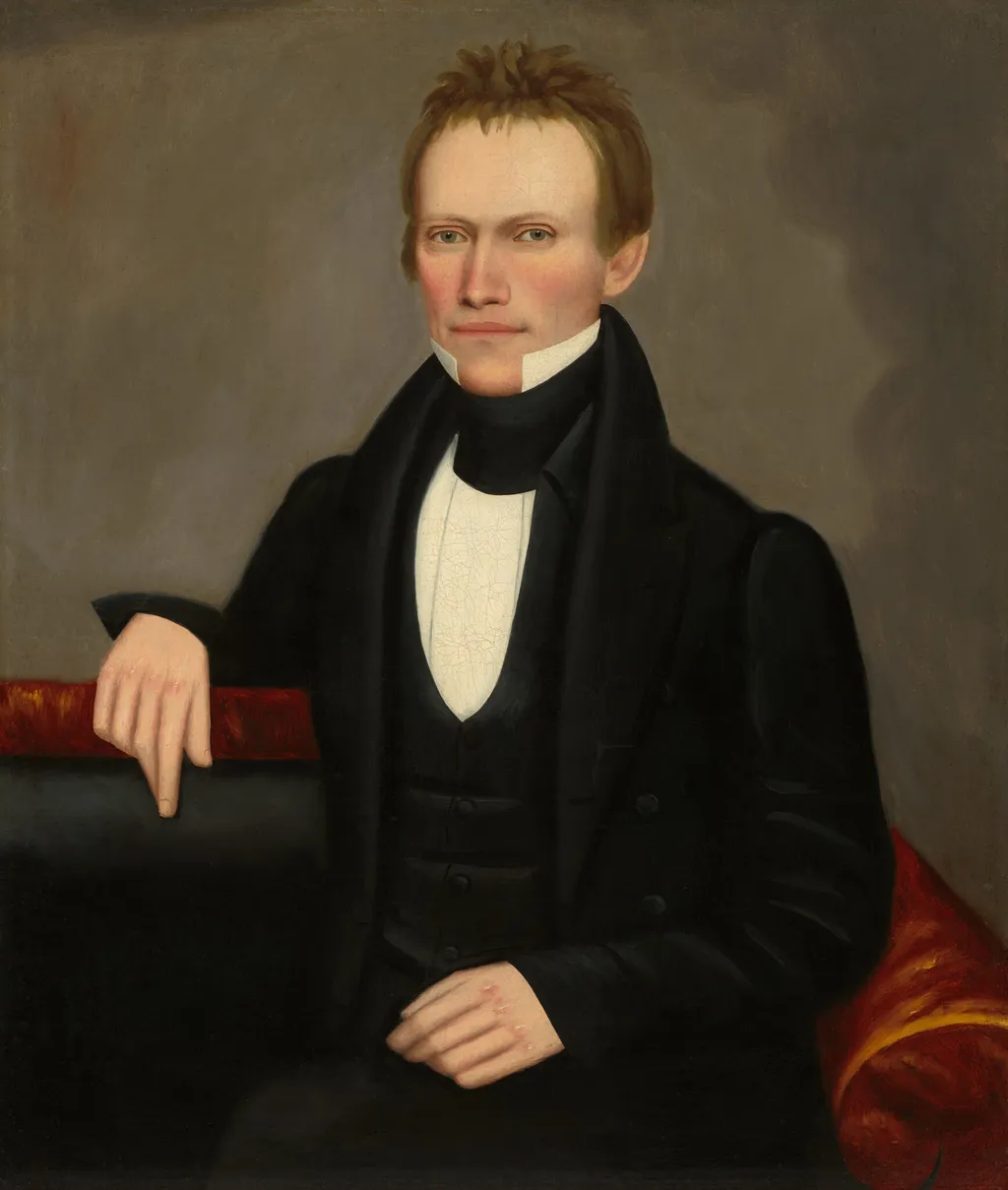
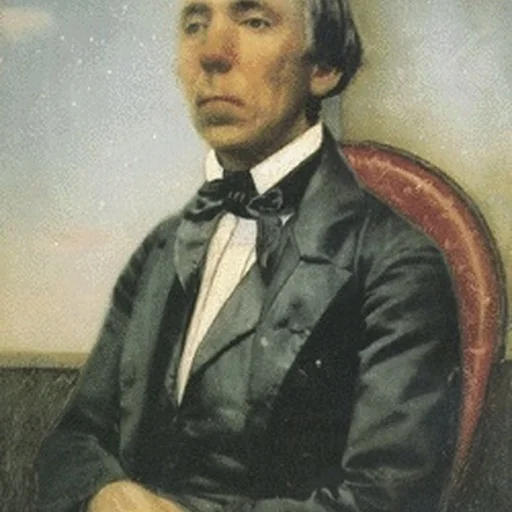
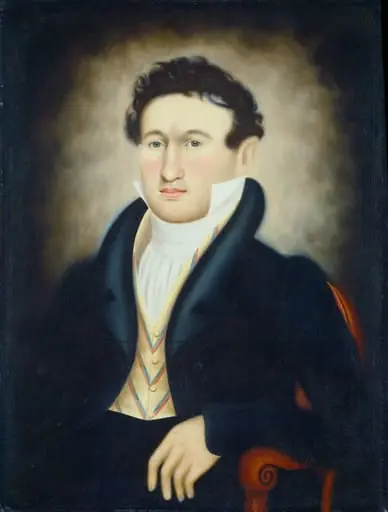
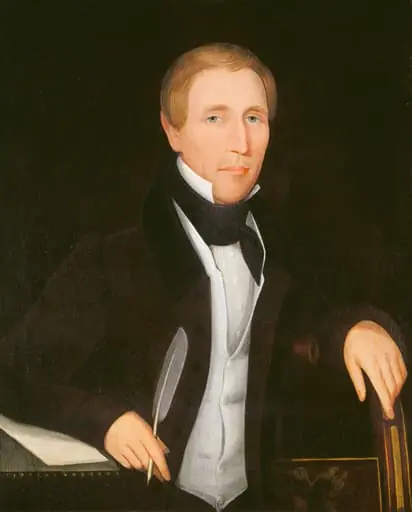
Paul Smith Palmer is an oil painting by the American Folk Art artist Erastus Salisbury Field. It dates from 1836 and is held in the collection of the National Gallery of Art.
About this work
Overview
The composition centers the sitter against a muted backdrop, emphasizing his presence through restrained color and clear delineation of form.
Erastus Salisbury Field’s 1836 oil on canvas portrait, titled Paul Smith Palmer, presents a seated gentleman in formal attire. The composition centers the sitter against a muted backdrop, emphasizing his presence through restrained color and clear delineation of form. The work exemplifies early nineteenth‑century American portraiture, offering a direct visual record of an individual’s appearance and status.
Subject & Meaning
The figure is depicted in a black suit with a crisp white shirt and a black cravat, his short brown hair neatly styled. His right arm rests on a red velvet surface, a subtle touch that adds depth and suggests a degree of comfort. The formal dress and composed pose indicate the sitter’s affiliation with the upper social strata of his community.
Technique & Style
Field employs a smooth, controlled brushwork typical of the period, allowing for precise rendering of textures such as the sheen of the velvet and the subtle folds of the clothing. The palette is restrained, dominated by dark tones that contrast with the muted background, aligning the portrait with the Romantic emphasis on individual character and emotional restraint.
Context
Created during the height of American Romanticism, the portrait reflects the era’s interest in personal identity and the moral weight of the individual. While not overtly dramatic, the work’s focus on a dignified, respectable figure aligns with contemporary values that celebrated personal achievement and social standing within a rapidly expanding nation.
Own this work as a print
Artist & collection