Artwork
H Beard Print Collection
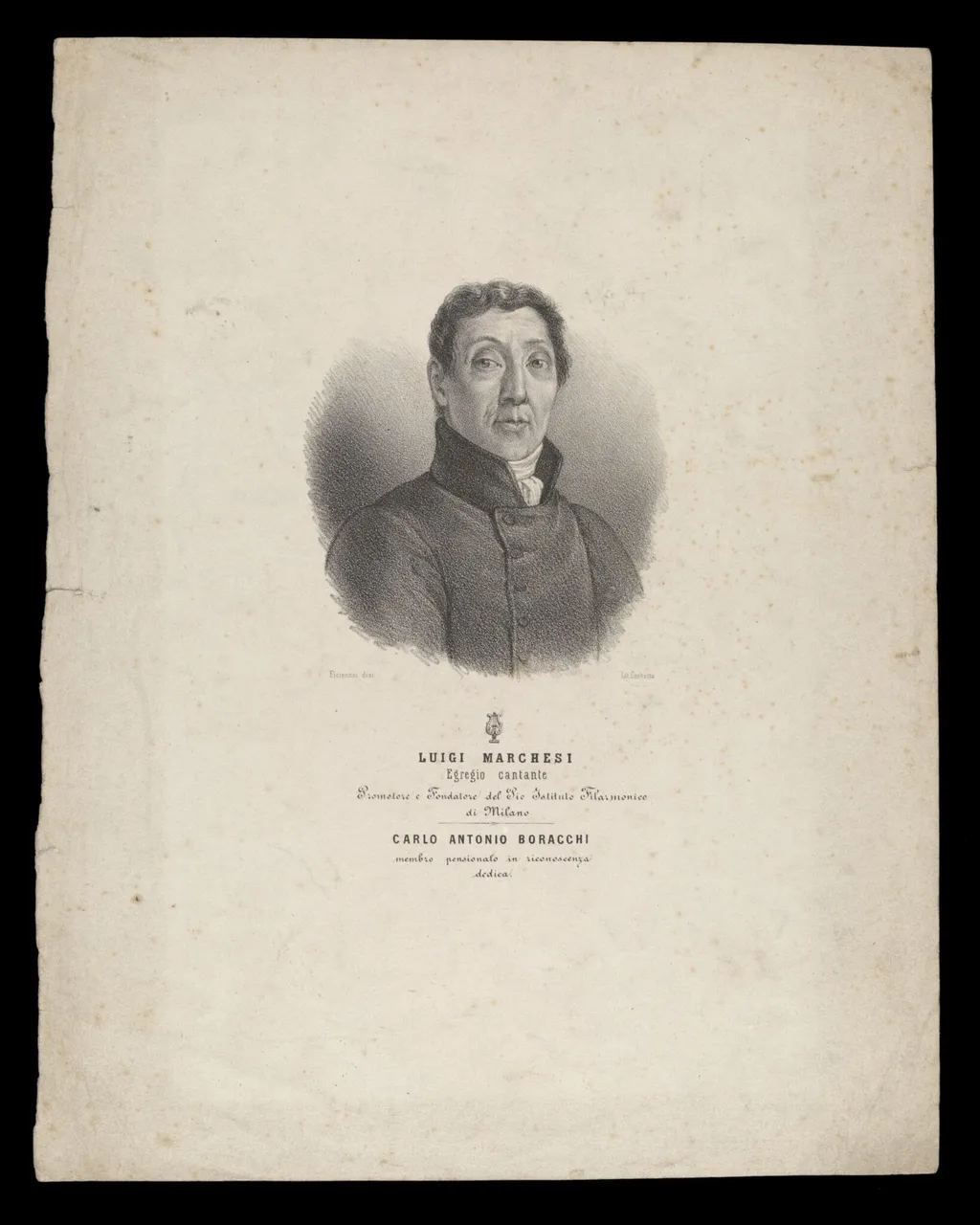
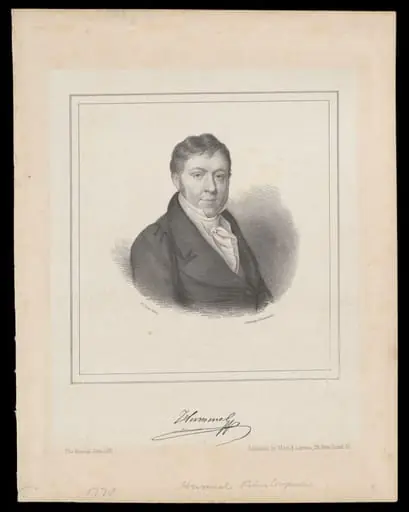
H Beard Print Collection is a print by Fiorentini. It dates from 1750 and is held in the collection of the Victoria and Albert Museum. This print is a portrait of the Italian tenor Luigi Marchesi, produced in the late 18th century using traditional printmaking methods.
About this work
This print shows a portrait of Luigi Marchesi from the 1700s. The artist, Fiorentini, made it using print techniques popular at the time. It lives in the Victoria and Albert Museum’s collection.
Prints like this were often shared widely in the 18th century. They let people see faces of famous singers or leaders without traveling.
Look up the Victoria and Albert Museum.
Overview
This print is a portrait of the Italian tenor Luigi Marchesi, produced in the late 18th century using traditional printmaking methods.
This print is a portrait of the Italian tenor Luigi Marchesi, produced in the late 18th century using traditional printmaking methods. It belongs to the H. Beard Print Collection held by the Victoria and Albert Museum. Created as a reproductive image, it reflects the period’s demand for accessible visual representations of cultural figures, circulating beyond elite circles to a broader public audience.
Subject & Meaning
Luigi Marchesi was one of the most celebrated tenors of his time, renowned across Europe for his vocal range and dramatic presence on stage. The portrait captures him in a formal, dignified pose, aligning with contemporary ideals of artistic excellence. Such images served to elevate performers to the status of public icons, reinforcing their cultural significance through visual reproduction.
Technique & Style
The print was executed using engraving or etching techniques common in the 1700s, allowing for fine detail and mass production. The artist, Fiorentini, employed precise linework to render Marchesi’s facial features and attire, emphasizing texture and form. The composition follows the conventions of portraiture from the era, balancing realism with a degree of idealization suited to public dissemination.
History & Provenance
The print entered the Victoria and Albert Museum as part of the H. Beard Collection, a significant assemblage of theatrical and musical portraiture. Its presence in the museum reflects its historical value as a document of 18th-century performance culture. The print likely circulated in London and other European cities, where Marchesi’s fame drew public interest and demand for his likeness.
Context
In the 18th century, prints like this were a primary means of disseminating images of celebrities before photography. Opera singers, like Marchesi, were among the first true pop figures, and their portraits were collected by enthusiasts, displayed in homes, and used in promotional materials. This print exemplifies the intersection of art, commerce, and popular culture in pre-industrial Europe.
Legacy
As part of a broader archive of theatrical imagery, this print contributes to the historical record of musical performance and public memory. It preserves the visual identity of a performer whose voice shaped operatic taste across continents. Today, it remains a tangible link to the social practices of cultural consumption in the Enlightenment era.
Artist & collection

Artist
The Fiorentini company, or Fiorentini & C. S.p.A., was founded by the Italian engineer Filippo Fiorentini, a company within an engineering office initially, in 1901, then a factory of excavators in 1919 in Rome, Italy.…