Artwork
Vincentius Carafa, Jesuit
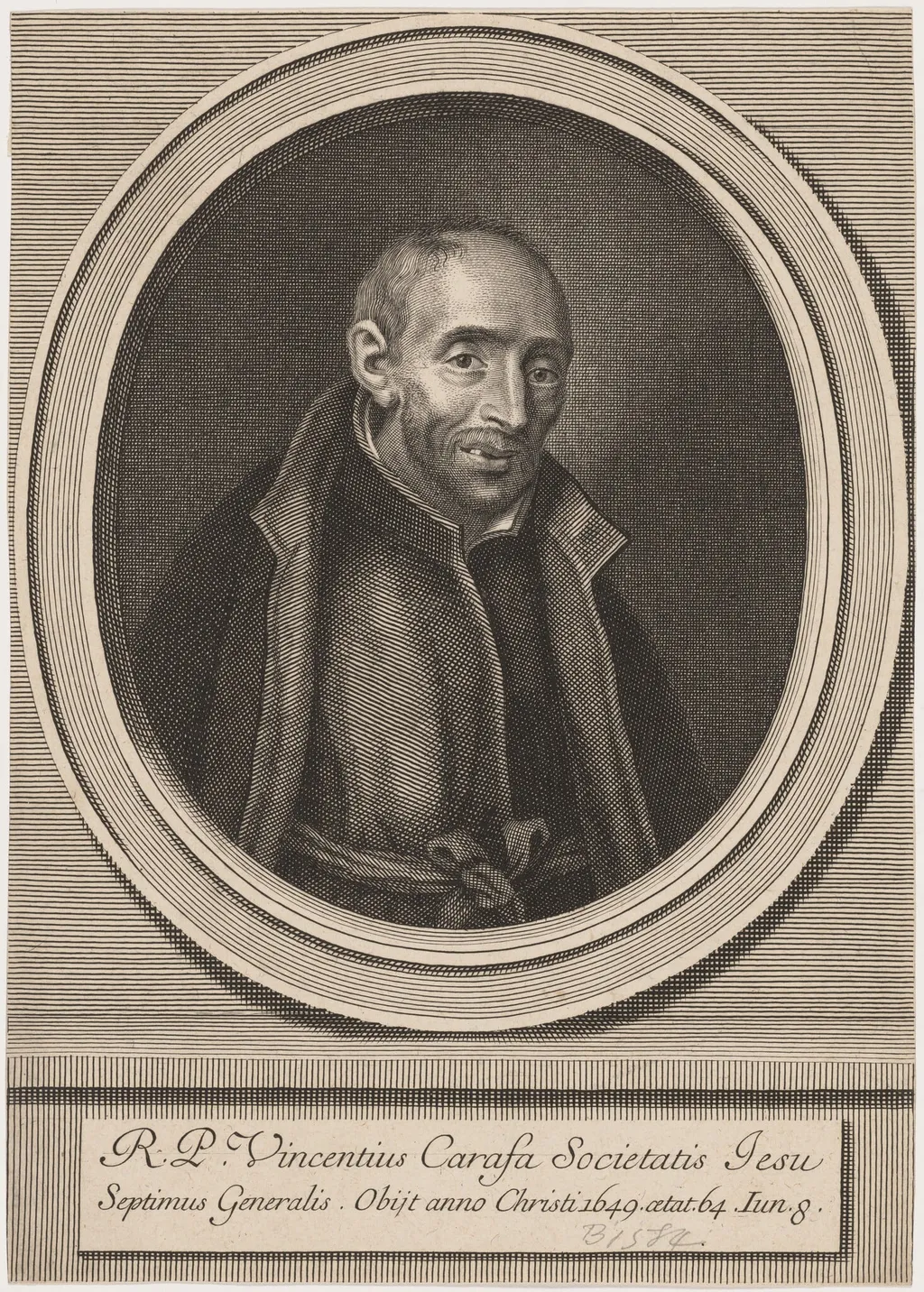
Vincentius Carafa, Jesuit is an ink print by the Romanticist artist Unknown 19th Century. It dates from 1850 and is held in the collection of the National Gallery of Art. The print is a black‑and‑white engraving portraying an elderly man in solemn demeanor.
About this work
The background is plain, but the edges of the oval frame are filled with tight, crisscrossed lines—almost like woven rope.
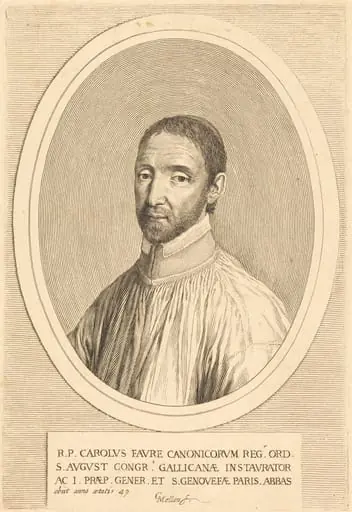
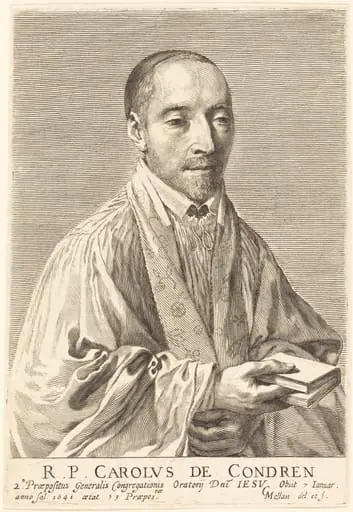
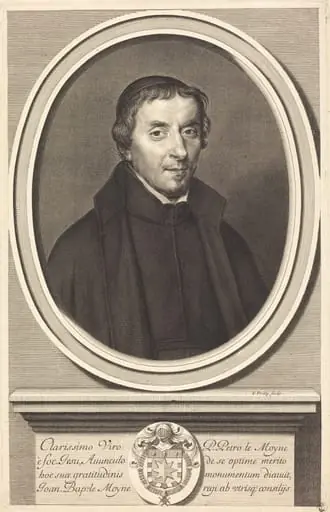
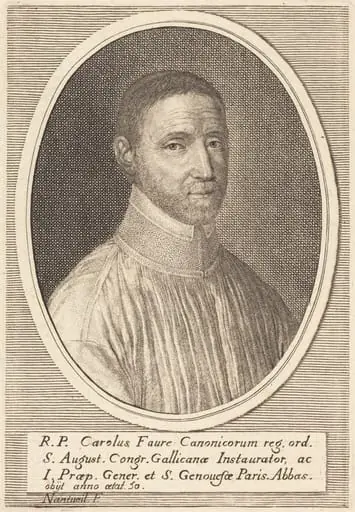
This is a black-and-white portrait of an older man with a serious face. He’s wearing a dark robe with a high collar, and his hands rest in his lap. The background is plain, but the edges of the oval frame are filled with tight, crisscrossed lines—almost like woven rope.
The text below says he’s a Jesuit named Vincentius Carafa, and it gives a date of 1649. That’s odd because the style looks much newer, so it might be a mix-up. The artist isn’t named, but the way the lines are layered is a clue.
If you like this style, look into engraving to see how artists create such sharp details.
Overview
The print is a black‑and‑white engraving portraying an elderly man in solemn demeanor. He is dressed in a dark, high‑collared robe, his hands resting calmly in his lap, framed within an oval whose border is densely filled with intersecting lines resembling a woven rope. The inscription identifies the sitter as Vincentius Carafa, a member of the Jesuit order, and records the year 1649.
Subject & Meaning
Vincentius Carafa, noted as a Jesuit, is presented with the gravitas typical of religious portraiture, emphasizing his clerical status through austere attire and restrained expression. The plain background directs focus to his visage, suggesting an intention to convey personal piety and intellectual authority rather than narrative detail.
Technique & Style
The image is executed in engraving, employing fine cross‑hatching and parallel lines to render tonal variation and texture. The densely woven border demonstrates a meticulous approach to line work, while the overall handling of light and shadow reflects a skill set that aligns more closely with mid‑17th‑century printmaking practices than with an earlier date.
History & Provenance
Although the plate bears the date 1649, stylistic analysis indicates a later production, implying either a retrospective dating or a misattribution. No artist’s signature appears, leaving the creator unidentified; the work likely circulated among Jesuit networks or collectors of religious portraiture during the period following its actual creation.
Context
Portrait engravings of clergy were common in the Counter‑Reformation era, serving both devotional and documentary purposes. The depiction of Carafa fits within this tradition, providing a visual record for institutional archives or private devotion, and reflects the broader Jesuit emphasis on education and scholarly representation.
Artist & collection

Artist