Artwork
Boston Harbor
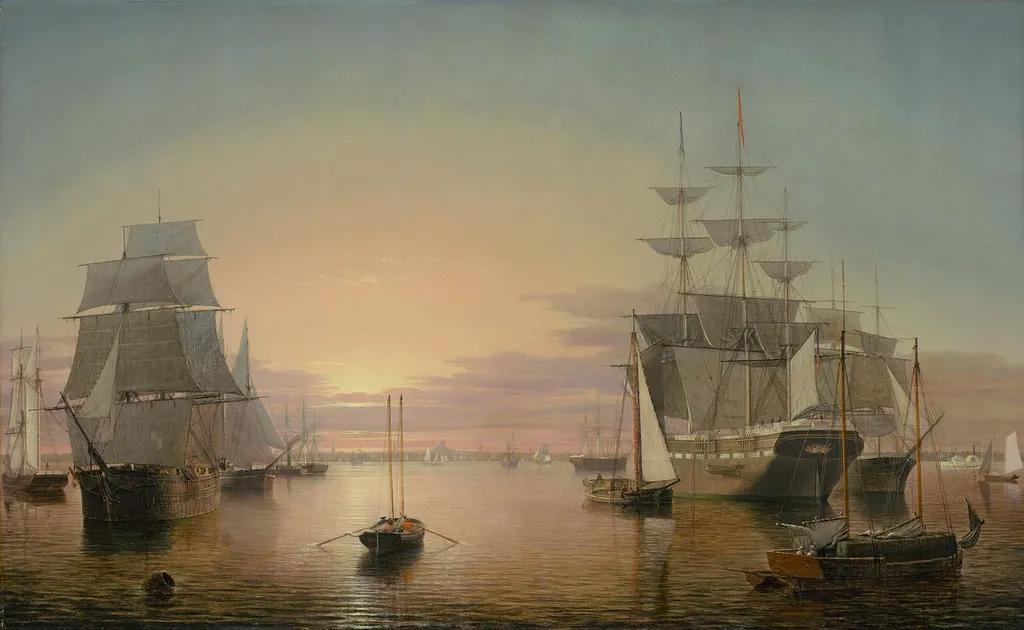
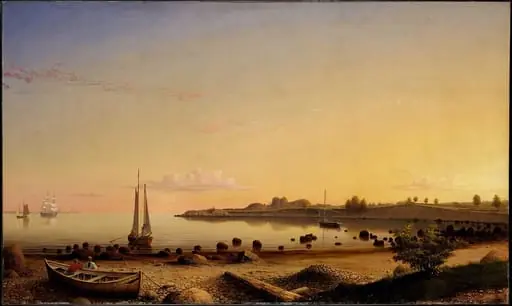
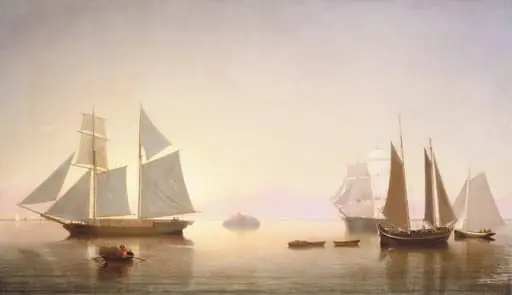
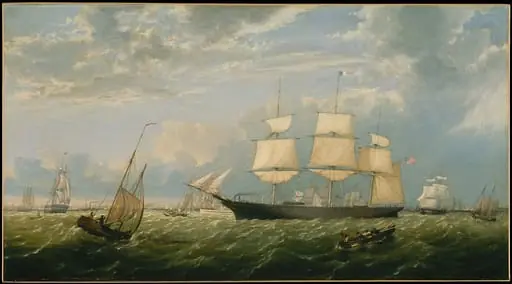
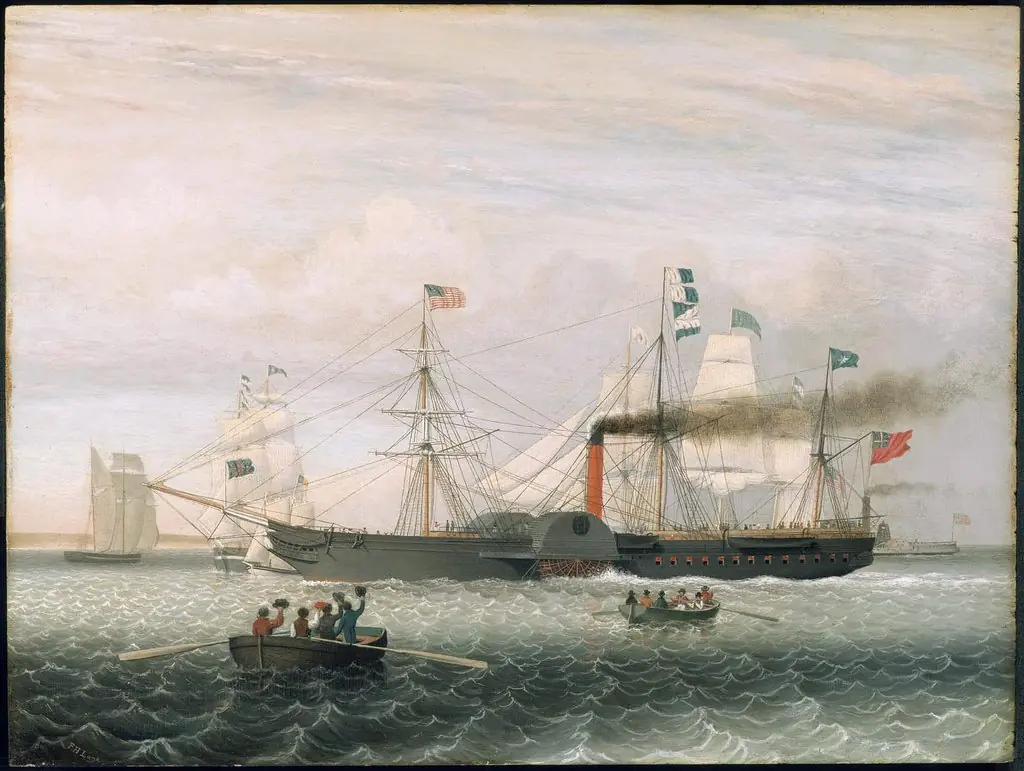
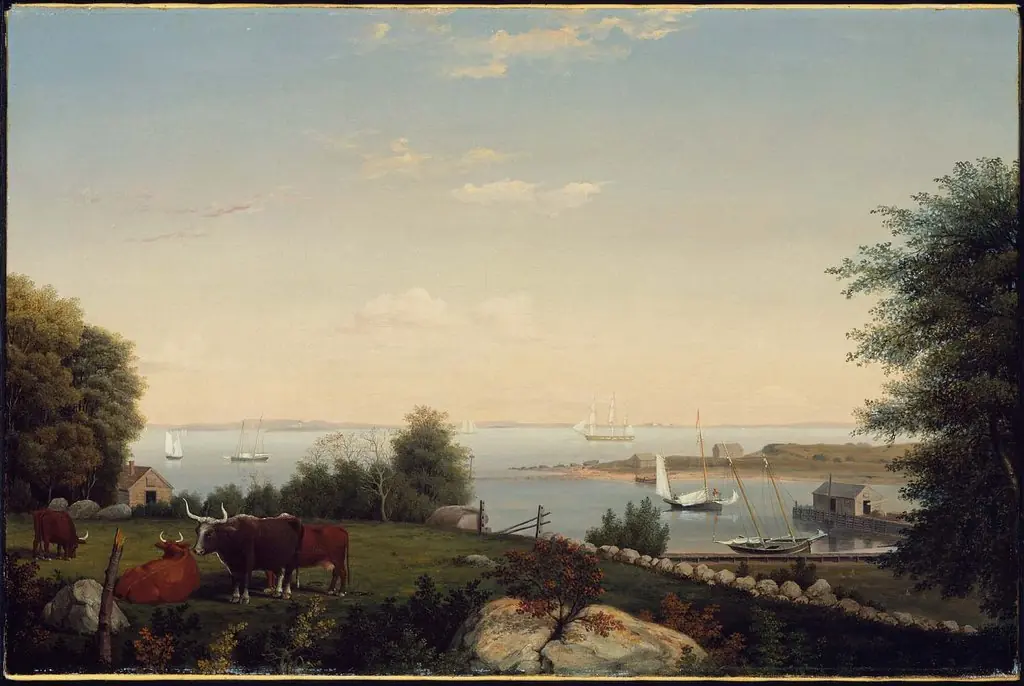
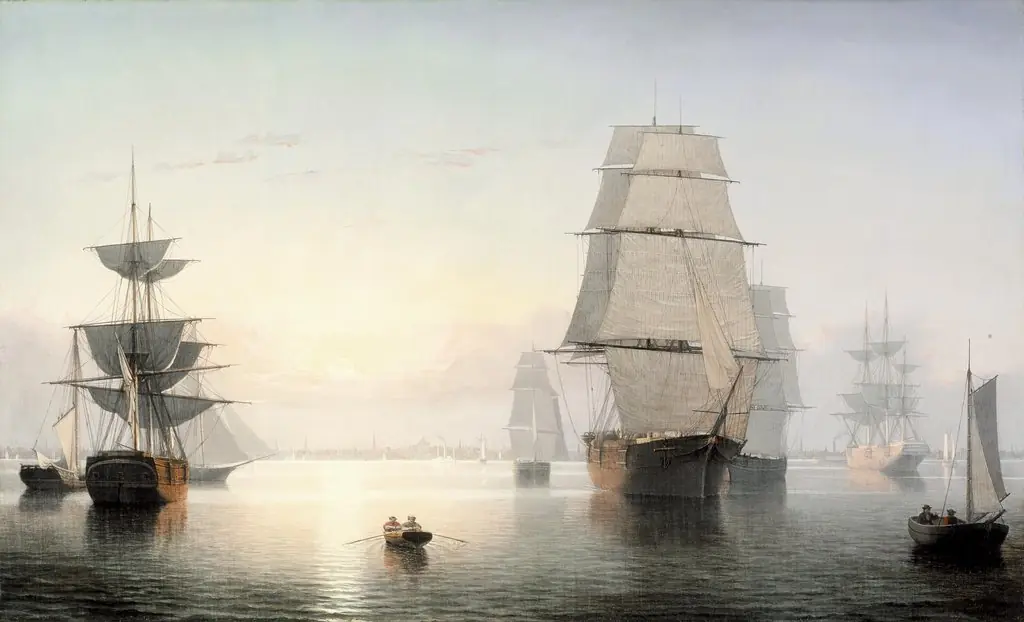
Boston Harbor is an oil painting by the Hudson River School artist Fitz Henry Lane. It dates from 1852 and is held in the collection of the Museum of Fine Arts Boston.
About this work
Overview
Painted in 1852 by Fitz Henry Lane, Boston Harbor is an oil-on-canvas work that captures the quiet activity of a coastal scene at twilight.
Painted in 1852 by Fitz Henry Lane, Boston Harbor is an oil-on-canvas work that captures the quiet activity of a coastal scene at twilight. Lane, known for his precise rendering of maritime subjects, employed the luminist approach to convey atmospheric stillness. The painting reflects his deep familiarity with New England’s seascapes and his commitment to naturalistic detail, aligning him with the broader Hudson River School tradition without fully adopting its romantic grandeur.
Subject & Meaning
The scene depicts Boston Harbor at sunset, with a variety of vessels—sailing boats, rowboats, and idle hulls—dotting the calm water. A small rowboat in the foreground, occupied by two figures, introduces a human element without disrupting the tranquility. The composition suggests daily life along the coast, emphasizing rhythm and quiet labor rather than spectacle. The stillness of the water and fading light evoke a contemplative mood, characteristic of Lane’s interest in the interplay between nature and human activity.
Technique & Style
Lane applied oil paint with fine brushwork to achieve smooth transitions in the sky and water, enhancing the reflective quality of the surface. The palette is restrained, dominated by soft pinks, golds, and muted blues, with minimal contrast. Details like rigging, hull shapes, and cloud formations are rendered with precision, yet the overall effect is one of harmony and serenity. Light is not dramatic but diffused, a hallmark of luminism, guiding the viewer’s eye across the surface without focal dominance.
History & Provenance
Created in 1852, Boston Harbor entered the collection of the Museum of Fine Arts, Boston, in the early 20th century. It has remained in the museum’s care since, consistently displayed as a representative example of 19th-century American marine painting. Lane’s works were largely appreciated locally during his lifetime, and this painting reflects his sustained engagement with Boston’s maritime environment, which he observed and documented over decades.
Context
In the mid-19th century, American artists increasingly turned to local landscapes and seascapes as subjects worthy of serious attention. Boston Harbor emerged amid this shift, alongside growing interest in scientific observation and regional identity. Lane’s work diverged from the epic scale of Hudson River School landscapes, instead focusing on intimate, everyday coastal moments. His paintings contributed to a quieter, more introspective strain within American art of the period.
Legacy
Boston Harbor endures as a key example of luminist marine painting, admired for its technical restraint and emotional subtlety. Lane’s influence is evident in later American artists who prioritized atmospheric effect over narrative drama. The painting remains a touchstone for understanding how 19th-century painters captured the quiet dignity of coastal life, bridging observation and mood without theatricality.
Artist & collection
Artist
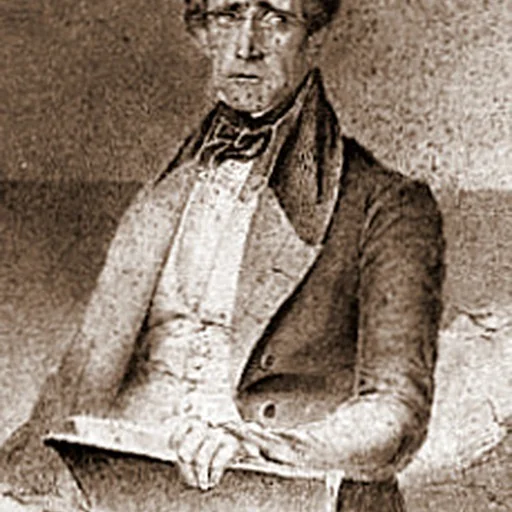
Fitz Henry Lane (born Nathaniel Rogers Lane; also formerly, mistakenly, known as Fitz Hugh Lane; December 19, 1804 – August 14, 1865) was an American painter and printmaker of a style that would later be called Luminism, for its use of…