Artwork
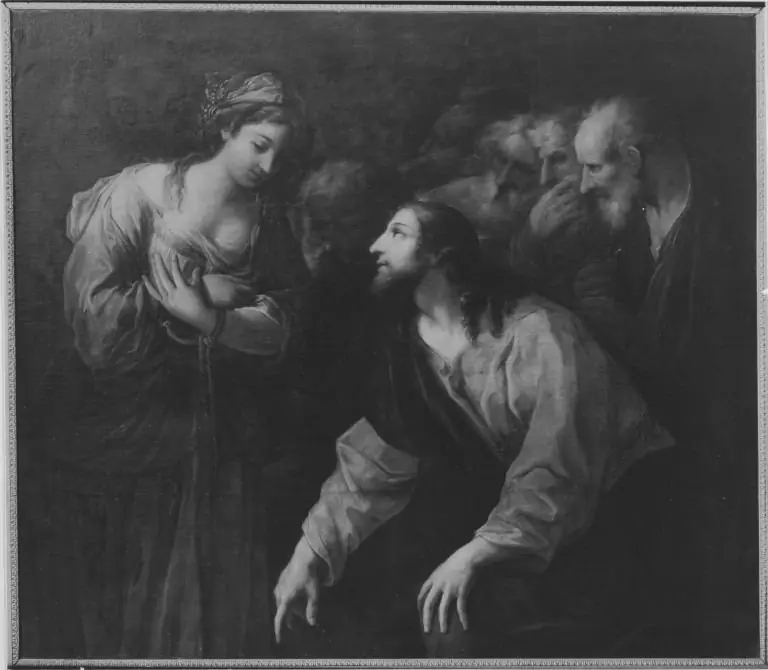
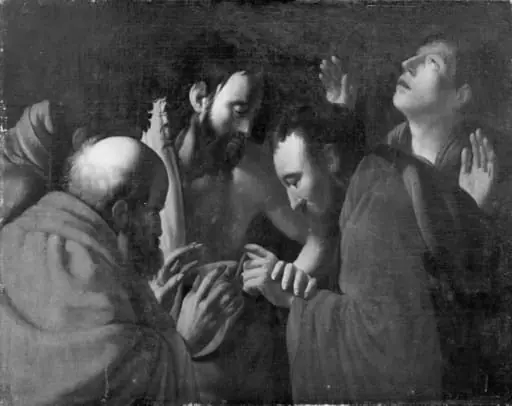
Gruppe von Pharisäern
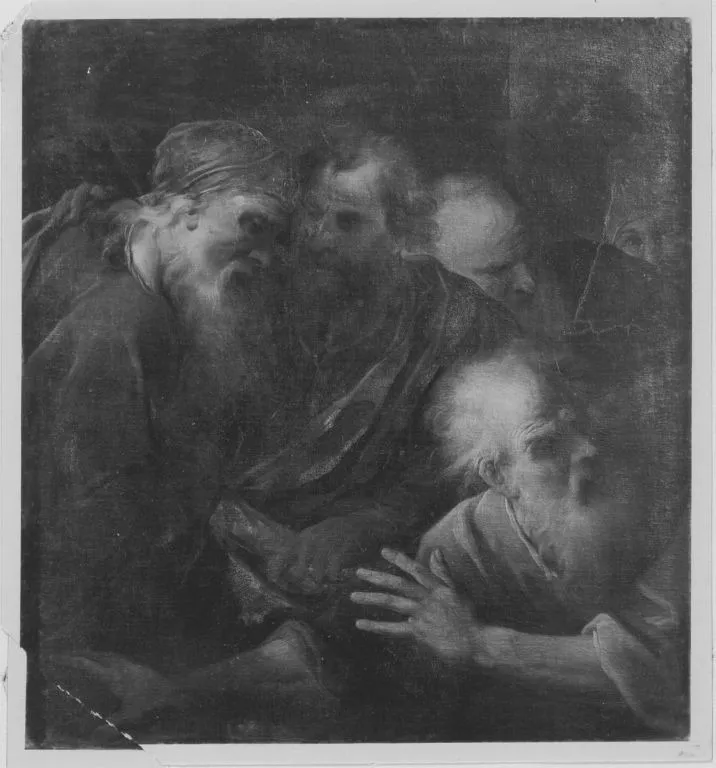
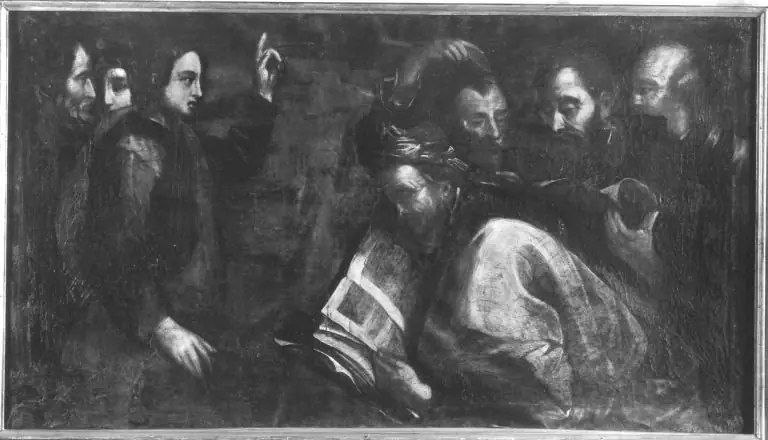
Gruppe von Pharisäern is an unspecified painting by the Early Baroque Italian artist Flaminio Torre. It dates from 1641 and is held in the collection of the Bavarian State Painting Collections.
About this work
Overview
Flaminio Torri, an Italian painter of the Bolognese School, completed *Gruppe von Pharisäern* in 1641 during the early Baroque era.
Flaminio Torri, an Italian painter of the Bolognese School, completed *Gruppe von Pharisäern* in 1641 during the early Baroque era. Active between 1620 and 1661, Torri worked within a tradition that emphasized emotional intensity and lifelike detail. The painting is part of the Alte Pinakothek’s collection, where it stands as a rare example of his narrative religious works. Its subject and execution reflect the period’s preoccupation with biblical drama and psychological depth.
Subject & Meaning
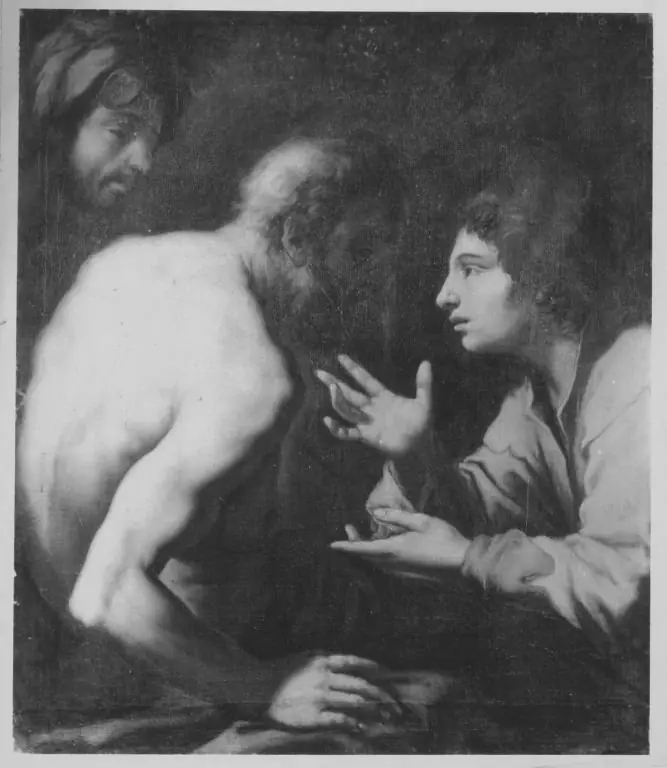
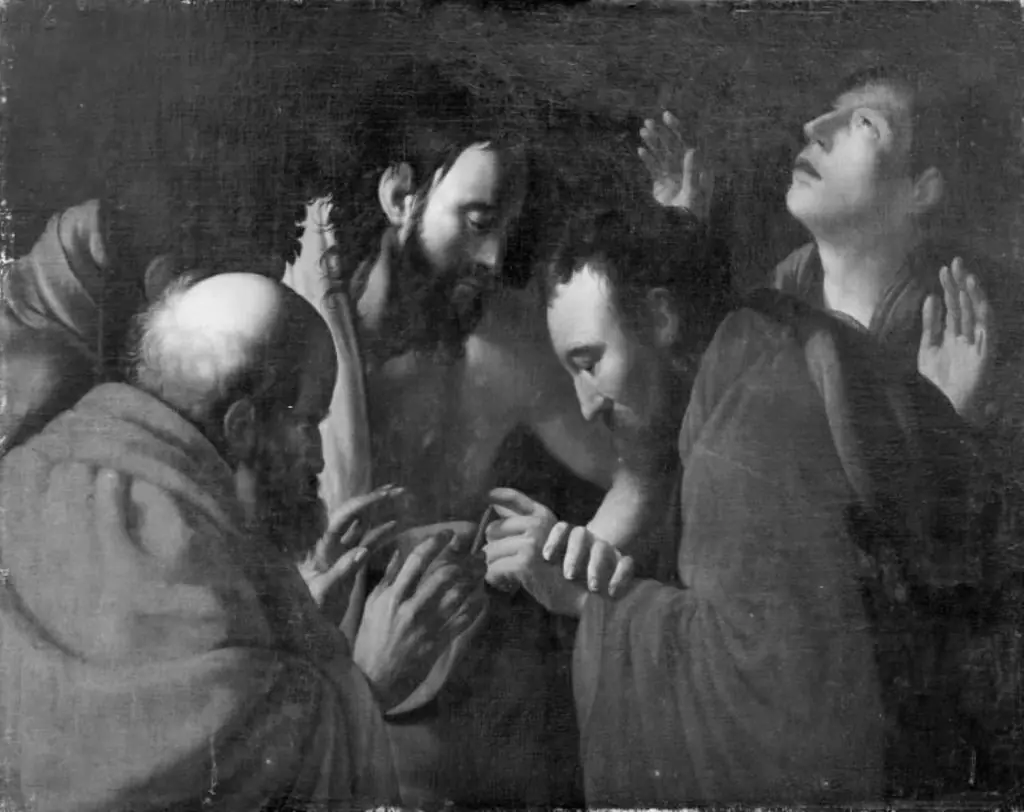
The painting portrays a group of Pharisees gathered around an elderly man in visible distress. His tilted head, closed eyes, and contorted expression suggest suffering, possibly from illness, spiritual crisis, or moral condemnation. The surrounding figures, solemn and motionless, convey tension without clear narrative context. The scene invites contemplation of human vulnerability and communal judgment, themes resonant in Counter-Reformation religious art.
Technique & Style
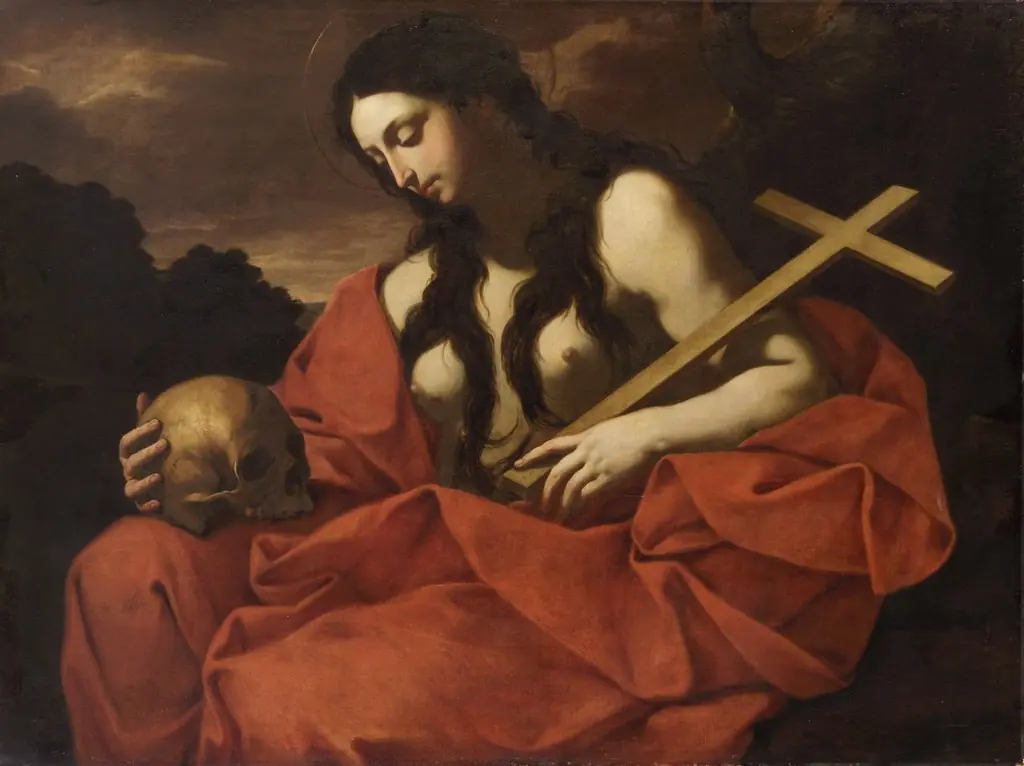
Torri employs chiaroscuro to model the figures with strong contrasts of light and shadow, enhancing the three-dimensionality of the forms. The dark, neutral background isolates the group, focusing attention on the central figure’s anguish. Robes are rendered with loose, textured brushwork, suggesting fabric’s weight and movement. Facial expressions are carefully observed, conveying inner turmoil without theatrical exaggeration, aligning with the Bolognese School’s restrained naturalism.
History & Provenance
Created in 1641, the painting entered the Alte Pinakothek’s collection in Munich, though its earlier ownership remains undocumented. Torri’s oeuvre is limited, and few of his works survive with clear provenance. The painting’s preservation suggests it was valued early in its history, possibly acquired by a collector or institution drawn to its emotional gravity and technical precision during the mid-17th century.
Context
In mid-17th-century Italy, religious subjects dominated painting, especially those evoking moral or spiritual trials. The Pharisees, often depicted as rigid interpreters of law, were used to explore themes of hypocrisy, judgment, and human frailty. Torri’s treatment avoids caricature, instead presenting a quiet, introspective moment that aligns with broader Baroque interests in psychological realism and devotional intensity.
Legacy
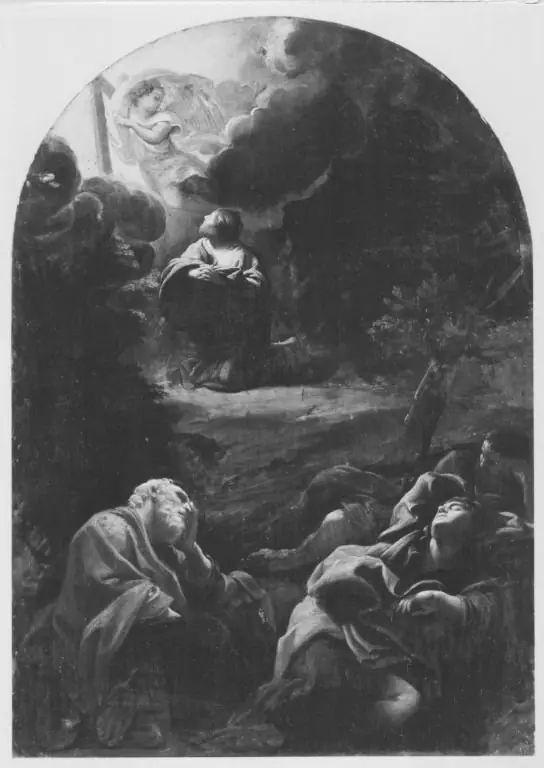
Though Flaminio Torri is not widely known today, *Gruppe von Pharisäern* endures as a quiet testament to the Bolognese School’s capacity for emotional nuance. Its restrained drama and technical control distinguish it from more flamboyant Baroque works. The painting contributes to understanding how lesser-known artists engaged with religious narratives, offering a sober counterpoint to the era’s more celebrated dramatic spectacles.
Artist & collection
Artist
Flaminio Torri (19 May 1620 – 6 August 1661) was an Italian Baroque painter of the Bolognese School, active during the Baroque period.