Artwork
Vegetații
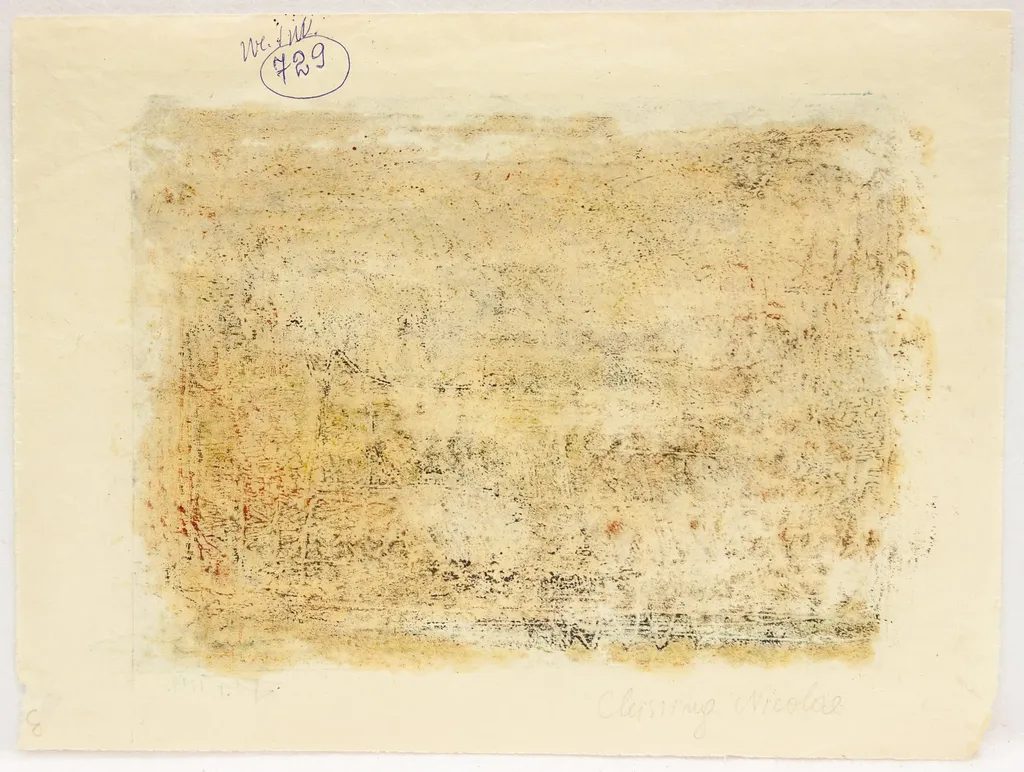
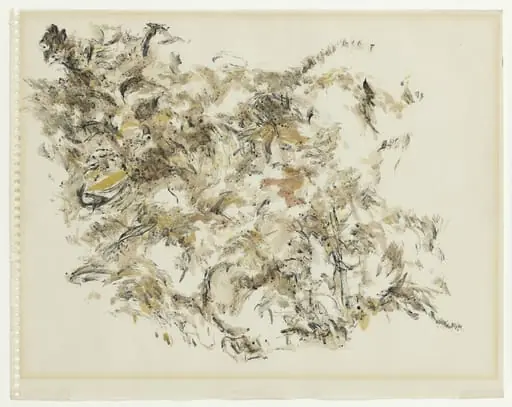
Vegetații is a print by Nicolae Fleissig. It dates from 1950 and is held in the collection of the Gavrila Simion Eco-Museum Research Institute Tulcea.
About this work
Overview
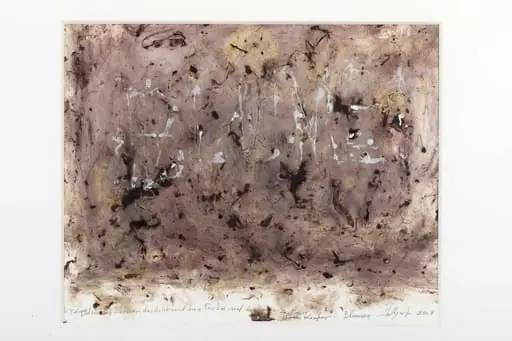
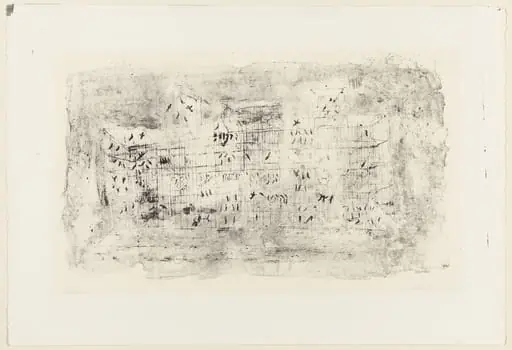
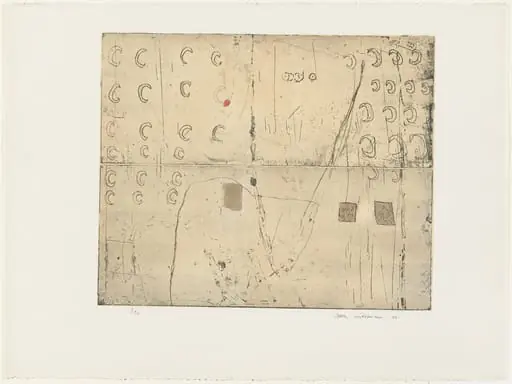
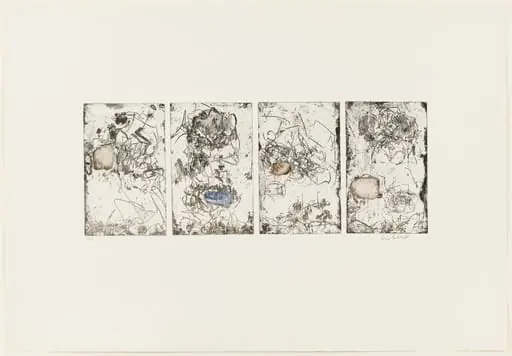
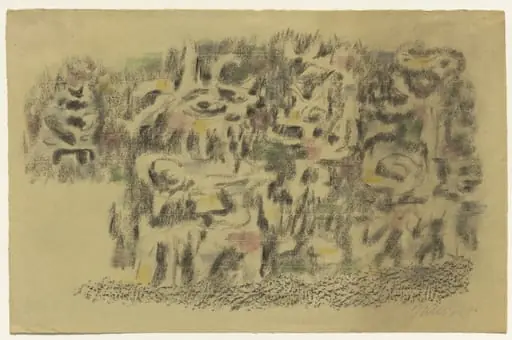
Vegetații is a printed work by Romanian artist Nicolae Fleissig, dated around 1950. It is part of the collection at the Museum of Ethnography. The piece is abstract in form, emphasizing texture and tonal variation over representational imagery. Its composition centers on a broad, light brown field marked by irregular dark accents, suggesting natural forms without directly depicting them.
Subject & Meaning
It invites contemplation of natural processes rather than their visual replication, aligning with mid-century abstract tendencies in Eastern European art.
The title, meaning 'Vegetation,' hints at an organic inspiration, though no literal plants or landscapes are shown. The work evokes the essence of growth and decay through layered marks—dots and fine lines that resemble weathered bark, moss, or eroded earth. It invites contemplation of natural processes rather than their visual replication, aligning with mid-century abstract tendencies in Eastern European art.
Technique & Style
Fleissig employed a printmaking method that built texture through repeated, small-scale marks. The surface is dominated by a muted brown palette, with darker tones introduced via fine stippling and linear incisions. The handcrafted quality of the dots and lines suggests a deliberate, tactile process, emphasizing materiality over illusion. The result is a quiet, rhythmic surface that rewards close observation.
History & Provenance
Created in the early 1950s, Vegetații emerged during a period of state-sanctioned artistic norms in Romania. Fleissig’s abstract approach, while non-representational, avoided overt political messaging, possibly allowing the work to be accepted within institutional collections. It entered the Museum of Ethnography’s holdings shortly after its creation, likely through acquisition or donation by the artist or a cultural institution.
Context
In postwar Romania, abstract art was often marginalized in favor of socialist realism. Fleissig’s work, though non-conformist, found space in ethnographic museums that valued cultural expression beyond political doctrine. Vegetații reflects a quiet resistance to figurative mandates, aligning with broader European explorations of materiality and gesture in the decades following World War II.
Legacy
Vegetații remains a modest but significant example of Romanian abstract printmaking from the mid-20th century. While Fleissig is not widely known internationally, this work contributes to the understanding of how artists in Eastern Europe navigated aesthetic constraints to explore abstraction through texture and material. It continues to be studied for its subtle engagement with nature and process.
Artist & collection
Artist
Nicolae Fleissig made prints of plants and figures in the early 20th-century European printmaking tradition.
Museum
Gavrila Simion Eco-Museum Research Institute Tulcea
Continue through works from the same source collection.