Artwork
La route d'Emmaüs (2e planche) (The Road to Emmaus) (second plate)
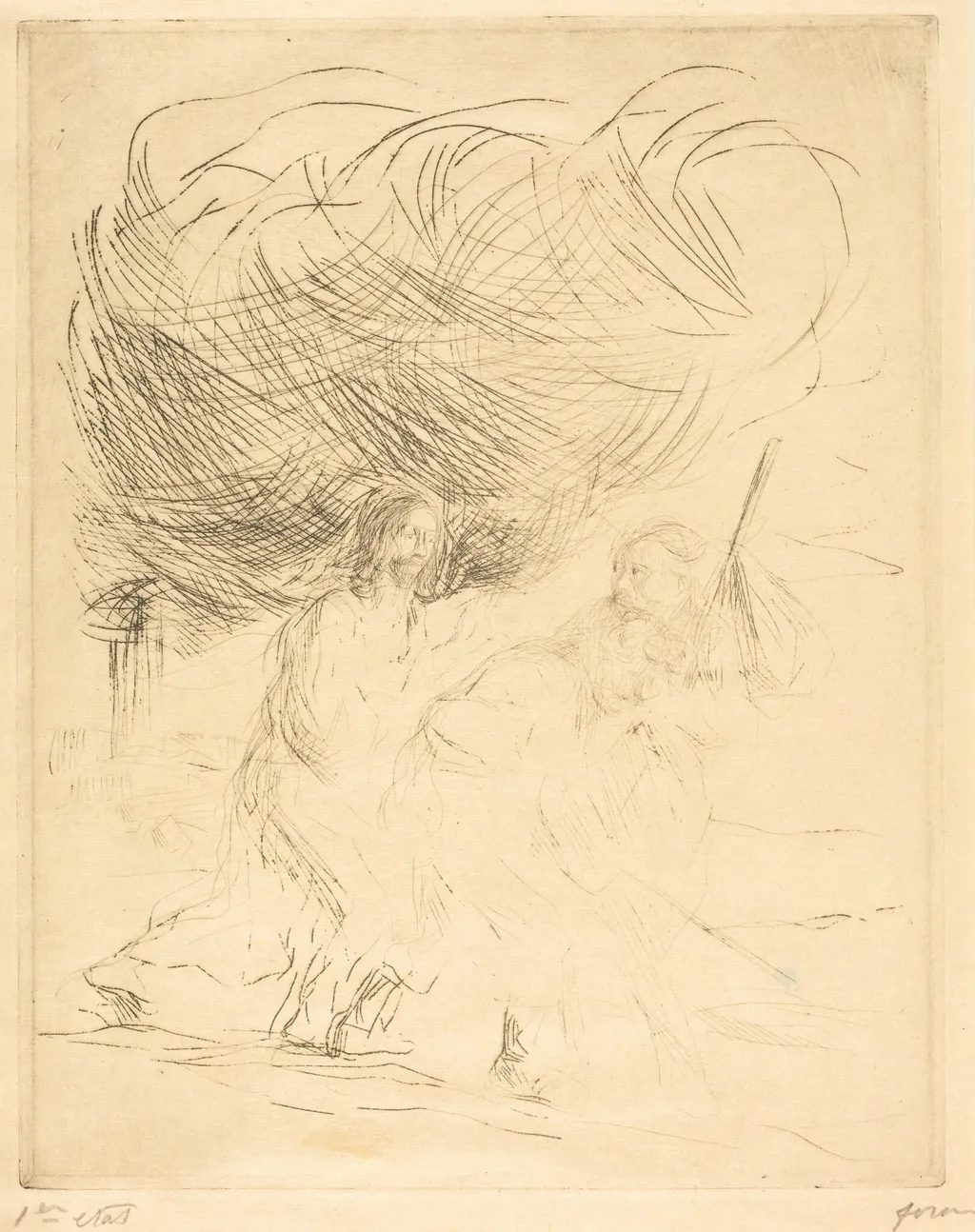
La route d'Emmaüs (2e planche) (The Road to Emmaus) (second plate) is an ink print by Jean-Louis Forain. It dates from 1904 and is held in the collection of the National Gallery of Art.
About this work
Overview
Though primarily known for his paintings in oils and pastels, Forain developed a significant body of graphic work during this period.
Created in 1904, *La route d'Emmaüs (2e planche)* is an etching and drypoint on wove paper by French artist Jean-Louis Forain. Though primarily known for his paintings in oils and pastels, Forain developed a significant body of graphic work during this period. This print belongs to a series exploring biblical themes through modern printmaking techniques, reflecting his interest in both narrative and material experimentation.
Subject & Meaning
The scene references the biblical story of Christ’s post-resurrection appearance to two disciples on the road to Emmaus. Forain renders the moment with minimal detail, focusing on two figures in motion: one with disheveled hair and a draped cloak, the other bearing a staff and hat. The ambiguity of their identities invites contemplation rather than doctrinal clarity, aligning the image with a quiet, humanized spirituality rather than overt religious symbolism.
Technique & Style
Forain employed drypoint to scratch directly into the metal plate, creating rich, velvety lines with a soft, blurred edge. Combined with etching, the method allowed for both precision and spontaneity. The loose, rapid strokes suggest movement and immediacy, echoing the spontaneity of Impressionist drawing. The texture of the drypoint enhances the emotional weight of the figures, grounding the scene in tactile presence rather than idealized form.
History & Provenance
The print was produced during a period when Forain was actively engaged with printmaking circles in Paris, exhibiting regularly in salons and private collections. While the exact provenance of this specific plate is not widely documented, it was likely part of a limited edition circulated among collectors of modern graphic art. Its survival in institutional holdings suggests early recognition of its technical merit within the printmaking community.
Context
In early 20th-century France, religious subjects in modernist prints were uncommon, especially when rendered without traditional iconography. Forain’s approach aligned with broader artistic trends that favored psychological nuance over doctrinal representation. His use of etching and drypoint placed him within a lineage of artists like Degas and Whistler, who elevated printmaking to a vehicle for personal expression rather than mere reproduction.
Legacy
Though less celebrated than his paintings, Forain’s prints, including this work, contributed to the redefinition of printmaking as a serious artistic medium in France. *La route d'Emmaüs (2e planche)* exemplifies his ability to merge narrative depth with experimental technique. It remains a quiet but significant example of how secular artists reinterpreted sacred themes through modern visual language, influencing later generations of printmakers seeking emotional resonance over literal depiction.
Artist & collection

Artist
Jean-Louis Forain (French pronunciation: ; 23 October 1852 – 11 July 1931) was a French Impressionist painter and printmaker, working in media including oils, watercolour, pastel, etching and lithograph.


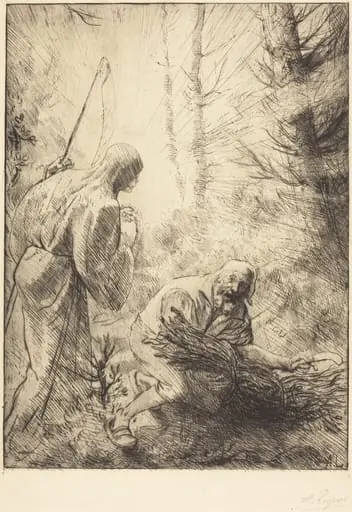 Death and the Woodcutter, 2nd plate (La mort et le bucheron)
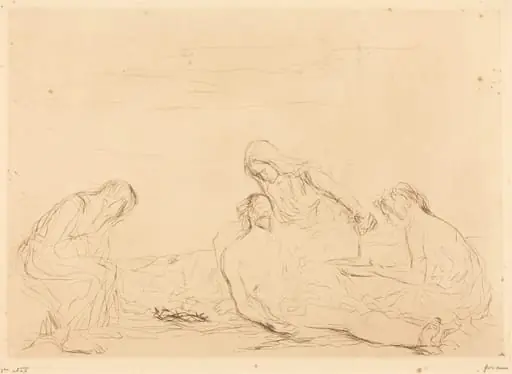 Pietà (3e planche) (Pietà) (third plate)
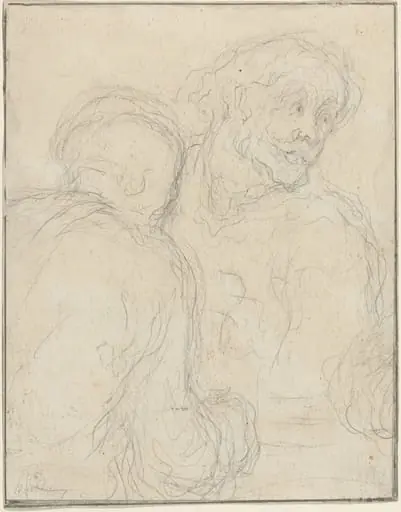 Two Men
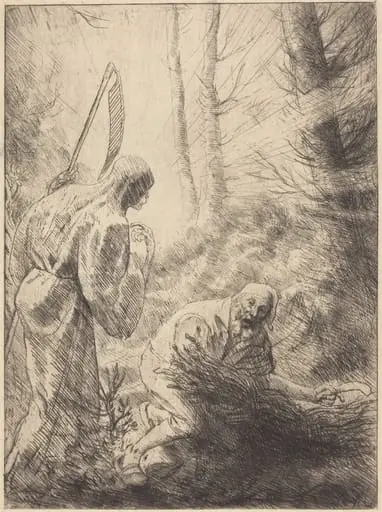 Death and the Woodcutter, 2nd plate (La Mort de le bucheron)
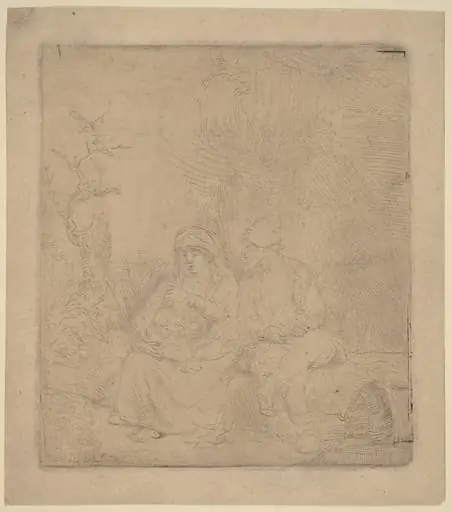 The Rest on the Flight: Lightly Etched
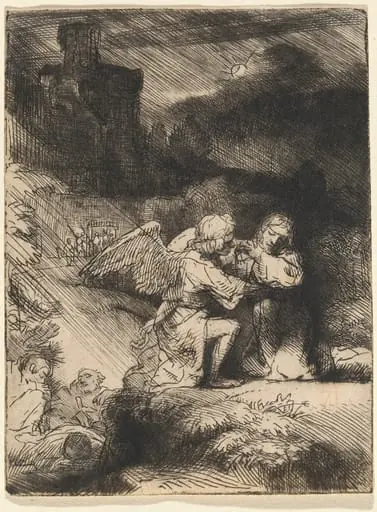 The Agony in the Garden
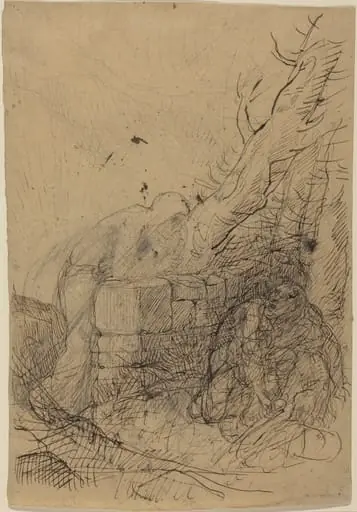 Death and the Woodcutter
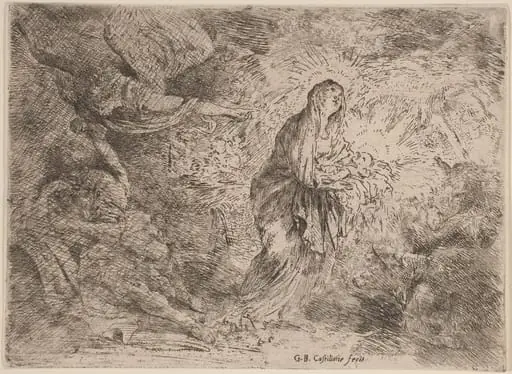 Joseph Awakened by the Angel
![The Ecstasy of Saint Francis [recto], by Sebastiano Ricci](https://artifactworldgallery.com/img/sebastiano-ricci--the-ecstasy-of-saint-francis-recto--5f53f9b59775e5dd-w320.webp) The Ecstasy of Saint Francis [recto]
The Ecstasy of Saint Francis [recto] Les Esprits des Villes-Mortes (Spirits from the Cities of the Dead)
 Mary Magdalene in Meditation (Madeleine en meditation)
 Le calvaire (2e planche) (Calvary) (second plate)