Artwork
Floral still-life
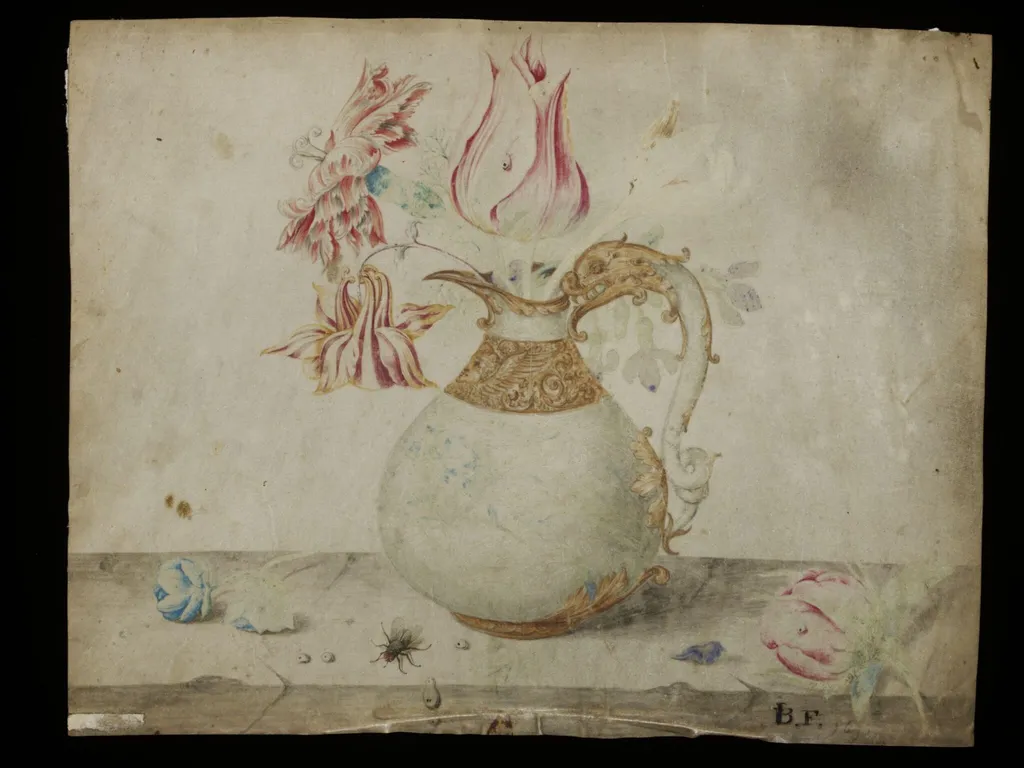
Floral still-life is a drawing by the Baroque artist Johannes Baptista van Fornenburgh. It dates from 1630 and is held in the collection of the Victoria and Albert Museum.
About this work
Overview
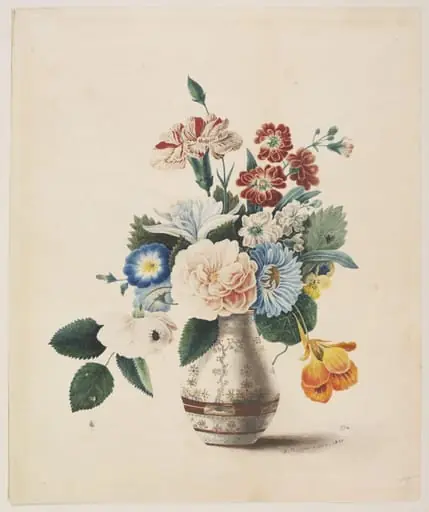
Johannes Baptista van Fornenburgh’s watercolor drawing presents a decorative two‑handled vase set upon a textured surface. The composition centers on the vase, which contains a modest bouquet of flowers, while a single pink tulip rests on the ground beside it.
Subject & Meaning
The vase holds a red‑and‑white flower and a long‑petaled pink bloom, suggesting a modest still‑life arrangement that emphasizes the contrast between the vibrant blossoms and the muted background. The inclusion of the fallen tulip adds a subtle narrative of transience.
Technique & Style
Executed in watercolor on aged paper, the work employs a restrained palette of light hues. Delicate gold swirls adorn the vase, and a tiny dragon‑head spout provides ornamental detail. The artist’s handling of washes creates a soft focus that isolates the objects from the plain backdrop.
History & Provenance
The drawing entered the museum’s holdings in 1919 as part of the bequest from Bernard Hugh Webb of Gray’s Inn, London. Its acquisition reflects early‑20th‑century collecting interests in Dutch still‑life drawings.
Context
Van Fornenburgh, active in the Dutch Golden Age, often rendered domestic objects with meticulous observation. This piece aligns with the period’s fascination with botanical subjects and the decorative arts, echoing the era’s interest in the beauty of everyday items.
Artist & collection
Artist
Johannes Baptista van Fornenburgh
Dutch flower drawings from the 1630s are small, delicate worlds of petals and stems.

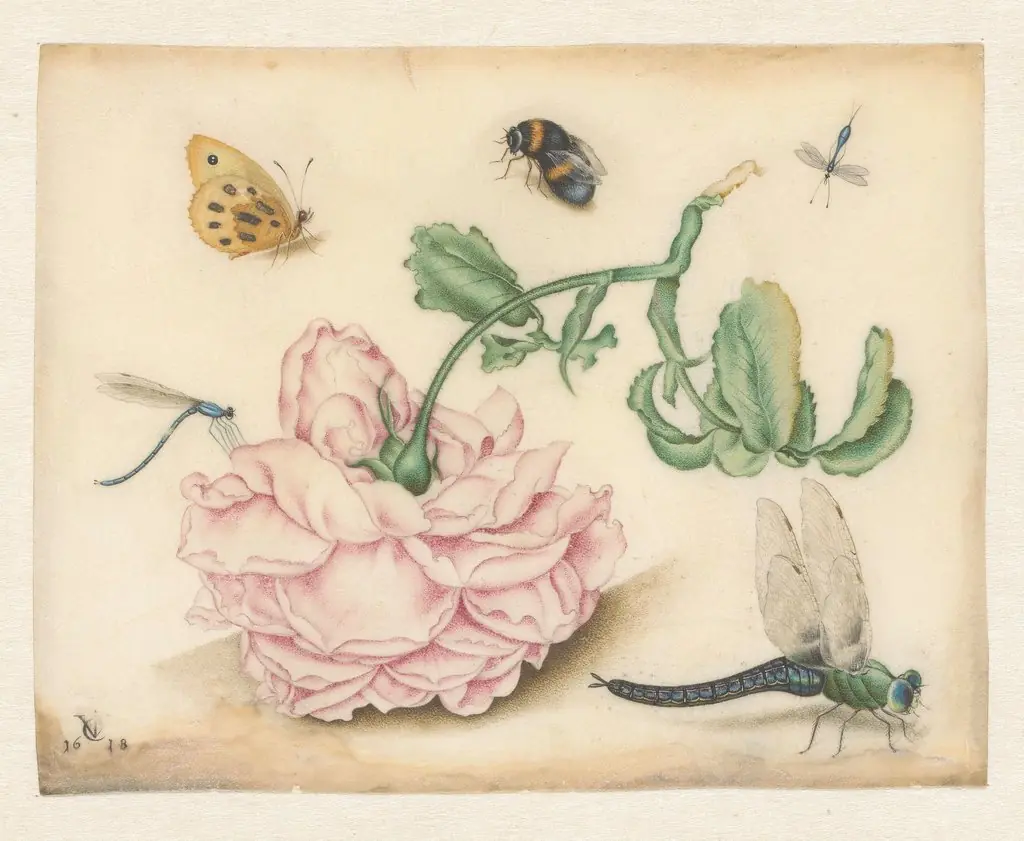 A Rose and Five Insects
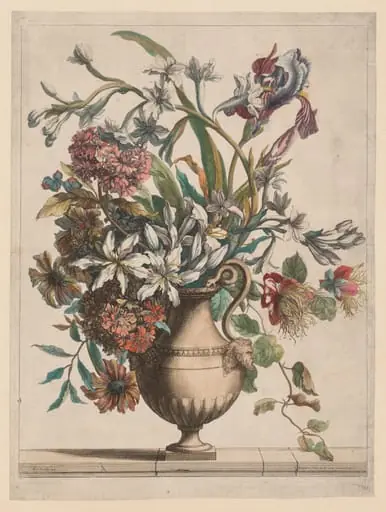 Liure de Toutes Sortes de fleurs d'après nature: Vase of Flowers
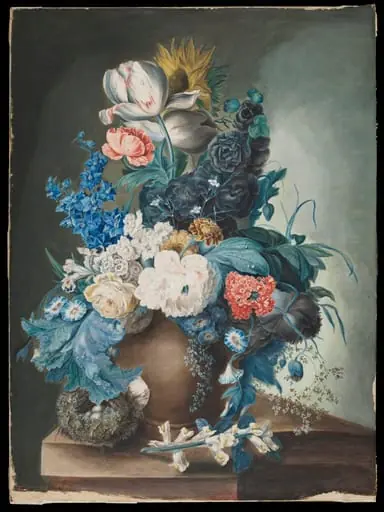 A group of flowers in a jar and a bird's nest
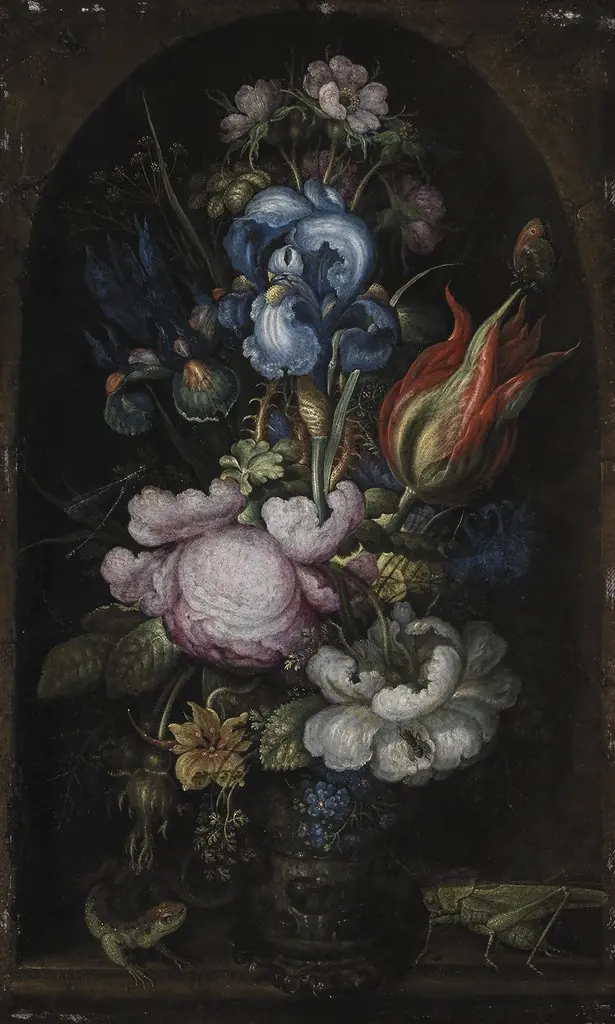 Bouquet of Flowers in a Stone Niche
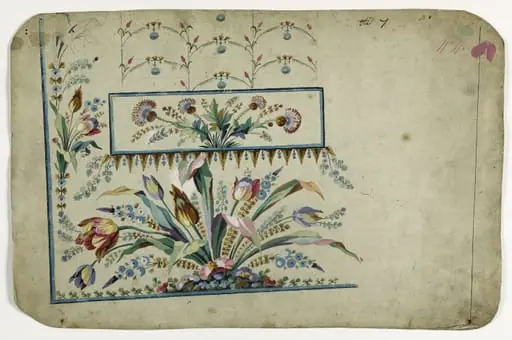 Gilet décor bouquet de tulipes, projets de broderies de gilet, XVIIIème siècle
 Bouquet of Flowers in a Stone Niche
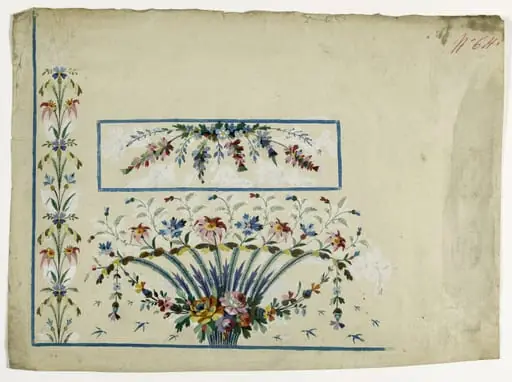 Gilet décor bouquet oeillets et églantines, projets de broderies de gilet, XVIIIème siècle
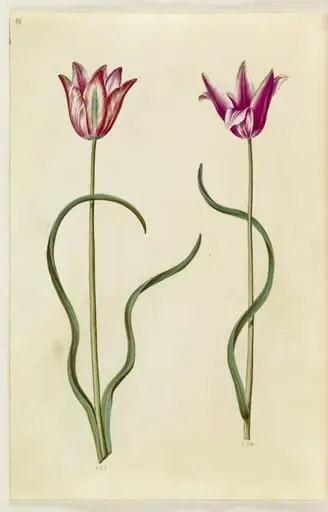 Tulipa clusiana (clusius-tulipan)
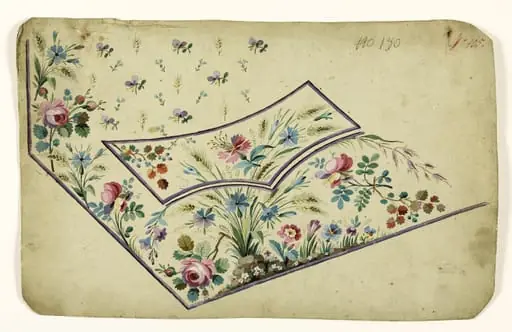 Composition de fleurs sauvages, d'épis et d'amoncellement de galets, projets de broderies de gilet, XVIIIème siècle
 Untitled