Artwork
Kreivitär Christina Augusta Löwenhielm (1754-1846)
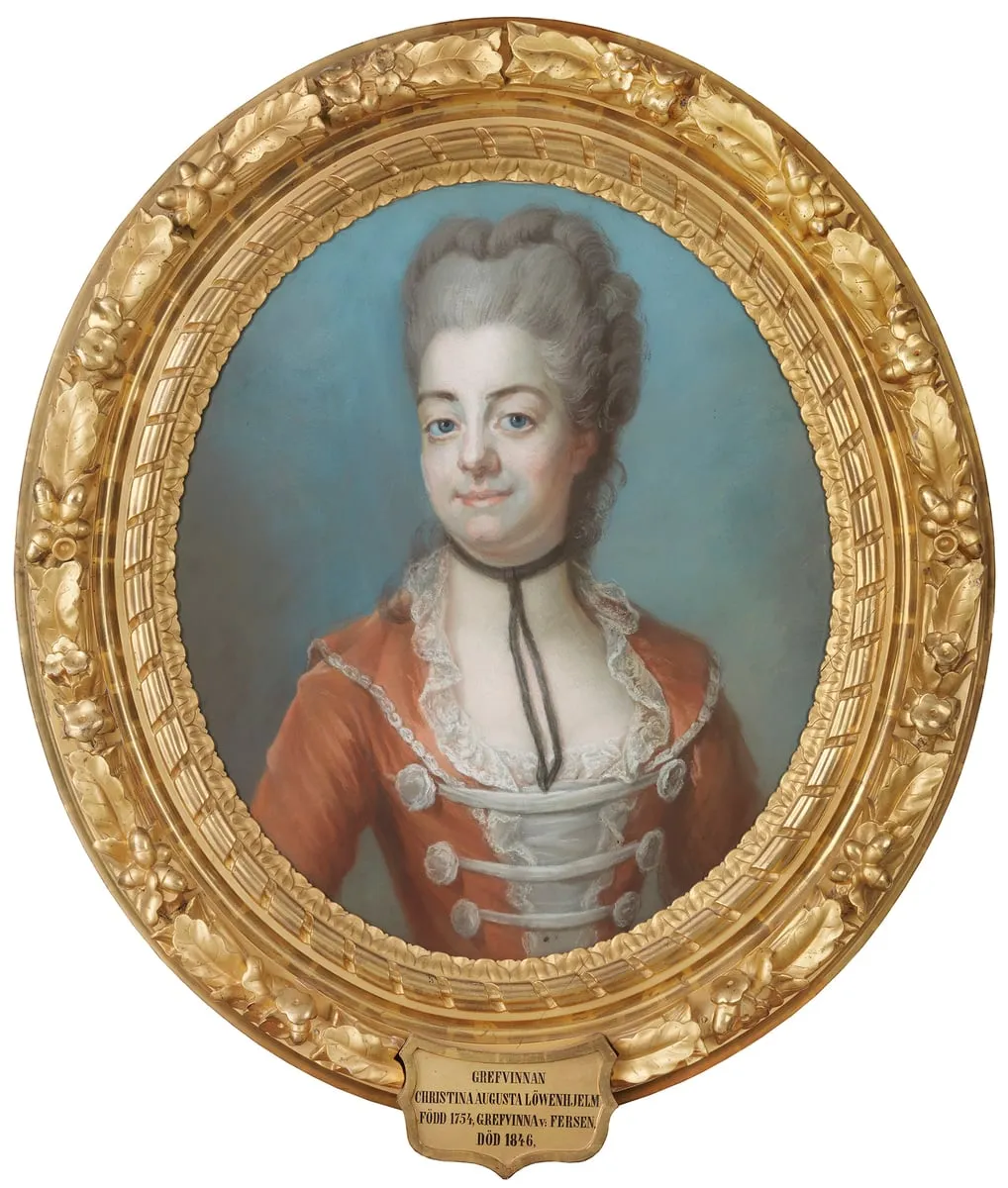
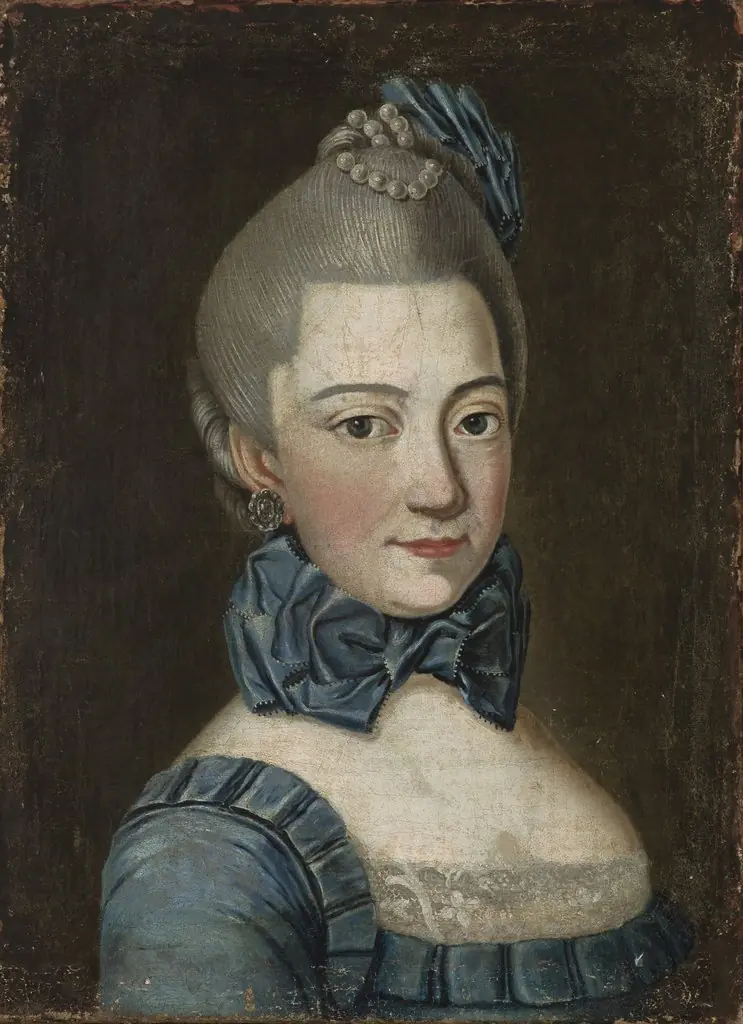
Kreivitär Christina Augusta Löwenhielm (1754-1846) is a drawing by Jonas Forsslund. It is held in the collection of the Finnish National Gallery.
About this work
Overview
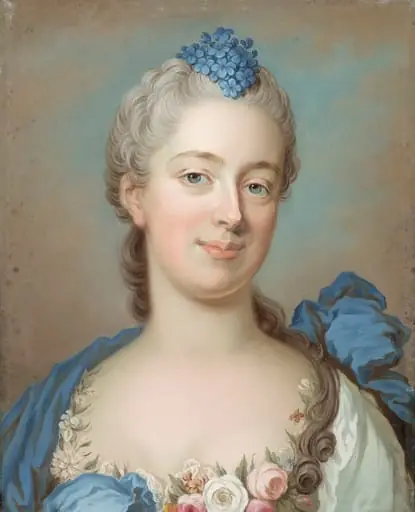
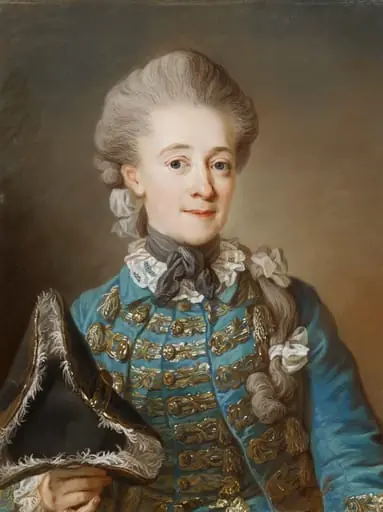
This pastel drawing by Jonas Forsslund depicts Christina Augusta Löwenhielm, a Swedish noblewoman born in 1754.
This pastel drawing by Jonas Forsslund depicts Christina Augusta Löwenhielm, a Swedish noblewoman born in 1754. Executed on paper, the work captures her in a composed, frontal pose, emphasizing stillness and dignity. The medium’s soft texture enhances the subtlety of her expression and the fine details of her attire, reflecting the conventions of portraiture among the Swedish aristocracy in the late 18th century.
Subject & Meaning
Christina Augusta Löwenhielm, a member of the Swedish nobility, is portrayed not as an active figure but as a symbol of social standing. Her stillness and refined demeanor convey propriety and lineage. The precision of her clothing—its cut, fabric, and adornments—serves as a visual record of her class, aligning the portrait with the era’s emphasis on status through dress rather than gesture or setting.
Technique & Style
Forsslund employed pastel on paper to achieve a delicate, luminous effect, allowing subtle gradations of color and soft edges that mimic the texture of silk and lace. The technique avoids harsh lines, favoring a gentle blending that enhances the quiet elegance of the subject. This approach reflects the influence of French pastel portraiture, adapted to Swedish aristocratic tastes of the period.
History & Provenance
The drawing was created during the latter half of the 18th century, likely in Stockholm, where Forsslund was active as a portraitist for the upper classes. It remained within Swedish collections, possibly in family holdings, before entering institutional care. No major public exhibitions are recorded prior to the 20th century, suggesting its initial purpose was private commemoration rather than public display.
Context
In late 18th-century Sweden, portraiture among the nobility emphasized restraint and refinement, contrasting with the theatricality seen in other European courts. Pastel was favored for its immediacy and ability to render fine detail without the drying time of oil. Forsslund’s work fits within a tradition of intimate, high-society portraiture that documented lineage and social identity through meticulous dress and composed posture.
Legacy
Forsslund’s portrait of Löwenhielm endures as a quiet example of Swedish aristocratic representation. It contributes to the historical record of noblewomen’s visual culture and the role of pastel in Nordic portraiture. While not widely known outside Sweden, it remains a significant artifact of domestic elite identity in the Age of Enlightenment.
Artist & collection
Artist
Jonas Forsslund made pencil portraits in 18th-century Sweden. His lines are neat and lifelike, the kind people kept for family records. You can trace the lace collars and serious faces in two drawings here: one of…

 Dorotea Westén
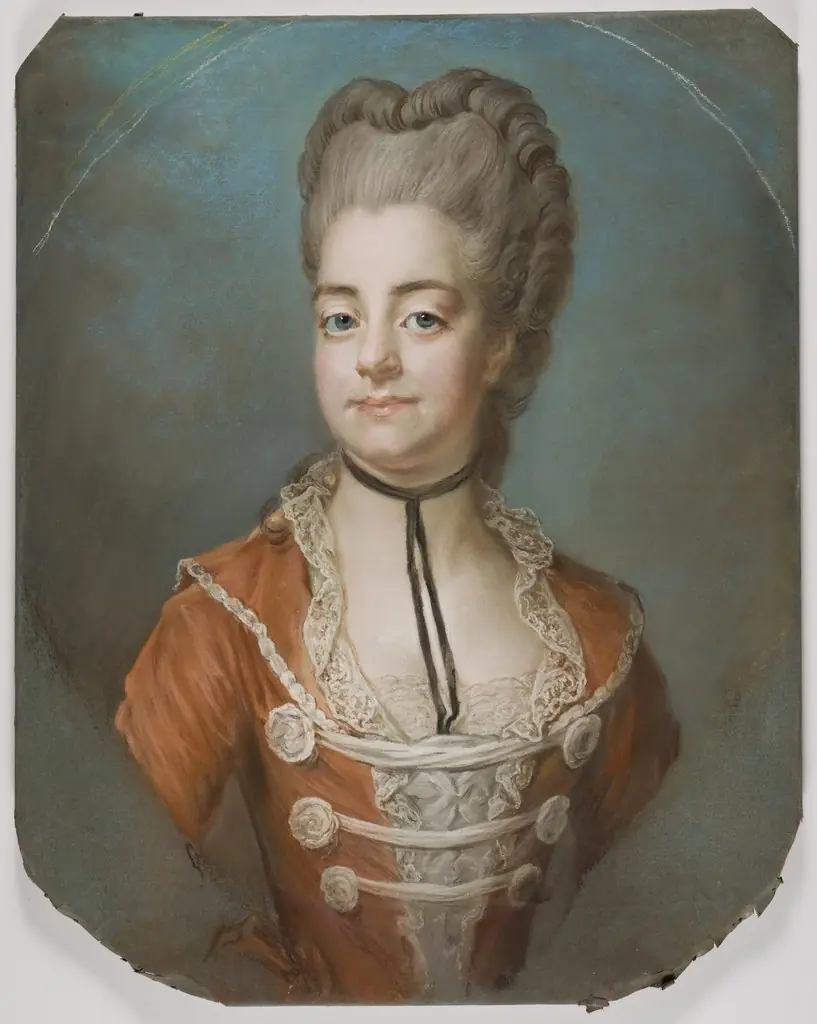 Christina Augusta von Fersen (1754-1846), countess, lady of the bedchamber of Sofia Magdalena, married to count Fredrik Adolf Löwenhielm
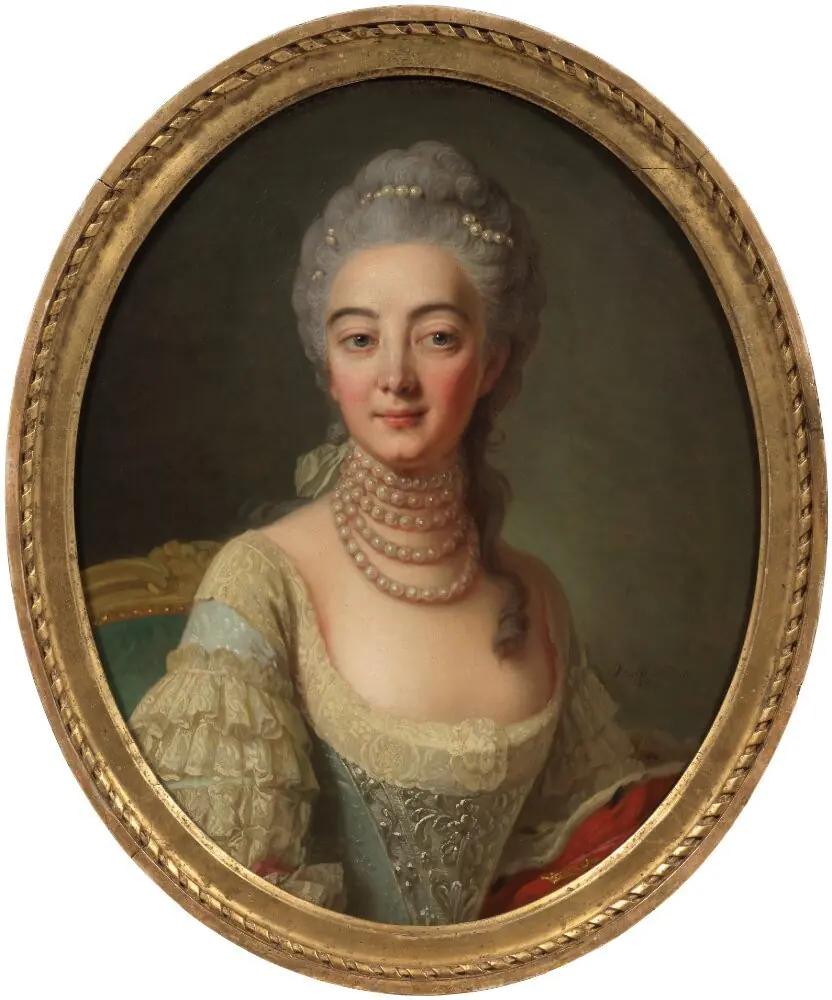 Elisabeth Frederike Sophie (1732–1780), Duchess of Württemberg
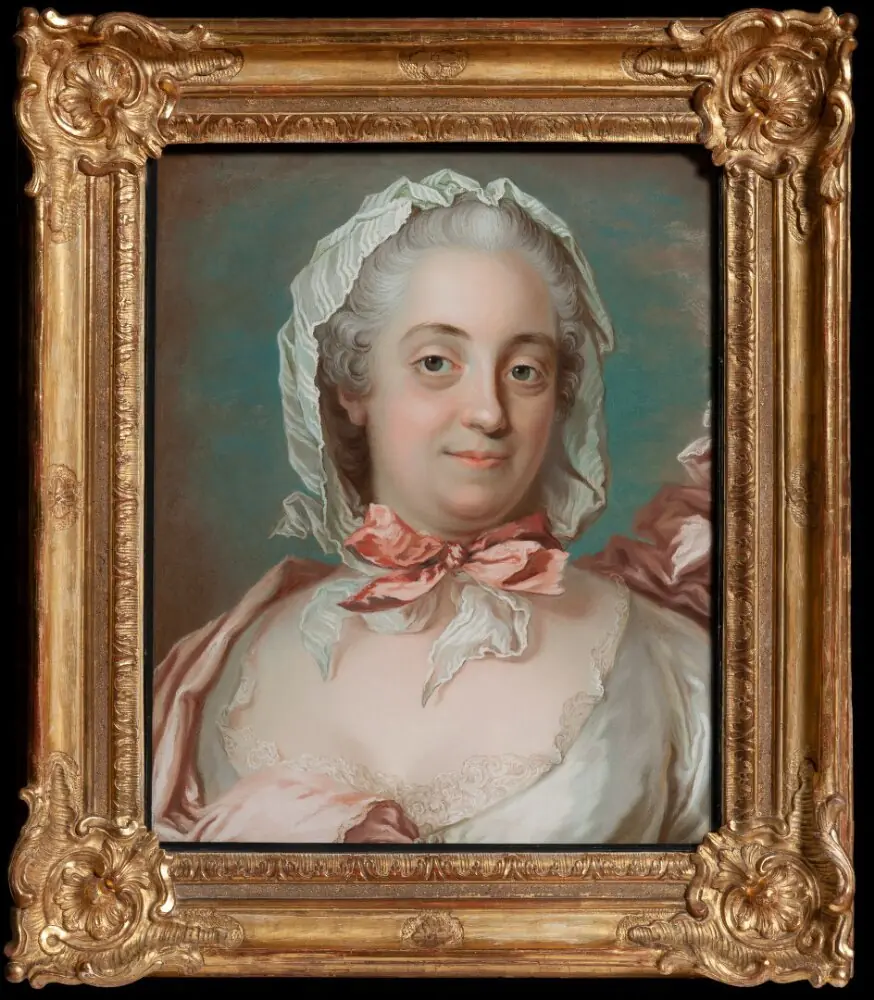 Anna Johanna Grill
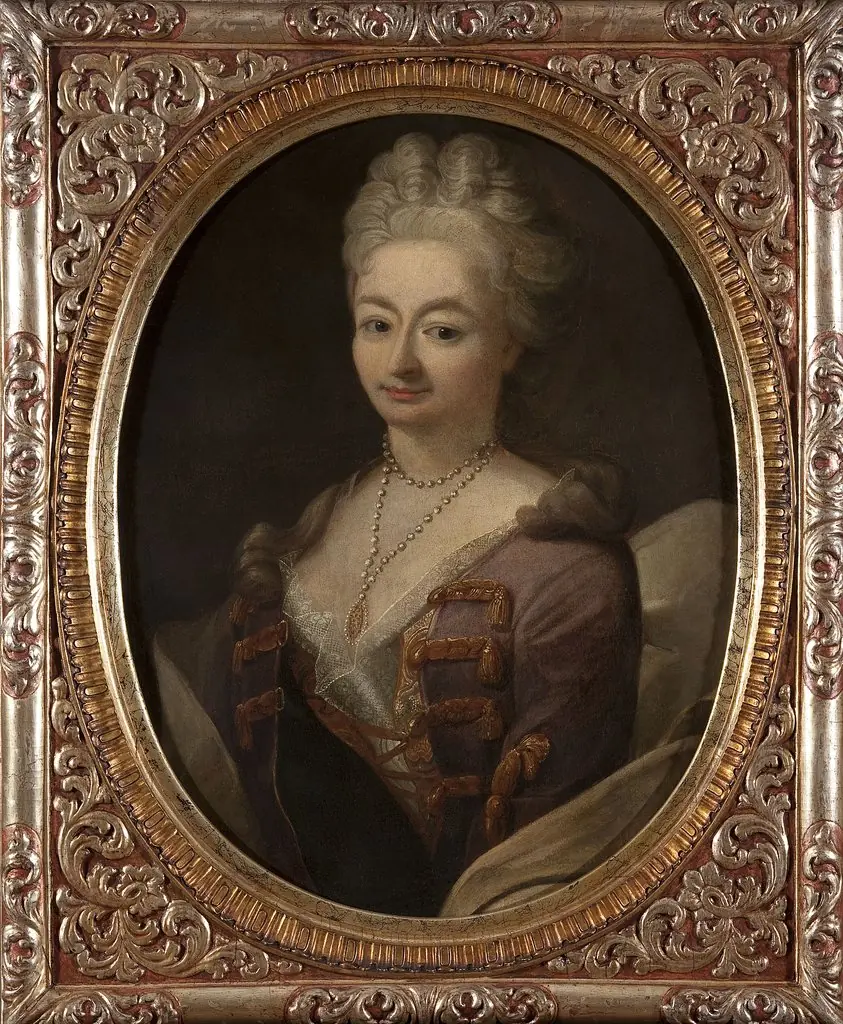 Portrait of Katarzyna Leszczyńska née Opalińska (1680–1747)
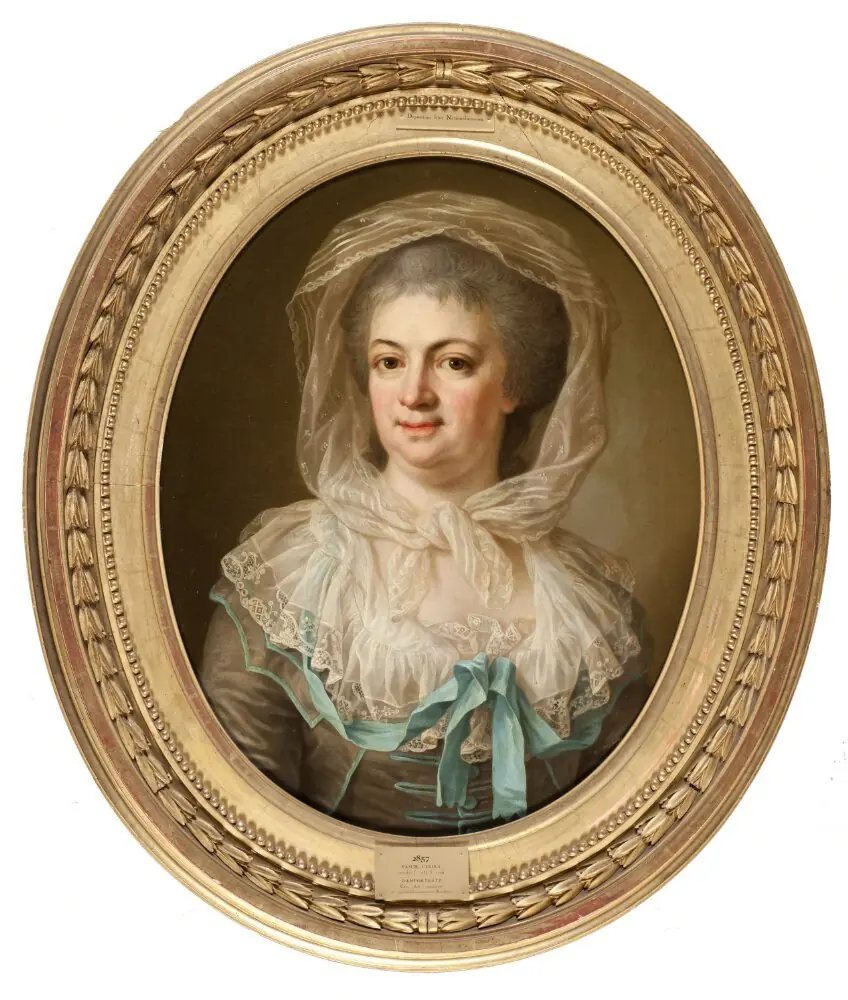 Portrait of a Lady
 Portrait of Elżbieta Potocka née Wielopolska