Artwork
Vapaaherratar Ulrica Fredrika Cedercreutz
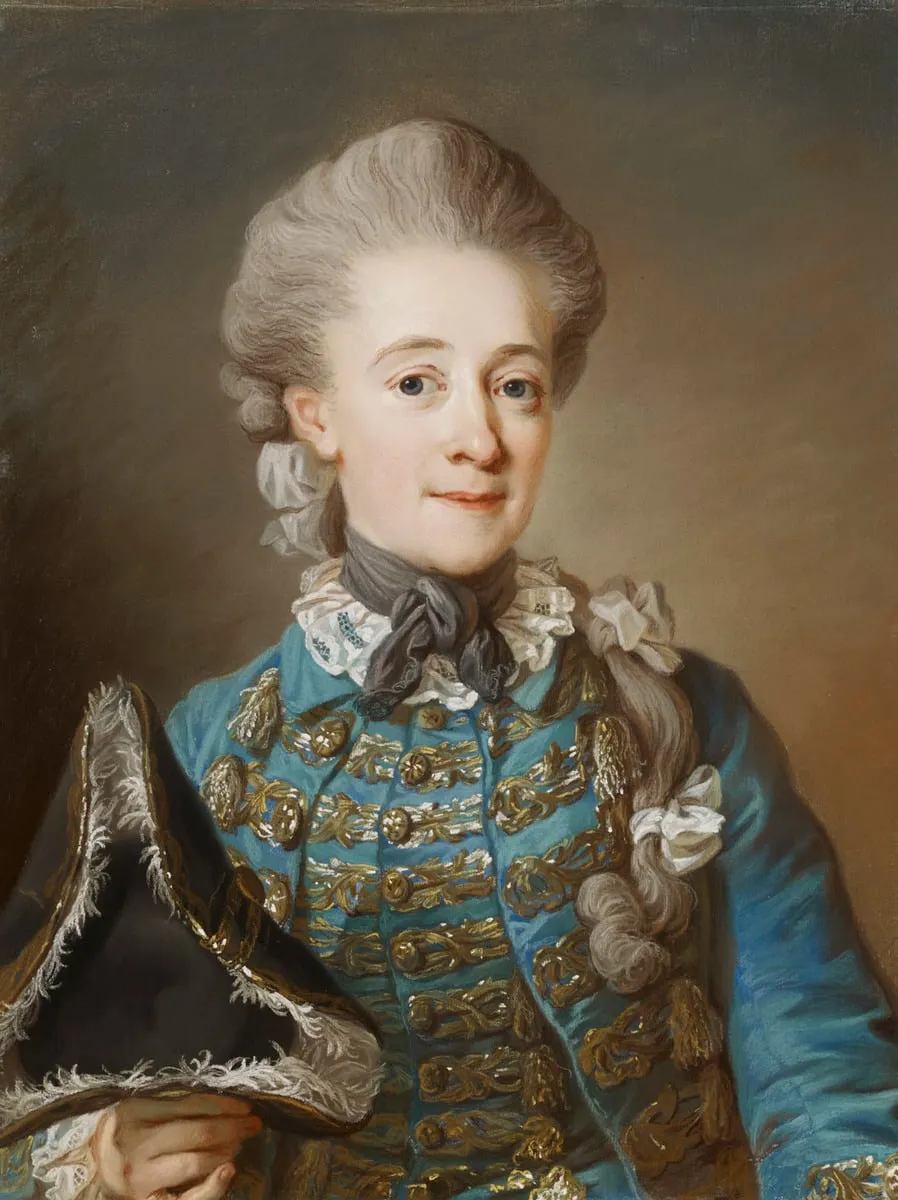
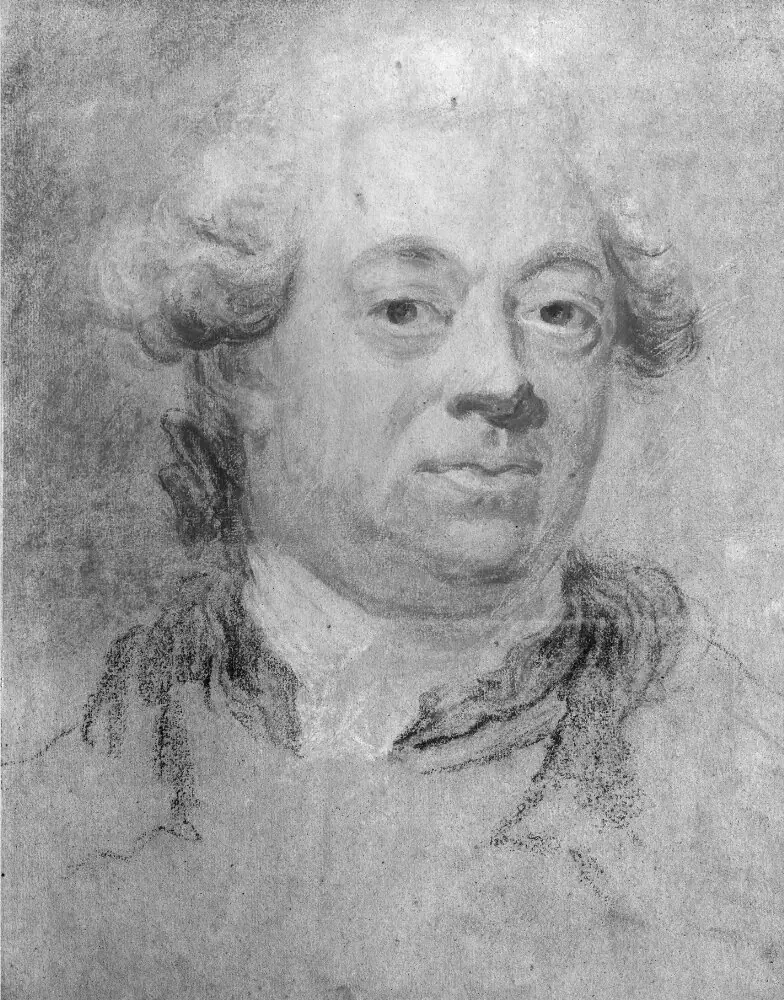
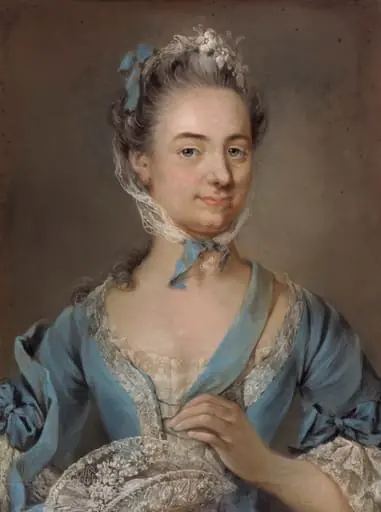
Vapaaherratar Ulrica Fredrika Cedercreutz is a drawing by Gustaf Lundberg. It is held in the collection of the Finnish National Gallery. This portrait depicts Ulrica Fredrika Cedercreutz, a Finnish noblewoman, rendered in pastel on paper.
About this work
Overview
This portrait depicts Ulrica Fredrika Cedercreutz, a Finnish noblewoman, rendered in pastel on paper. The medium, though uncommon for formal portraiture of the period, was chosen for its ability to produce delicate tonal transitions. The work belongs to a tradition of intimate, hand-held likenesses favored among European aristocracy in the late 18th century.
Subject & Meaning
Ulrica Fredrika Cedercreutz is portrayed in attire reflecting earlier fashion, suggesting a deliberate reference to tradition or personal identity rather than contemporary style. Her composed posture and restrained expression convey dignity, aligning with ideals of noble femininity. The choice of historical dress may signal familial heritage or a quiet resistance to fleeting trends.
Technique & Style
The artist employed pastel sticks to build soft gradients and subtle textures, avoiding sharp lines in favor of blended hues. Stippling appears in the rendering of fabric and hair, creating depth through minute dots and strokes. This method enhances the portrait’s gentle, almost ethereal quality, distinguishing it from more rigid oil portraits of the era.
History & Provenance
The drawing originates from Finland during the late 1700s, a time when Swedish cultural influence remained strong. It likely belonged to the Cedercreutz family before entering institutional collections. Its survival is notable, as pastel works on paper are fragile and often lost to light exposure or poor handling.
Context
Pastel portraiture was widely practiced in France and Italy but less common in the Nordic regions. Its use here reflects transnational artistic exchange and the elite’s access to continental techniques. The preference for historical costume also mirrors a broader European trend of romanticizing the past during the Enlightenment.
Legacy
The portrait stands as a rare surviving example of pastel work from Finnish aristocratic circles. It contributes to understanding how Nordic elites engaged with broader European artistic practices. Its preservation offers insight into the material culture and aesthetic values of a small but influential social class.
Artist & collection
Artist
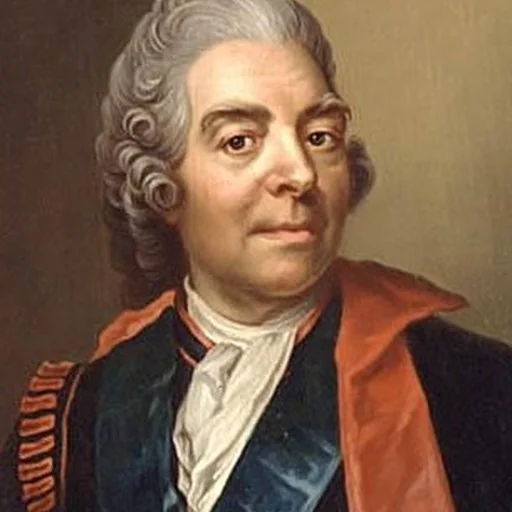
Gustaf Lundberg (17 August 1695 – 18 March 1786) was a Swedish rococo pastelist and portrait painter. He trained and worked in Paris and later was appointed court portrait painter in Stockholm.

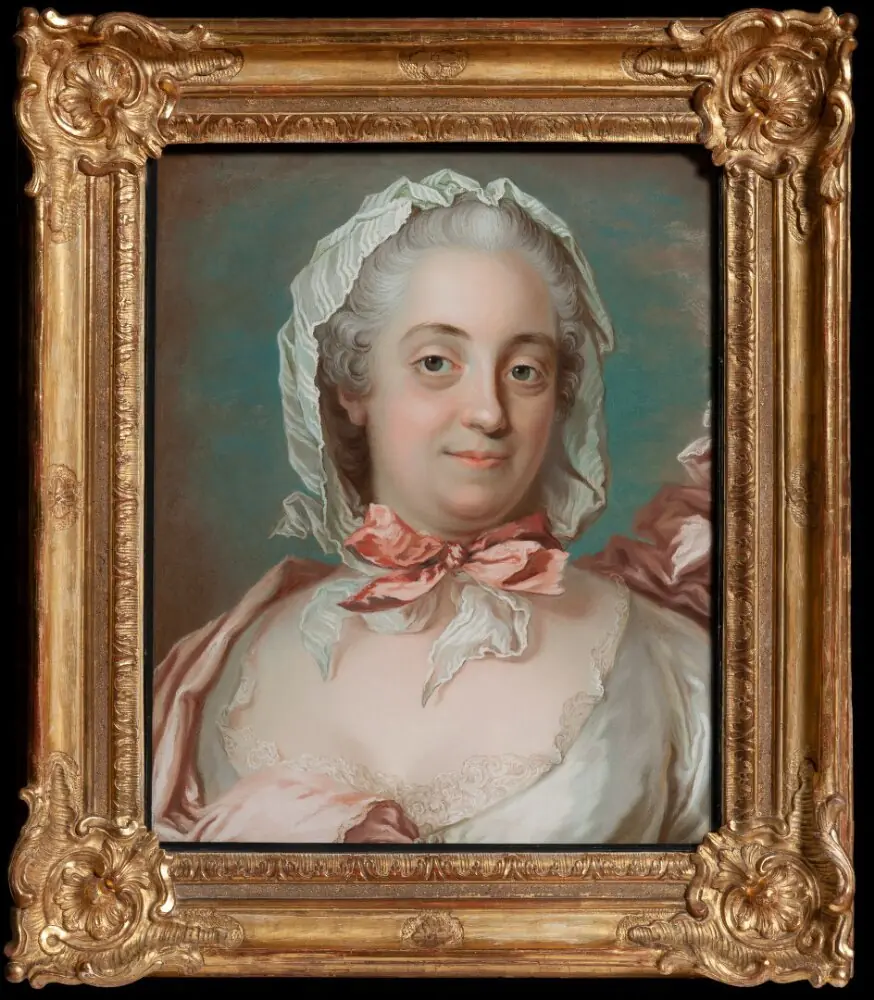
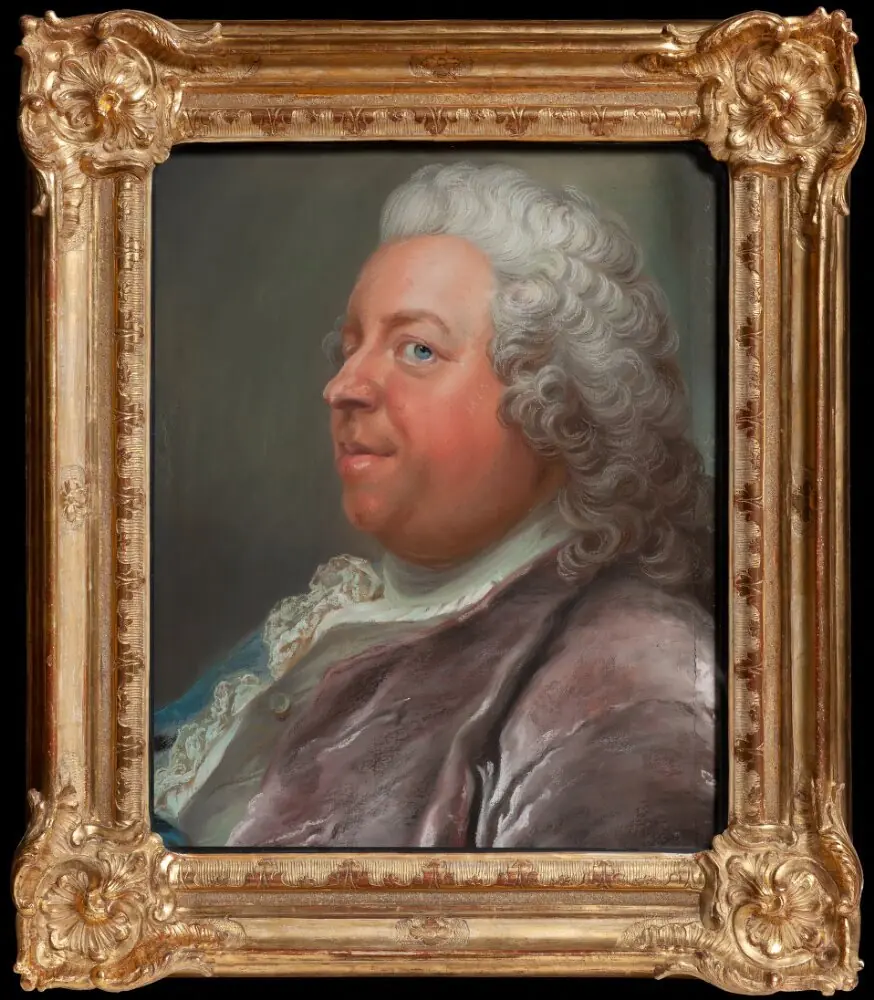
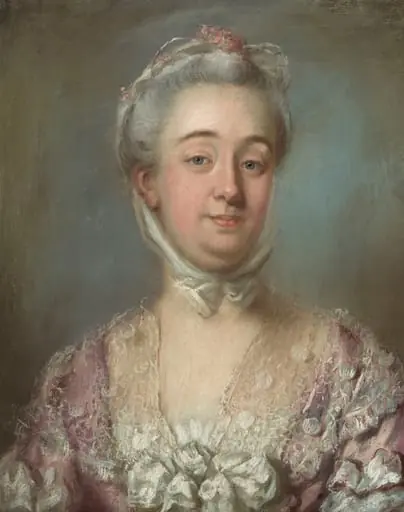
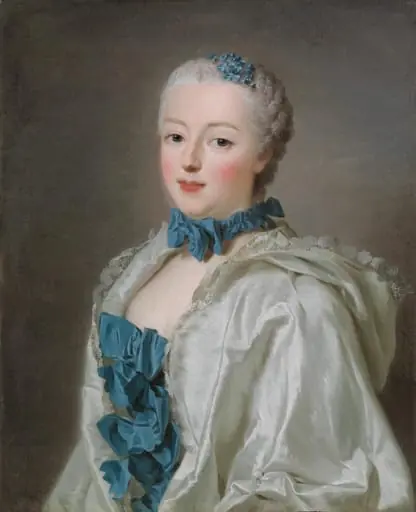 Françoise Marguerite de Sévigné, Grignanin kreivitär
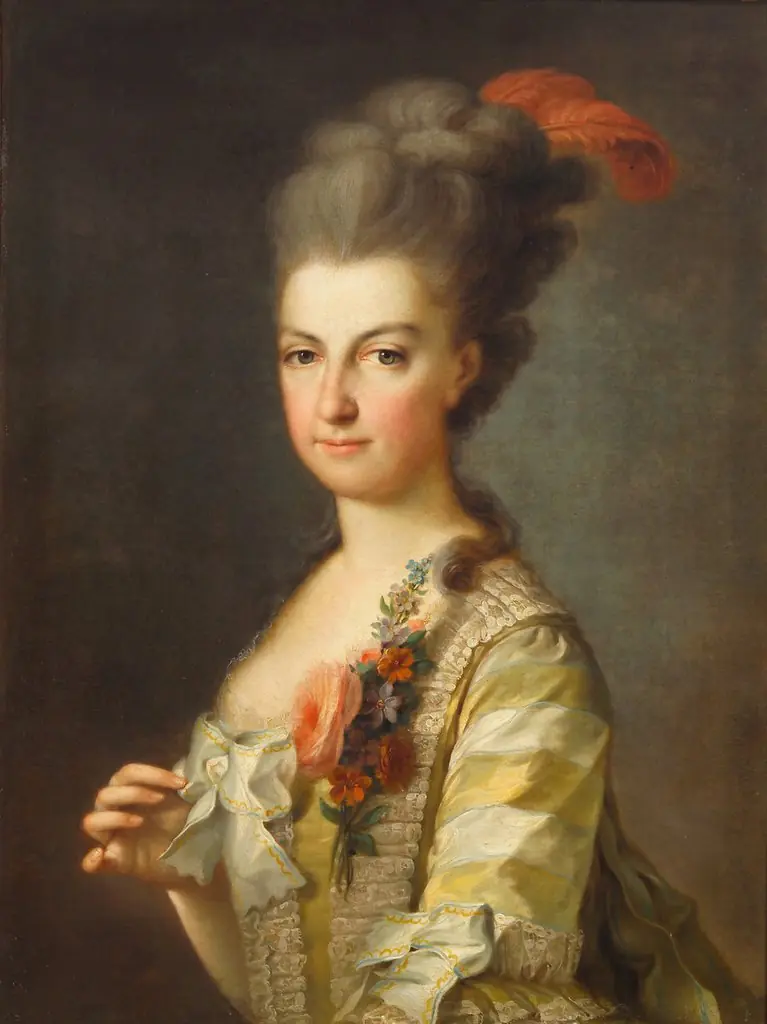 Erzherzogin Maria Christine (1742-1798), Herzogin von Sachsen - Teschen, in gestreiftem Seidenkleid, Halbfigur
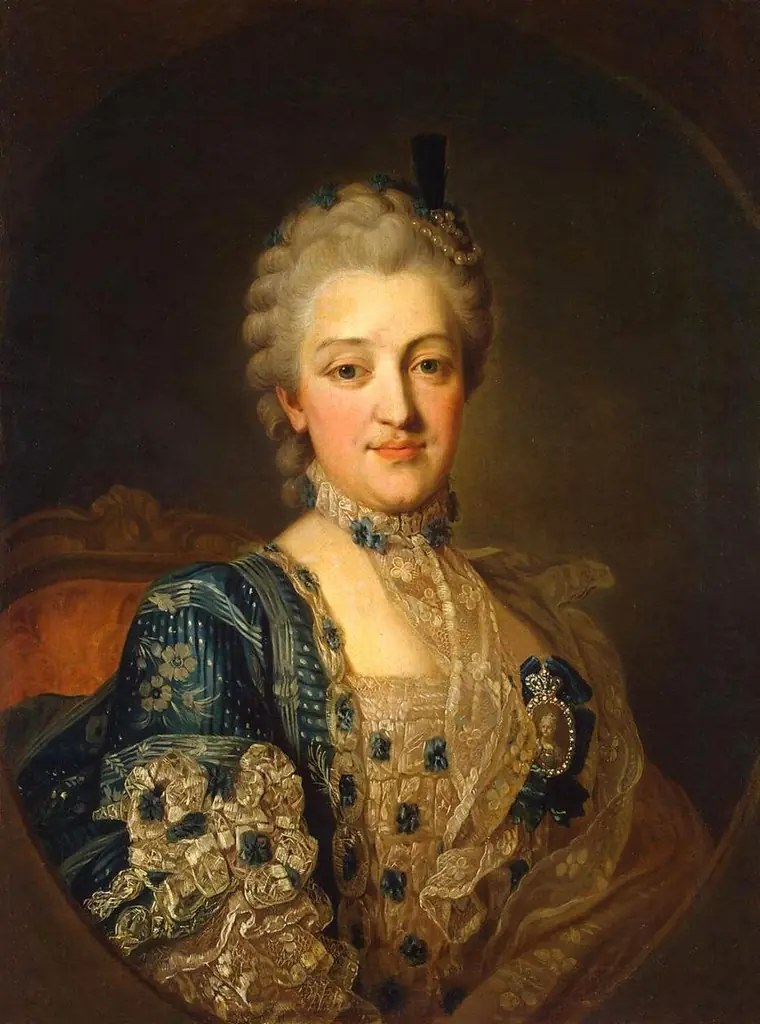 Portrait of Natalia Alexandrovna Repnina
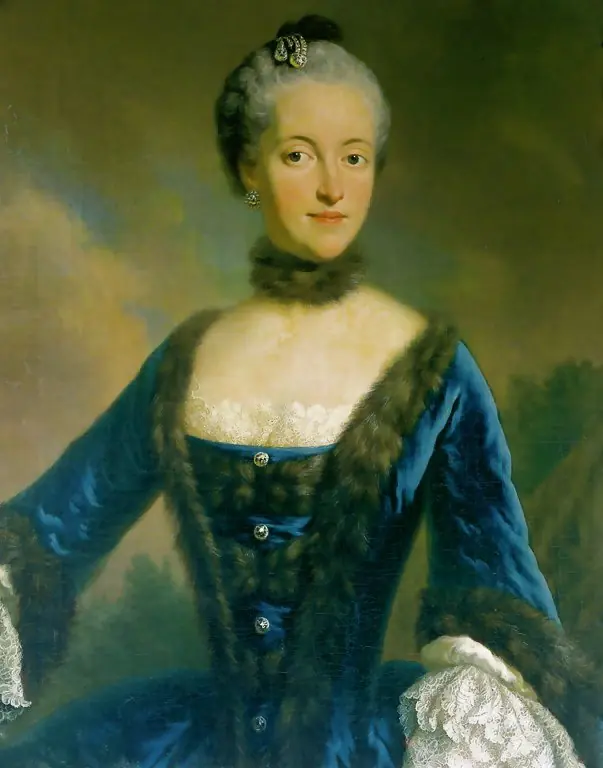 Portrait of Maria Josepha of Bavaria (1739-1767)
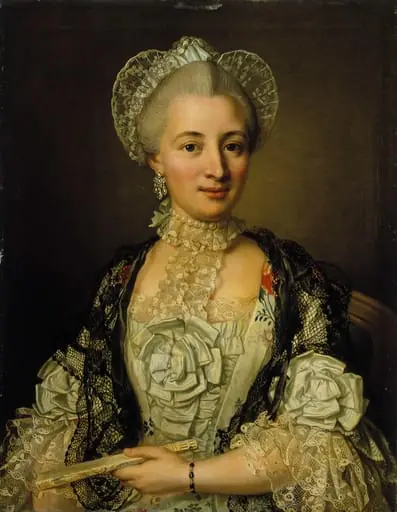 Naisen muotokuva
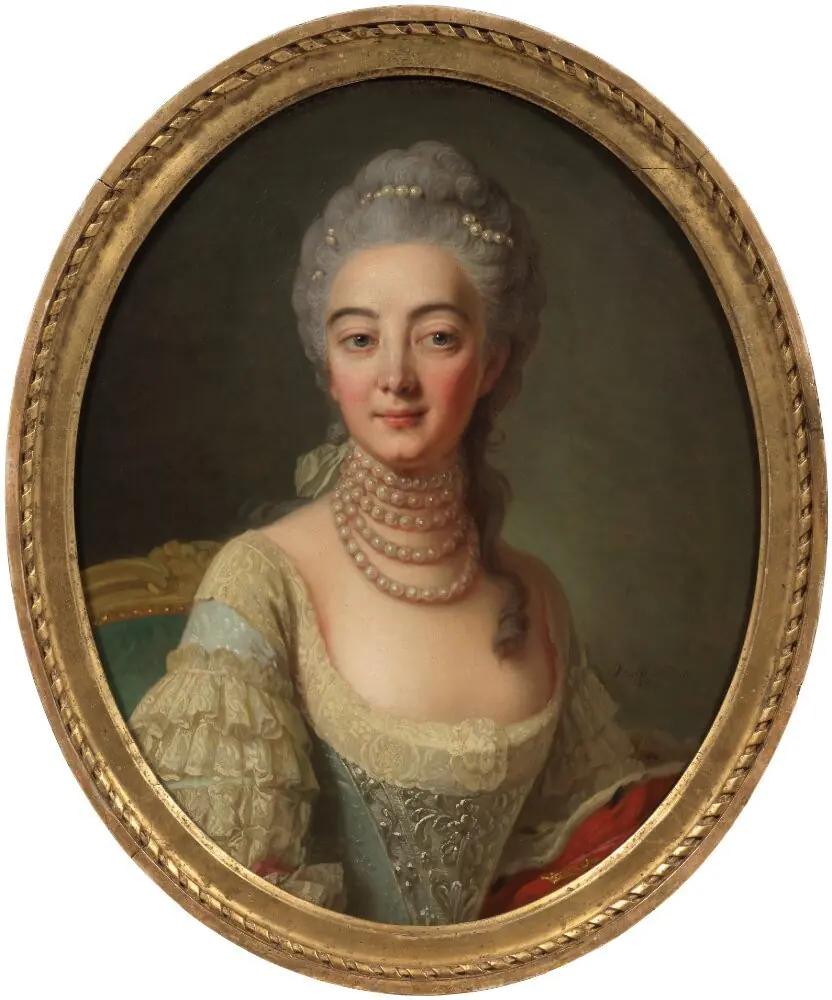 Elisabeth Frederike Sophie (1732–1780), Duchess of Württemberg
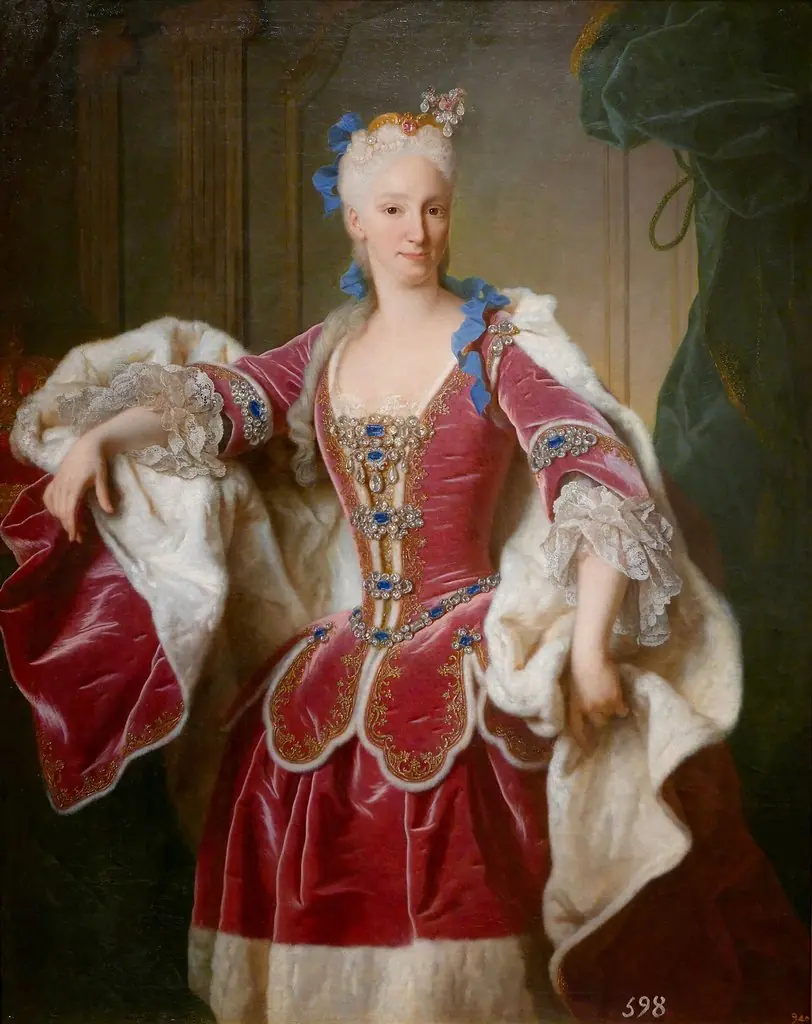 Elisabeth Farnese, Queen of Spain