Artwork
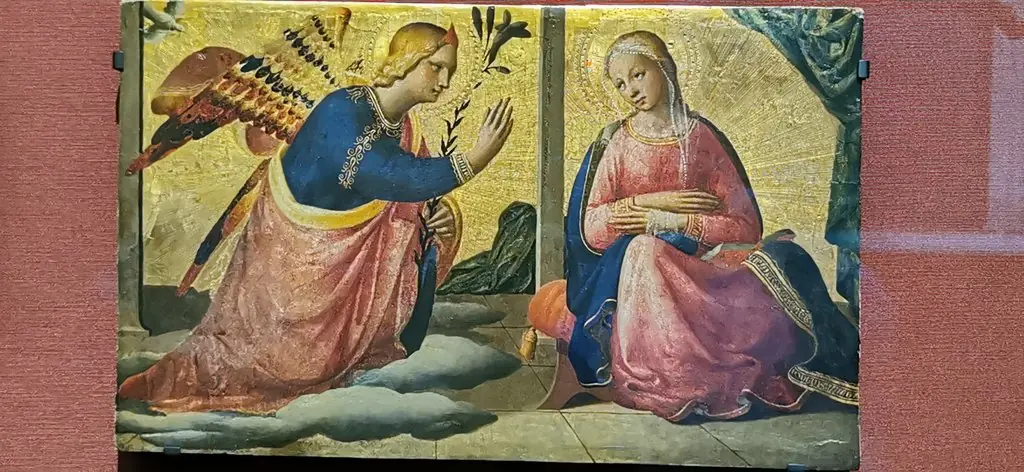
angelo annnunciante e vergine annunciata
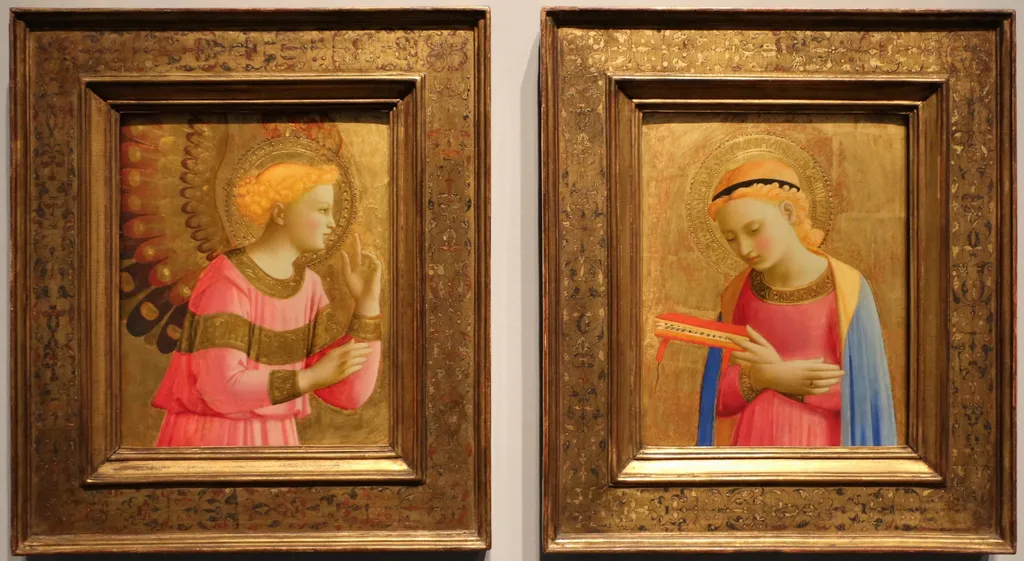
angelo annnunciante e vergine annunciata is an unspecified painting by the Early Renaissance artist Fra Angelico. It is held in the collection of the Detroit Institute of Arts.
About this work
Overview
Created in the early 15th century, it reflects the devotional priorities of Dominican spirituality and the emerging naturalism of the Florentine Renaissance.
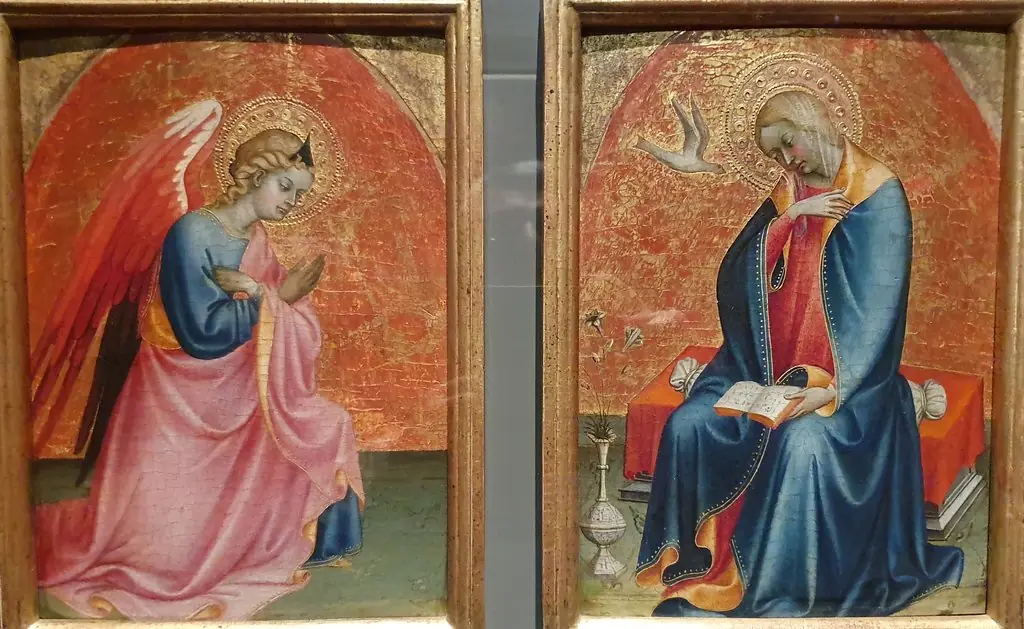
This small panel painting by Fra Angelico presents two angels from the Annunciation scene, each isolated in their own framed space. Created in the early 15th century, it reflects the devotional priorities of Dominican spirituality and the emerging naturalism of the Florentine Renaissance. The work is part of the Detroit Institute of Arts collection, where it serves as an example of intimate religious imagery from a period when art was deeply tied to prayer and contemplation.
Subject & Meaning
The painting captures two angels associated with the Annunciation, though neither is the archangel Gabriel nor the Virgin Mary. Their clasped hands and serene expressions suggest a moment of quiet reverence, perhaps representing celestial witnesses to the divine message. The absence of the central figures shifts focus to the spiritual atmosphere surrounding the event, emphasizing contemplation over narrative drama, in keeping with monastic ideals of inner devotion.
Technique & Style
Fra Angelico employs tempera on panel with delicate brushwork and luminous color, characteristic of early Renaissance devotional art. The angels’ robes are rendered with subtle gradations of pink, gold, and blue, while their halos are gilded to suggest divine presence. The warm golden background enhances the stillness of the scene, avoiding perspective depth in favor of a flat, sacred space that invites meditation rather than illusionistic realism.
History & Provenance
The painting likely originated as part of a larger altarpiece or devotional ensemble in a Dominican convent, possibly connected to San Marco in Florence. Its small scale suggests private use, perhaps for personal prayer. It entered the Detroit Institute of Arts collection in the 20th century, having passed through European private holdings before its acquisition. Its survival in relatively intact condition is uncommon for works of this period.
Context
Created during the height of Florentine Renaissance humanism, this work resists secular trends by prioritizing spiritual stillness over anatomical precision or architectural setting. It aligns with the Dominican emphasis on humility and contemplation, contrasting with the more theatrical Annunciations of contemporaries. The use of gold and restrained color reflects liturgical aesthetics, where visual simplicity served theological clarity.
Legacy
Fra Angelico’s approach influenced later religious painters through his fusion of serene composition and devotional intensity. Though not widely exhibited, this panel exemplifies how early Renaissance art could convey sacred meaning without grandeur. Its quiet dignity continues to inform scholarly understanding of how monastic communities engaged with visual spirituality in the 15th century.
Artist & collection
Artist
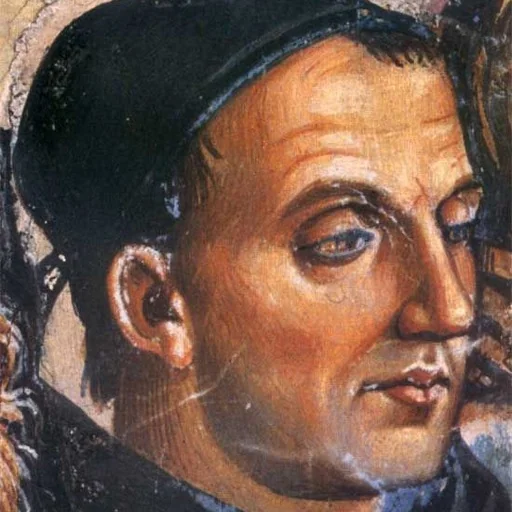
Fra Giovanni da Fiesole (born Guido di Pietro; c. 1395 – 18 February 1455), known posthumously as Fra Angelico ( FRAH an-JEL-ik-oh, Italian: ), was an Italian Dominican friar and painter active during the early…

 Díptico da Anunciação
 Mary of the Annunciation
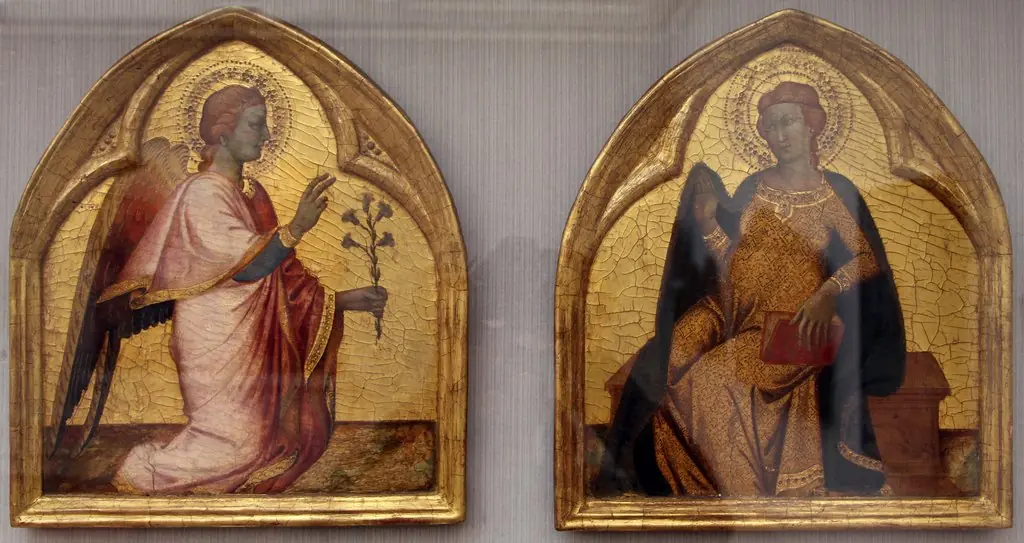 Angel of the Annunciation
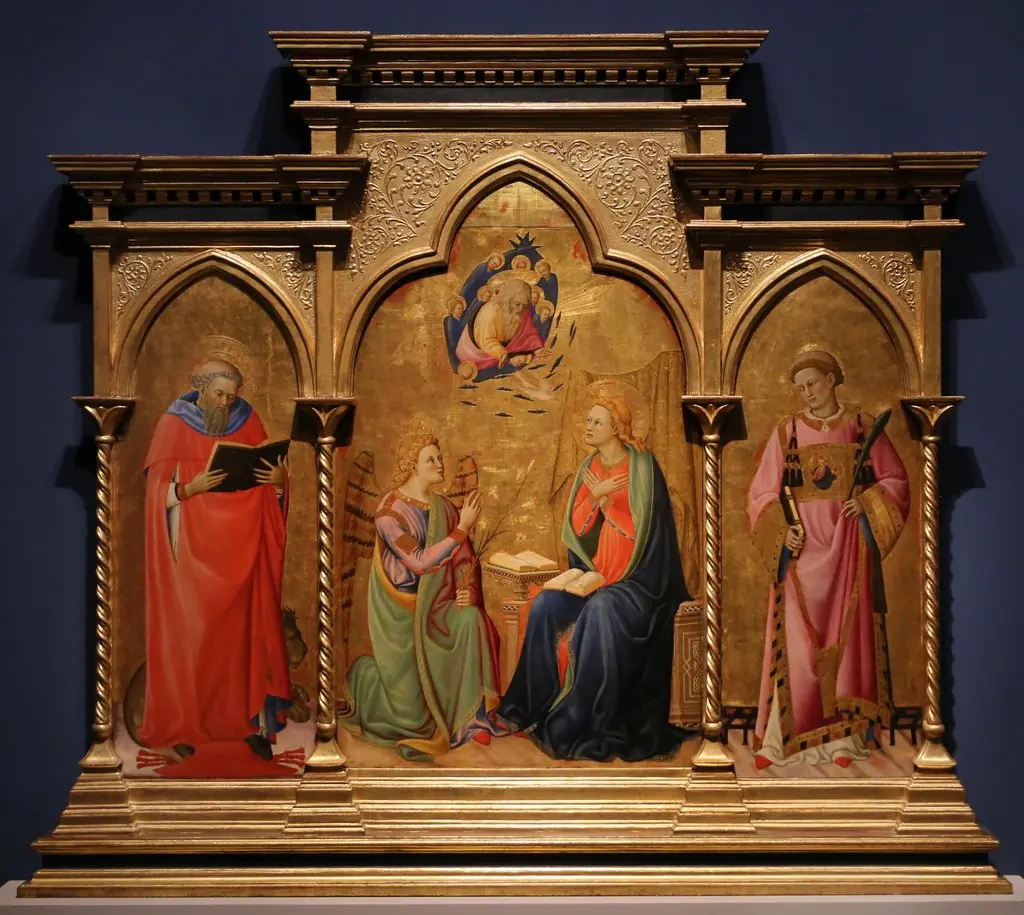 Parts of a triptych: Annunciation and saints Jerome and Lawrence
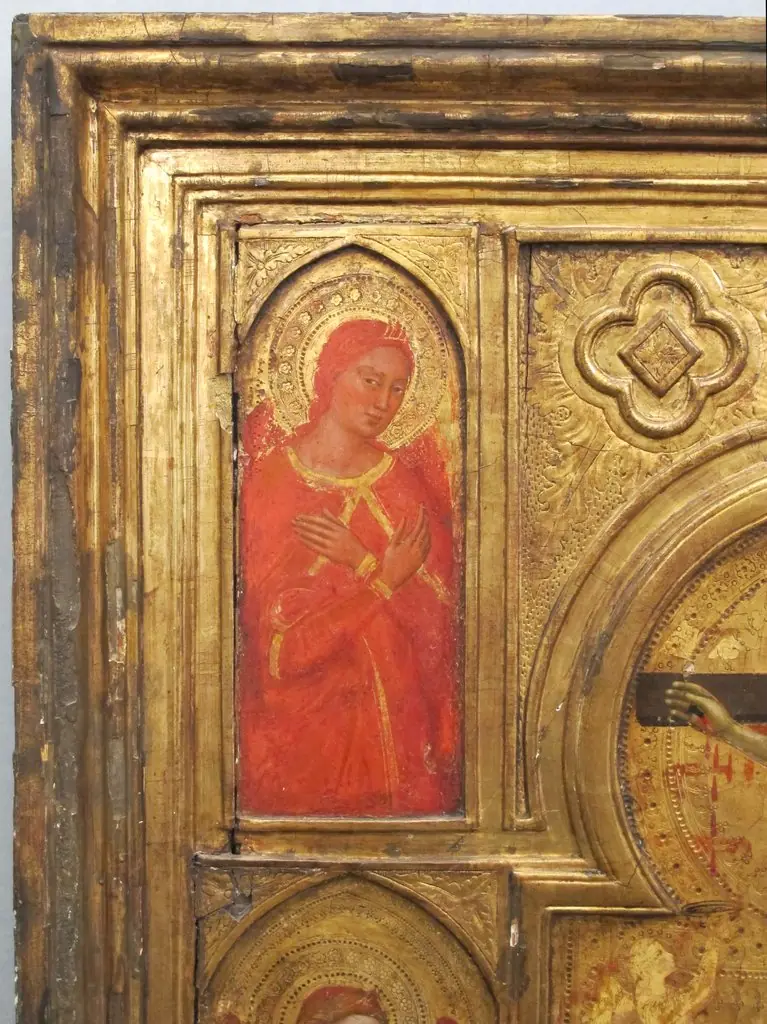 Six Angels
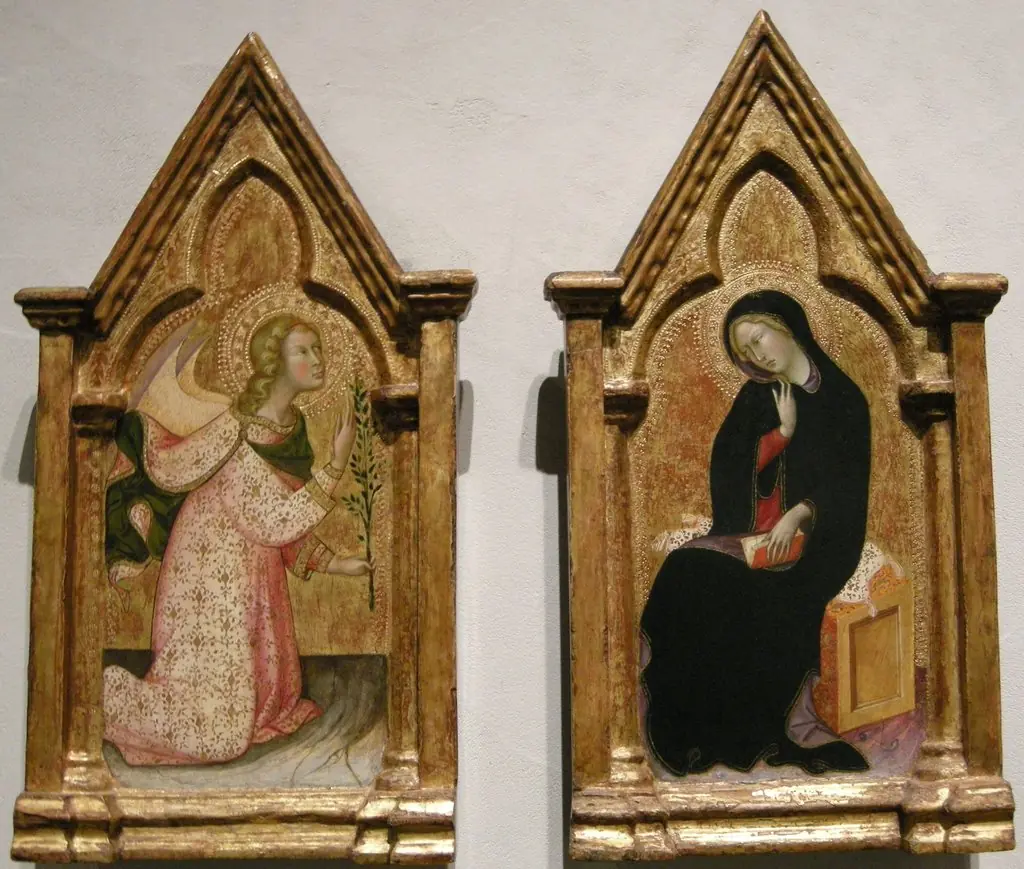 Untitled
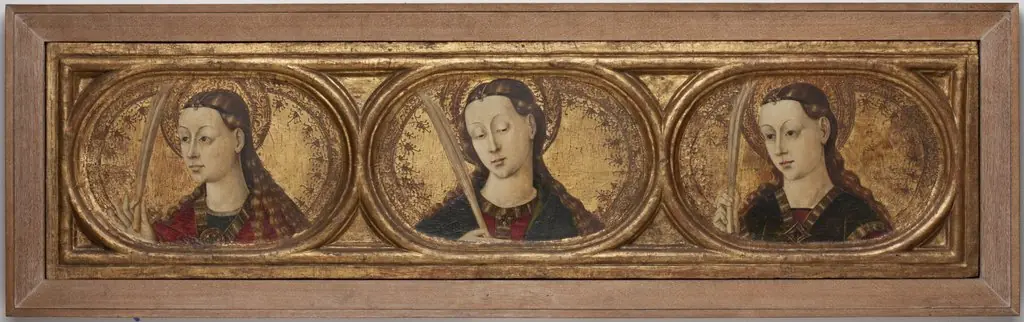 Three Virgin Martyrs
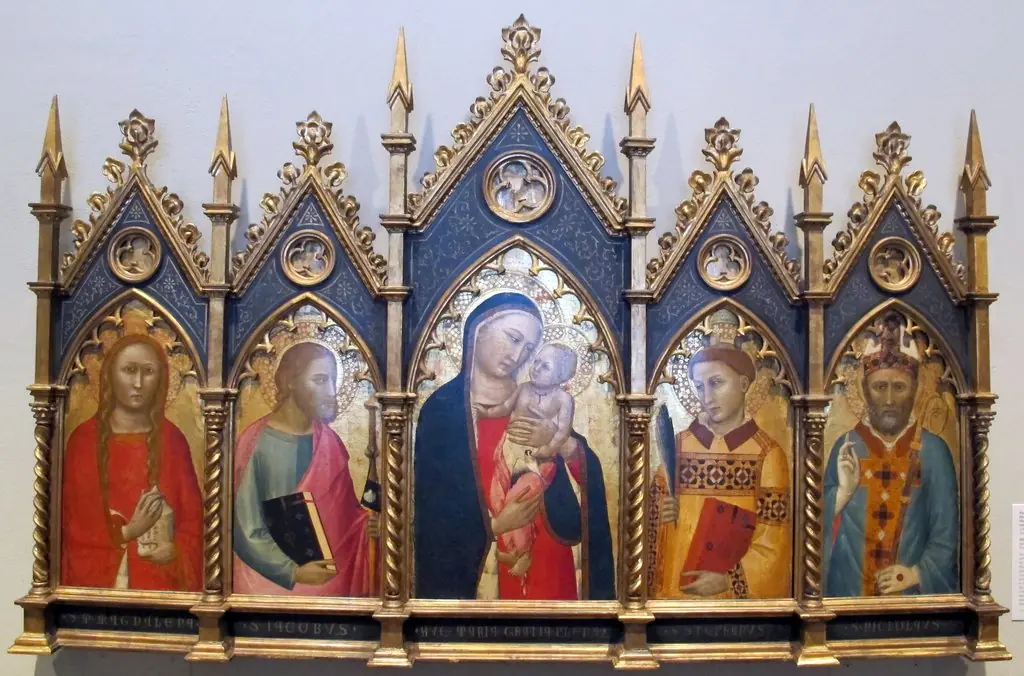 Virgin and Child, with Saints Mary Magdalene, James Major, Stephen, and a Bishop Saint
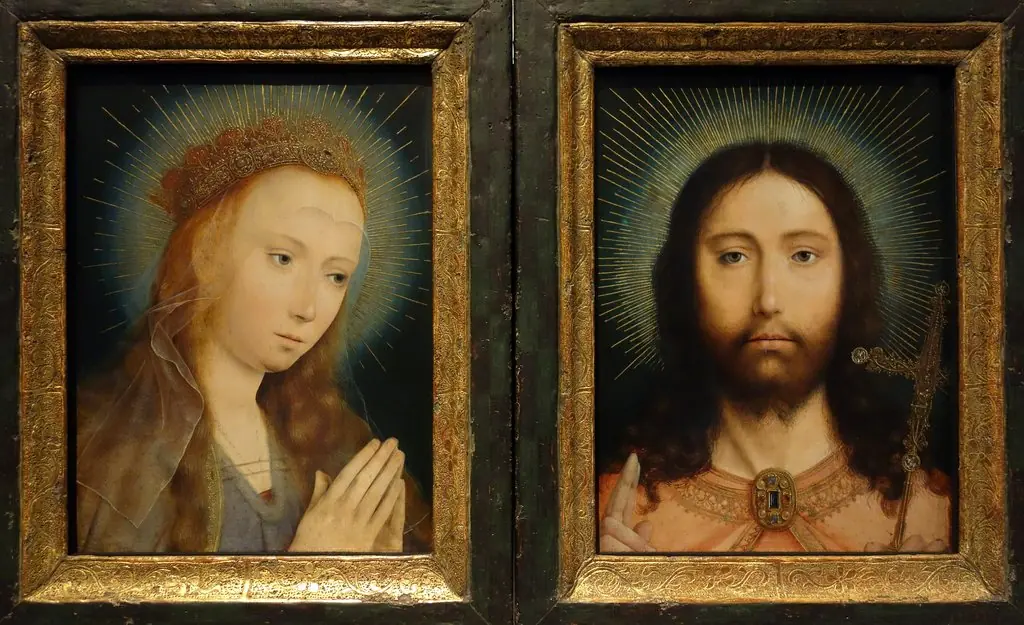 Christ Salvator Mundi and Mary at Prayer
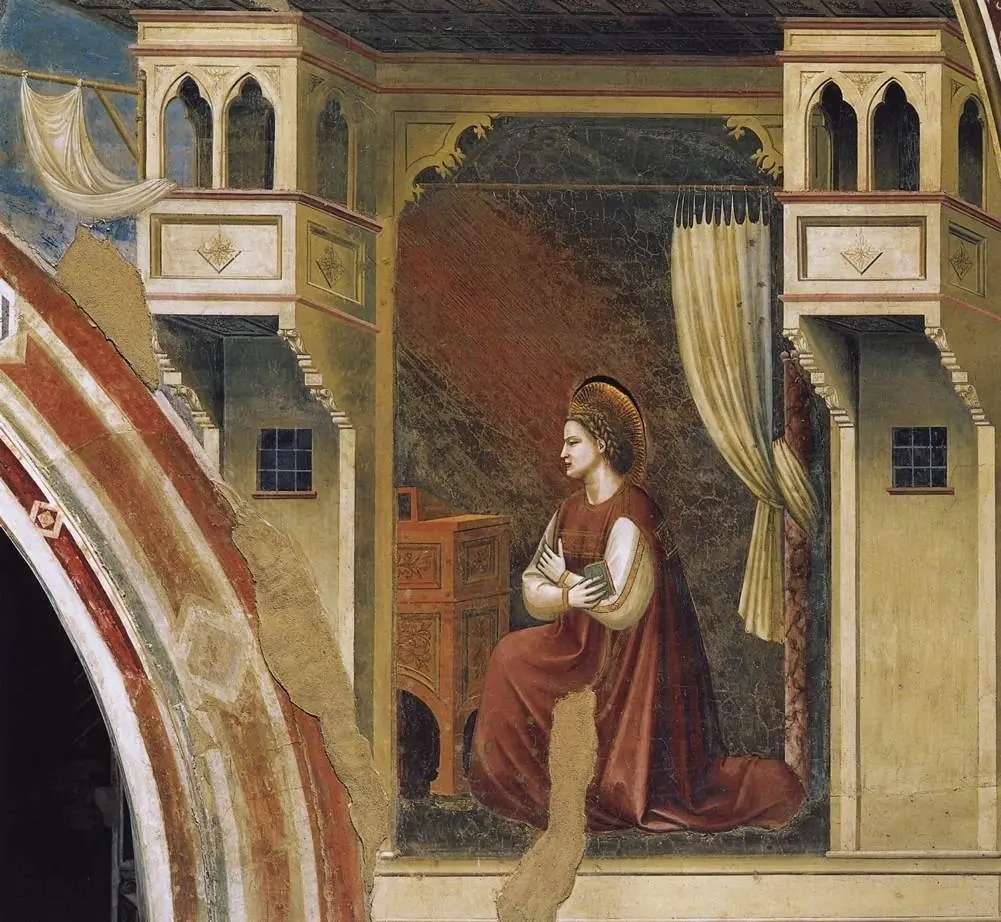 The Virgin of the Annunciation
 Annunciation
 Madonna del Parto