Artwork
Guy Little Theatrical Photograph
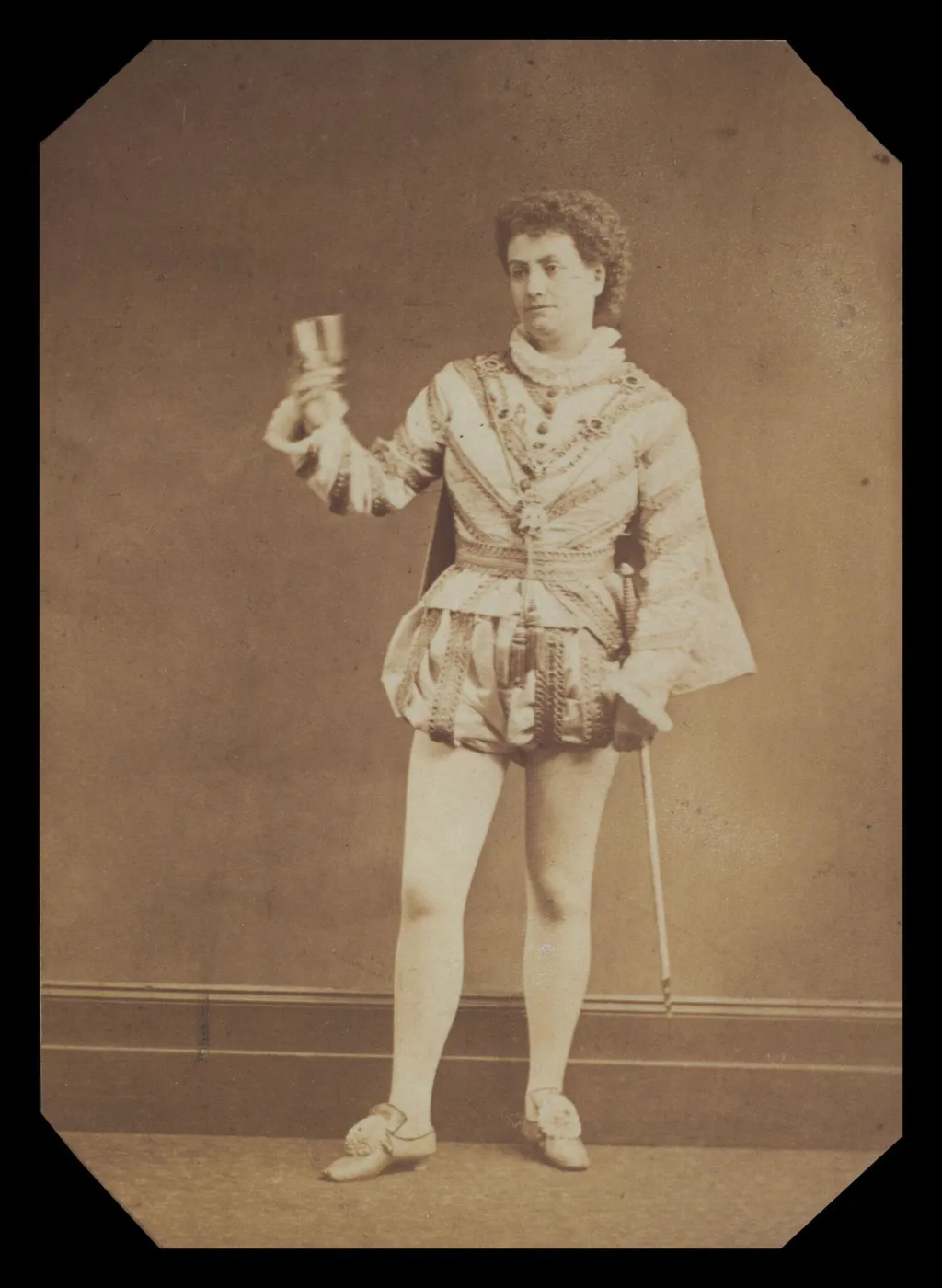
Guy Little Theatrical Photograph is a photographic photography by Fradelle & Marshall. It dates from 1850 and is held in the collection of the Victoria and Albert Museum.
About this work
This photograph is from the late 19th century. It's a work by Fradelle & Marshall.
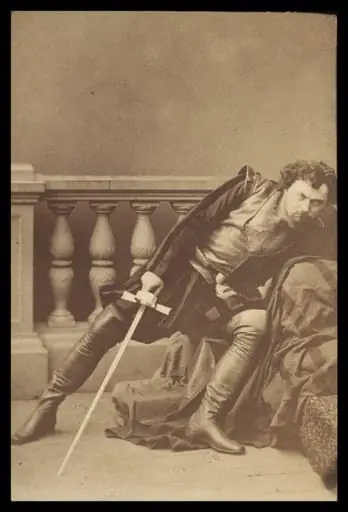
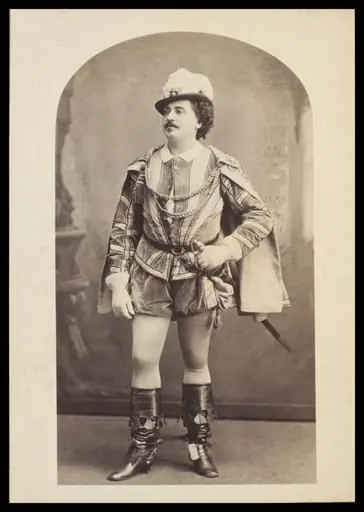
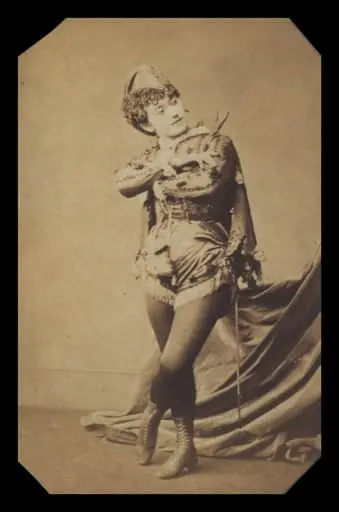
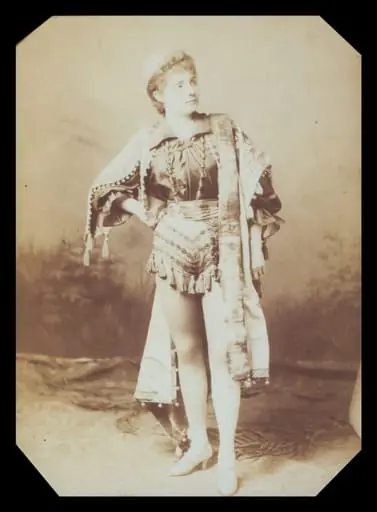
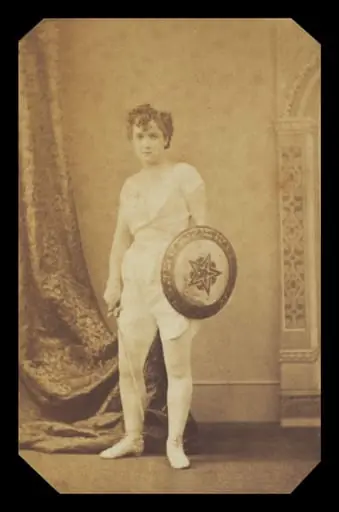
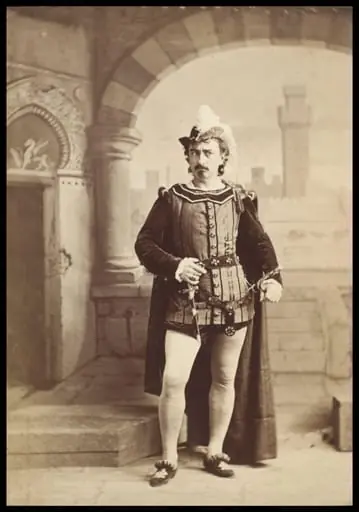
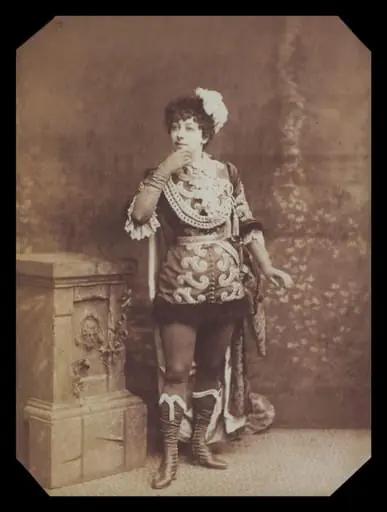
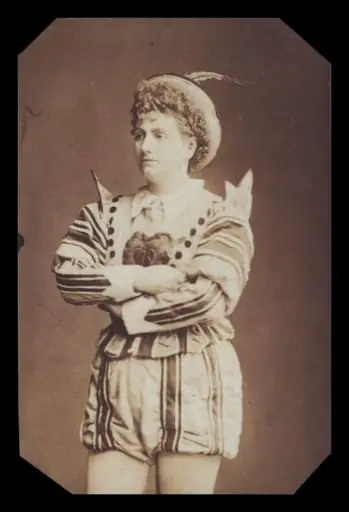
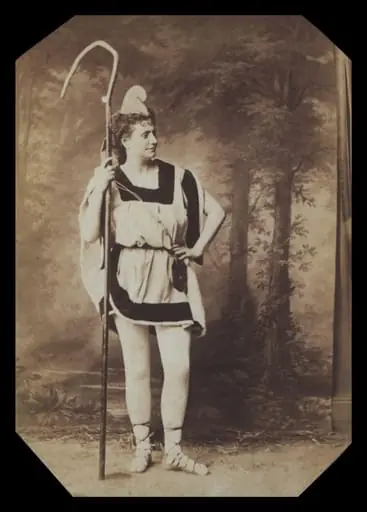
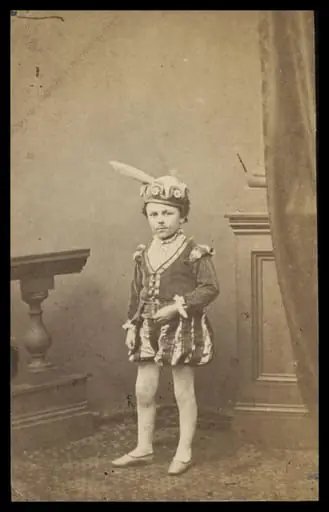
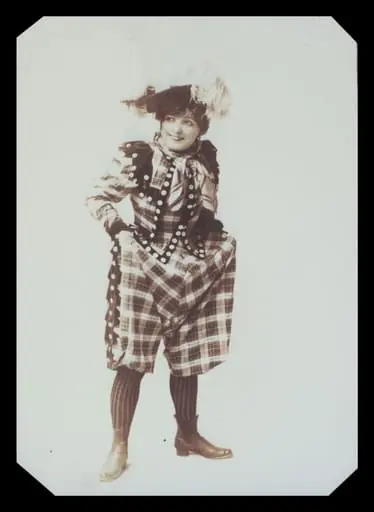
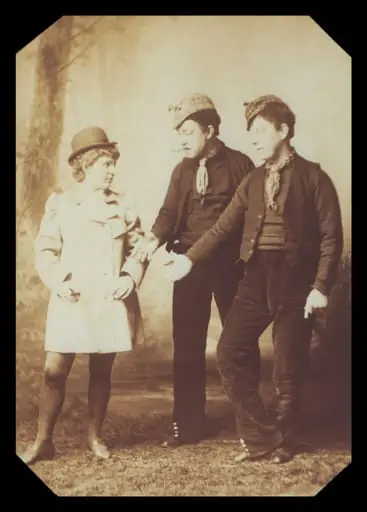
The photo shows Rose Bell in character, which was a common practice back then. Actors and actresses would have studio photographs taken to create 'cartes de visite' or 'cabinet cards', which were popular collectibles.
You can learn more about the work of the artist: Fradelle & Marshall.
Overview
It belongs to a collection assembled by Guy Tristram Little, a solicitor and avid collector of ephemera, who bequeathed his holdings to the V&A.
This photograph, taken by Fradelle & Marshall, captures actress Rose Bell in a theatrical role. It belongs to a collection assembled by Guy Tristram Little, a solicitor and avid collector of ephemera, who bequeathed his holdings to the V&A. The image is an albumen print mounted on card, typical of late 19th-century studio portraiture, and was likely produced as a cabinet card, reflecting the period’s shift from smaller cartes de visite.
Subject & Meaning
Rose Bell is depicted not as herself but in character, a standard practice for actors seeking to market their stage personas. These images served as both promotional tools and personal mementos, allowing audiences to connect with performers beyond the theater. The pose and costume suggest a specific role, reinforcing the actor’s public identity and the growing cultural fascination with celebrity in the Victorian era.
Technique & Style
The photograph is an albumen print made from a glass negative, mounted on a sturdy card backing bearing the photographer’s imprint. Fradelle & Marshall employed controlled studio lighting and formal composition, typical of commercial portrait studios of the time. The detail in fabric and expression reflects technical proficiency, while the rigid posture aligns with the conventions of staged photography rather than candid realism.
History & Provenance
The image was part of a larger assemblage of theatrical photographs collected by Guy Tristram Little, who removed them from their original mounts and organized them into albums. Little, a partner in a London law firm, was also the executor of Gabrielle Enthoven’s estate, whose theatrical memorabilia became foundational to the V&A’s Theatre Collections. The photograph entered the museum through his 1953 bequest.
Context
During the late 1800s, cabinet cards replaced cartes de visite as the preferred format for theatrical portraits, offering greater detail and durability. Their production coincided with rising literacy, urbanization, and the commercialization of celebrity. Photographs like this one circulated widely, enabling the public to collect and display images of favorite performers, blurring lines between art, commerce, and personal fandom.
Legacy
Little’s collection preserved a vast archive of theatrical imagery that might otherwise have been lost. His systematic curation, alongside Enthoven’s earlier efforts, established a critical resource for studying performance history. This photograph, once a commercial product, now contributes to scholarly understanding of Victorian stage culture and the material life of theater.
Artist & collection
Artist