Artwork
Guy Little Theatrical Photograph
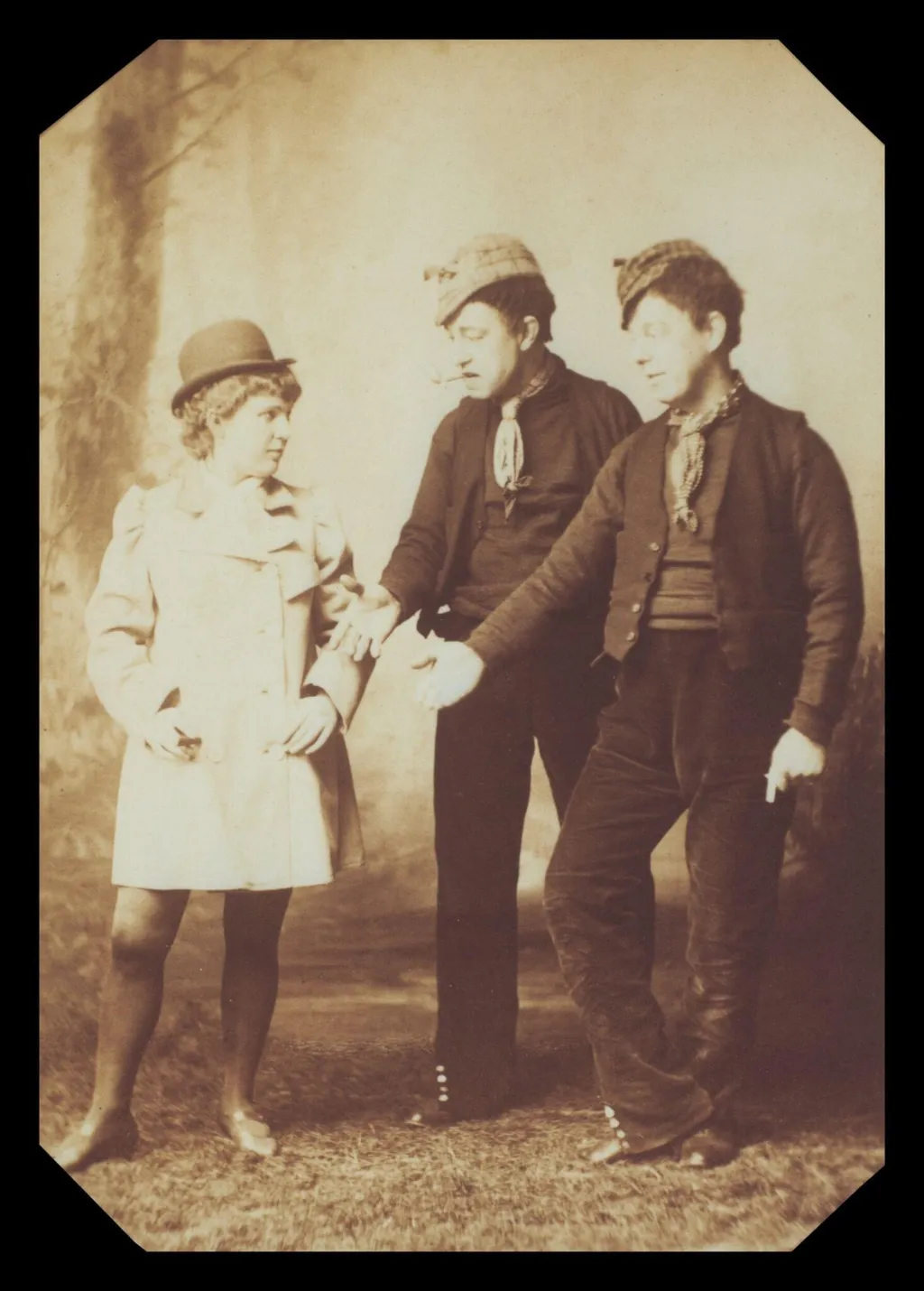
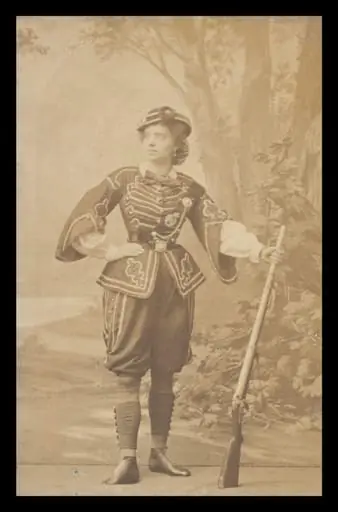
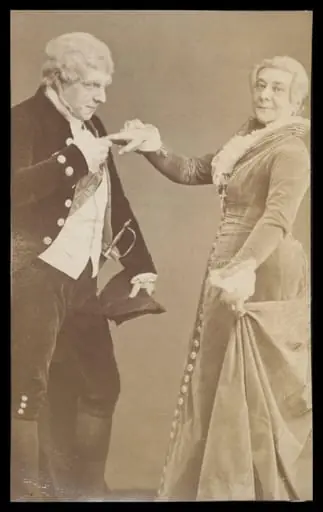
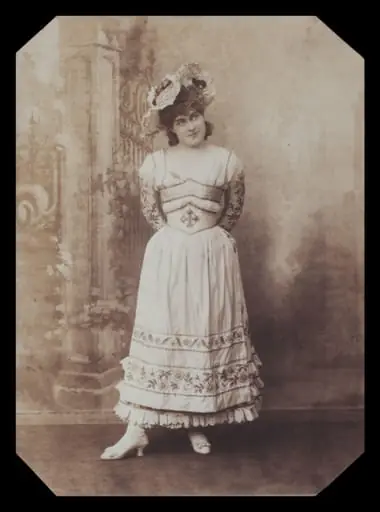
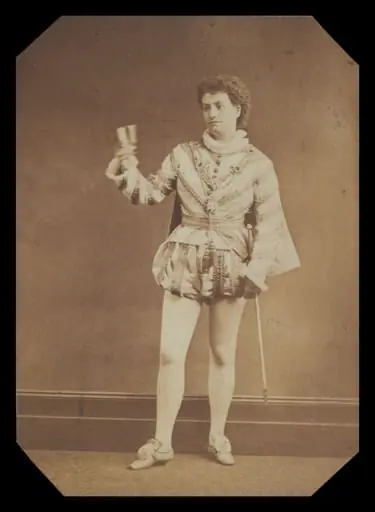
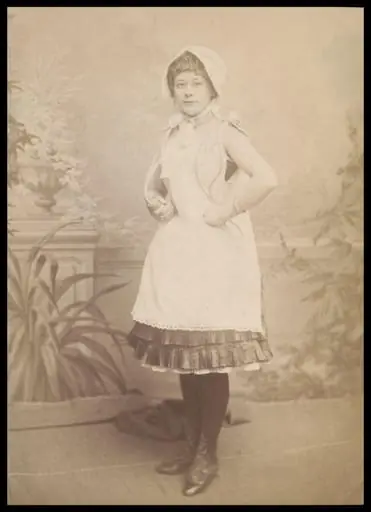
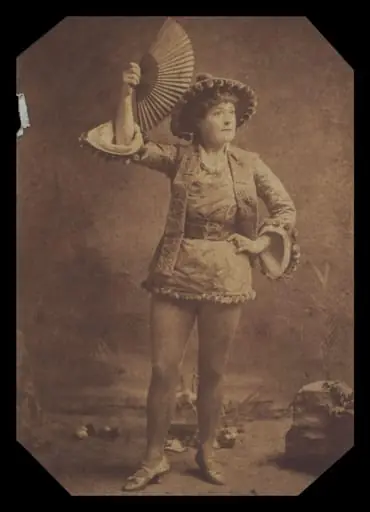
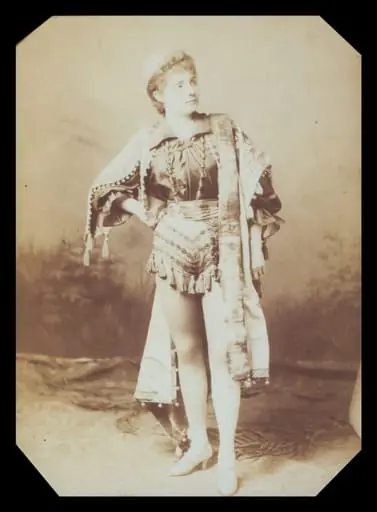
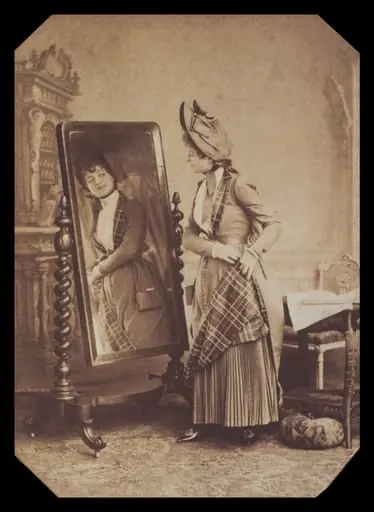
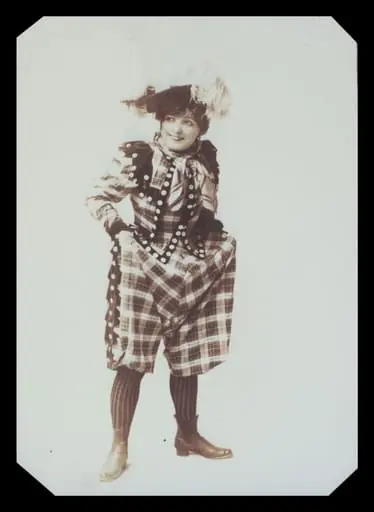
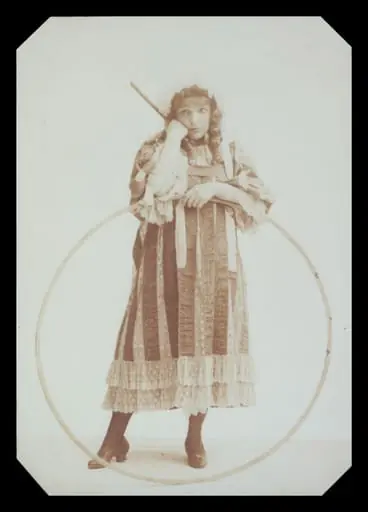
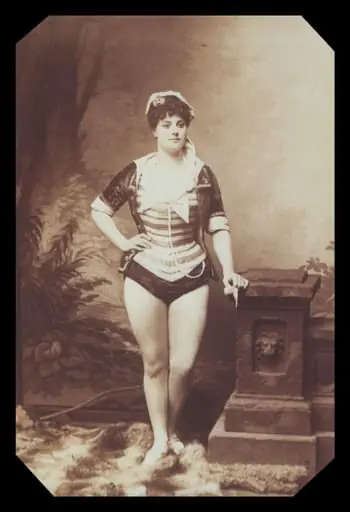
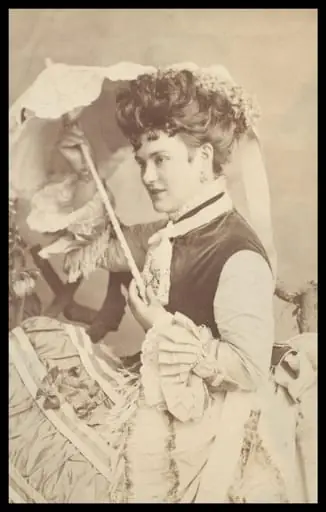
Guy Little Theatrical Photograph is a photographic photography by W. H. Pugh. It dates from 1850 and is held in the collection of the Victoria and Albert Museum. This photograph is part of a personal collection assembled by Guy Tristram Little, a solicitor and avid collector of ephemera.
About this work
Overview
Little bequeathed the collection to the Victoria and Albert Museum in 1953, where it now forms a key component of the Theatre Collections.
This photograph is part of a personal collection assembled by Guy Tristram Little, a solicitor and avid collector of ephemera. It was among hundreds of theatrical portraits he removed from their original mounts and reorganized into albums. Little bequeathed the collection to the Victoria and Albert Museum in 1953, where it now forms a key component of the Theatre Collections. The image itself is an albumen print on card, typical of late 19th-century photographic portraiture.
Subject & Meaning
The image captures Marie Lloyd, a leading music hall performer, alongside the Brothers Edgar, a trio of male entertainers. All are dressed in coordinated stage costumes, suggesting a specific theatrical number. Such photographs served as both promotional tools and fan memorabilia, allowing audiences to connect with performers beyond the live show. The grouping emphasizes camaraderie and the performative identity of the actors, rather than their private lives.
Technique & Style
The photograph was taken by W. H. Pugh using the albumen printing process on a glass negative, a standard method of the era. The image is mounted as a cabinet card—larger and more durable than the earlier carte de visite—indicating it was produced in the late 1870s or 1880s. The composition is formal, with subjects posed against a plain backdrop, typical of studio portraiture designed for mass reproduction and distribution.
History & Provenance
The photograph originated as a commercial studio product, likely sold to the public as a collectible. It entered Guy Little’s collection, which he systematically curated, removing original mounts and reassembling the images into thematic albums. After his death in 1953, the entire collection was donated to the V&A. Little’s role as executor for Gabrielle Enthoven’s theatrical archive further linked him to the institutional development of theatre documentation in Britain.
Context
During the Victorian era, theatrical photography flourished as a commercial and cultural phenomenon. Cartes de visite, introduced in the 1850s, gave way to cabinet cards by the 1870s, reflecting evolving consumer tastes and printing technologies. These images were not merely souvenirs but also markers of social engagement with popular entertainment. Music hall stars like Marie Lloyd became national figures, and their photographs helped shape public perception of performance culture.
Legacy
Little’s collection preserved a broad spectrum of theatrical ephemera that might otherwise have been lost. The photograph of Marie Lloyd and the Brothers Edgar contributes to a documented record of late-Victorian stage life, offering insight into costume, pose, and the commercialization of celebrity. Today, it supports scholarly research into performance history and the material culture of 19th-century entertainment.
Artist & collection
Artist
This guy spent the 1890s lurking backstage at London theaters, camera in hand, catching actors mid-makeup and quick-change.