Artwork
Aurora and Cephalus
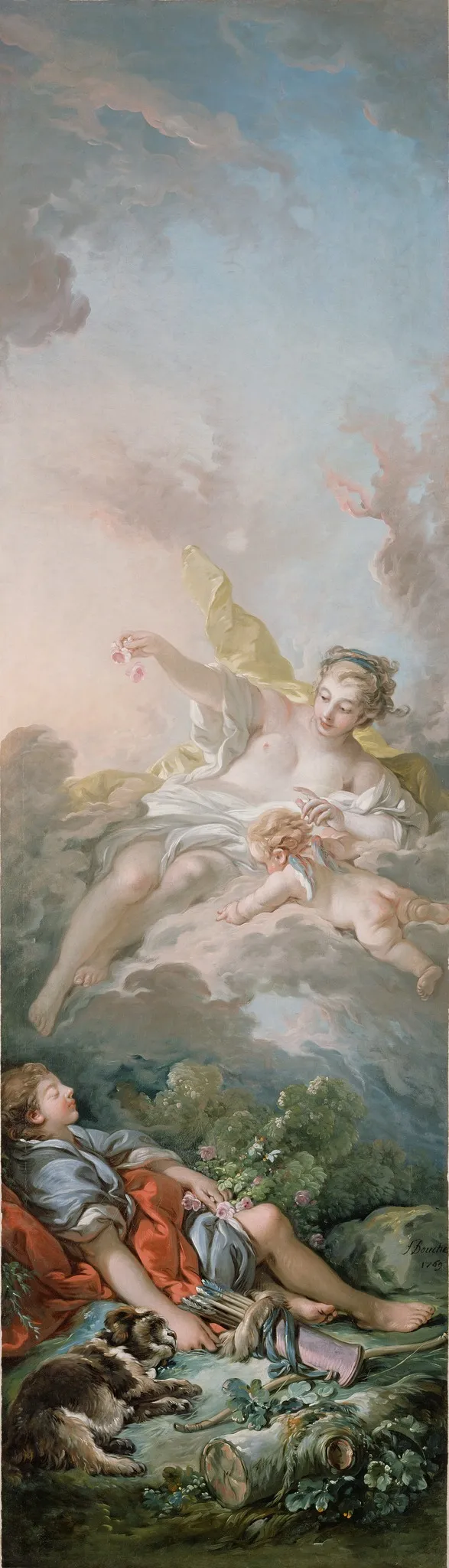
Aurora and Cephalus is an oil painting by the Rococo painting artist François Boucher. It dates from 1769 and is held in the collection of the J. Paul Getty Museum.
About this work
Overview
Painted in 1769 by François Boucher, Aurora and Cephalus is an oil-on-canvas work currently in the collection of the J. Paul Getty Museum. It depicts a mythological moment with a quiet, intimate tone, set against a soft, atmospheric sky. The composition centers on two reclining figures surrounded by natural elements, conveying a sense of stillness and gentle motion.
Subject & Meaning
Aurora, identified by her flowing white robe and floral offering, is shown tenderly attending to Cephalus, who reclines in repose.
The painting illustrates the myth of Aurora, the Roman goddess of dawn, and Cephalus, a mortal hunter. Aurora, identified by her flowing white robe and floral offering, is shown tenderly attending to Cephalus, who reclines in repose. The scene captures a moment of quiet affection, reflecting the classical theme of divine love intersecting with human vulnerability, rendered without drama or grandeur.
Technique & Style
Boucher employs delicate brushwork and a muted pastel palette to evoke a dreamlike atmosphere. Soft transitions between tones, especially in the sky and drapery, create a hazy, ethereal depth. The figures are rendered with smooth contours and subtle modeling, typical of Rococo sensibility, while the inclusion of a small dog adds a naturalistic touch that grounds the mythological scene in quiet realism.
History & Provenance
Commissioned during the height of Boucher’s career, the painting entered the J. Paul Getty Museum’s collection in the late 20th century. Its provenance traces through private European collections, reflecting its appeal to 18th- and 19th-century collectors drawn to mythological subjects rendered in a refined, decorative style. It has remained largely unaltered since its creation.
Context
Created in the final decades of the Rococo era, the painting reflects the aristocratic taste for mythological scenes that emphasized elegance over narrative intensity. Boucher’s approach aligns with the period’s preference for sensuous, intimate compositions over heroic or dramatic themes, catering to patrons who favored beauty and tranquility in domestic and private settings.
Legacy
Though not among Boucher’s most widely reproduced works, Aurora and Cephalus exemplifies his mature style—lyrical, restrained, and attentive to texture and light. It contributes to the broader understanding of how classical myths were reimagined in 18th-century France as vehicles for quiet emotional resonance rather than moral or epic storytelling.
Artist & collection
Artist
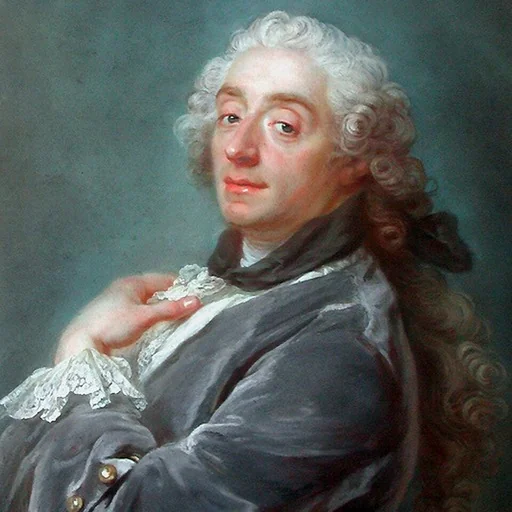
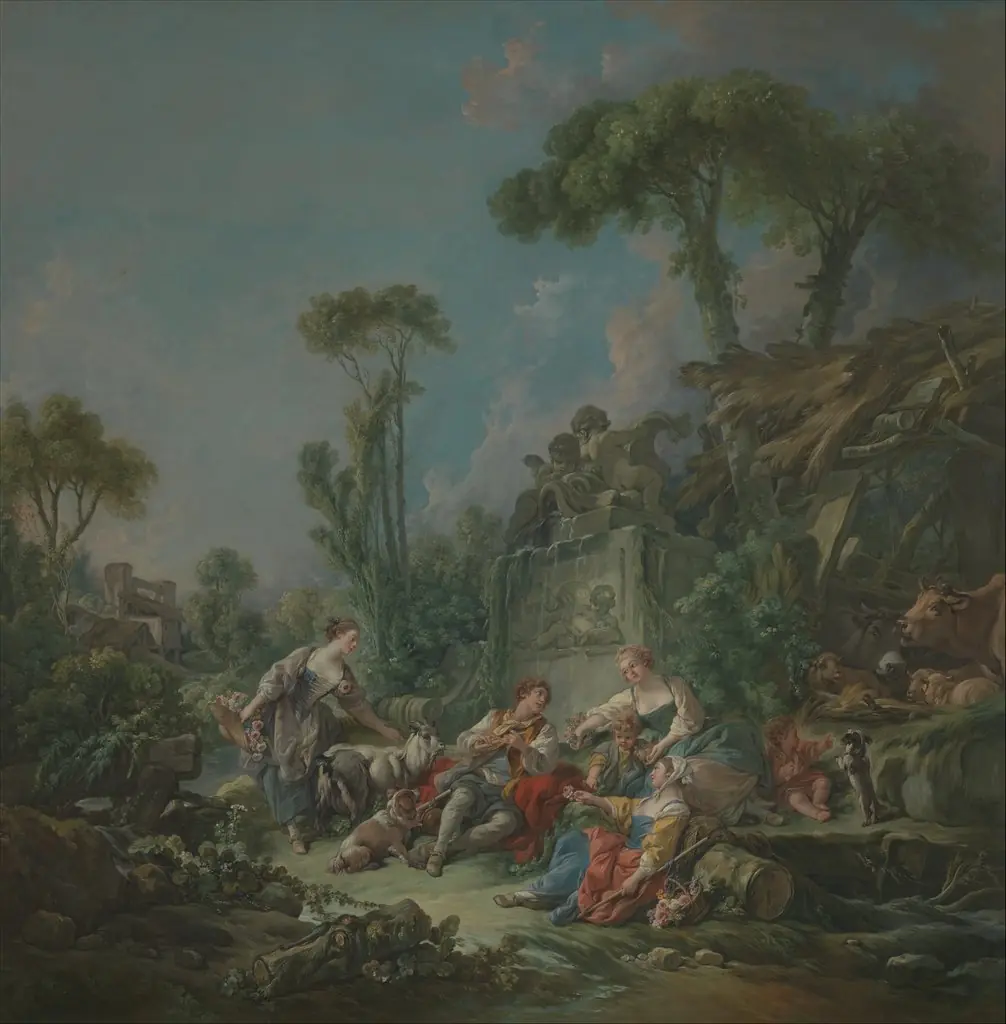
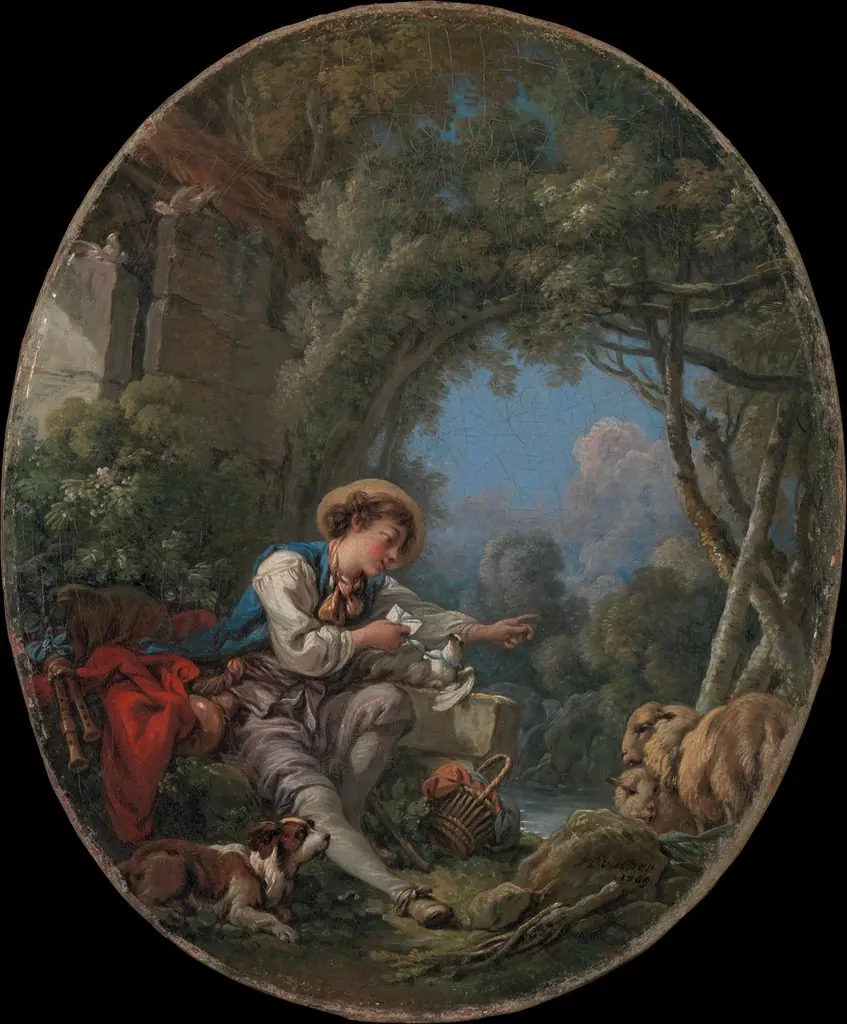
François Boucher was a French painter, draughtsman and etcher, who worked in the Rococo style.

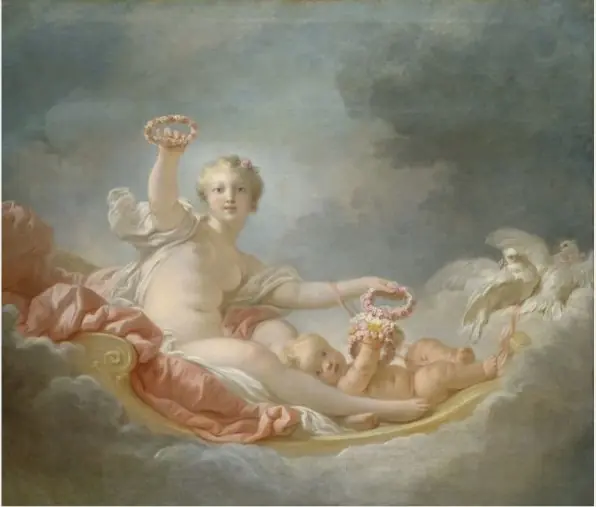 Venus and Cupid (Day)
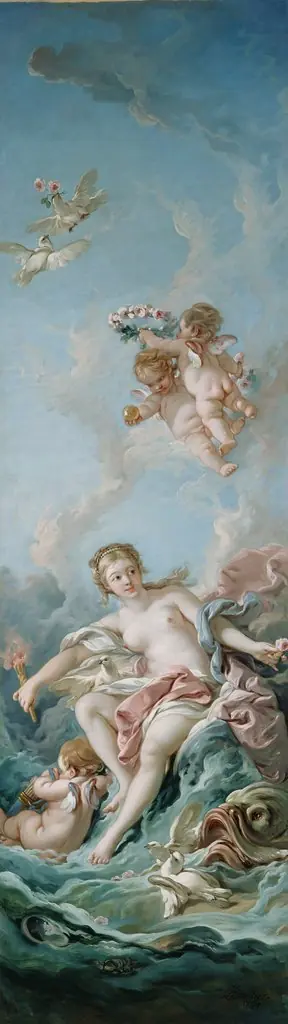 Venus on the Waves
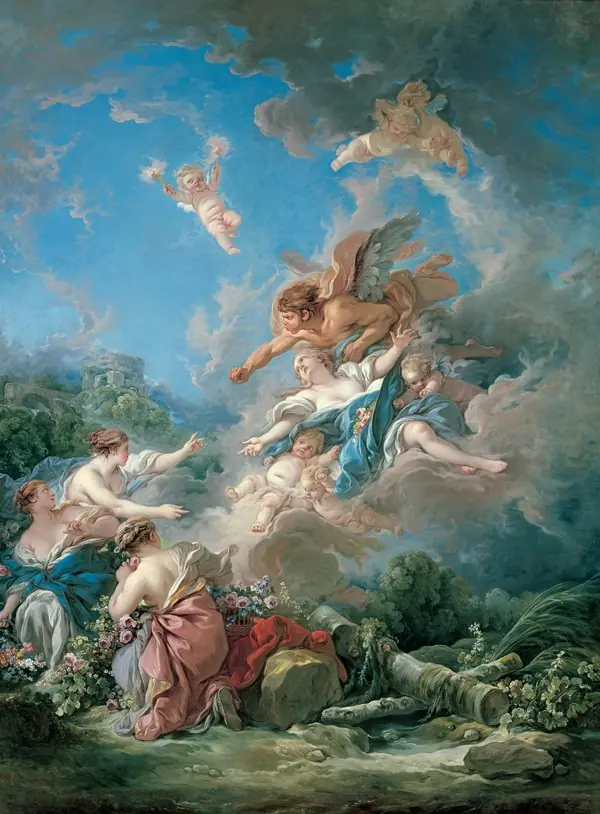 Boreas Abducting Oreithyia
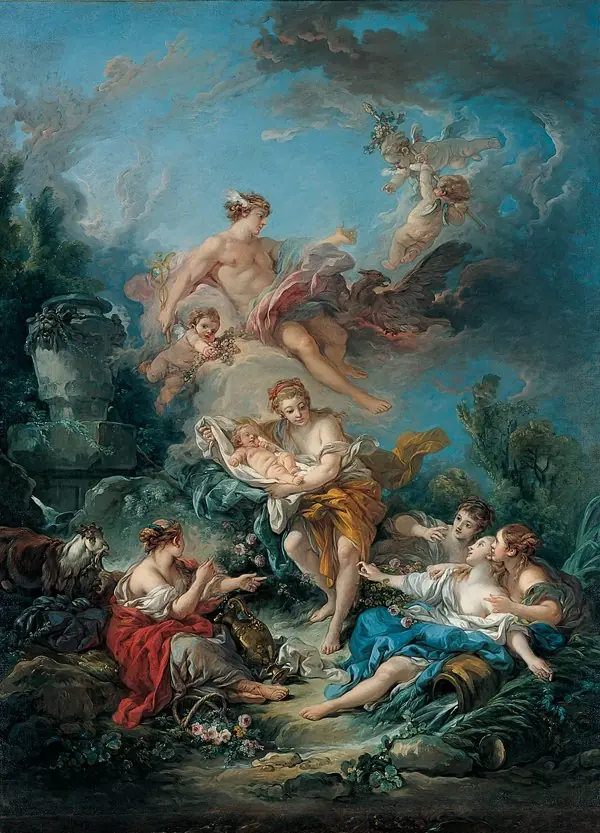 Mercury Confiding the Infant Bacchus to the Nymphs of Nysa
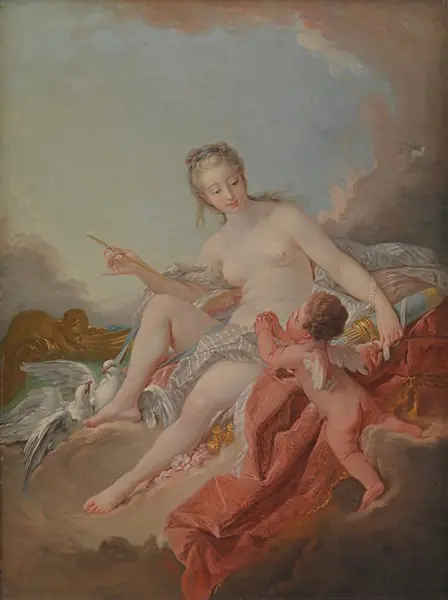 Venus og Amor
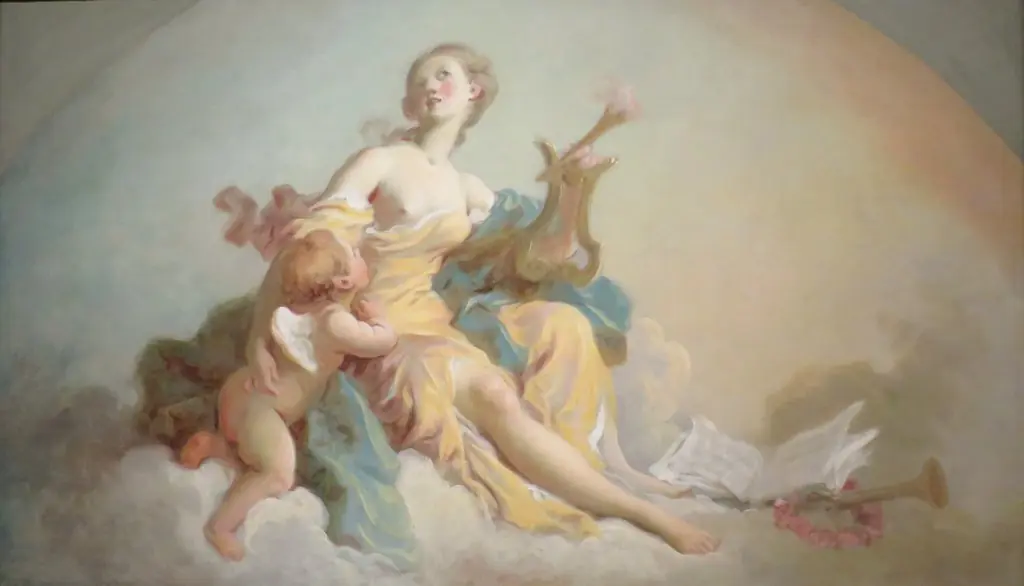 Music
Music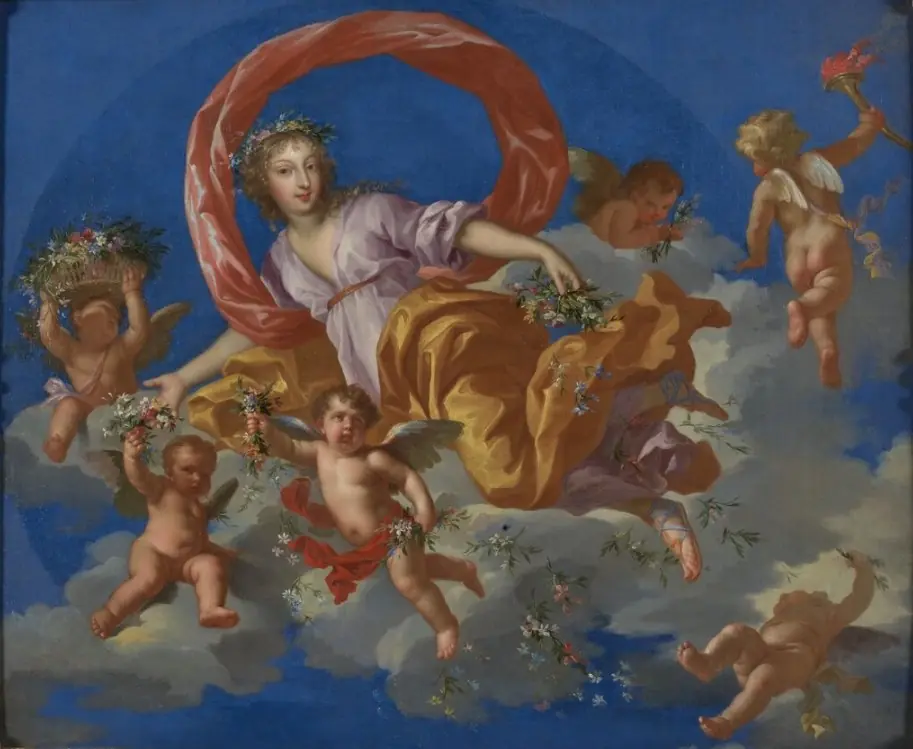 Portrait historié d'Henriette d'Angleterre, duchesse d'Orléans (1644-1670)
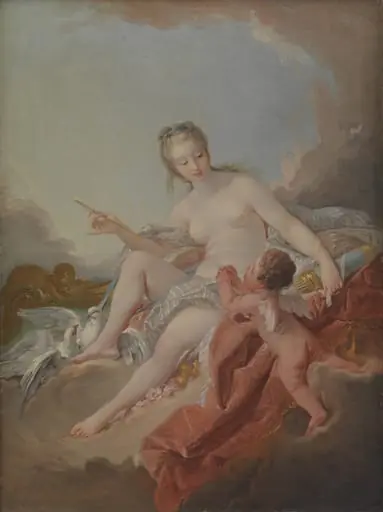 Venus og Amor
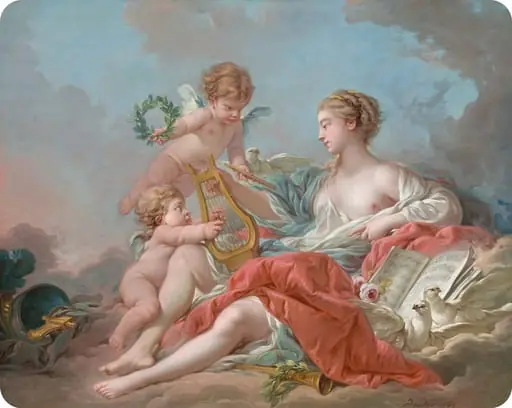 Allegory of Music
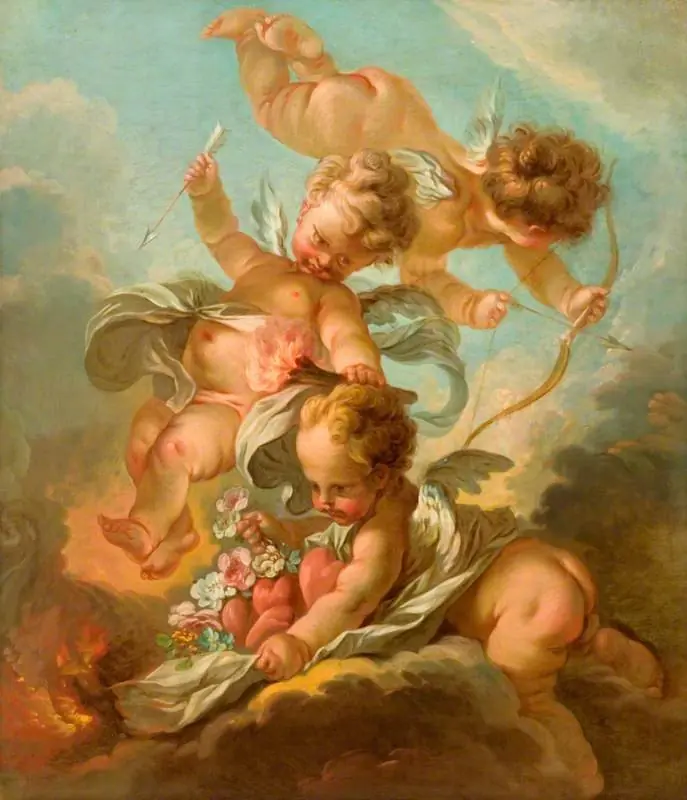 Fire: Three Putti Holding a Bow and Arrow, a Burning Torch, and a Mantle Containing Hearts and Flowers