Artwork
Death of Meleager
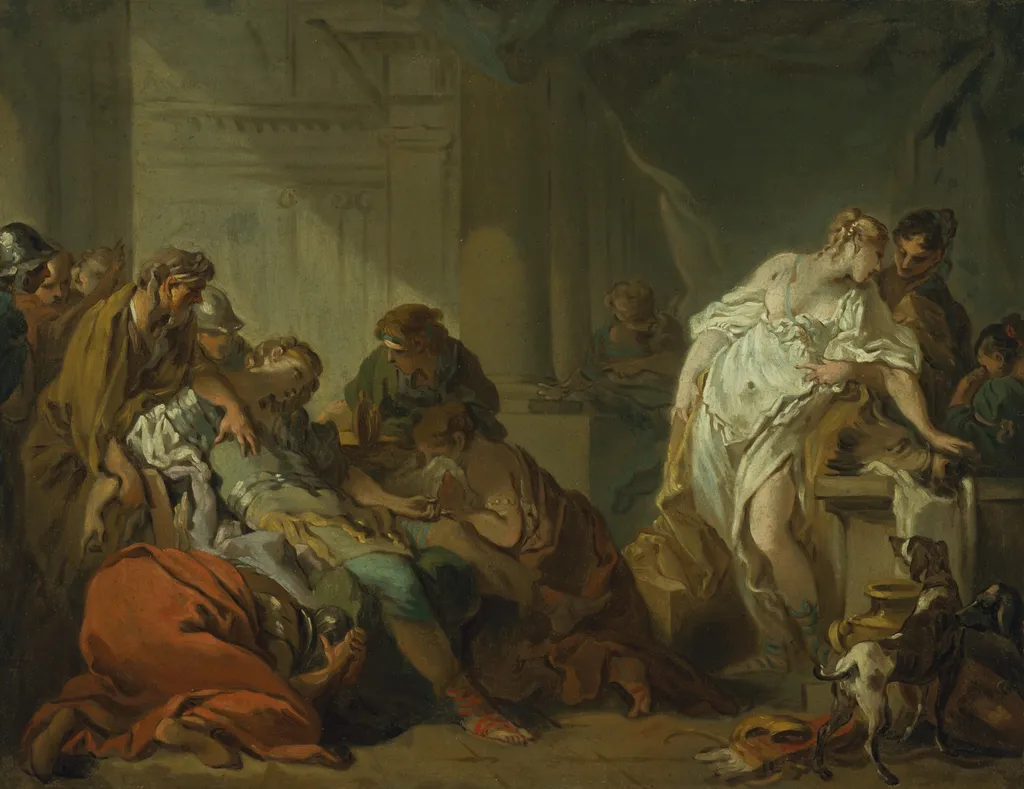
Death of Meleager is an oil painting by the Rococo painting artist François Boucher. It dates from 1727 and is held in the collection of the Los Angeles County Museum of Art.
About this work
Overview
Painted in 1727 by François Boucher, this oil on canvas work illustrates the death of Meleager, a figure from Greek myth.
Painted in 1727 by François Boucher, this oil on canvas work illustrates the death of Meleager, a figure from Greek myth. The scene unfolds in a dim interior, crowded with figures reacting to the dying hero. The painting is part of the collection at the Los Angeles County Museum of Art, where it remains one of Boucher’s early mythological compositions, notable for its emotional intensity and theatrical staging.
Subject & Meaning
The painting captures the moment of Meleager’s death, as recounted in Ovid’s Metamorphoses, where he perishes after his mother burns the log tied to his fate. The central figure lies on a bed, surrounded by mourners, including his grieving lover Althaea. The composition emphasizes the inevitability of fate and the collapse of familial bonds under divine decree, rendering the myth as a human tragedy rather than a heroic spectacle.
Technique & Style
Boucher employs soft brushwork and muted tones to convey the somber atmosphere, contrasting with the vivid red blanket that draws the eye to the floor. The figures are arranged in a tight, almost claustrophobic grouping, enhancing the sense of emotional turmoil. Light falls unevenly, highlighting faces and gestures while leaving corners in shadow, a technique that deepens the drama without overt theatricality.
History & Provenance
Created early in Boucher’s career, the painting was likely commissioned by a private patron interested in classical themes. It entered the LACMA collection in the 20th century after passing through several European holdings. Its survival through centuries of changing tastes speaks to its enduring appeal as a study in emotional nuance, even as Boucher’s later Rococo works overshadowed this earlier, more somber piece.
Context
In the early 18th century, French artists frequently turned to mythological subjects to explore moral and emotional themes. Boucher’s treatment of Meleager’s death reflects a shift from idealized classical forms toward more intimate, psychologically charged scenes. This work aligns with broader trends in French painting that valued expressive gesture and domesticated myth over grand historical narratives.
Legacy
Though less celebrated than Boucher’s later decorative works, this painting remains a significant example of his early engagement with narrative depth. It influenced contemporaries exploring emotional realism in mythological scenes and stands as a precursor to the more introspective treatments of death in 19th-century art. Its preservation allows ongoing study of how classical stories were reimagined in intimate, human terms.
Own this work as a print
Artist & collection

Artist
François Boucher was a French painter, draughtsman and etcher, who worked in the Rococo style.


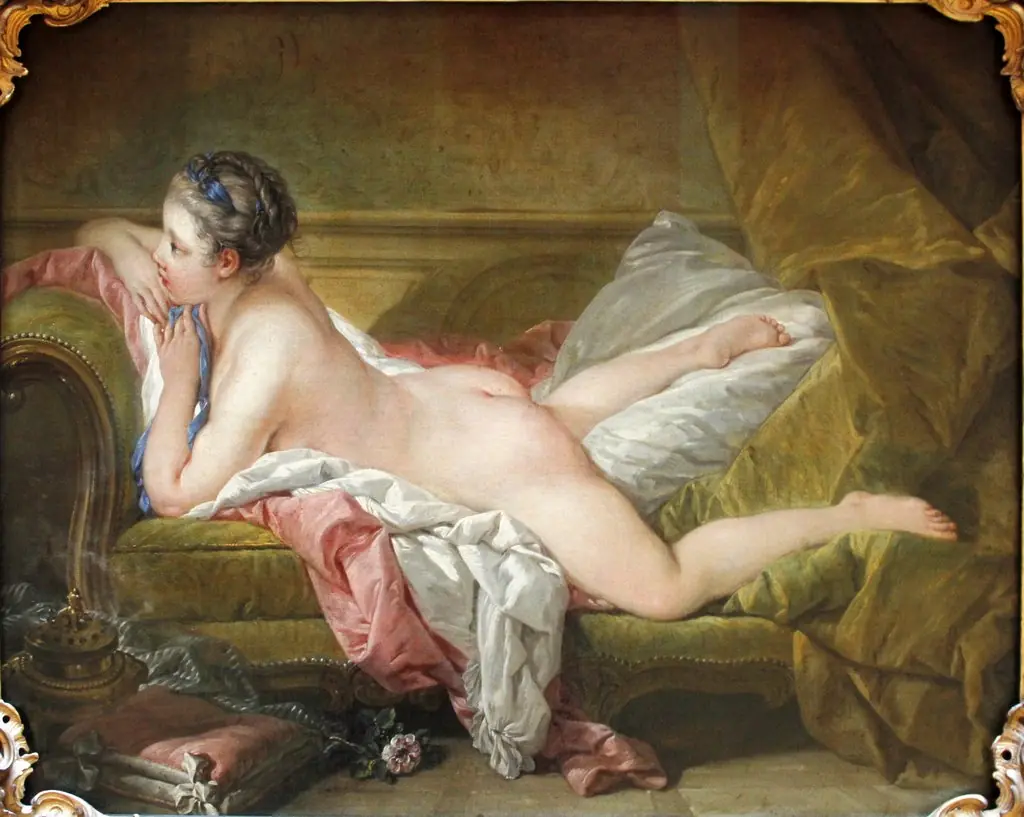
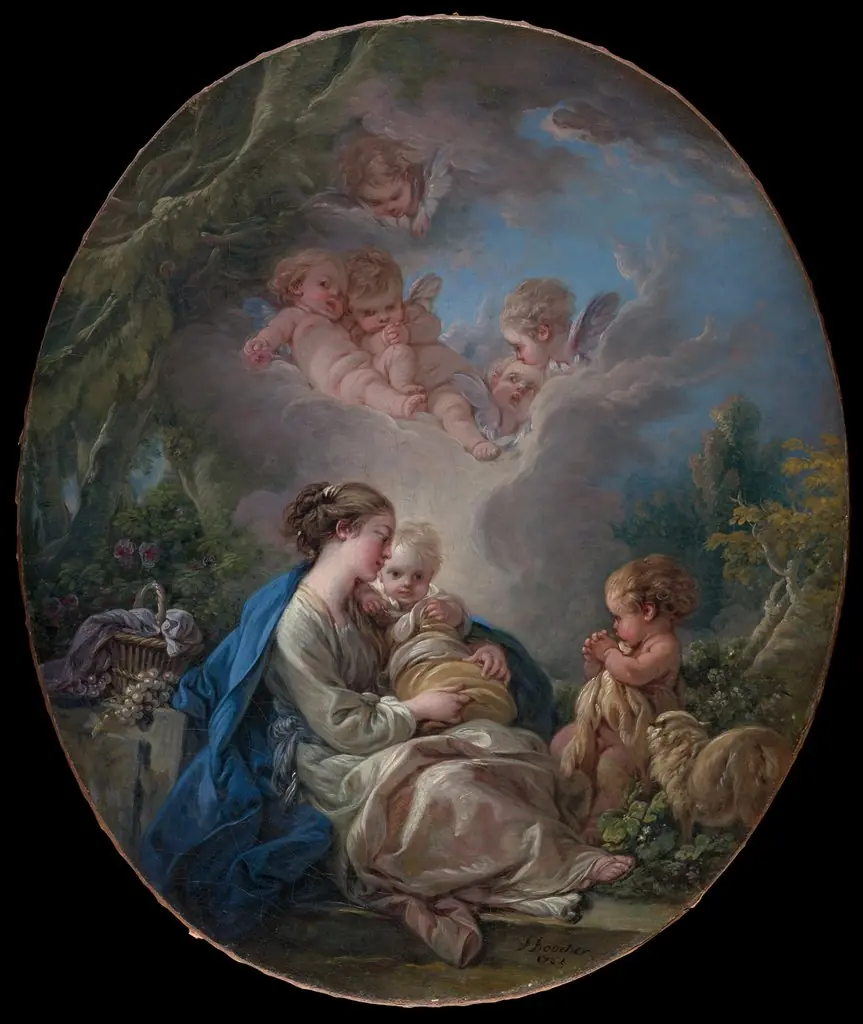
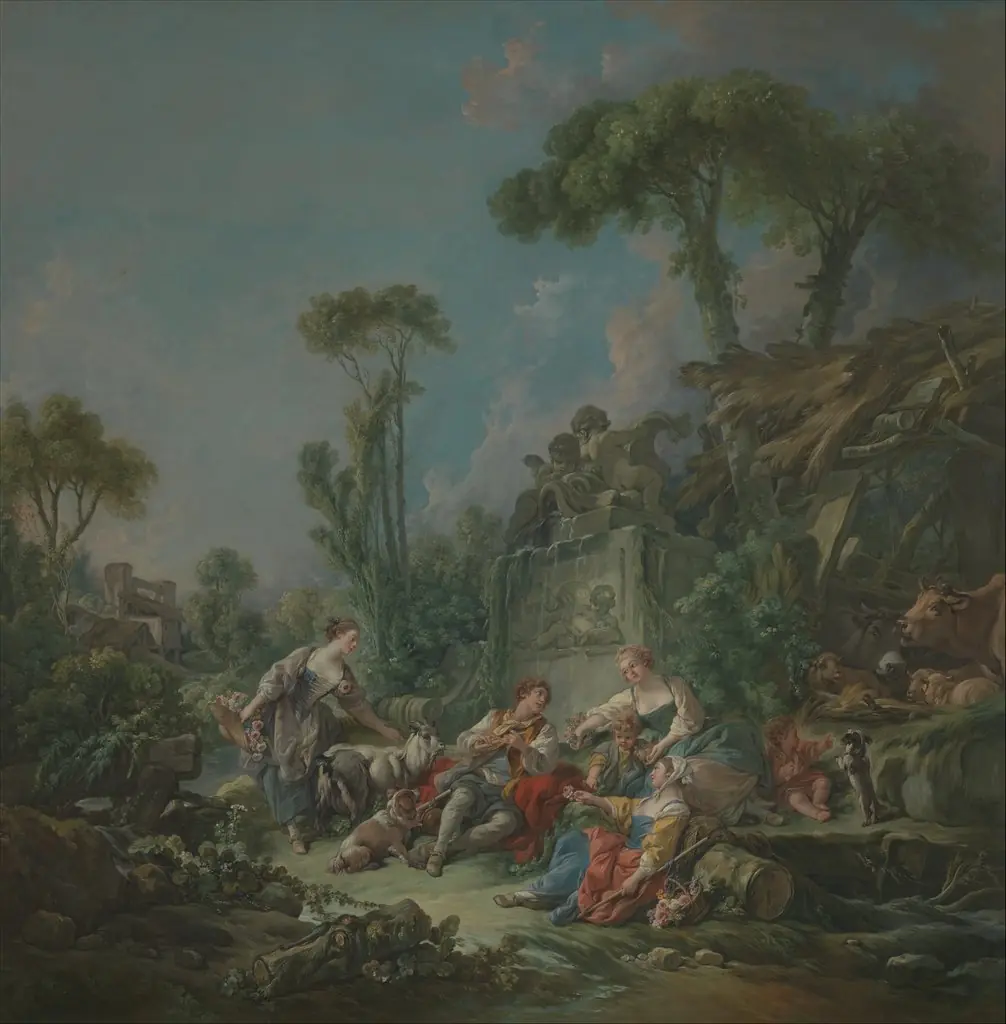
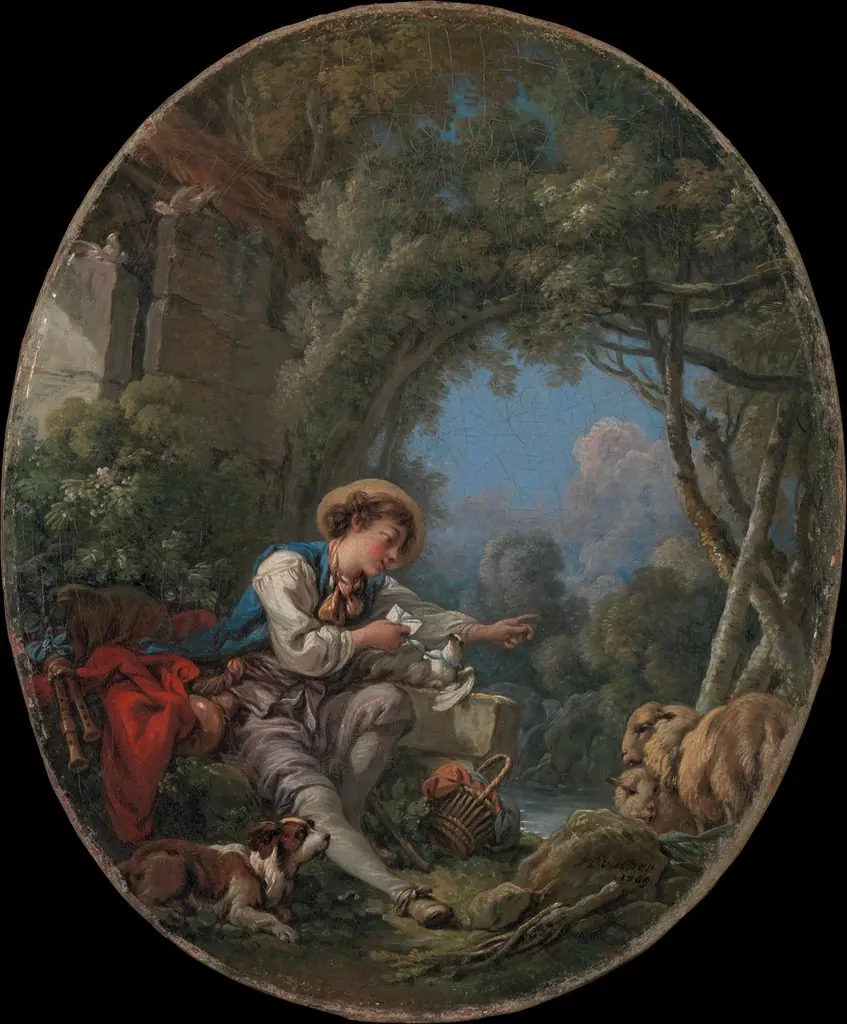
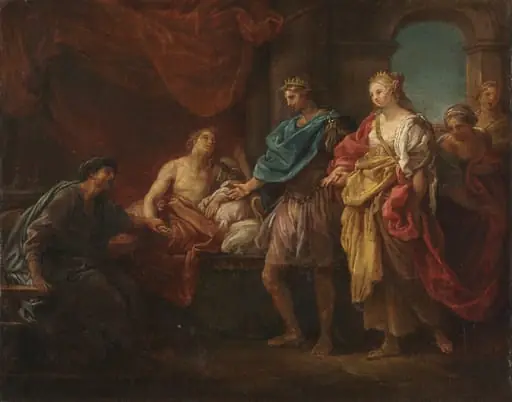 Study for "Antiochus and Stratonice"
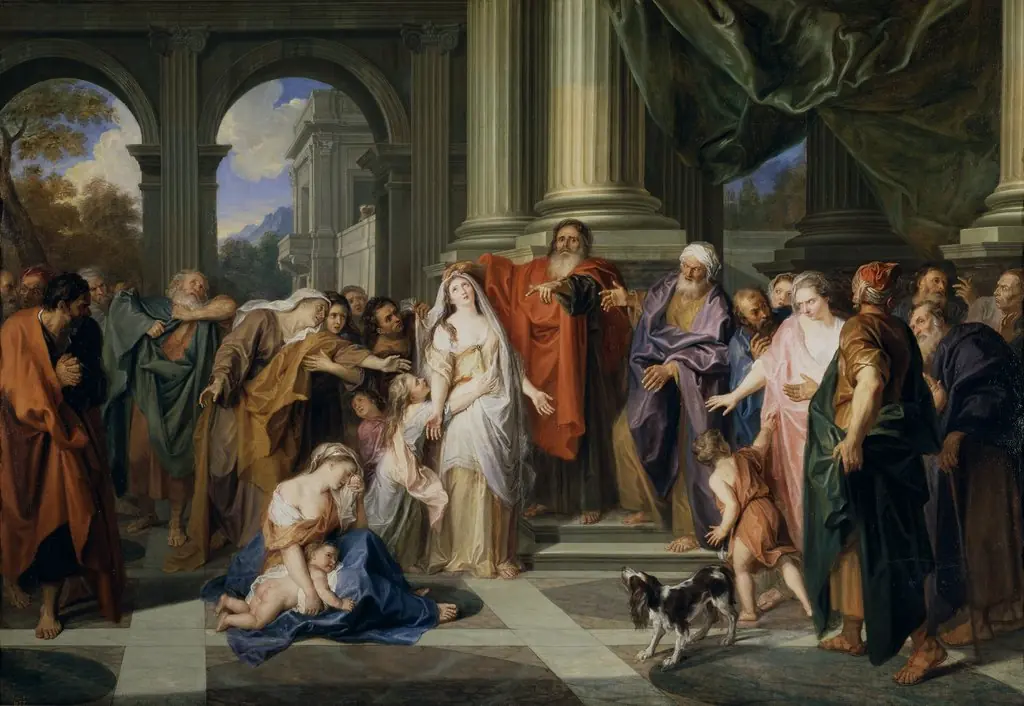 Susannah accused of adultery
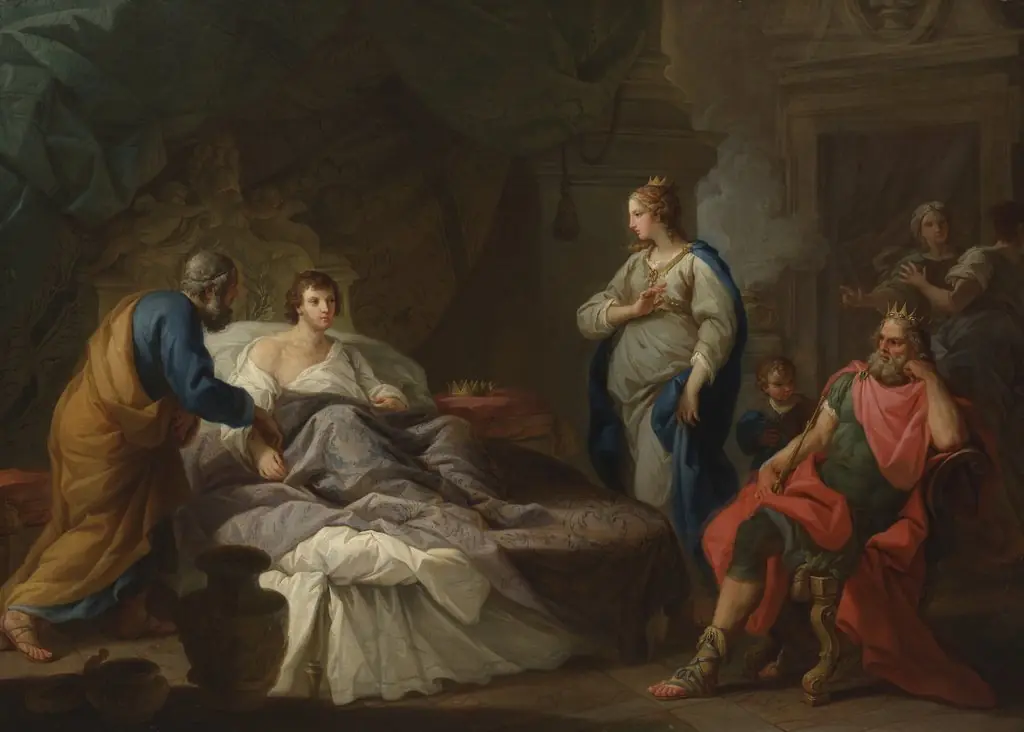 Antiochus Yearning for Stratonice
 Antiochus Yearning for Stratonice
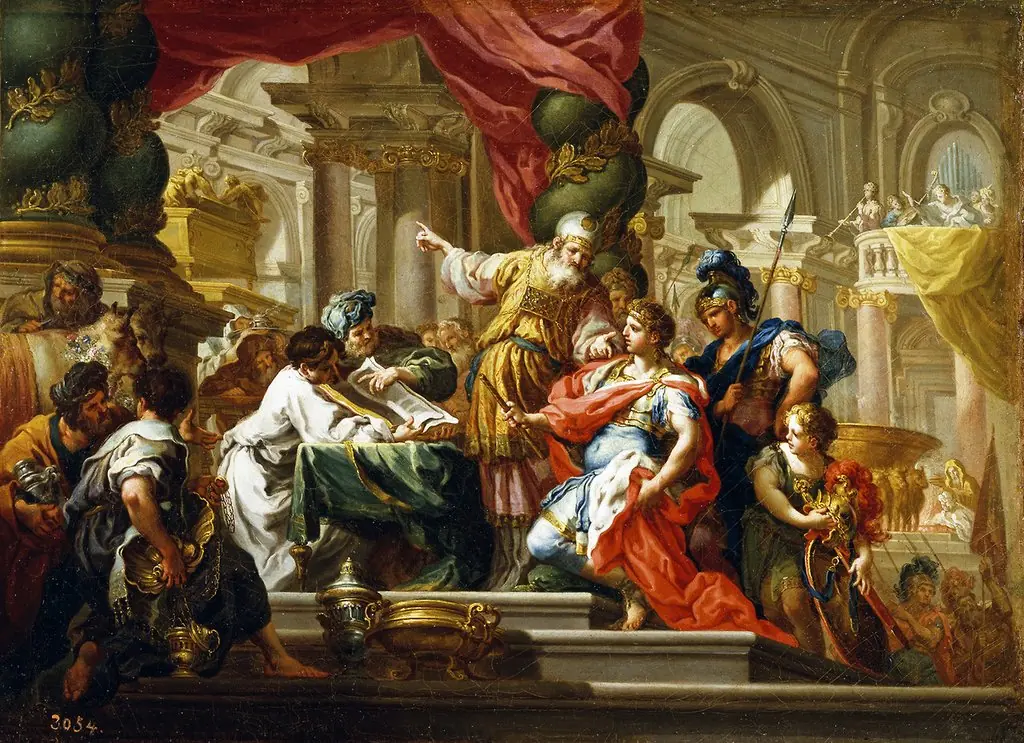 Alexander the Great in the Temple of Jerusalem
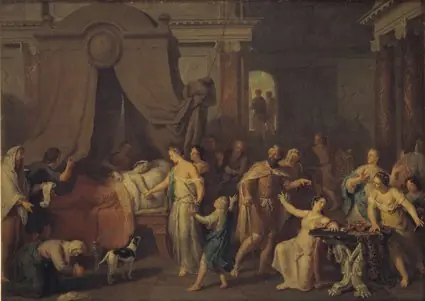 Alcestis and Admetus
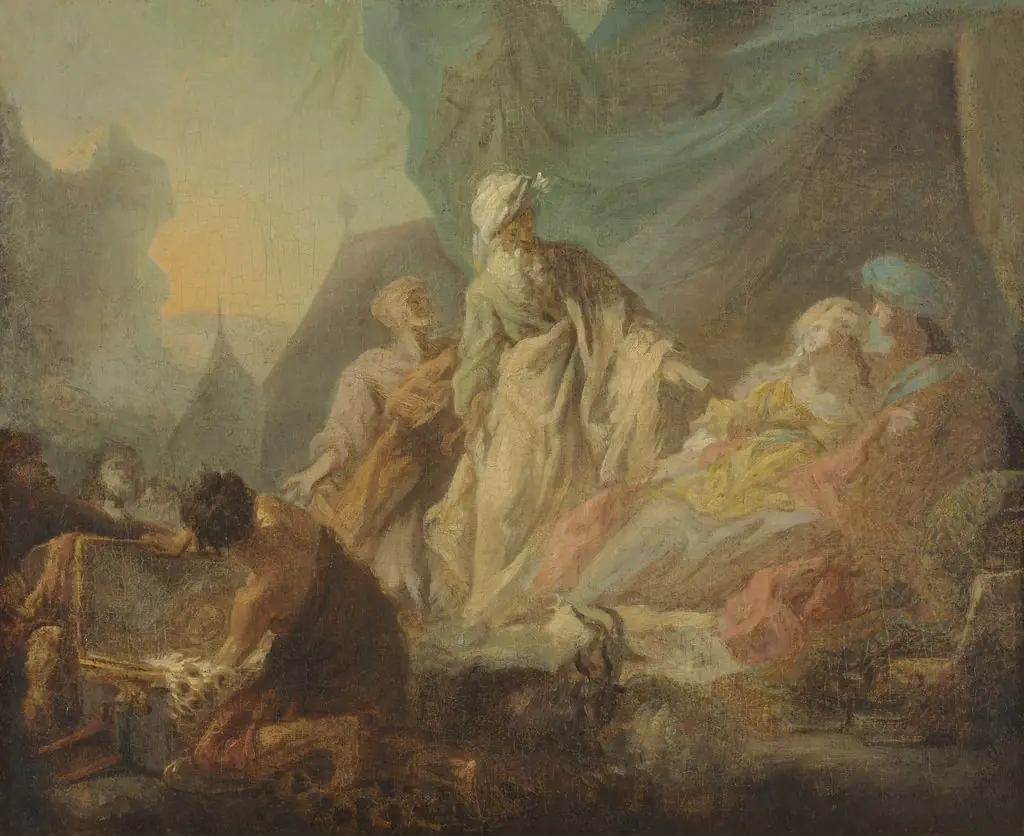 Laban Searching for His Stolen Gods
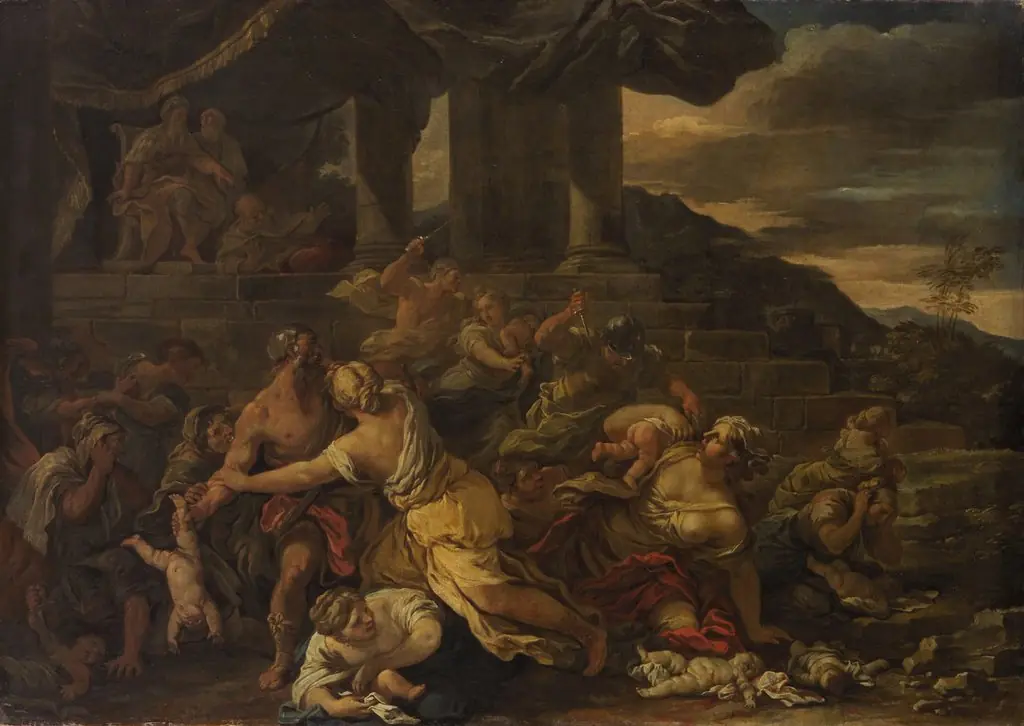 Killing of the Children in Bethlehem
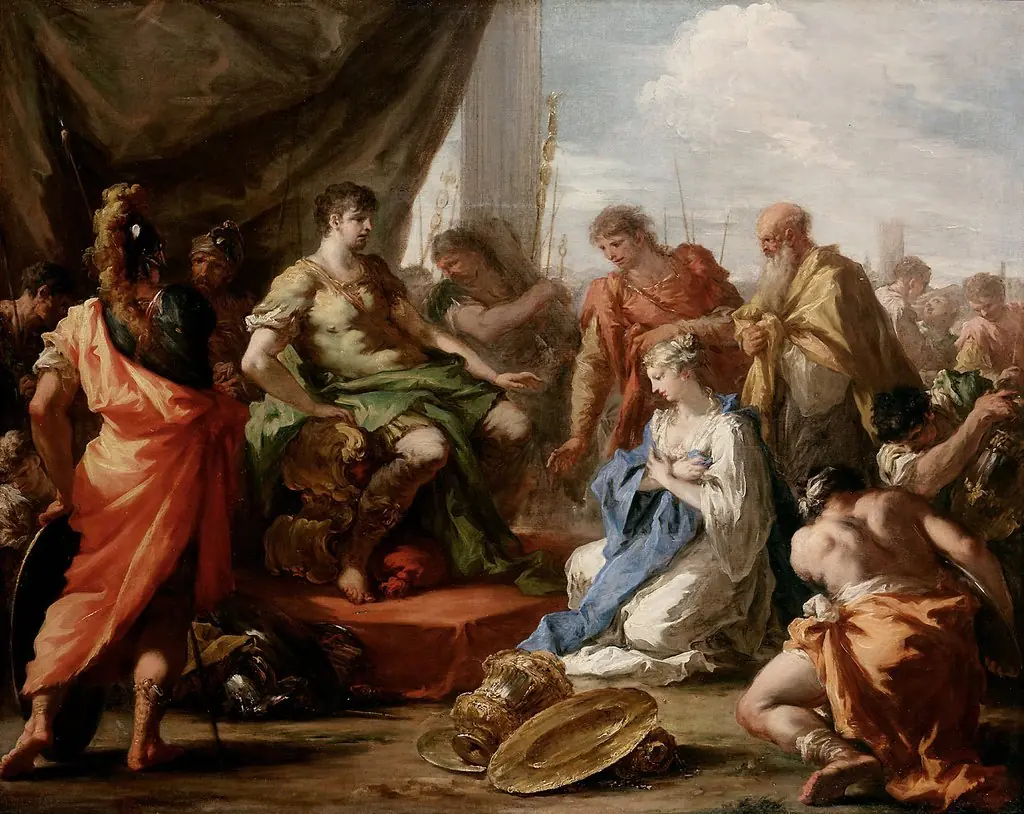 Enthaltsamkeit des Scipio
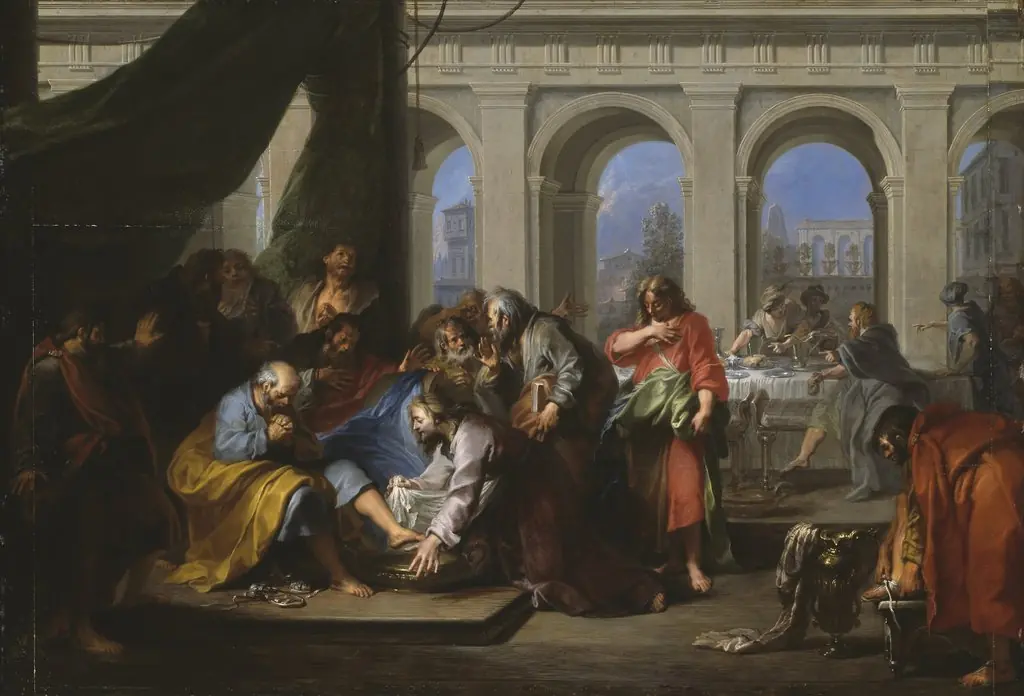 Christ Washing the Feet of His Disciples
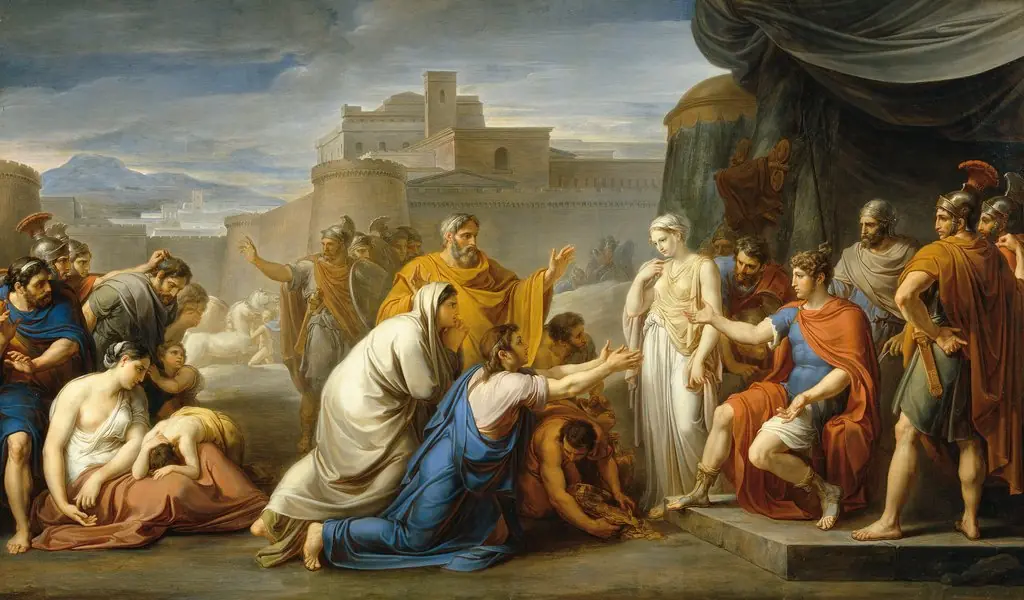 Scipios Mäßigung
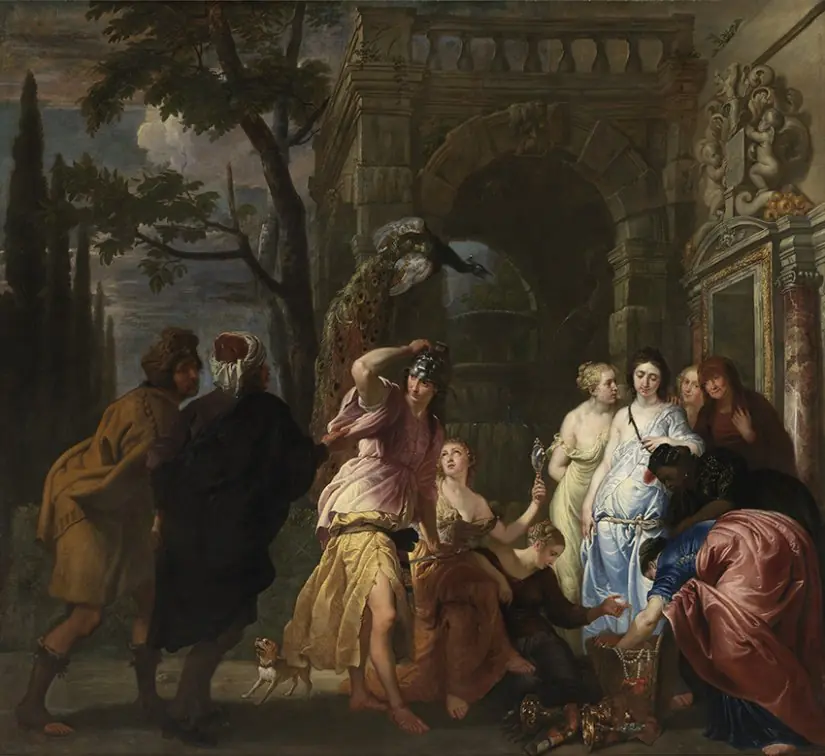 Achilles among the Daughters of Lycomedes