Artwork
Vulcan Presenting Arms to Venus for Aeneas
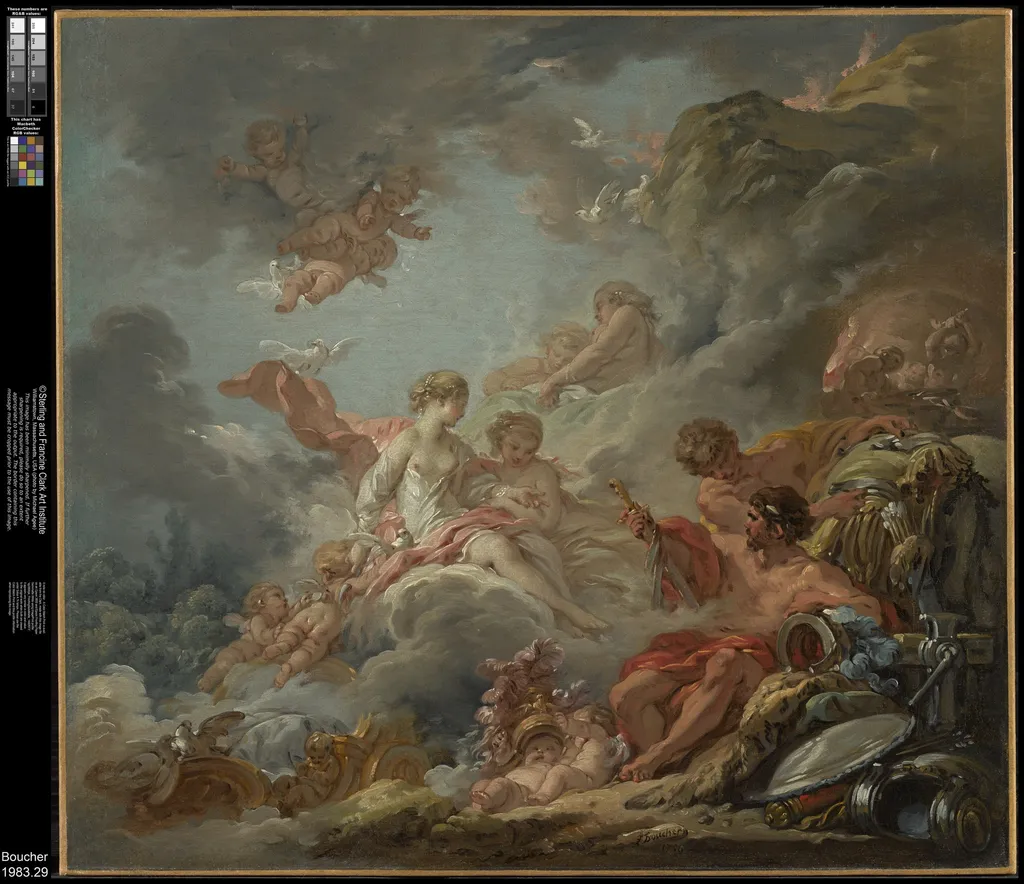
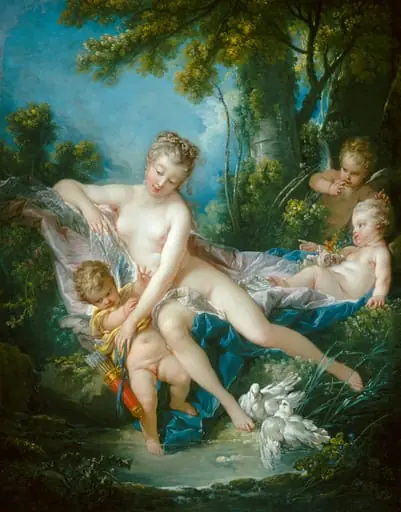
Vulcan Presenting Arms to Venus for Aeneas is an oil painting by the Rococo painting artist François Boucher. It dates from 1756 and is held in the collection of the Clark Art Institute.
About this work
Overview
Painted in 1756 by François Boucher, this oil-on-canvas work depicts a scene from Virgil’s Aeneid in which the god Vulcan delivers newly forged armor to Venus. The painting was commissioned as part of a series illustrating episodes from the epic, reflecting the Rococo taste for mythological narratives. It is now in the collection of the Clark Art Institute in Williamstown, Massachusetts.
Subject & Meaning
The scene shows Vulcan, the smith god, presenting a shield and weapons to Venus, goddess of love, who will pass them to her son Aeneas. The moment symbolizes divine intervention in mortal destiny, as the arms are destined to aid Aeneas in founding Rome. Boucher softens the martial theme with tender gestures and delicate forms, aligning the epic with Rococo ideals of grace and intimacy.
Technique & Style
Boucher employs soft brushwork, luminous pastel tones, and fluid contours typical of Rococo aesthetics. The figures are rendered with idealized elegance, their poses languid and expressive. Light falls gently across flesh and metal, enhancing the tactile quality of armor and skin. The background dissolves into hazy landscape, directing focus to the central interaction between the deities.
History & Provenance
Commissioned by Madame de Pompadour, Louis XV’s mistress, the painting was part of a cycle of mythological scenes for her private residence. It passed through private French collections before entering the Sterling and Francine Clark Art Institute in the 20th century. Its survival intact reflects its status as a prized example of 18th-century French decorative art.
Context
Boucher’s work emerged during a period when French aristocracy favored mythological subjects infused with sensuality and elegance.
Boucher’s work emerged during a period when French aristocracy favored mythological subjects infused with sensuality and elegance. The commission from Madame de Pompadour underscores the role of patronage in shaping artistic output. While classical themes were common, Boucher’s interpretation prioritized emotional nuance over heroic grandeur, distinguishing his approach from earlier Baroque treatments.
Legacy
The painting exemplifies the height of Rococo mythological painting in France, influencing contemporaries and later collectors. Though later critics dismissed Rococo as frivolous, modern scholarship recognizes Boucher’s skill in blending narrative clarity with decorative refinement. Its presence in a major American institution ensures continued study of 18th-century French visual culture.
Artist & collection
Artist
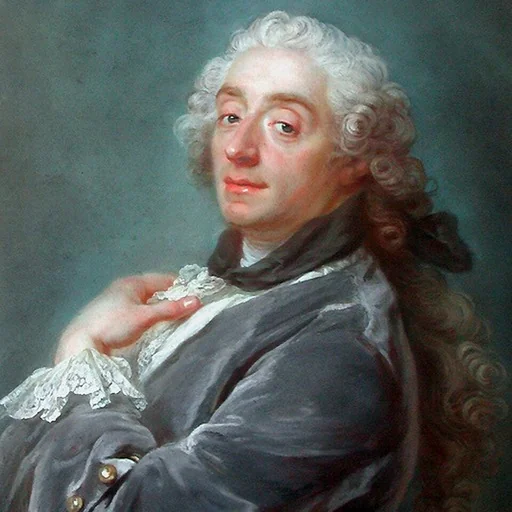
François Boucher was a French painter, draughtsman and etcher, who worked in the Rococo style.