Artwork
Portrait of Catherine de' Medici
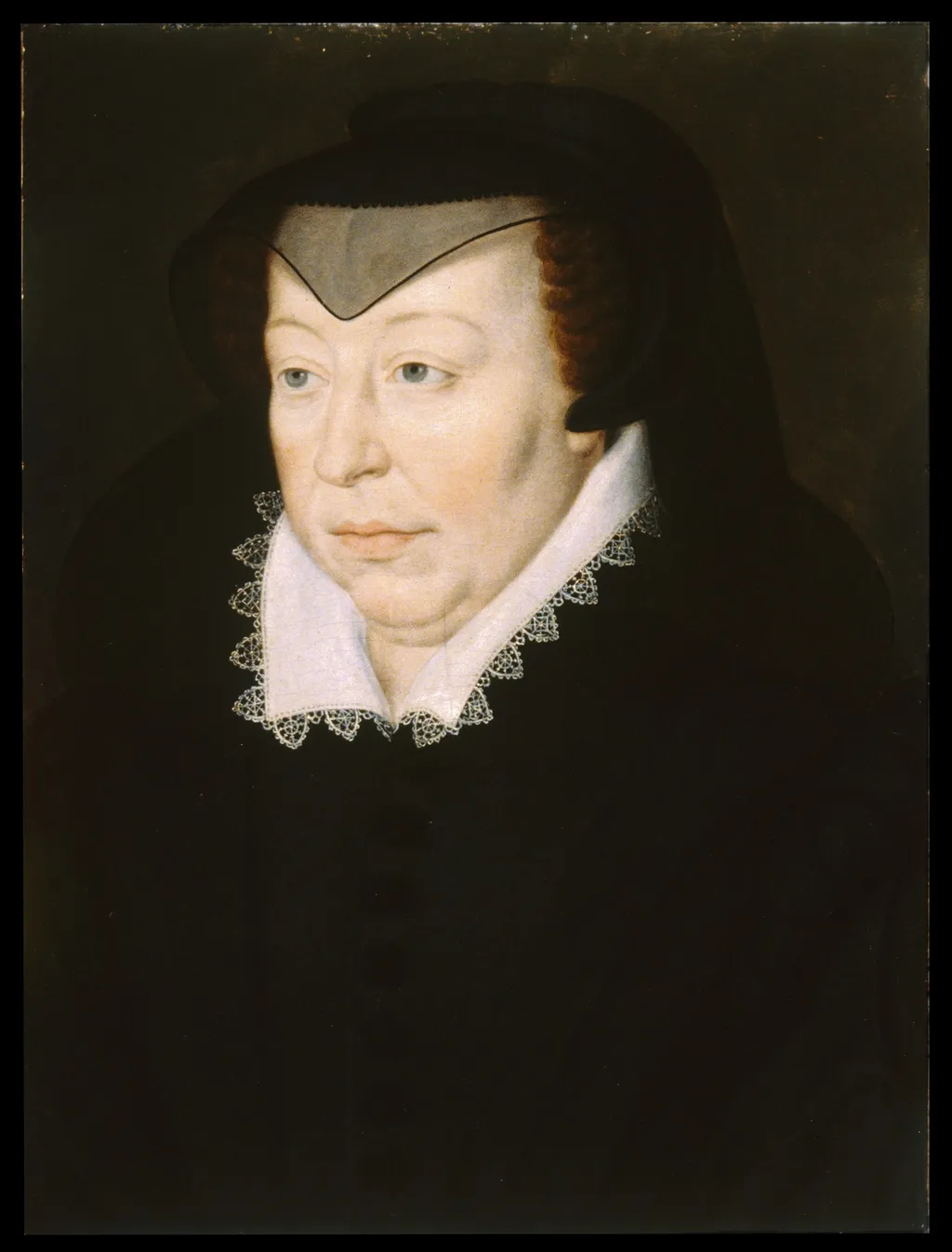
Portrait of Catherine de' Medici is an oil painting by the Mannerist artist François Clouet. It is held in the collection of the Walters Art Museum. This oil painting, dated around 1590, portrays Catherine de' Medici, queen consort and later regent of France.
About this work
The use of oil paint and the attention to detail in the subject's clothing and accessories are notable aspects of the artwork.
This portrait features a woman with fair skin and blue eyes, dressed in a black dress and a white lace collar. She wears a black hat adorned with a brown band and a black veil. The background of the painting is a solid black color.
The subject's attire and the style of the painting suggest that it was created in the 16th century. The use of oil paint and the attention to detail in the subject's clothing and accessories are notable aspects of the artwork.
The Walters Art Museum is a great place to learn more about this painting and other works of art from the same period.
Overview
This oil painting, dated around 1590, portrays Catherine de' Medici, queen consort and later regent of France. Attributed to François Clouet, a leading court artist of the French Renaissance, it reflects the refined portraiture tradition of the Valois court. The work is part of the Walters Art Museum’s collection, where it serves as a key example of late 16th-century French royal imagery.
Subject & Meaning
Catherine de' Medici is depicted in widow’s attire, her black dress and veil signaling mourning for her late husband, Henry II. The austere palette and restrained demeanor convey political gravity rather than personal emotion. As a powerful regent navigating religious conflict, her image was carefully constructed to project authority and solemnity, aligning with her role as a stabilizing force in a fractured kingdom.
Technique & Style
Executed in oil on panel, the painting demonstrates meticulous attention to textile detail—lace collars, fabric folds, and the texture of the veil are rendered with precision. The Mannerist style is evident in the elongated proportions and cool, controlled palette. The solid black background isolates the figure, focusing attention on her presence and the symbolic weight of her clothing.
History & Provenance
The portrait was likely commissioned during Catherine’s later years, possibly as part of a series documenting the French royal family. It passed through private collections before entering the Walters Art Museum in the early 20th century. Its attribution to François Clouet, though widely accepted, rests on stylistic parallels with his documented works, as no definitive documentary record survives.
Context
Created near the end of Catherine’s life, the portrait emerges from a period of intense religious strife and political instability in France. Portraiture at court served political ends, reinforcing lineage and authority. Clouet’s style, rooted in Northern European realism yet adapted to French tastes, offered a visual language of power that balanced elegance with restraint.
Legacy
The painting endures as a representative example of French court portraiture in the late Renaissance. It contributes to scholarly understanding of how royal women used image-making to assert influence in a male-dominated sphere. Its preservation in a major public collection ensures continued access for study and public engagement with early modern European history.
Artist & collection

Artist
François Clouet spent his life in the royal court of France, painting the rich and powerful in the mid-1500s.

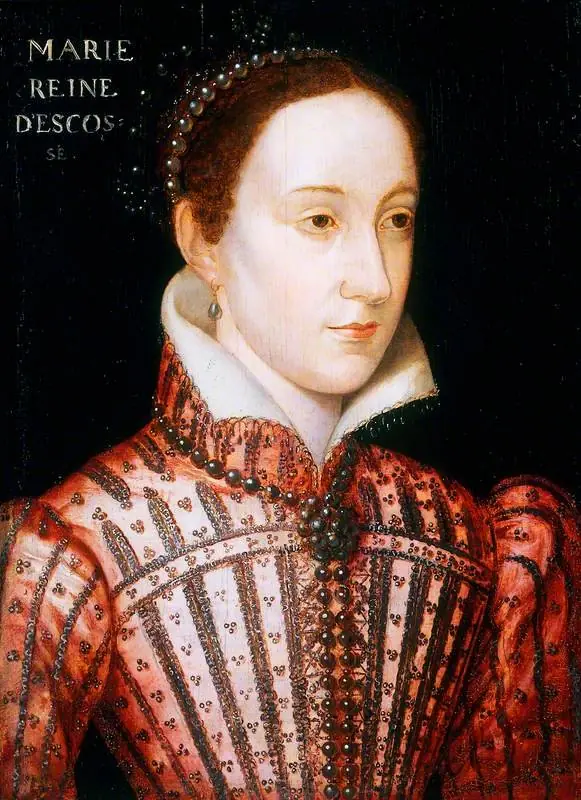
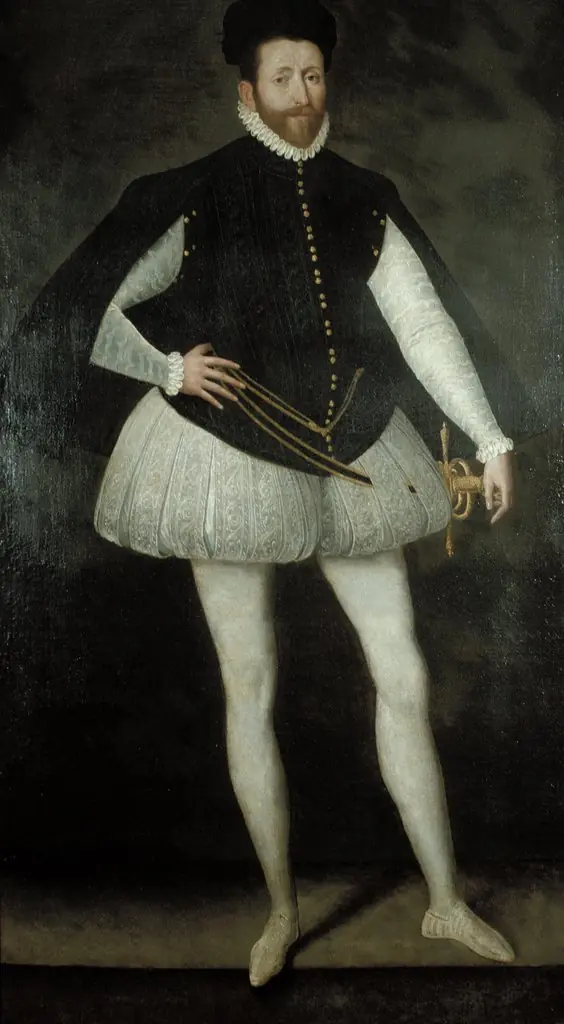
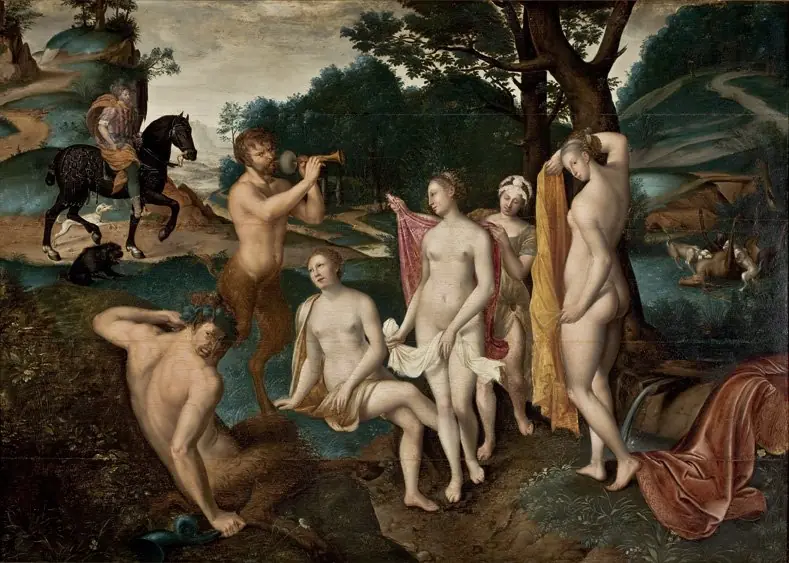
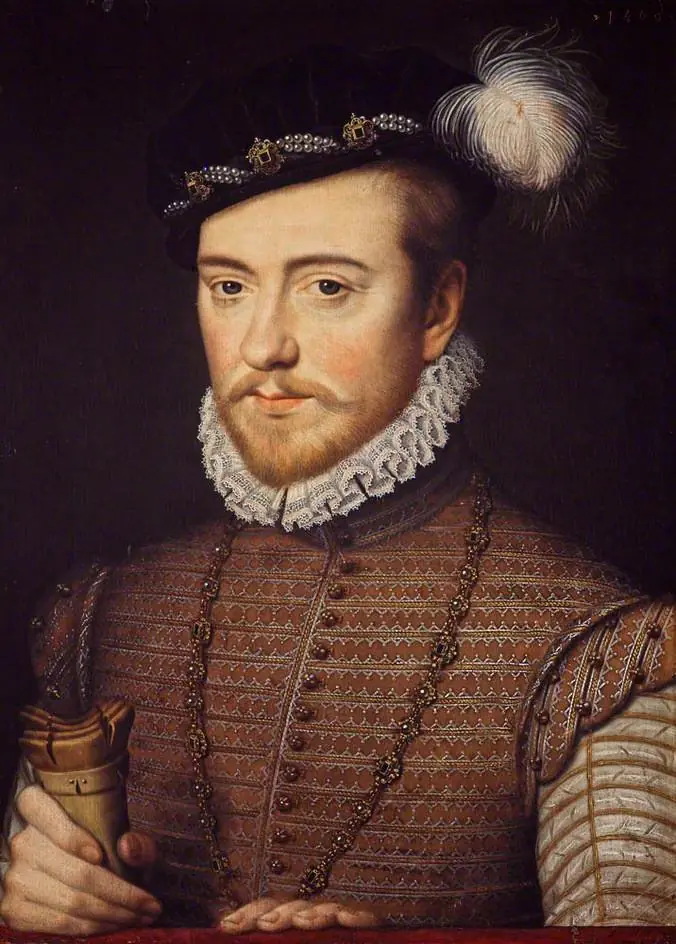
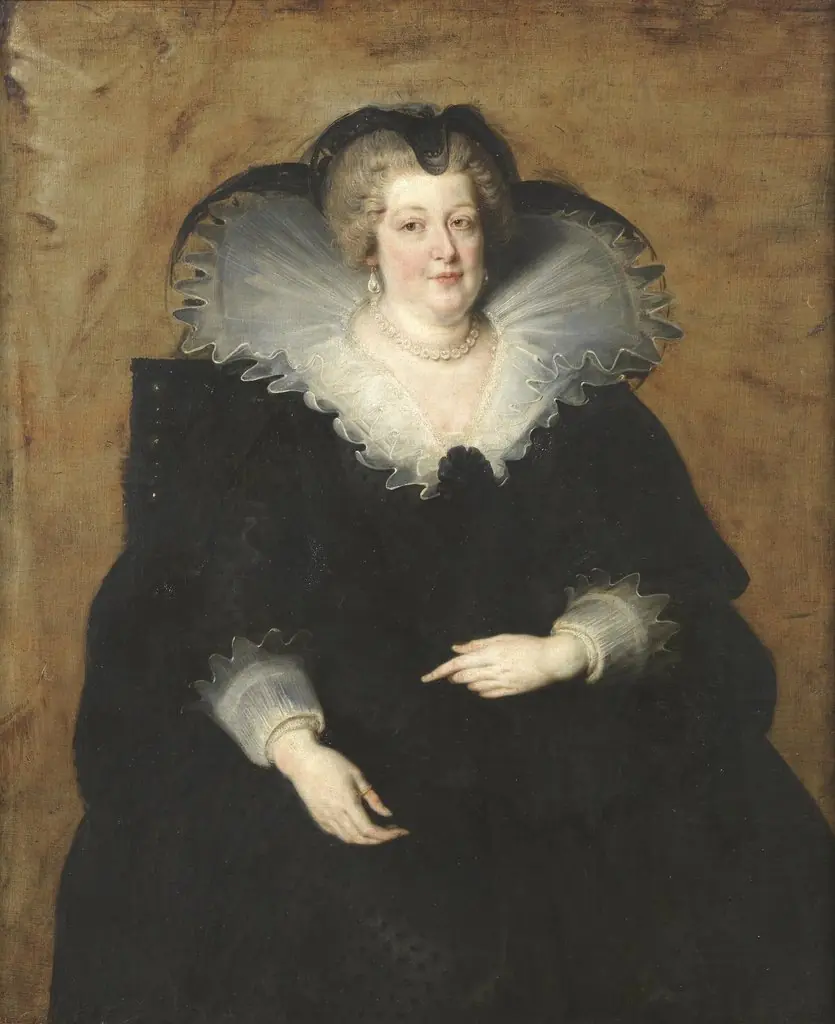 Marie de Medici, Queen of France
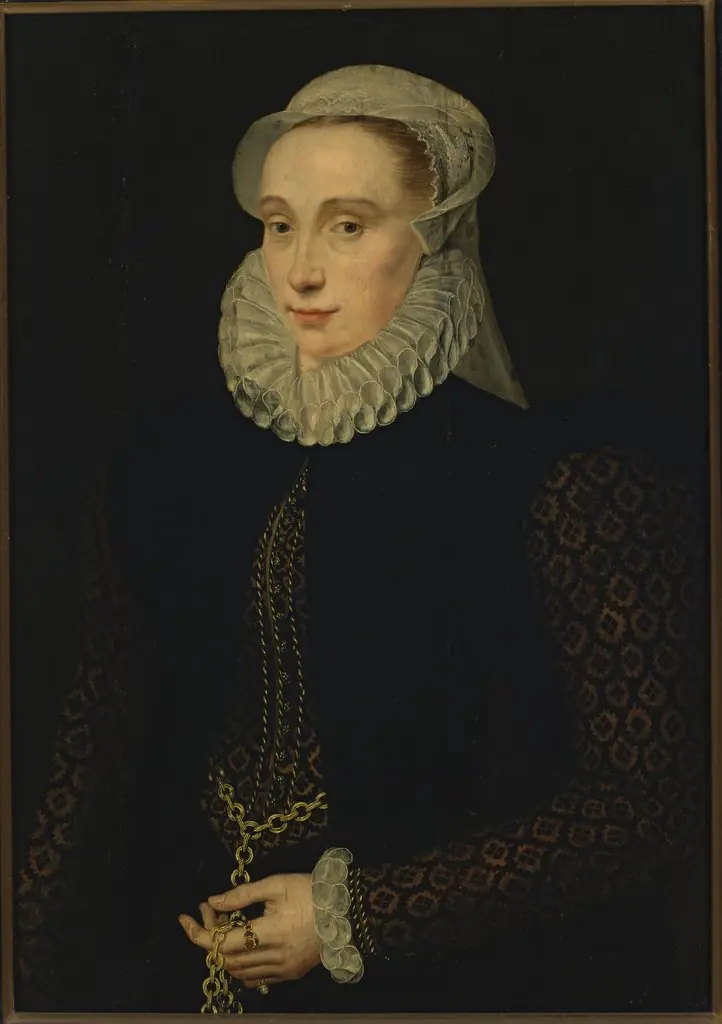 Portrait of a lady
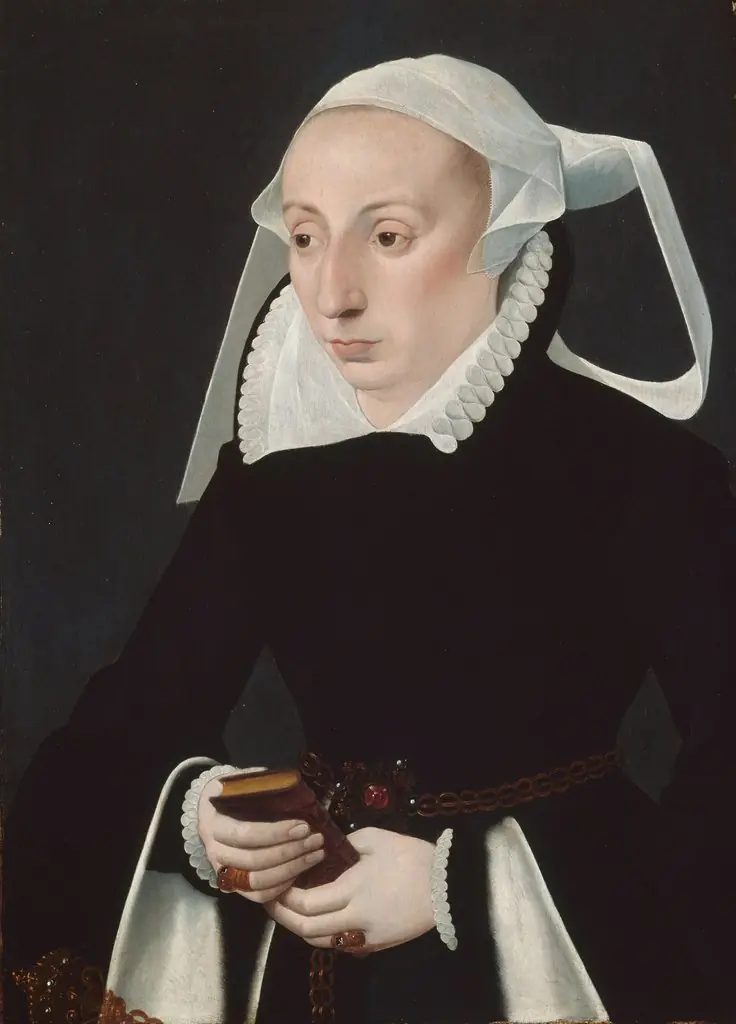 Portrait of a Woman with a Prayer Book
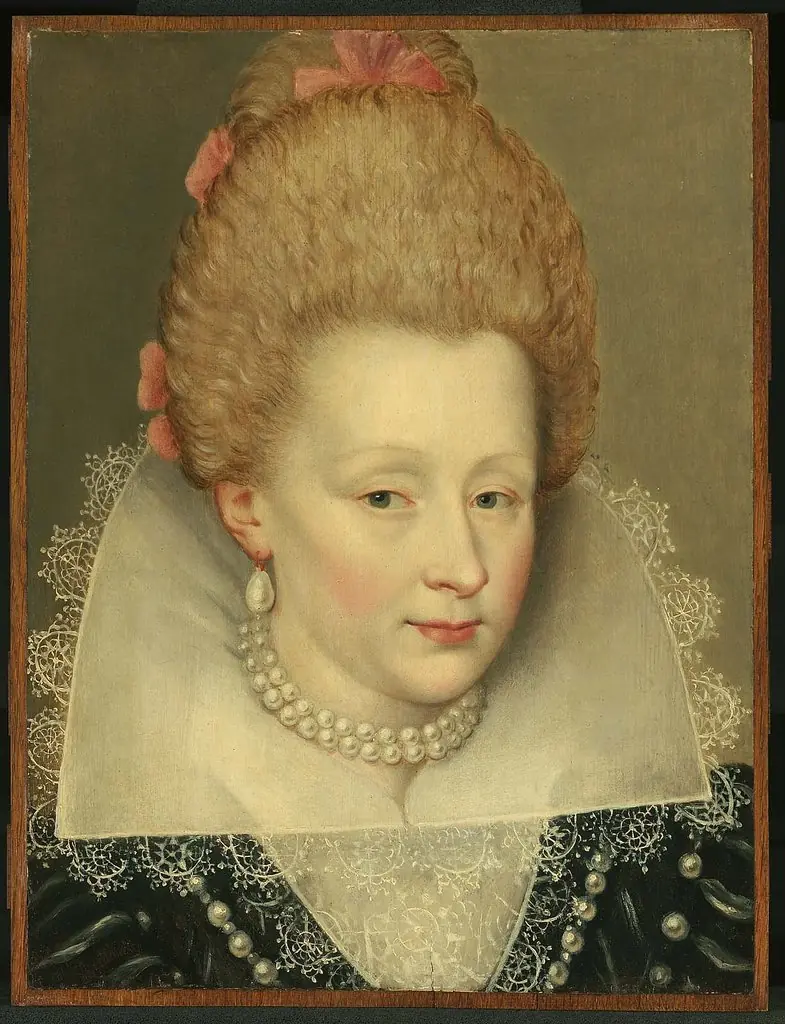 Portrait of a Woman
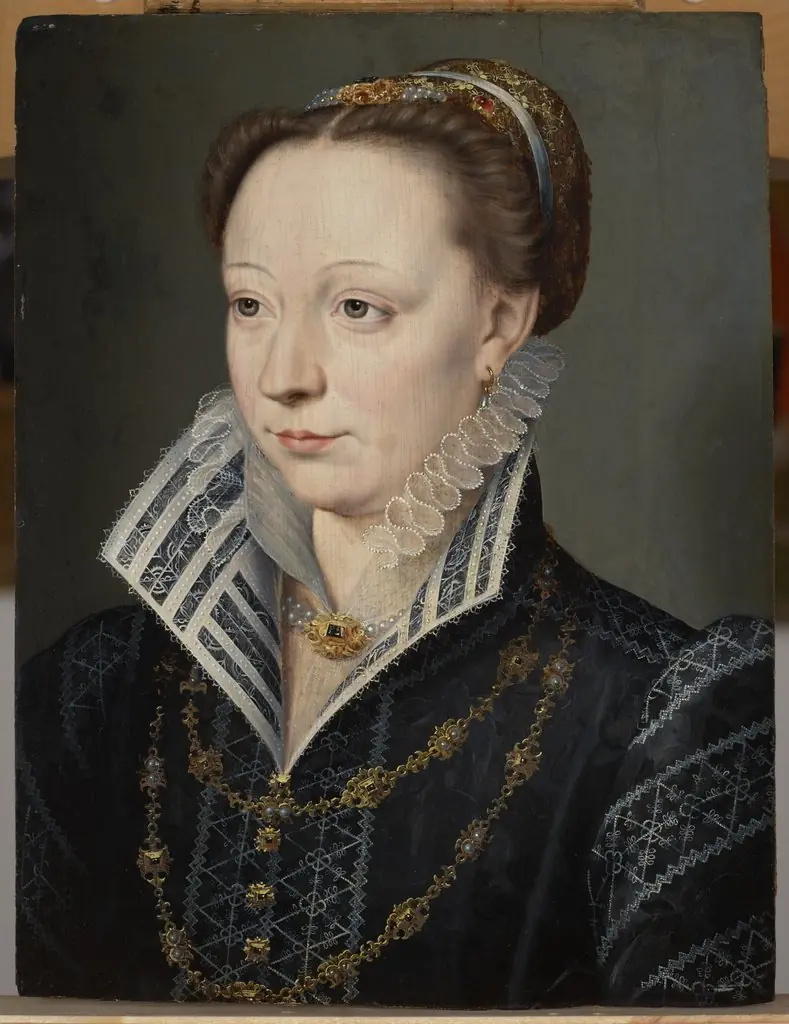 Portrait of Claude Catherine de Clermont-Tonnerre, Duchess of Retz (1543–1603)
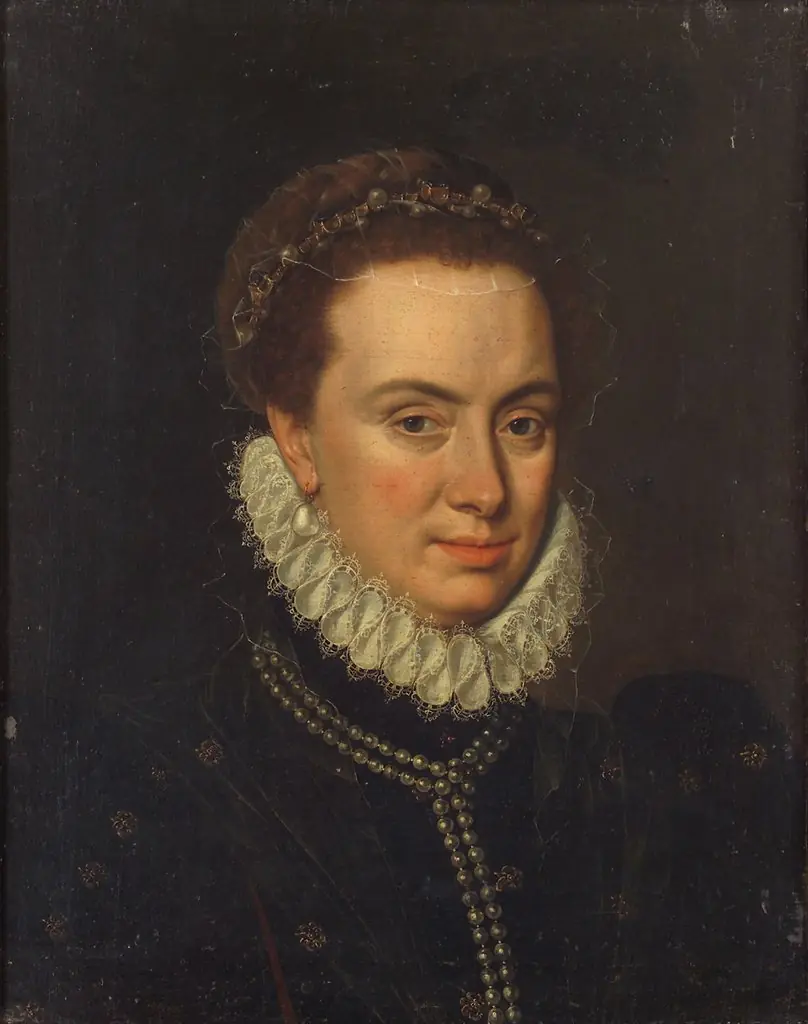 Margarete von Parma (1522-1586), Brustbild der etwa Vierzigjährgen
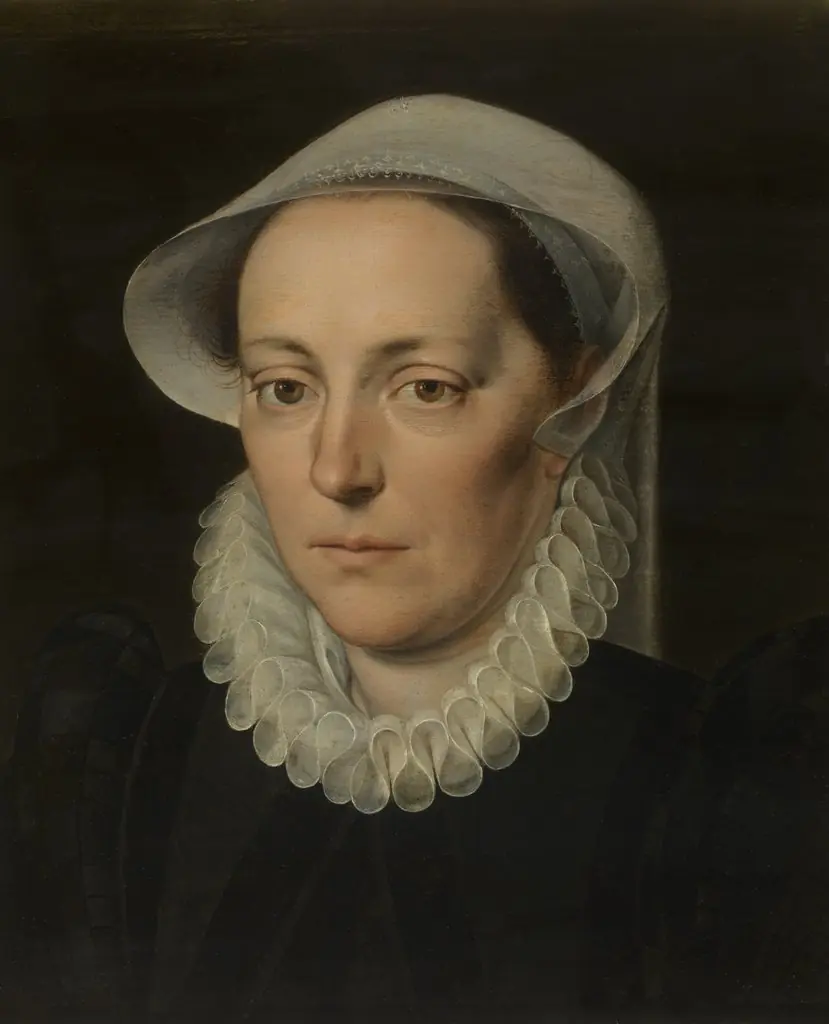 Portrait of a Lady
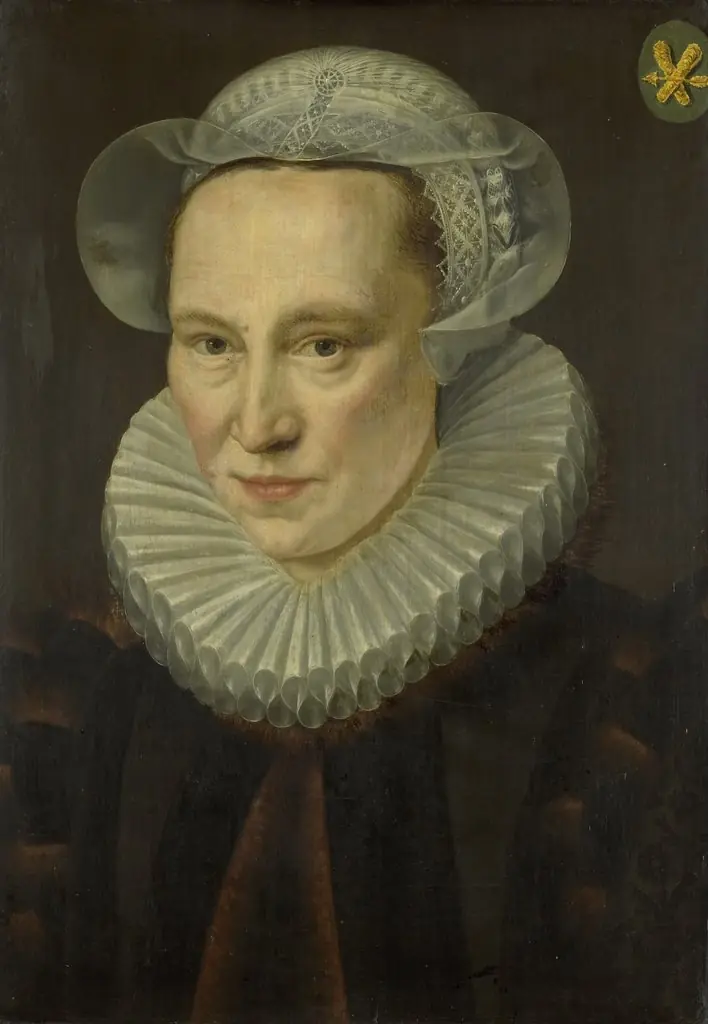 Portrait of Grietje Pietersdr Codde (d. 1607), wife of Jacob Bas
 Portrait of Grietje Pietersdr Codde (1538-1607)
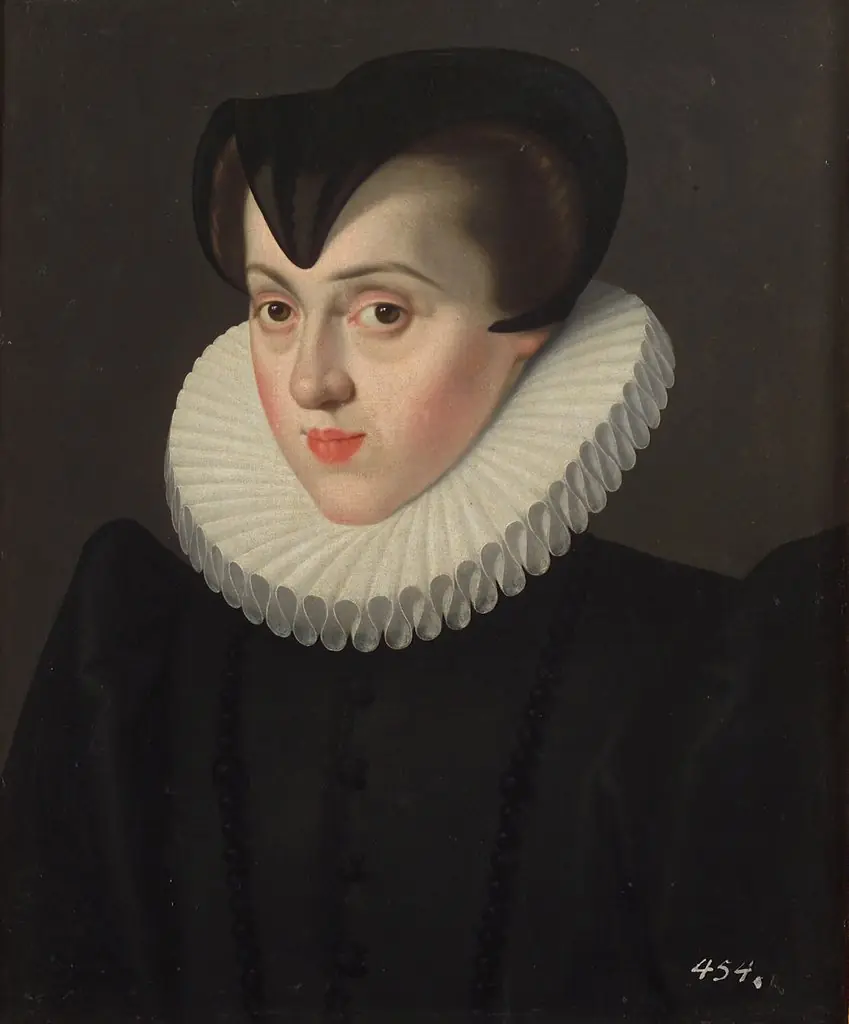 Erzherzogin Elisabeth (1554-1592), Königin von Frankreich, in Witwentracht, Brustbild