Artwork
Portrait of a Man, called the Duc d'Alençon
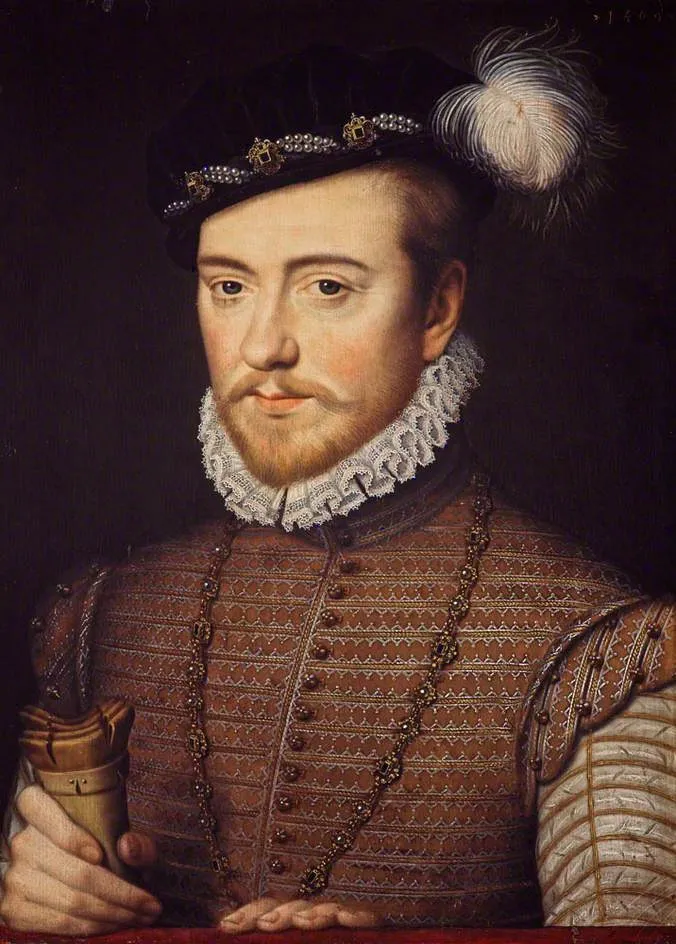
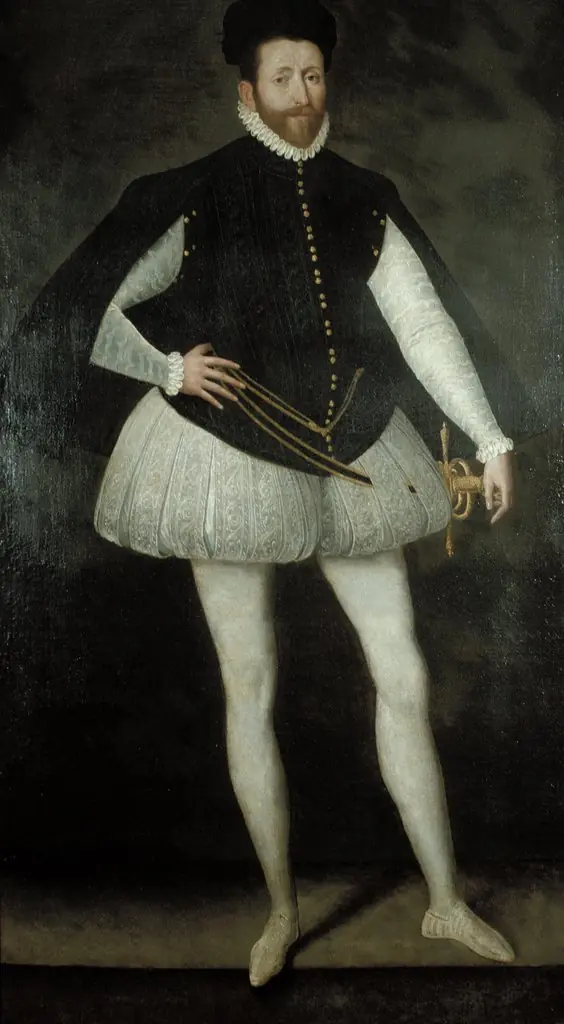
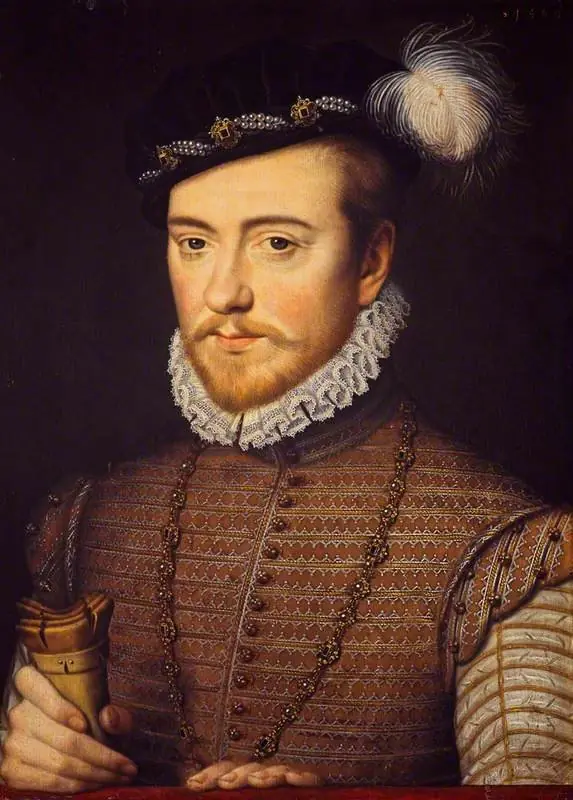
Portrait of a Man, called the Duc d'Alençon is an oil painting by the Mannerist artist François Clouet. It dates from 1569 and is held in the collection of the National Galleries Scotland.
About this work
Overview
Created in 1569 by the French court painter François Clouet, this oil portrait presents a gentleman identified as the Duc d’Alençon. The work is part of the Scottish National Gallery’s holdings and exemplifies the refined portraiture typical of the late French Renaissance.
Subject & Meaning
The sitter is shown in formal 16th‑century attire: a brown doublet patterned with white and gold, a white ruffled collar, and a black hat accented with a white feather. He holds a rolled document in his right hand, a conventional symbol of status and literacy, while his direct gaze conveys a composed authority.
Technique & Style
Clouet employs the meticulous brushwork and subtle modeling associated with Mannerist portraiture, using oil to achieve fine detail in the fabric textures and facial features. The dark, unadorned background serves to isolate the figure, enhancing the three‑dimensional effect and emphasizing the sitter’s presence.
History & Provenance
After remaining in French collections for several centuries, the painting entered the Scottish National Gallery, where it has been displayed as part of the museum’s Renaissance holdings. Its attribution to Clouet rests on stylistic analysis and documentary evidence linking the work to the artist’s known commissions for the royal family.
Artist & collection
Artist
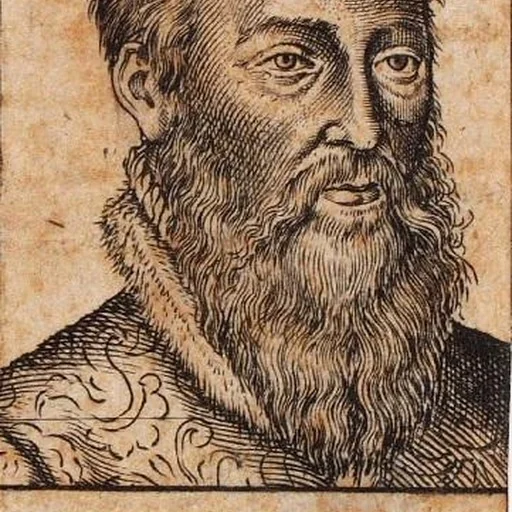
François Clouet spent his life in the royal court of France, painting the rich and powerful in the mid-1500s.

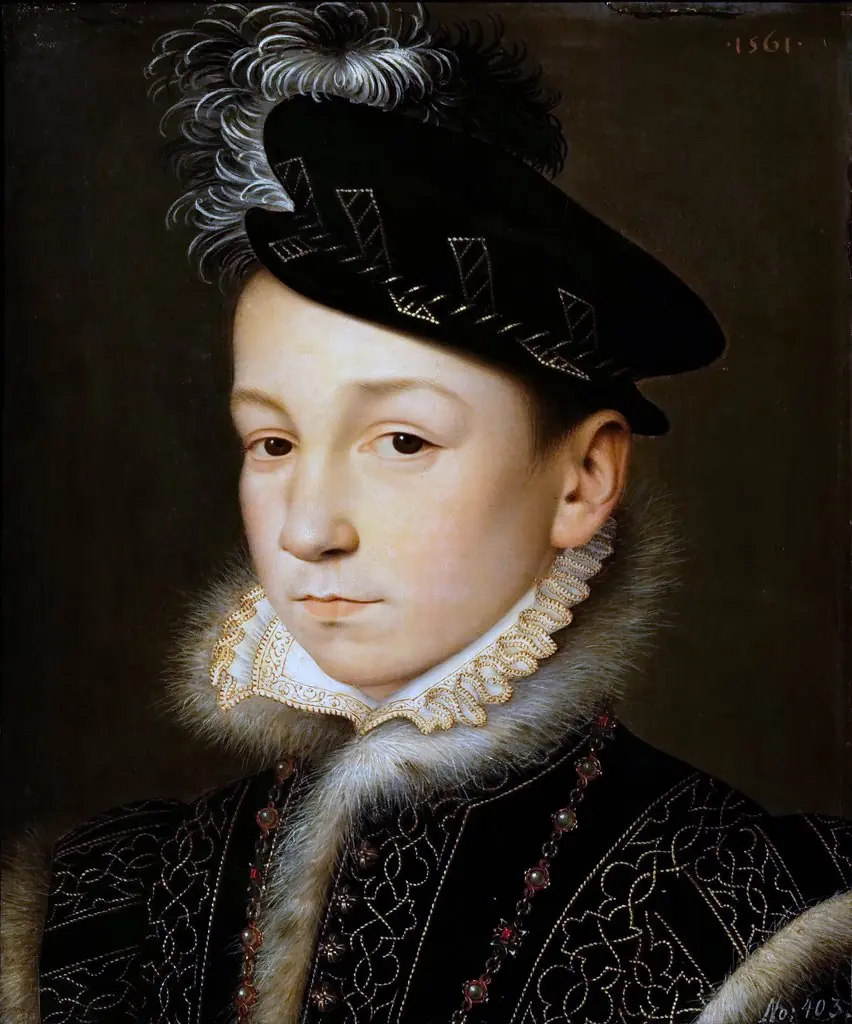
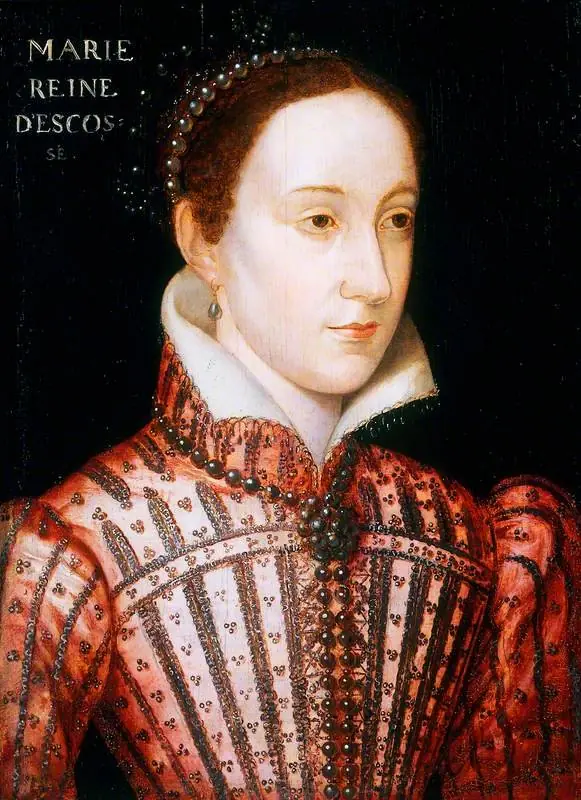
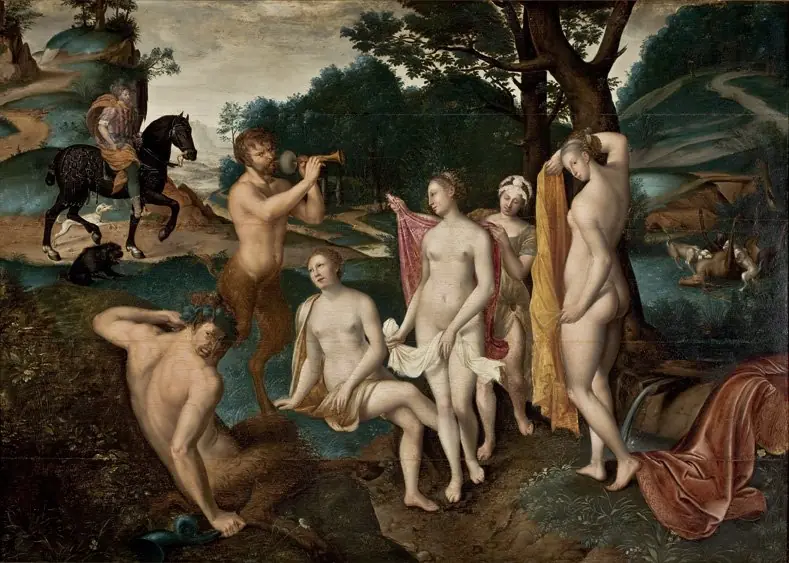
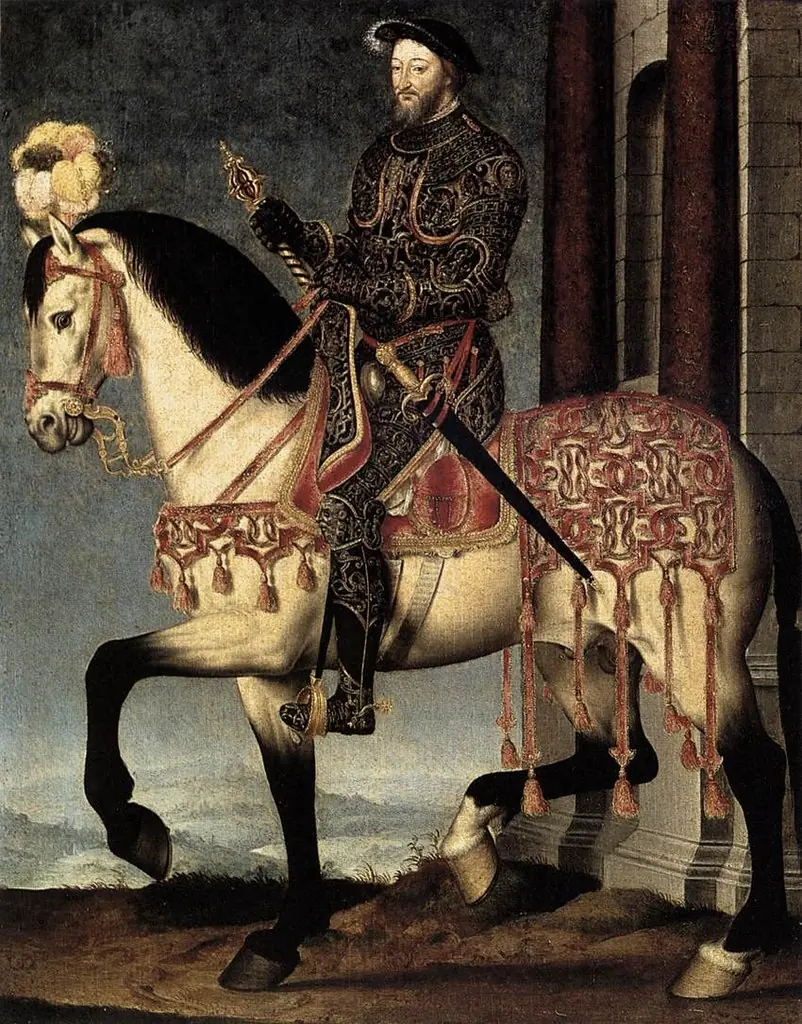
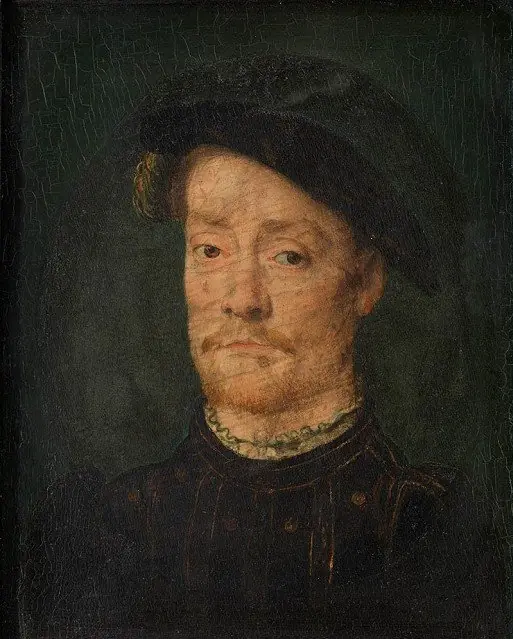 Portrait of a Man
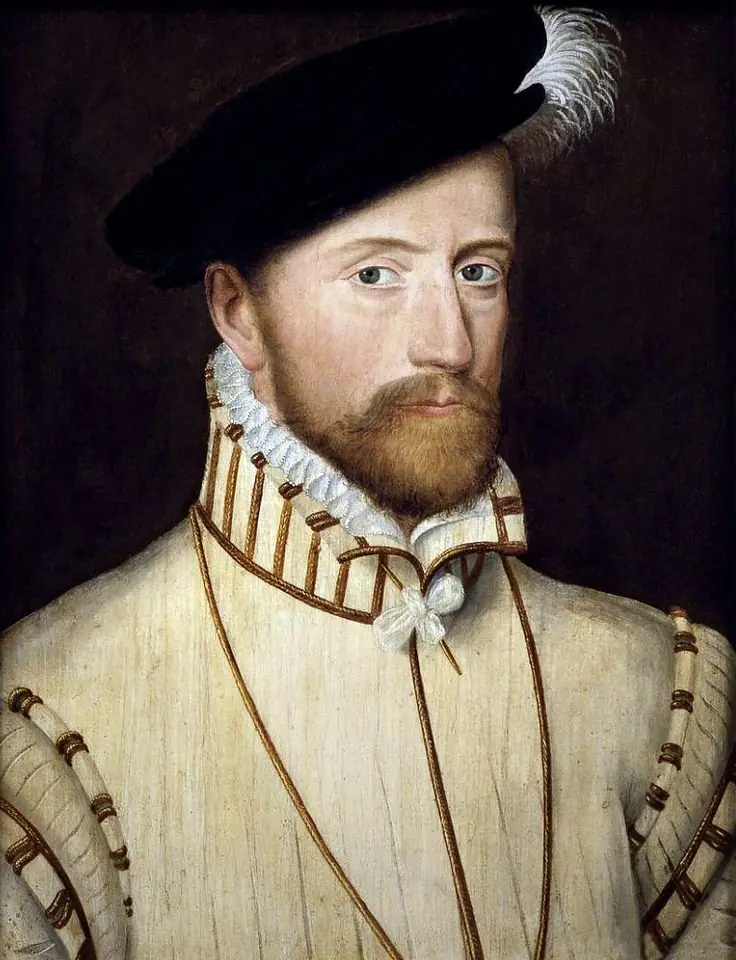 Jacques d'Albon, seigneur de Saint-André (ca. 1505-1562), Marschall von Frankreich
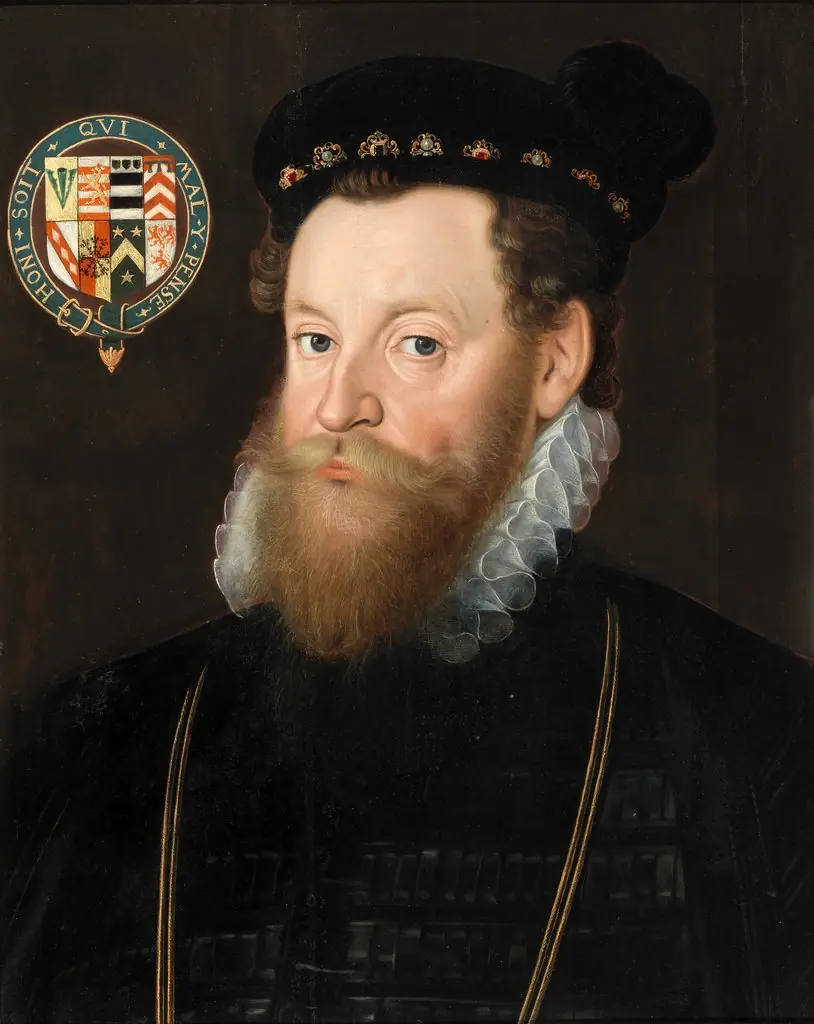 Portrait of Sir Henry Sidney (1529-1586), Lord Deputy of Ireland
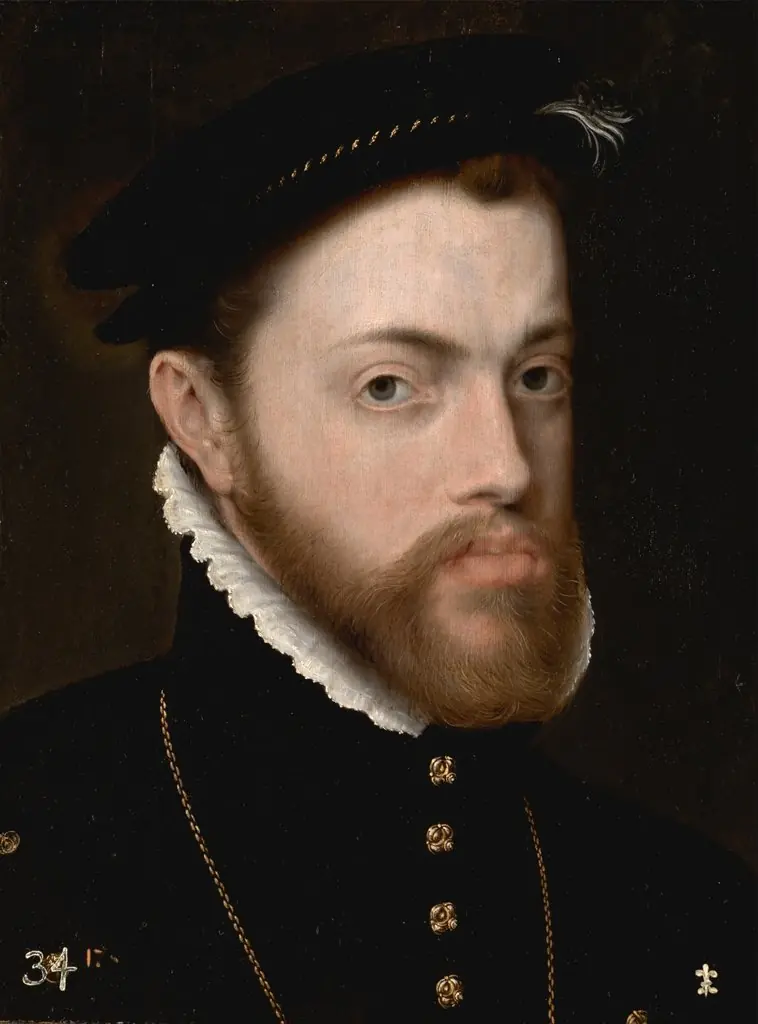 Philip II
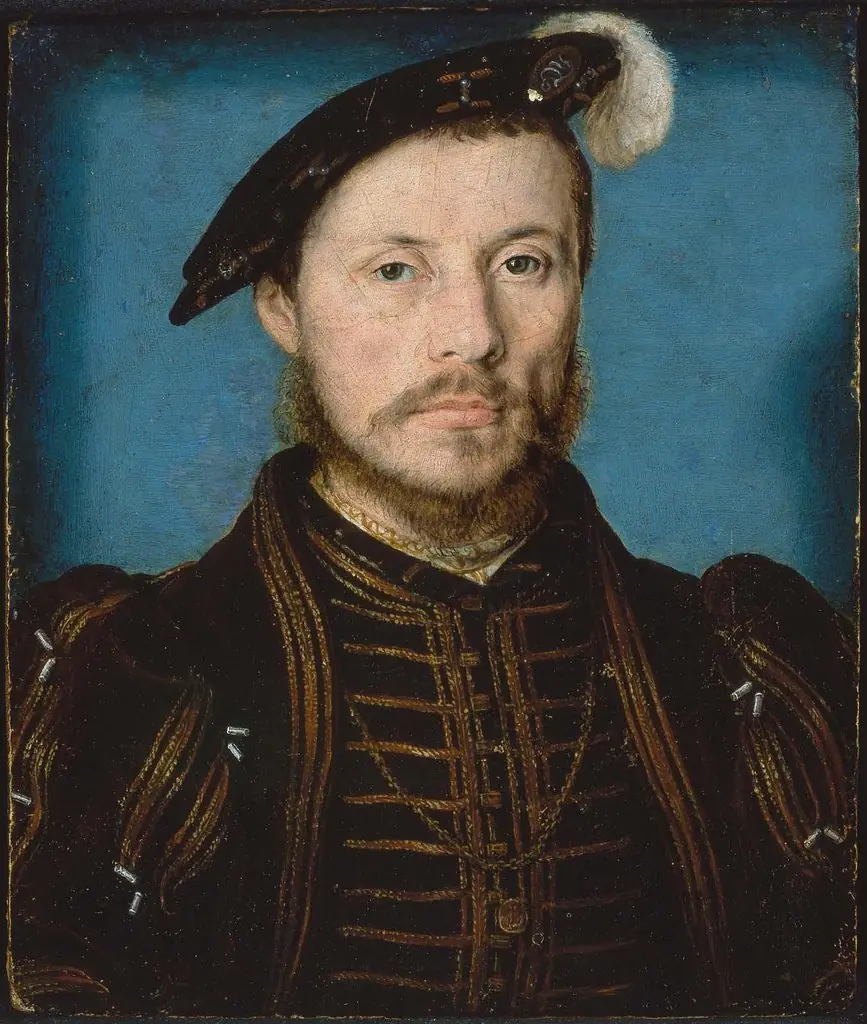 Portrait of a Man, identified as Anne de Montmorency (1493 - 1567)
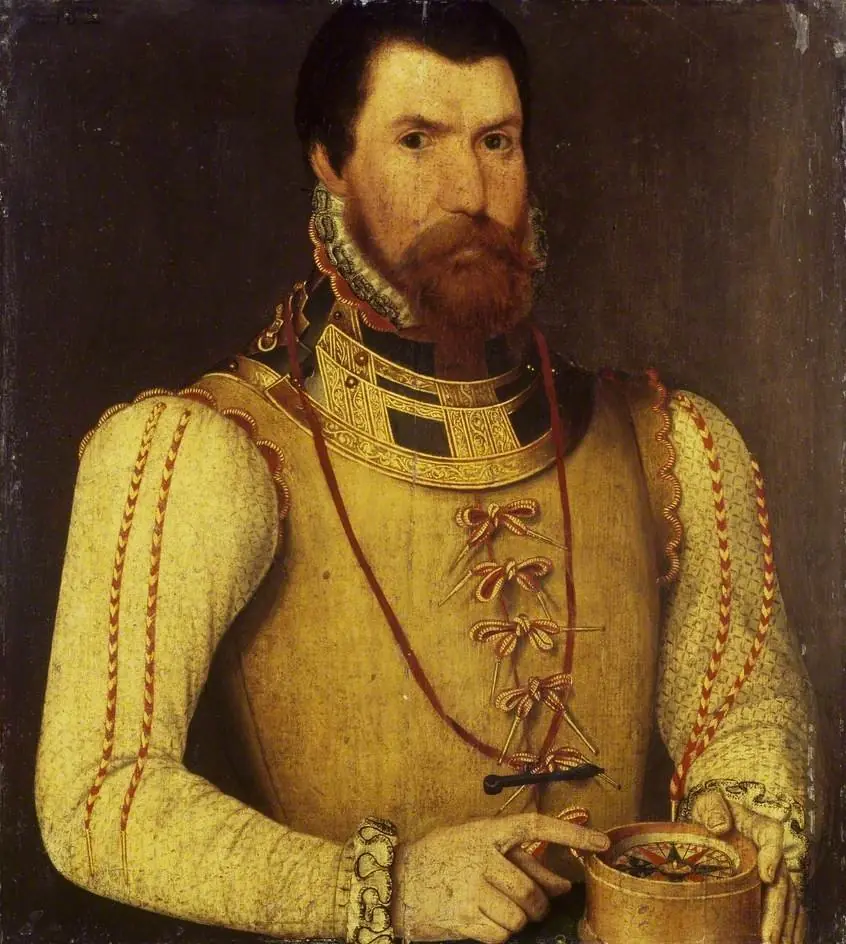 Edward Fiennes de Clinton, Later 1st Earl of Lincoln
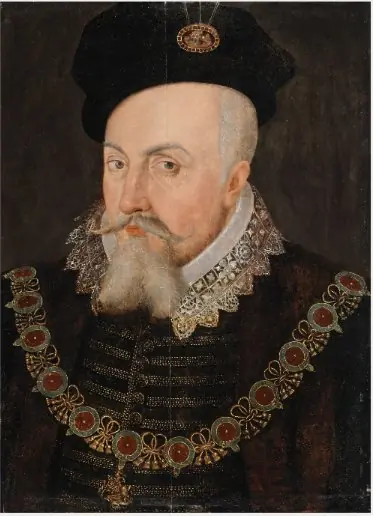 Portrait of Robert Dudley (?1532-1588) Earl of Leicester
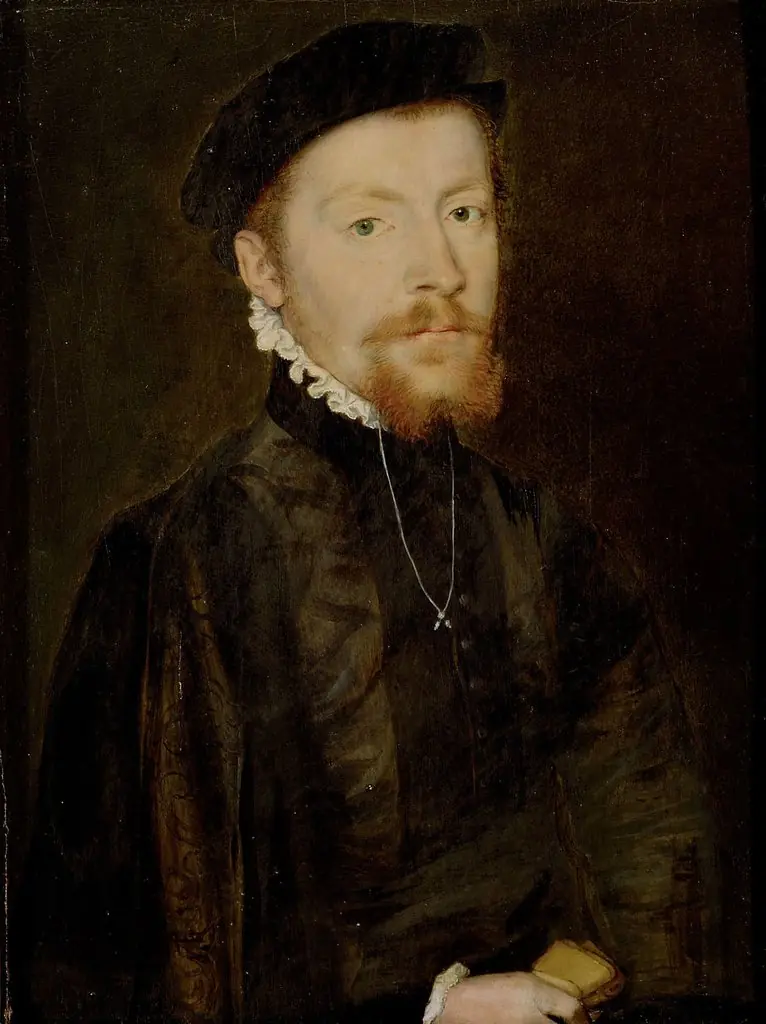 Rotbärtiger Mann
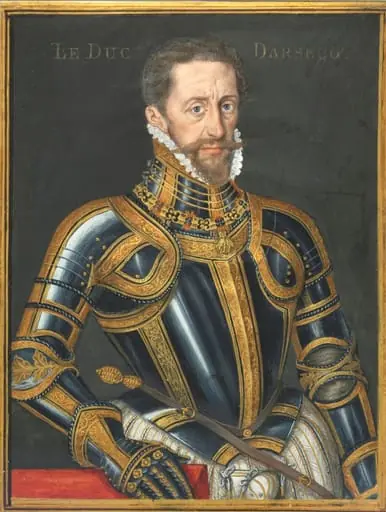 Portrait of Philippe de Croy, Duke of Aerschot
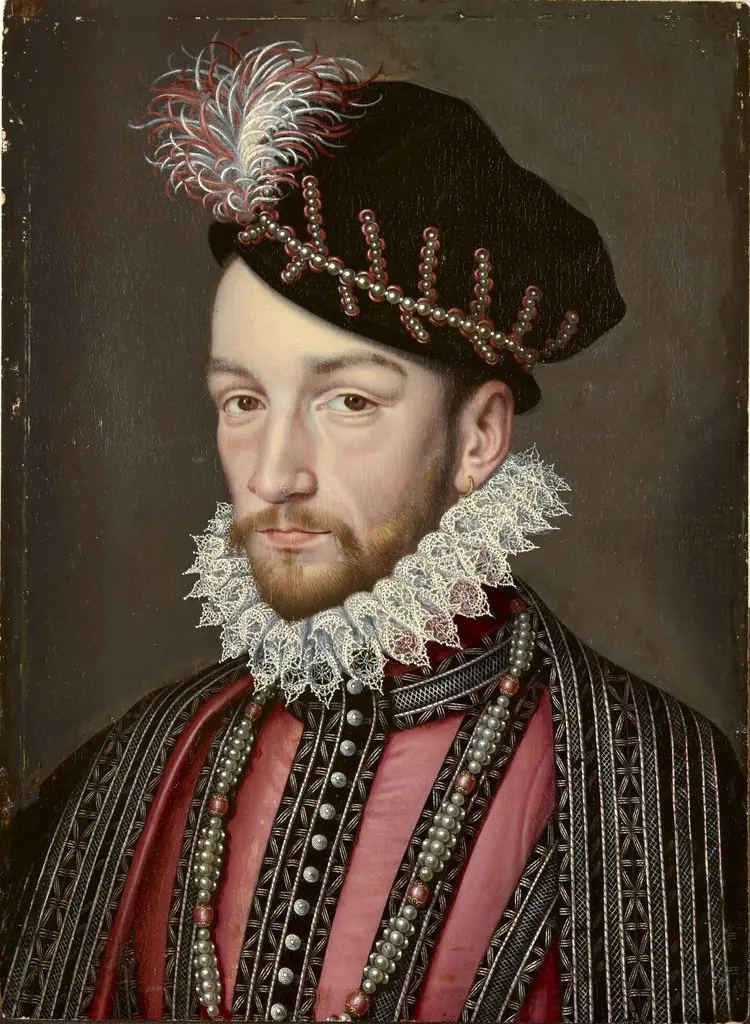 Charles IX, roi de France (1550-1574)