Artwork
Study from Nature at Bex
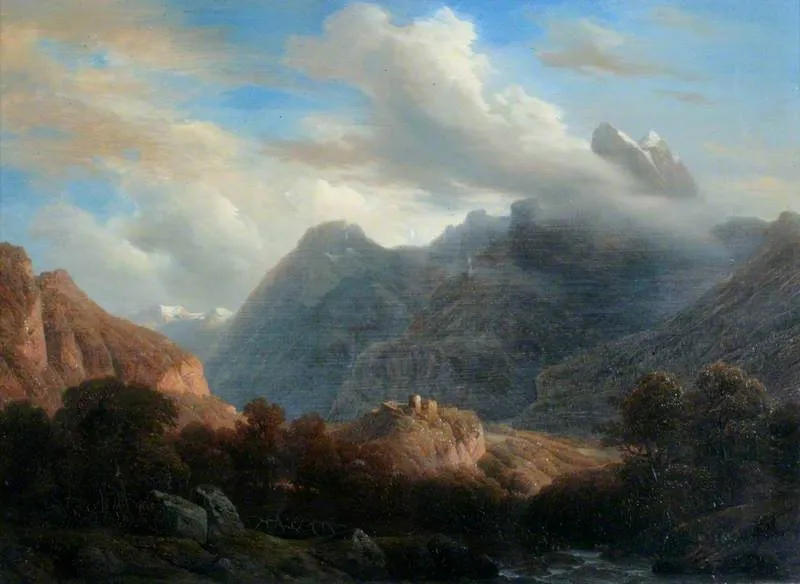
Study from Nature at Bex is an oil painting by François Diday. It dates from 1849 and is held in the collection of the Victoria and Albert Museum.
About this work
Overview
Painted around 1849 by Swiss artist François Diday, this oil work captures a quiet alpine scene near Bex in Switzerland. It is part of the Victoria and Albert Museum’s collection and exemplifies Diday’s commitment to direct observation of natural landscapes. The composition balances foreground vegetation with distant peaks, emphasizing atmospheric depth and subtle tonal shifts.
Subject & Meaning
The painting presents an unidealized view of the Swiss countryside, focusing on the quiet interplay of land, water, and sky. No human figures or structures interrupt the scene, reinforcing a sense of solitude and natural order. The stillness of the stream and the diffuse light suggest a moment of calm, reflecting 19th-century ideals of nature as a refuge from industrialization.
Technique & Style
The sky, painted with thin glazes, allows patches of blue to emerge through cloud cover, creating a sense of luminous atmosphere rather than dramatic contrast.
Diday employed layered brushwork to render textures—rough rock, dense foliage, and shifting clouds—with restrained precision. Colors are muted and earth-toned, with cool grays and browns dominating the mountains and soft greens for the trees. The sky, painted with thin glazes, allows patches of blue to emerge through cloud cover, creating a sense of luminous atmosphere rather than dramatic contrast.
History & Provenance
Created during Diday’s period of active landscape study in the Swiss Alps, the work was likely made en plein air, consistent with his practice. It entered the Victoria and Albert Museum’s collection in the late 19th century as part of a broader effort to document European artistic responses to nature. Its provenance remains largely unaltered since acquisition.
Context
In mid-19th-century Switzerland, artists increasingly turned to local topography as subject matter, moving away from idealized classical landscapes. Diday’s work aligns with this regional shift, influenced by both Romantic sensibilities and emerging scientific interest in geology and meteorology. His focus on specific, observable sites contributed to a growing tradition of topographical realism.
Legacy
Though not widely exhibited outside institutional collections, the painting reflects Diday’s role in shaping Swiss landscape painting’s transition toward direct observation. His studies like this one provided a foundation for later generations of Alpine painters, emphasizing fidelity to natural conditions over romantic embellishment.
Artist & collection

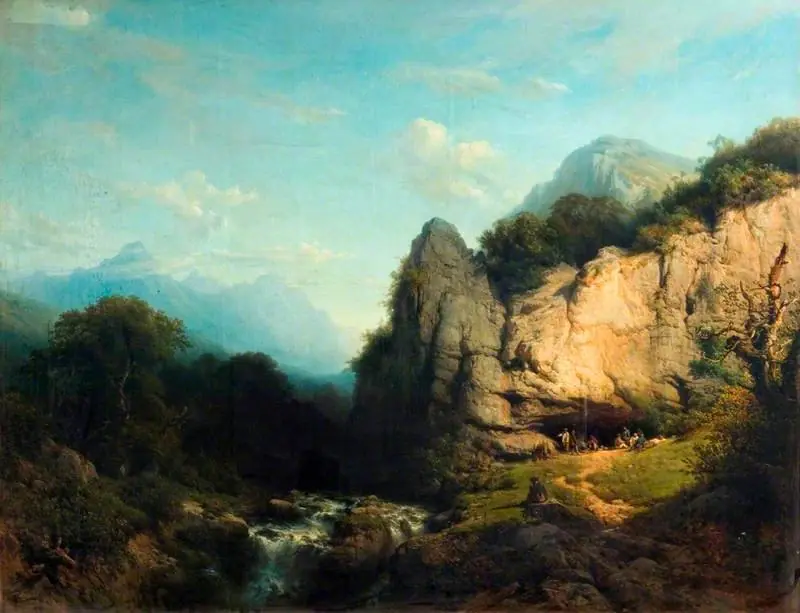 A View in the Tyrol
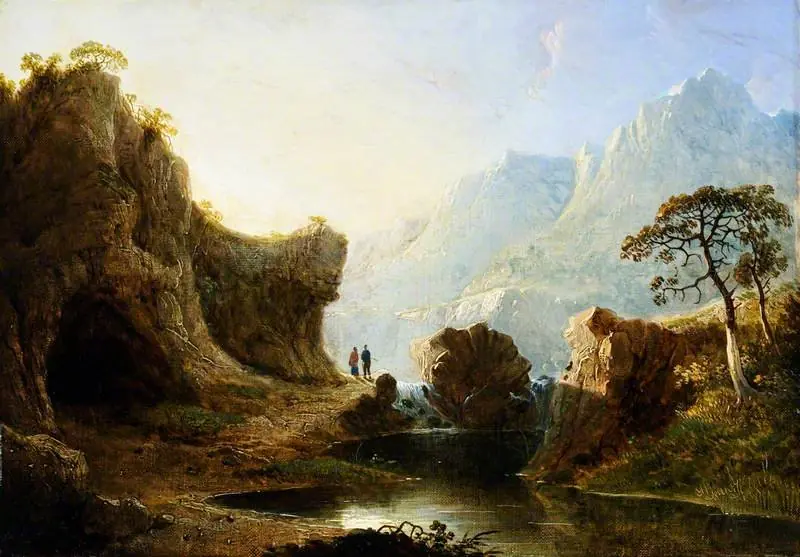 Mountain Landscape with Rocks
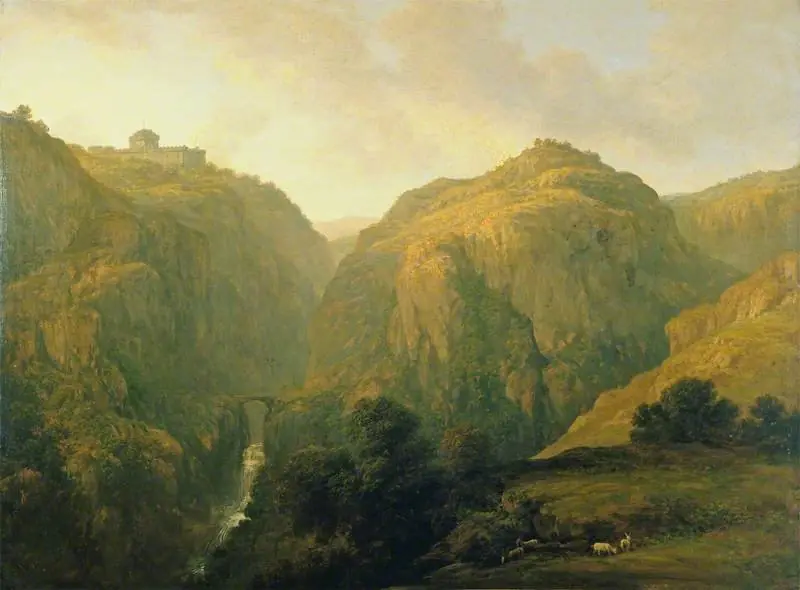 A Mountainous Landscape
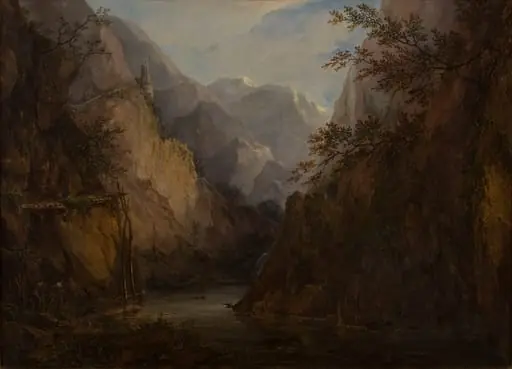 Norjalainen tunturimaisema
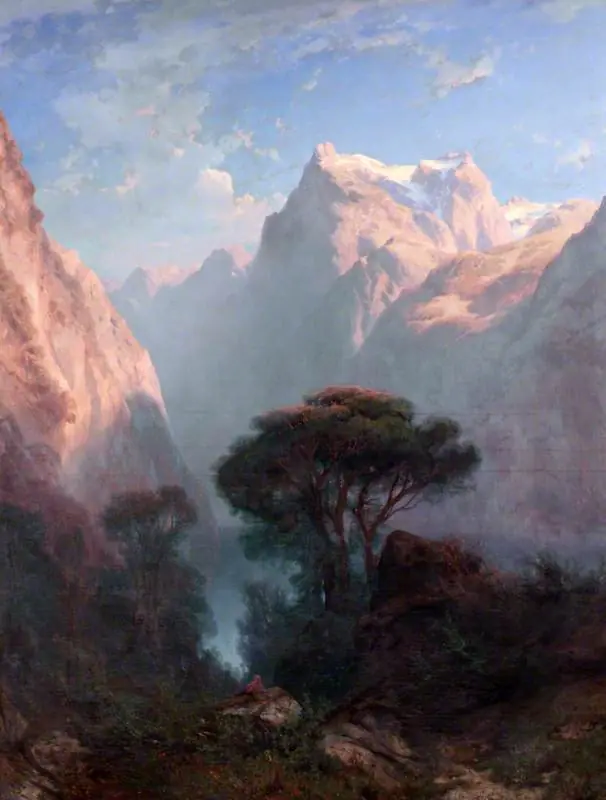 Lake of the Four Cantons (Lake Lucerne), near Brunnen
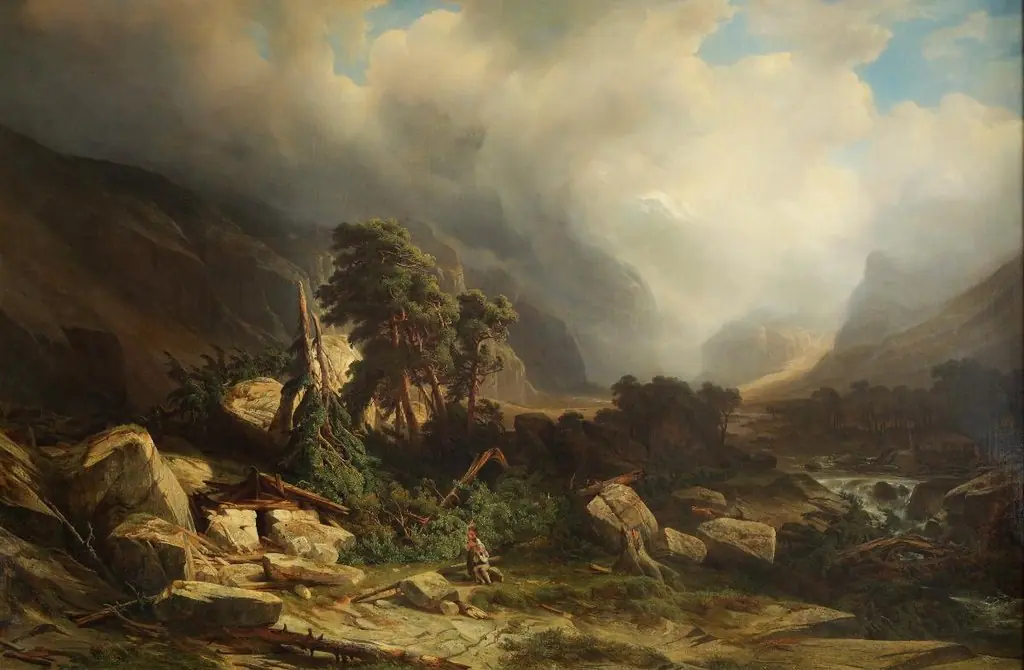 L'Éboulement (après l'orage)
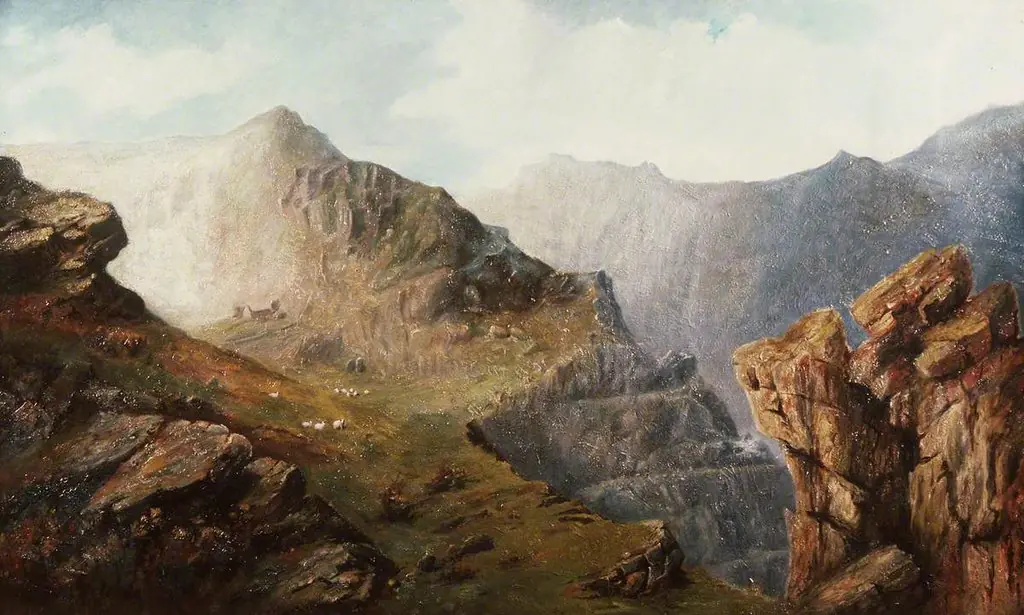 Dinorwic Slate Quarry
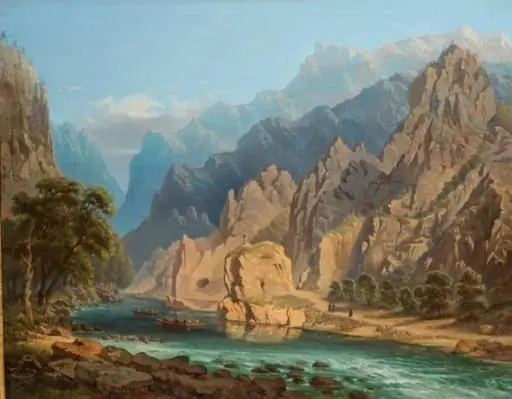 Pe Valea Oltului
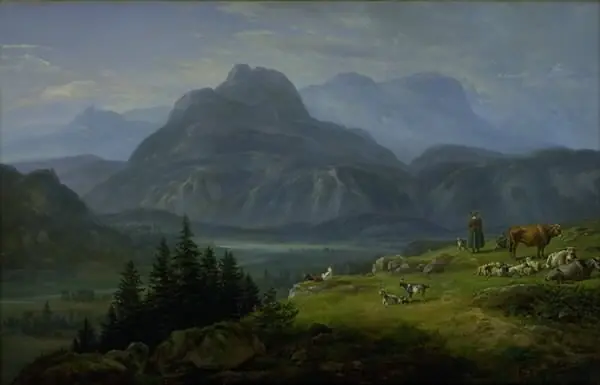 The Etsch Valley near Roveredo
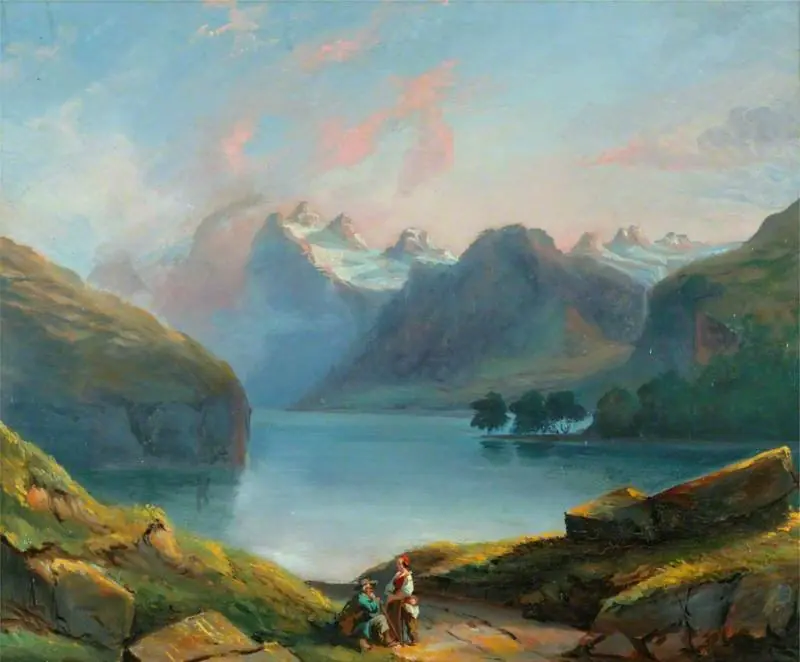 Lake Scene
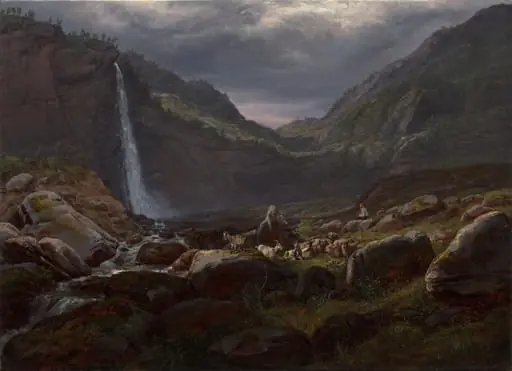 Feige Waterfall (Feigefossen), Lysterfjord, Norway
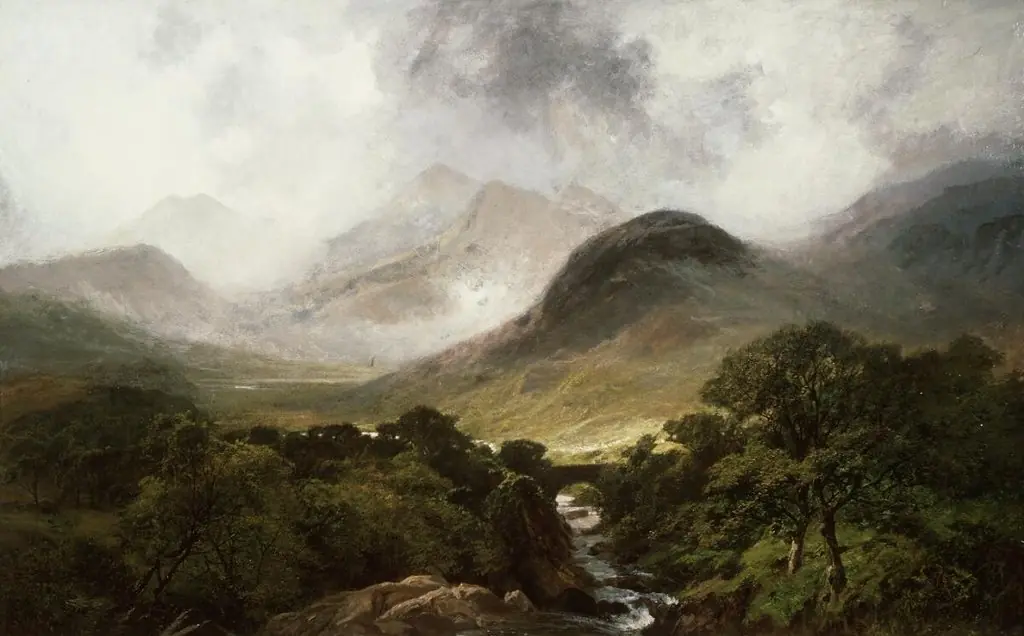 Snowdon