Artwork
Feige Waterfall (Feigefossen), Lysterfjord, Norway
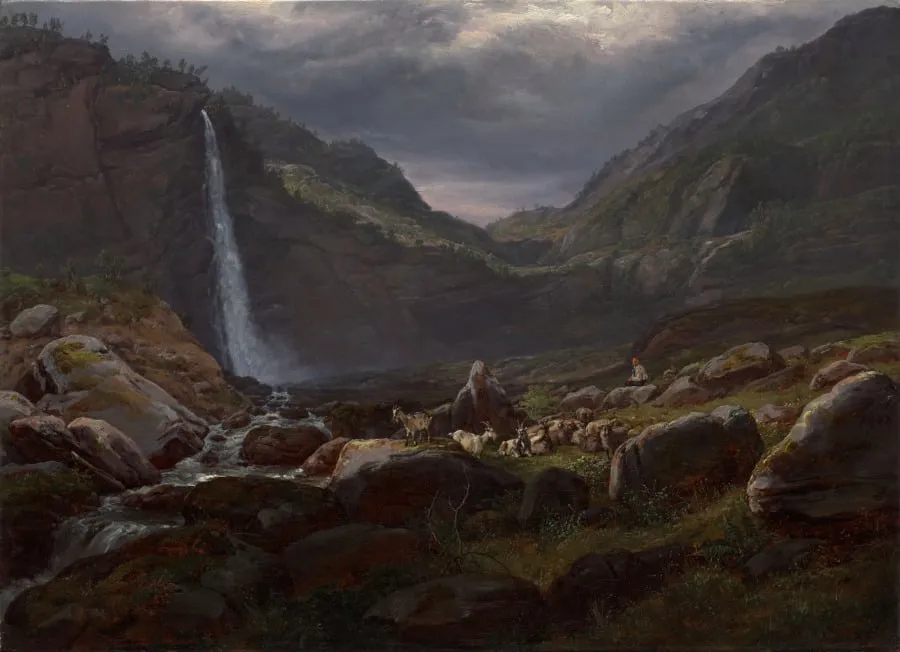
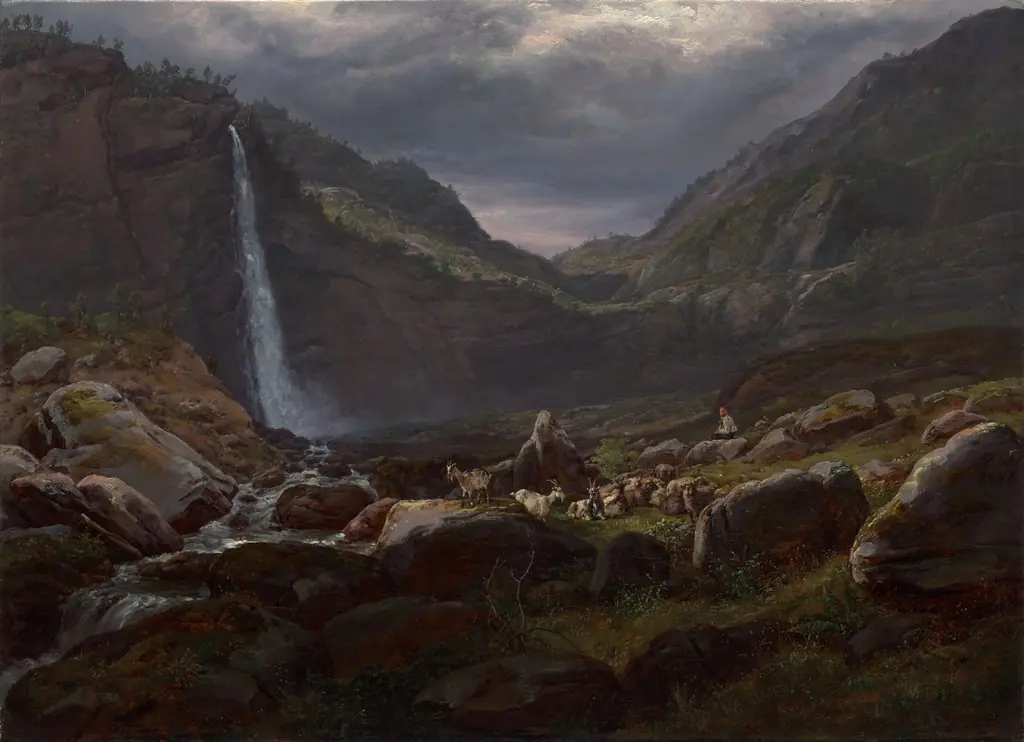
Feige Waterfall (Feigefossen), Lysterfjord, Norway is an unspecified painting by the Romanticist artist Johan Christian Dahl. It dates from 1848 and is held in the collection of the Cleveland Museum of Art.
About this work
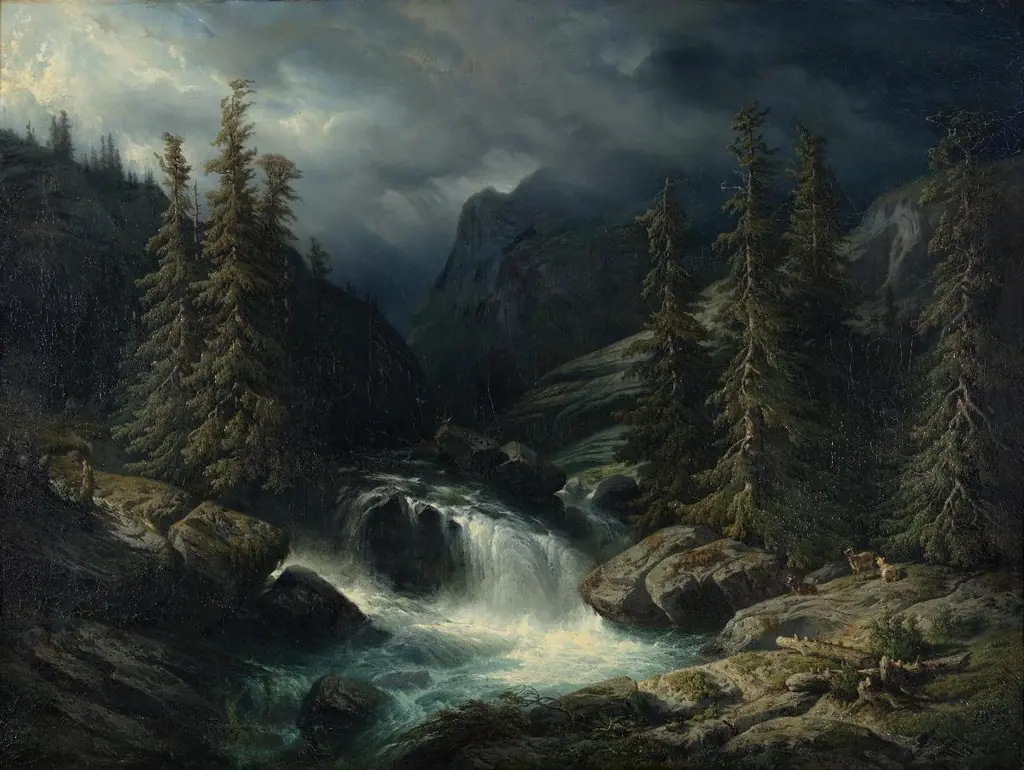
You see a roaring waterfall crashing down dark cliffs into a misty fjord, framed by jagged mountains under a stormy sky.
You see a roaring waterfall crashing down dark cliffs into a misty fjord, framed by jagged mountains under a stormy sky.
Dahl painted this spot in 1848 when Norway was trying to define its own culture. The waterfall was already famous, but his painting made it feel like a national symbol. The way he shows light breaking through the clouds makes the scene feel alive, almost like the land itself is proud.
If you like this, look up other paintings of norway, mod euro.
Overview
Feige Waterfall (Feigefossen), Lysterfjord, Norway is a painting by Johan Christian Dahl, depicting a dramatic Norwegian landscape with a roaring waterfall, dark cliffs, a misty fjord, and jagged mountains under a stormy sky.
Subject & Meaning
The painting captures a nationally revered natural wonder, contributing to Norway's burgeoning national identity in the mid-19th century. Dahl's work transformed the Feige Waterfall into a symbolic representation of Norwegian heritage.
Technique & Style
Dahl's use of light, with rays breaking through the stormy clouds, imbues the scene with dynamism and a sense of national pride, characteristic of the Romantic era's emphasis on emotional and patriotic connections to landscape.
History & Provenance
Painted in 1848, during Norway's quest for cultural distinctiveness, this work solidified Dahl's reputation as a leading Norwegian and Romantic-era landscape painter.
Context
Created amidst Norway's 19th-century national awakening, the painting reflects the era's desire to assert a unique cultural identity through the celebration of its natural landscapes.
Legacy
Feige Waterfall (Feigefossen), Lysterfjord, Norway remains significant not only for its artistic merit but also for its role in fostering Norwegian national pride and influencing the broader European Romantic landscape tradition.
Artist & collection
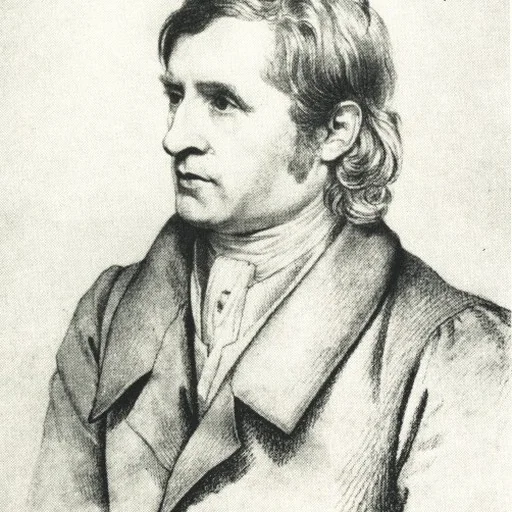
Artist
Johan Christian Claussen Dahl (24 February 1788 – 14 October 1857), often known as J.