Artwork
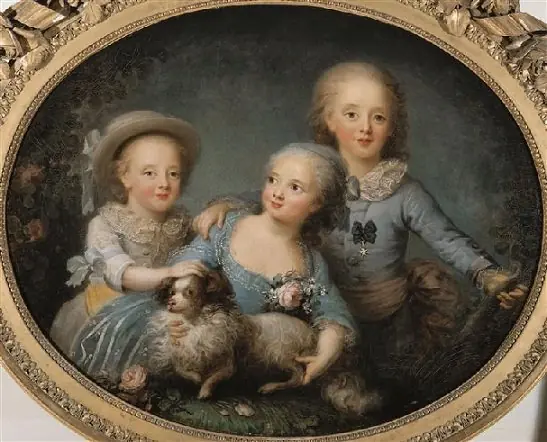
The Duke of Berry and the Count of Provence as Children
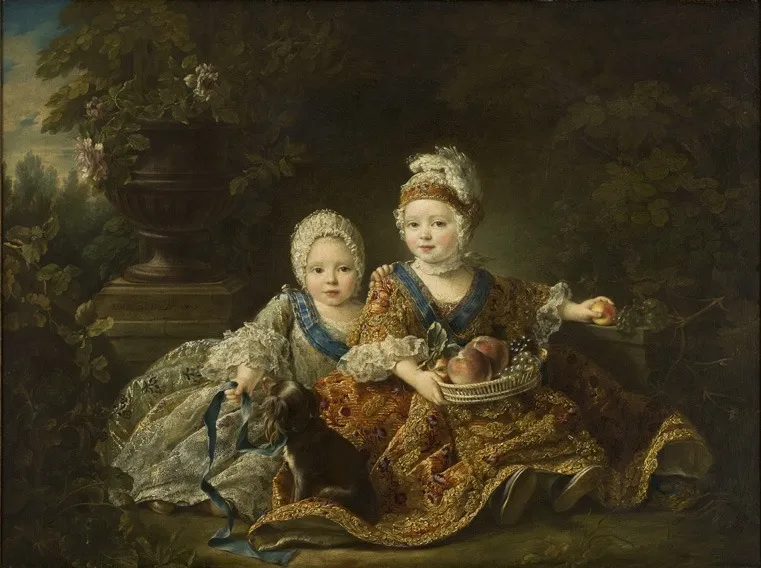
The Duke of Berry and the Count of Provence as Children is an oil painting by the Rococo painting artist François-Hubert Drouais. It dates from 1757 and is held in the collection of the São Paulo Museum of Art.
About this work
Overview
Drouais, a favored portraitist of the French court, rendered the boys with quiet formality amid a garden setting.
Painted in 1757 by François-Hubert Drouais, this oil portrait captures the young Duke of Berry and the Count of Provence, future kings of France, in their childhood. Drouais, a favored portraitist of the French court, rendered the boys with quiet formality amid a garden setting. The work reflects the Rococo era’s emphasis on aristocratic grace and intimate domesticity, commissioned to commemorate royal lineage rather than to depict action or narrative.
Subject & Meaning
The two boys, Louis-Auguste (later Louis XVI) and his younger brother Charles-Philippe (later Louis XVIII), are portrayed not as rulers but as heirs, their identities signaled by their titles and attire. The fruit basket held by the younger child suggests abundance and continuity, while their matching postures convey kinship. Their clothing, though ornate, avoids theatricality, reinforcing the painting’s role as a dynastic record rather than a fantasy.
Technique & Style
Drouais employed soft brushwork and delicate tonal transitions to render silk, lace, and foliage with subtle realism. The palette is restrained yet rich, with golds and whites contrasting against the deep greens of the background. Light falls evenly, avoiding dramatic shadows, which aligns with Rococo ideals of harmony and refinement. The composition is balanced, with the children centered and the urn and flowers framing them without distraction.
History & Provenance
Commissioned during the reign of Louis XV, the painting remained within royal circles before entering private collections. It was acquired by the São Paulo Museum of Art in the 20th century, becoming part of its European holdings. Its journey from Versailles to Brazil reflects broader patterns of art dispersal following the French Revolution and the globalization of museum collections in the modern era.
Context
In mid-18th-century France, portraiture of royal children served political and symbolic functions, affirming succession and stability. Drouais’s style, influenced by his teacher Jean-Baptiste Greuze and the tradition of French court painting, emphasized psychological subtlety over grandeur. This work aligns with a trend of intimate royal imagery that softened the monarchy’s image amid growing public scrutiny.
Legacy
Though less celebrated than Drouais’s adult portraits, this painting offers insight into how the French monarchy cultivated its public image through childhood representation. It remains a key example of Rococo portraiture’s blend of elegance and restraint, preserving the likenesses of two monarchs before their fates were shaped by revolution and exile.
Artist & collection
Artist
François-Hubert Drouais (French pronunciation: ; Paris, 14 December 1727 – Paris, 21 October 1775) was a leading French portrait painter during the latter years of Louis XV's reign.

 Marie Rinteau, called Mademoiselle de Verrières
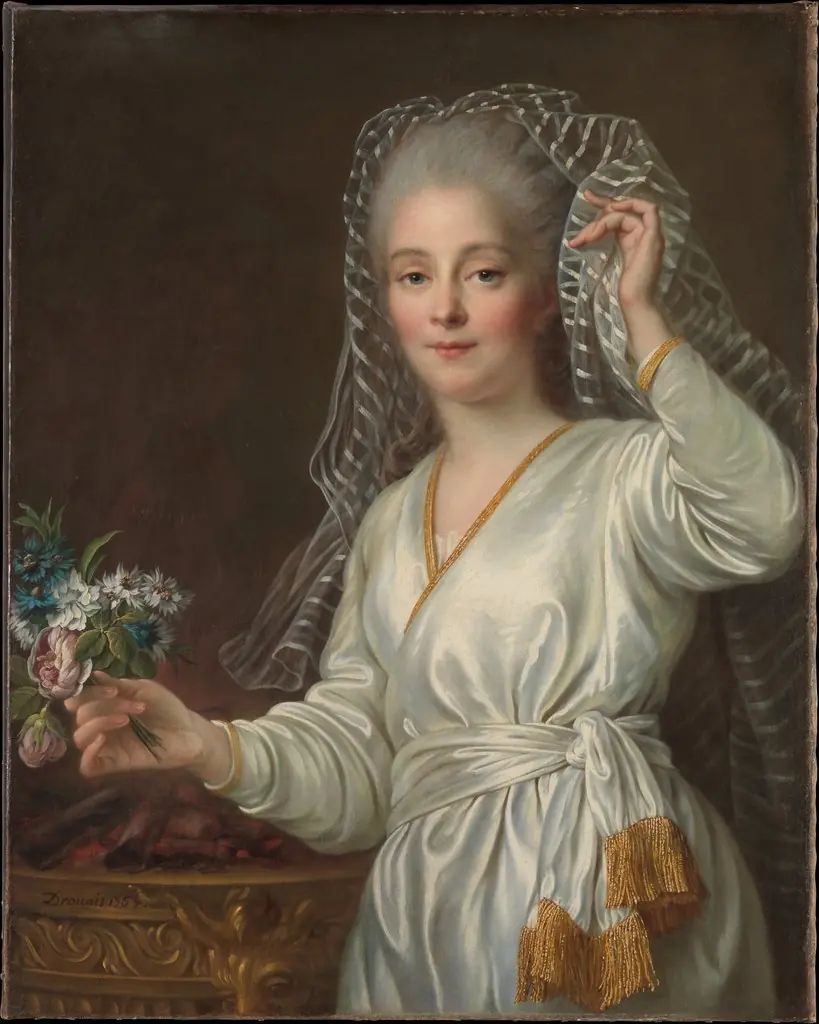 Portrait of a Young Woman as a Vestal Virgin
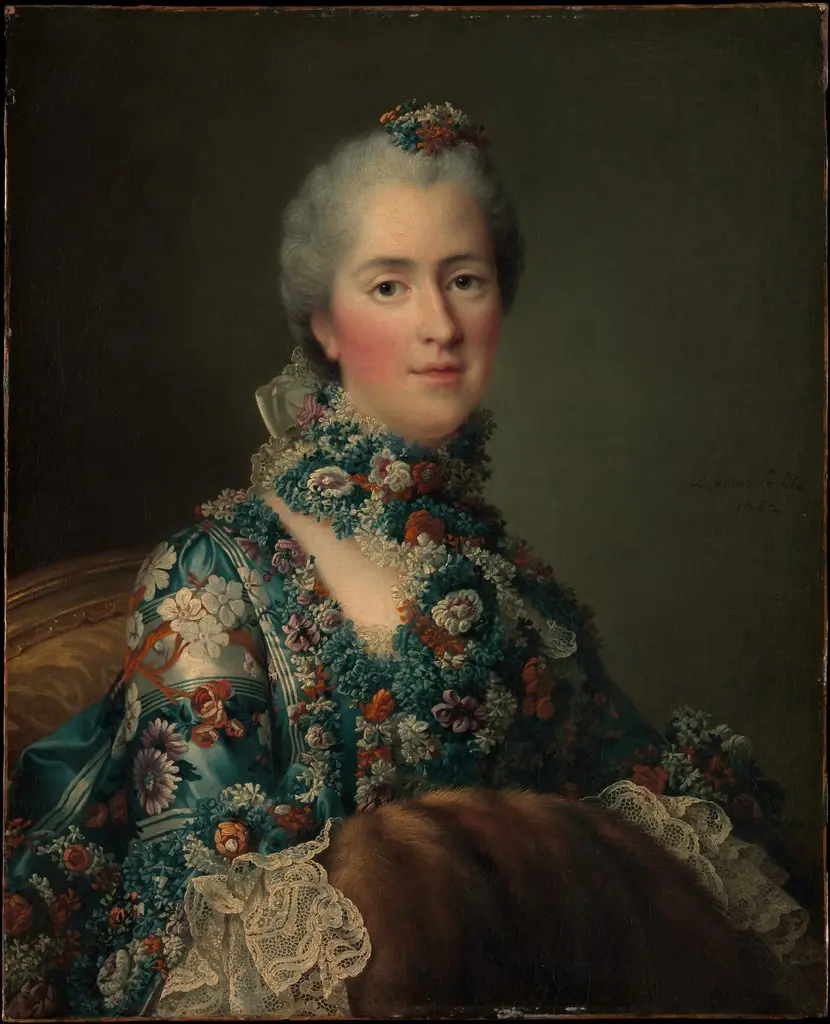 Madame Sophie de France (1734–1782)
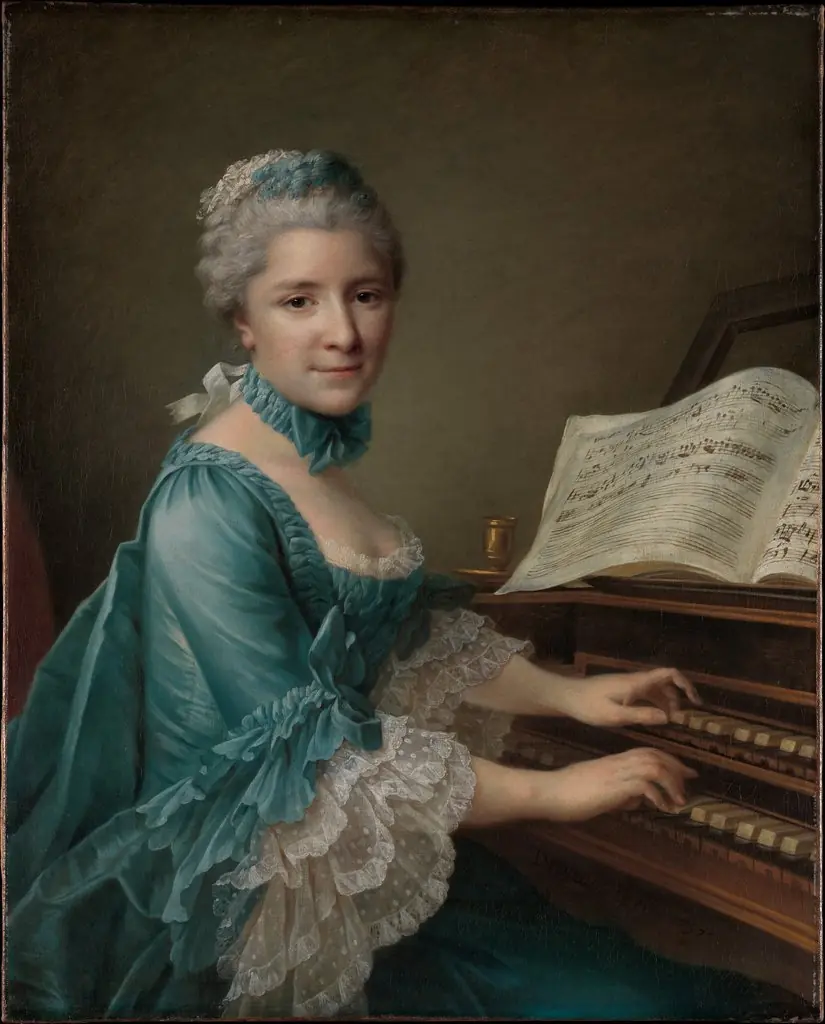 Portrait of a Woman, Said to be Madame Charles Simon Favart (Marie Justine Benoîte Duronceray, 1727–1772)
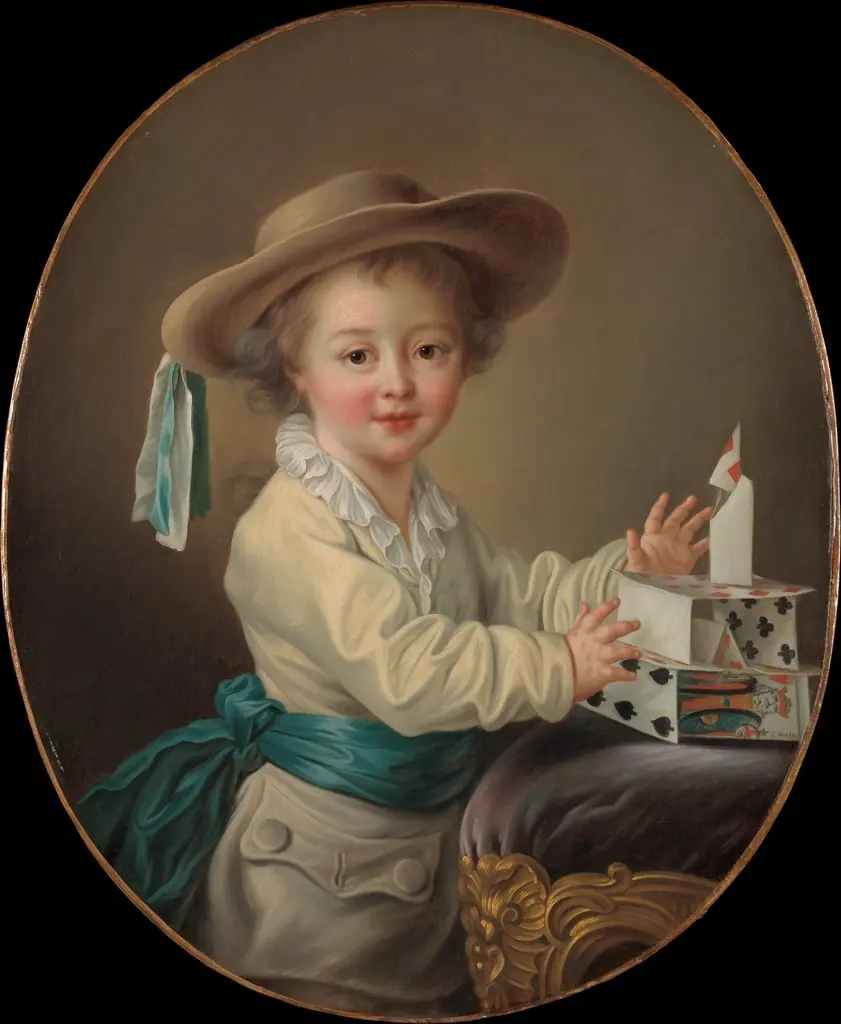 Boy with a House of Cards
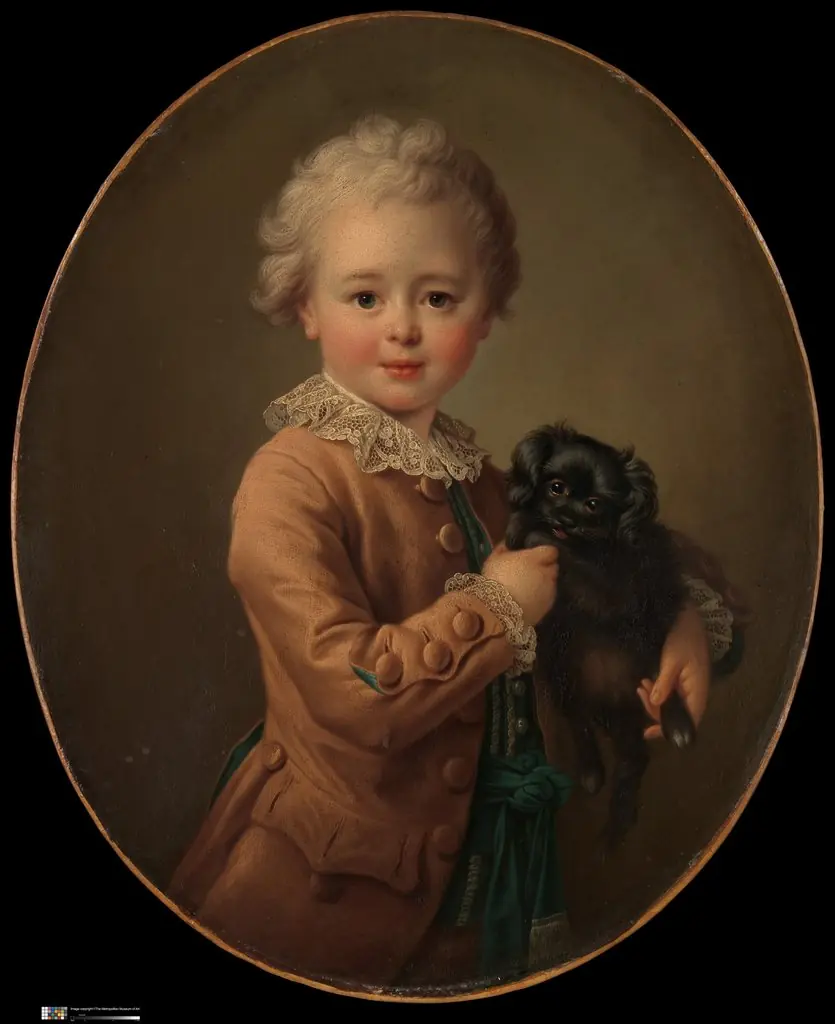 Boy with a Black Spaniel
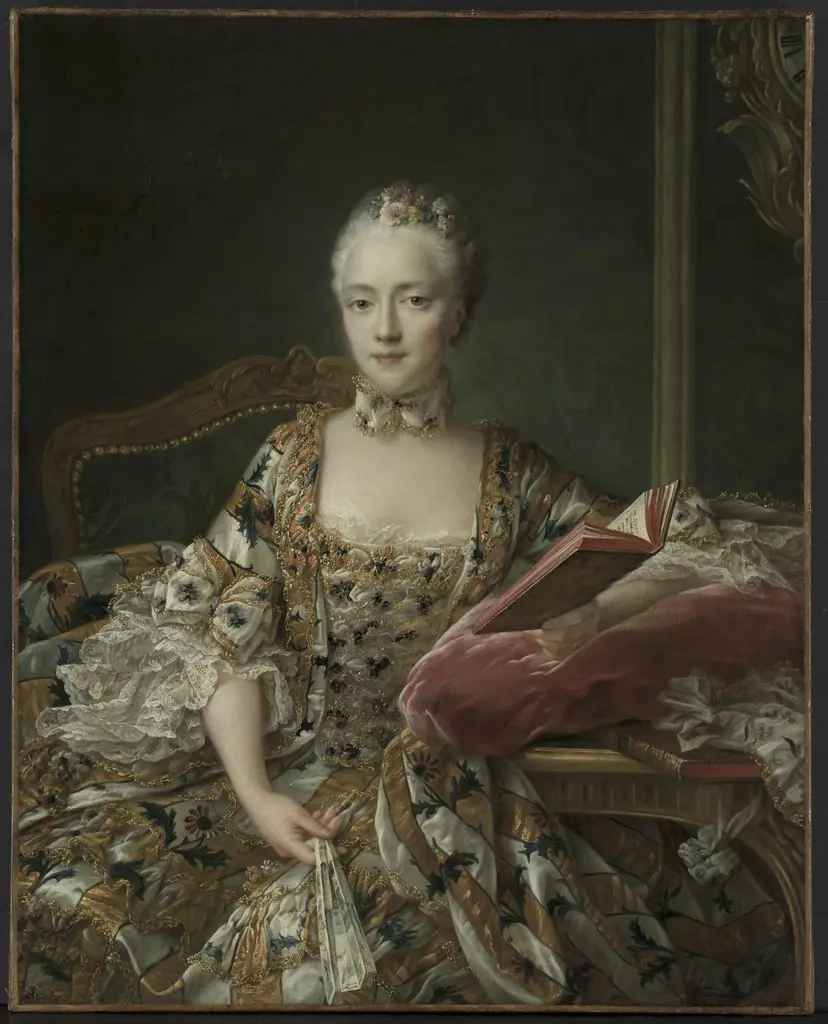 Portrait of the Marquise d'Aguirandes
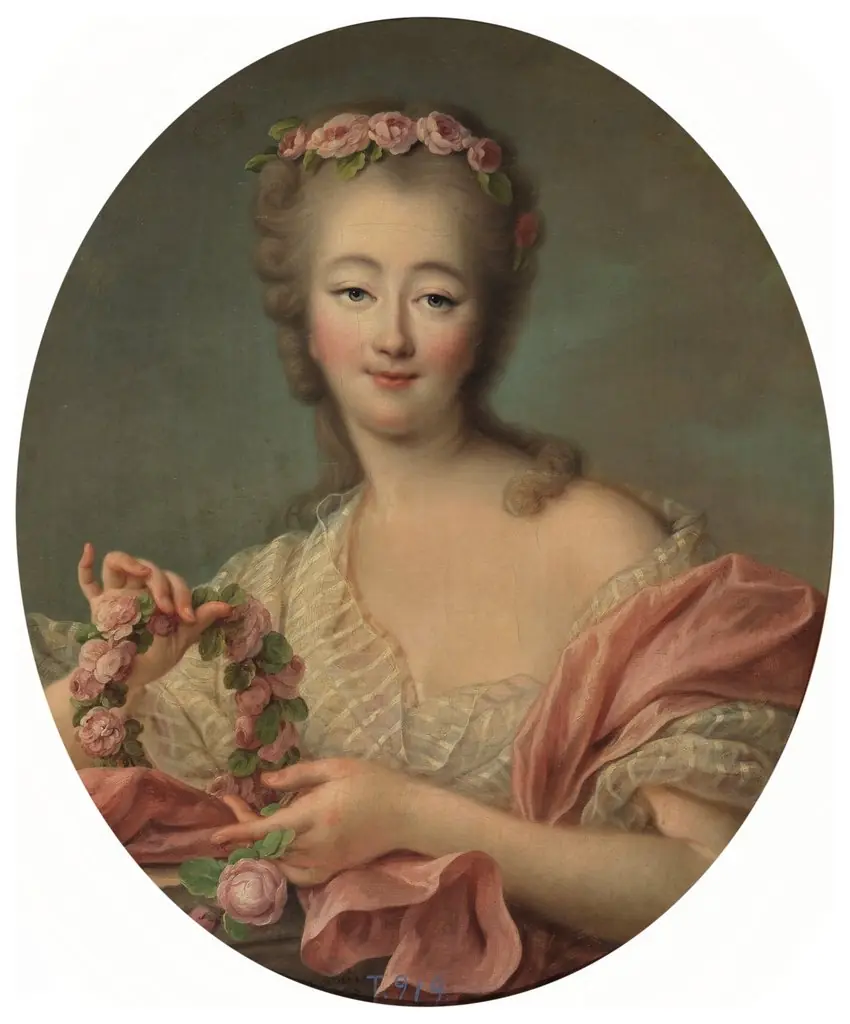 Portrait of Madame du Barry (1743-1793)