Artwork
The Monks
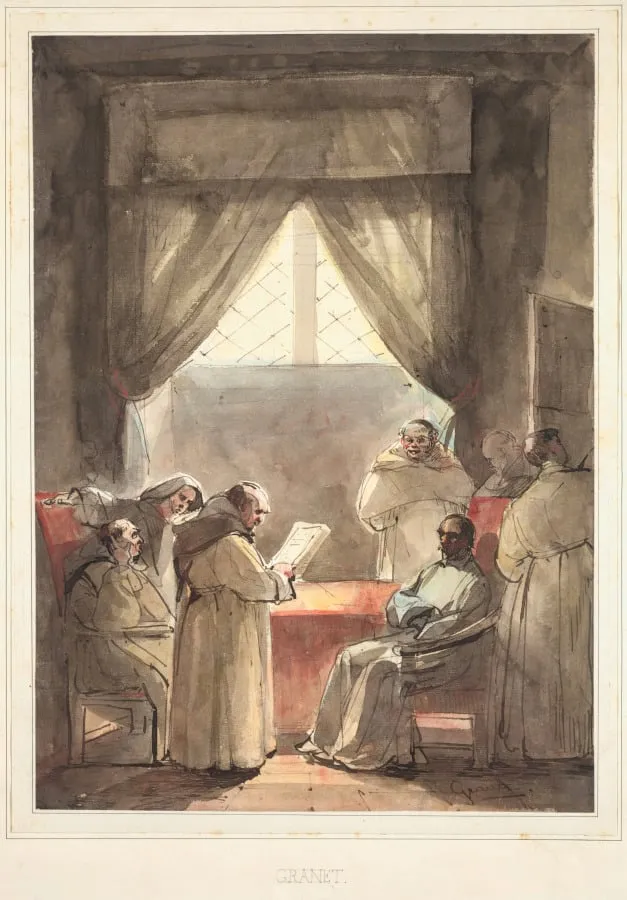
The Monks is a drawing by the Romanticist artist François Marius Granet. It dates from 1816 and is held in the collection of the Cleveland Museum of Art. François Granet, a French artist, settled in Rome in 1802 and devoted much of his career to depicting monastic life.
About this work
Overview
Drawn to the solitude and ritual of cloistered communities, he produced numerous studies of monks engaged in daily devotional activities.
François Granet, a French artist, settled in Rome in 1802 and devoted much of his career to depicting monastic life. Drawn to the solitude and ritual of cloistered communities, he produced numerous studies of monks engaged in daily devotional activities. This work is one of many intimate sketches capturing their quiet routines, reflecting his sustained interest in religious seclusion and the spiritual atmosphere of monastic interiors.
Subject & Meaning
The drawing portrays three monks absorbed in private reading by candlelight, their focus undisturbed by the viewer’s presence. Their postures and the dim setting emphasize introspection and devotion, avoiding theatricality. Granet’s choice to depict them without interaction or gesture suggests a reverence for contemplative silence, aligning the image with monastic ideals of humility and inward reflection rather than public display.
Technique & Style
Granet employed subtle tonal gradations in charcoal or ink to simulate the flicker of candlelight in shadowed spaces. He avoided color, relying on muted browns and grays to enhance the sense of stillness. Soft, blended shadows define forms without harsh lines, creating an atmosphere of quiet intimacy. The technique mirrors chiaroscuro traditions, but with restraint, prioritizing mood over dramatic contrast.
History & Provenance
Granet resided in Rome for over a decade, frequently sketching monks in their libraries and refectories. This drawing likely originated from one of these on-site studies, made during his early years there. While its exact provenance is undocumented, it aligns with a broader body of work collected by French patrons and institutions drawn to his serene, observational style of religious life.
Context
In early 19th-century France, interest in monasticism grew amid post-revolutionary spiritual reevaluation. Granet’s focus on cloistered communities offered a counterpoint to public, political art. His work resonated with viewers seeking solace in quiet devotion, reflecting broader cultural shifts toward private piety and the romanticization of religious solitude in an increasingly secular age.
Legacy
Granet’s monastic drawings influenced later artists interested in intimate, non-narrative scenes of religious life. Though not widely exhibited in his time, his consistent thematic focus and restrained technique established a quiet precedent for observational drawing rooted in empathy rather than spectacle. His work remains a quiet testament to the dignity of daily spiritual practice.
Artist & collection
Artist
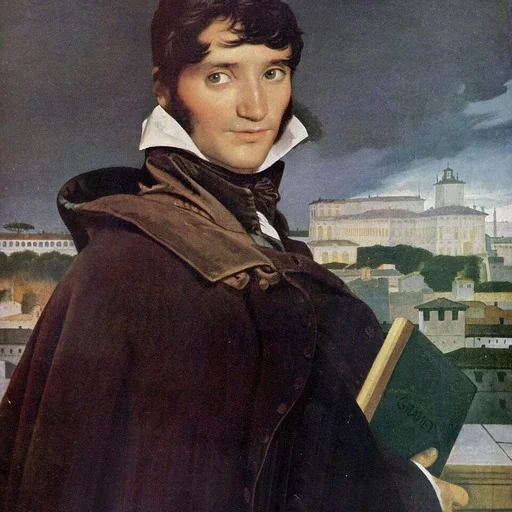
François Marius Granet (1775–1849) was an artist, born in Aix-en-Provence.

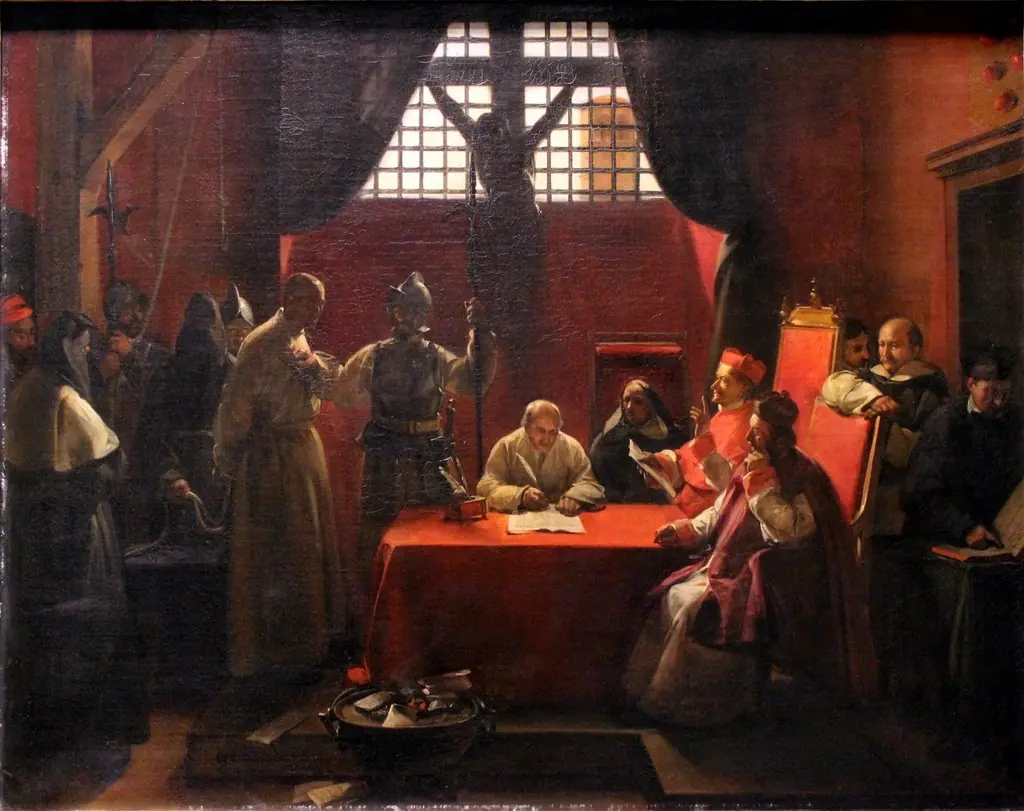
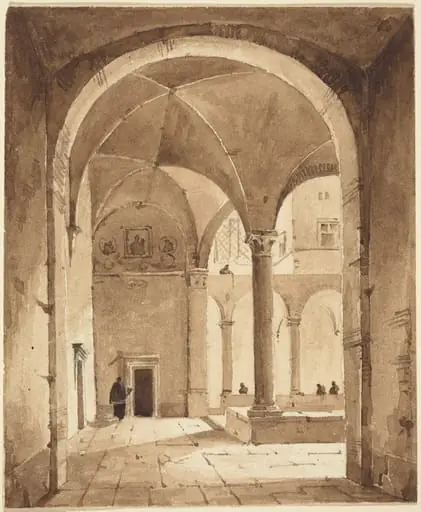
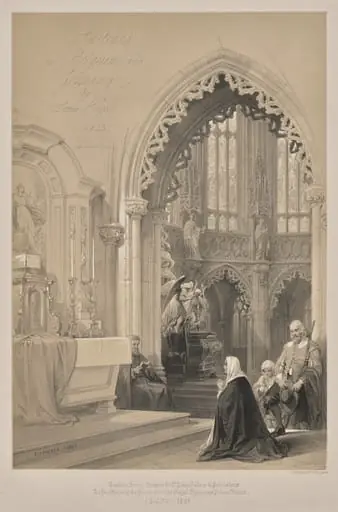 Sketches in Belgium and Germany, Second Series: No. 1 - Title Page - St. Jacques, Liege
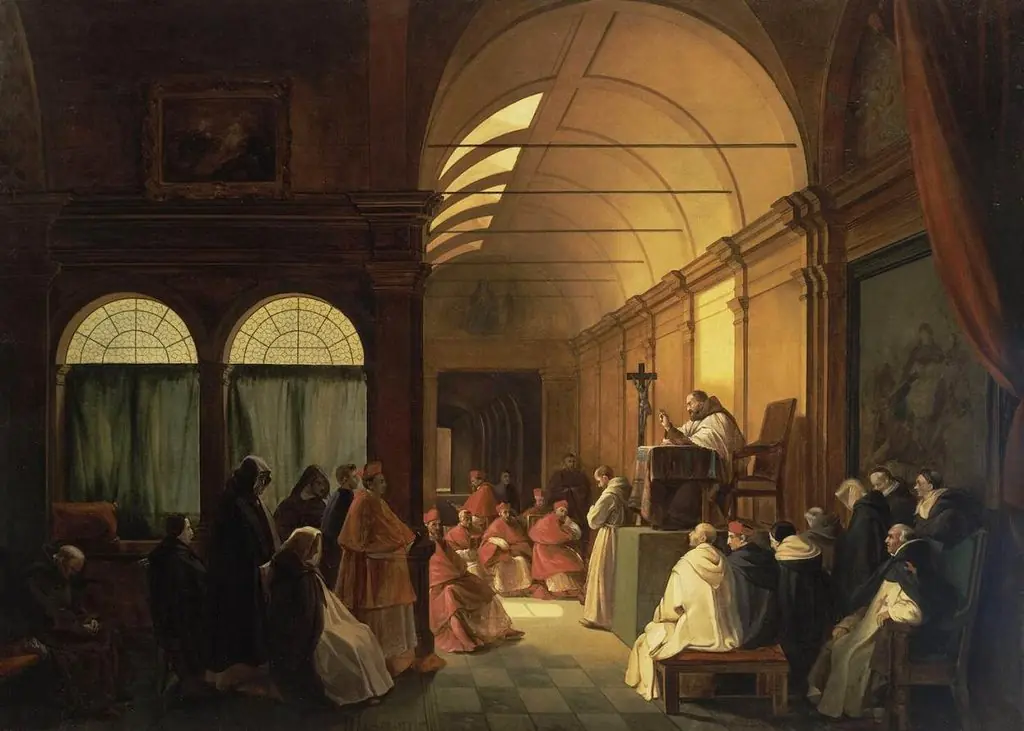 Meeting of the Monastic Chapter
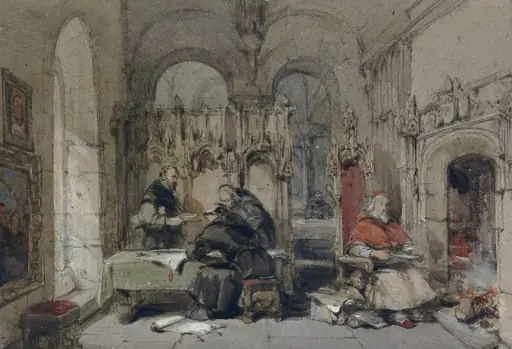 The Monk's Library
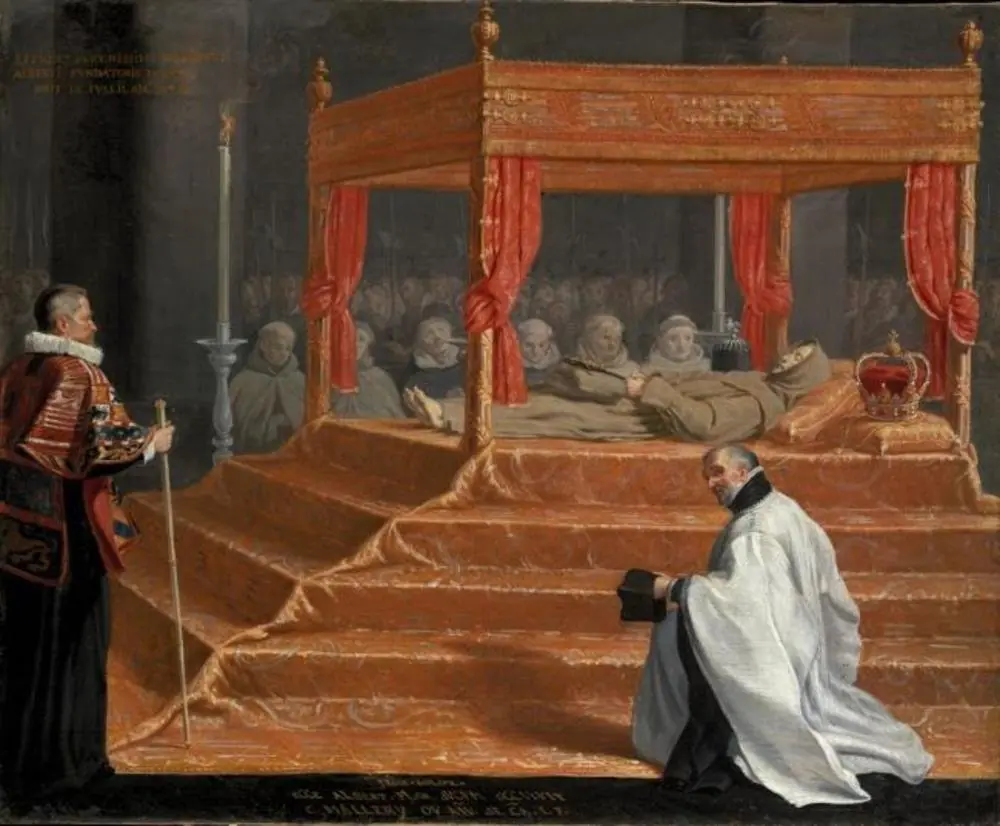 Albert VII on the Catafalque
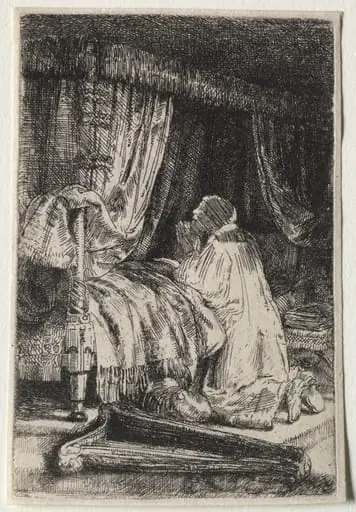 David in Prayer
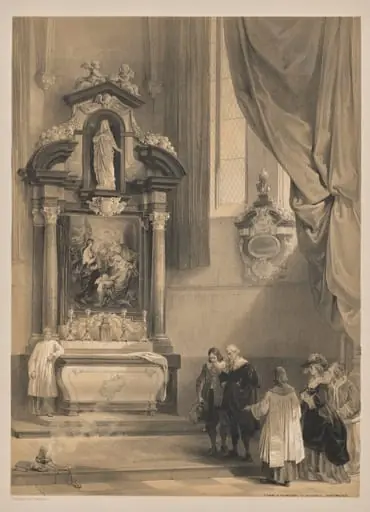 Sketches in Belgium and Germany, Second Series: No. 26 - Tomb of Rubens, St. Jacques, Antwerp
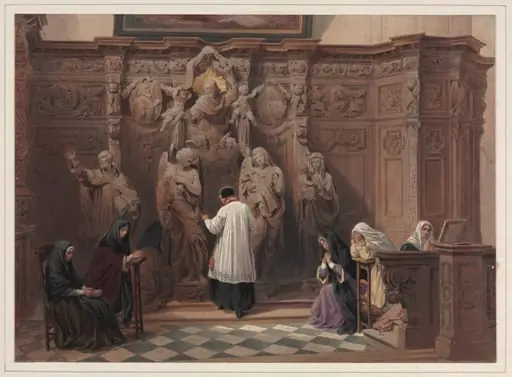 Confessional, Church of St. Paul, Antwerp
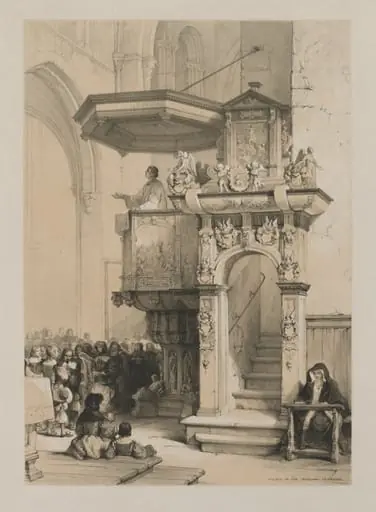 Sketches in Belgium and Germany, Volume I: Pulpit in the Cathedral of Treves
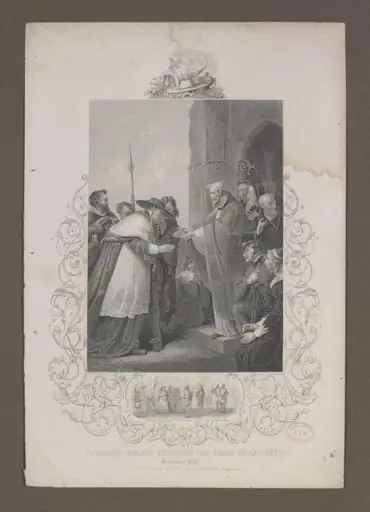 Cardinal Wolsey entering the Abbey of Leicester
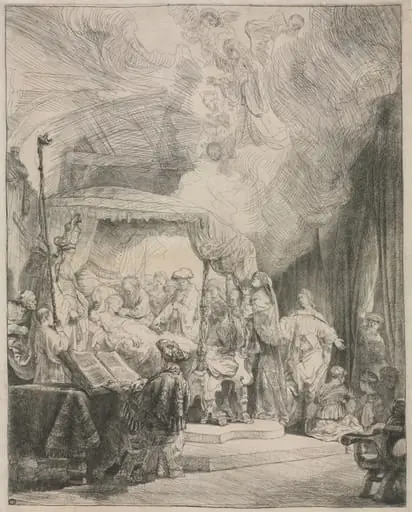 The Death of the Virgin
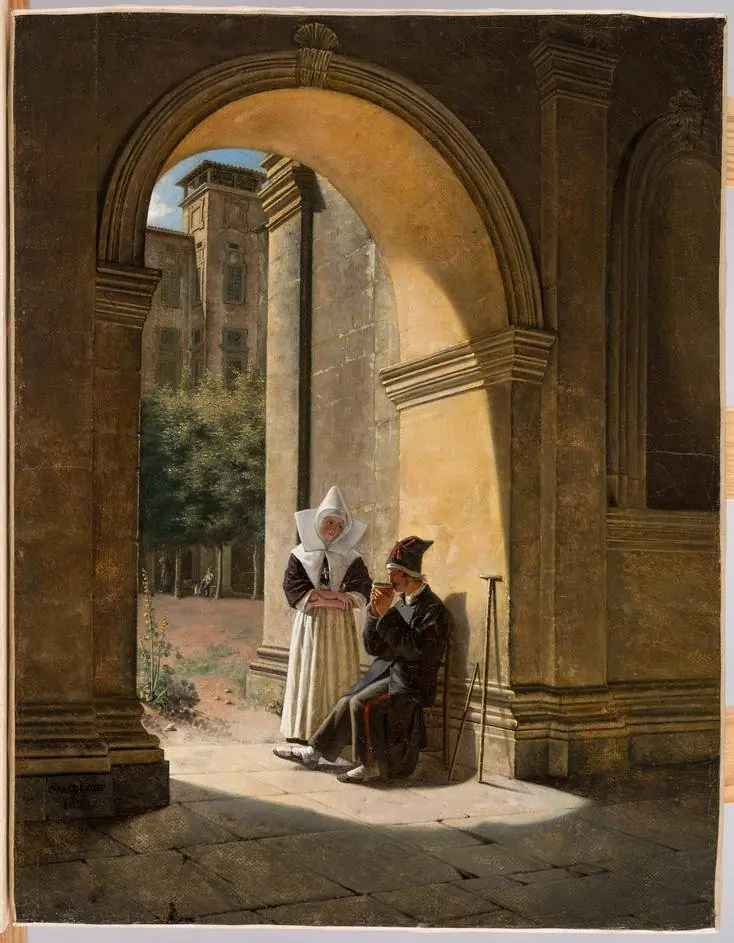 A Nun Cares for a Soldier in a Cloister
 Medea, or the Marriage of Jason and Creusa